SLY Blog
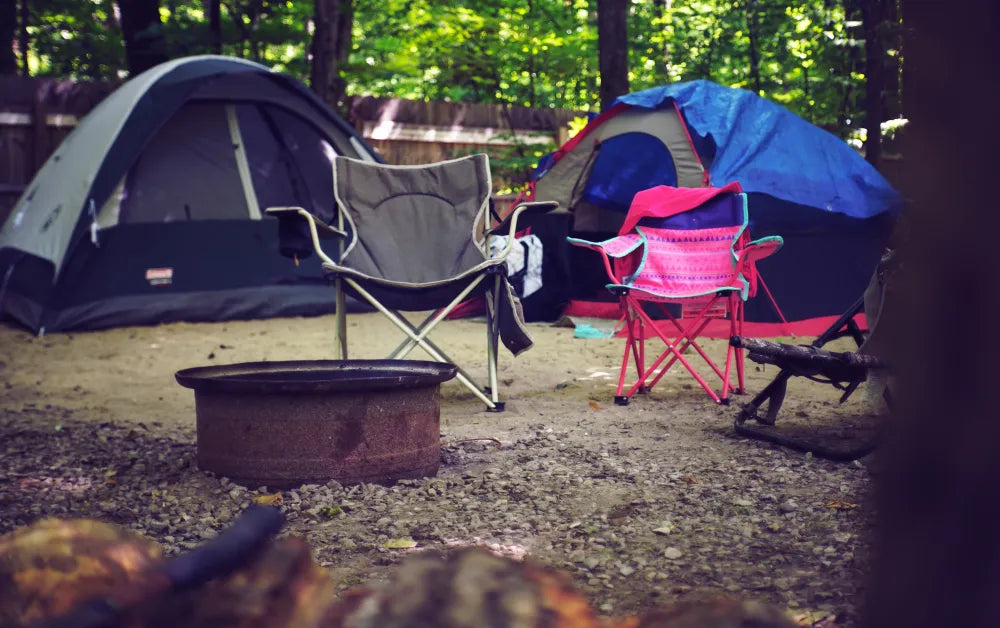
12 Seasonal Outdoor Activities to Try in 2025
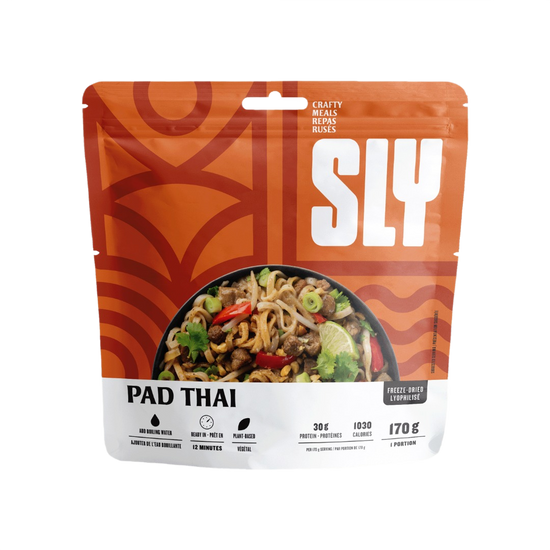
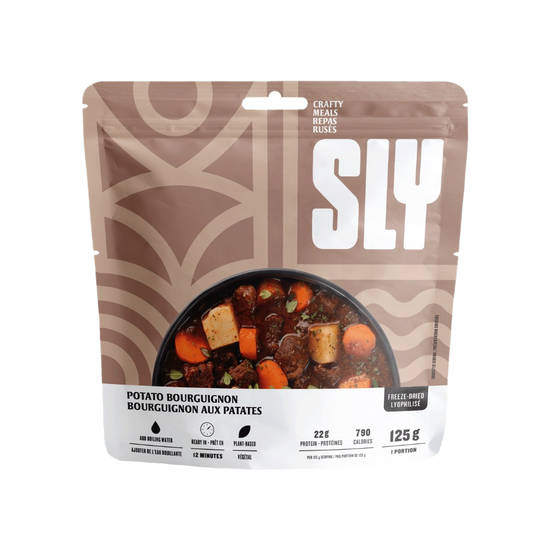
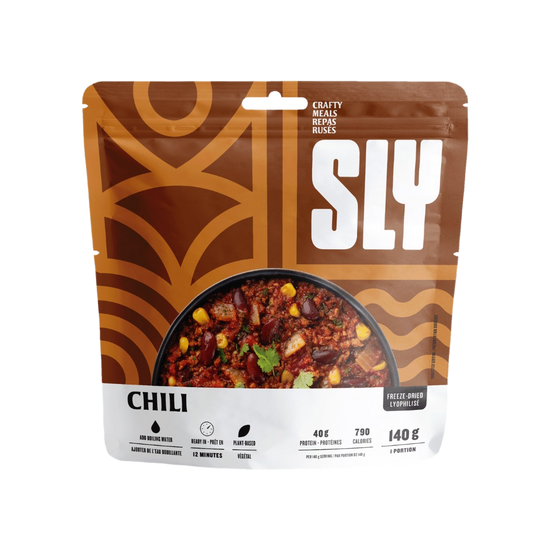
Seasonal activities make every time of the year special, whether you're counting down the days to summer sun or eagerly awaiting the first snowfall. Your favorite season is more than just a change in weather: it's an opportunity for outdoor adventures and seasonal activities that could bring excitement, challenges, or even a new passion into your life. But how do you choose the best adventure for your season and how do you make the most of it? Read on to find out! 12 Best Seasonal Activities for Outdoor Enthusiasts Seasonal activities are outdoor recreational experiences that change with the time of year, influenced by weather and natural conditions. Whether you enjoy pleasant outdoor activities in summer or venture into winter sports in cold weather, exploring seasonal outdoor activities guarantees you the most exceptional experience possible. Here's a list of outdoor adventure activities designed for each season. For more information on different destinations, check out our guide to adventure destinations. Spring Adventure Activities Spring activities invite travelers to deeply experience the season's mild temperatures, blooming landscapes, and waking wildlife, creating an ideal backdrop for hiking, kayaking, and wildlife observation. Here's a list of outdoor adventure activities for spring lovers. 1. Hiking in Banff National Park, Canada If you're ready to trade snow for scenery, spring hiking in Banff National Park is one of the best seasonal activities to kick off your adventure season. With trails thawing and wildflowers blooming, Banff becomes a hiker's dream. Why spring hiking in Banff is worth it: Location: Alberta, Canada - within Banff National Park Season: best in late spring (May to early June) Activity Type: Scenic hiking and nature exploration What you'll see: Alpine meadows, wildflowers, glacier-fed lakes. Wildlife: elk, mountain goats, marmots, etc. Adventure Level: Easy to moderate trails for all skill levels Great for: Spring activities and nature-based outdoor adventure activities Sounds like a good trail, doesn't it? Feel free to check out our detailed article on the best hiking trails in the world. 2. Mountain Hiking in Jasper National Park, Canada If you're looking for seasonal activities that are a bit more daring, the mountain trails of Jasper offer a perfect blend of challenge and scenery. Why Jasper is ideal for spring hikes Location: Jasper National Park, Alberta, Canada Season: best from late May to early July Trail Highlights: Alpine ridges, glacier-fed lakes, panoramic viewpoints Wildlife: Bears, elk, mountain goats, etc. Adventure Type: Moderate to advanced hiking Great for: Spring seasonal activities and outdoor adventure activities For hikers who love altitude and epic views, Jasper offers one of the most unforgettable spring hiking experiences in Canada. 3. Flower Hike in Antelope Valley, USA There's nothing quite like hiking in spring, when the hills come alive with color. Wildflower hiking is one of the best ways to welcome the season, with peaceful trails, vibrant landscapes, and a perfect backdrop for outdoor adventure enthusiasts. Location: Antelope Valley California Poppy Reserve, USA Best time to visit: March to early May during peak bloom Terrain: Gentle rolling hills with well-maintained trails What you'll see: California poppies, goldfields, owl's clover, etc. Experience Level: Easy to moderate - perfect for casual hikers and families Pro Tip: Visit in the morning for softer light, fewer crowds, and fully open flowers. 4. White-Water Rafting (Spring Thaw) on the Zambezi River, Zambia The spring thaw transforms rivers into roaring playgrounds for thrill-seekers, and there's no better place to experience this adrenaline rush than the Zambezi. It's the kind of outdoor adventure that leaves your heart pounding and your mind wide awake. Location: Zambezi River, Zambia (downstream from Victoria Falls) Best time to visit: March to May, when water levels are high due to spring runoff. Terrain: Class III to V rapids through deep gorges and powerful currents. What you'll see: Towering canyon walls, wildlife along the banks, the mist from the falls. Experience Level: For intermediate to experienced rafters (guided tours available). Pro Tip: Combine your rafting trip with a visit to Victoria Falls for a complete spring adventure. Get freeze-dried food for your next adventure! No matter where the trail takes you, whether in the sun, snow, or in between. Our freeze-dried meals are your solution for tasty, ready-to-eat fuel. Summer Outdoor Activities Summer activities are all about sunshine, fresh air, and energy. From kayaking to hiking, swimming, and ziplining, it's the perfect season for adventure. 5. Scuba Diving in the Great Barrier Reef, Australia Looking for seasonal activities that let you make the most of the sun? Scuba diving in the Great Barrier Reef is one of the best summer outdoor adventures. Why the Great Barrier Reef should be on your diving list: Location: Great Barrier Reef, Queensland, Australia Season: best from June to October What you'll see: Coral reefs, sea turtles, reef sharks, tropical fish. Conditions: Warm, clear waters, ideal for diving Skill Level: Ideal for beginners and experienced divers Great for: Summer outdoor activities and seasonal outdoor activities If you're planning your seasonal activities, this underwater adventure is a must-do. 6. Kayaking in the Gorges du Verdon, France The Verdon Gorges, nicknamed the "Grand Canyon of Europe," are an incredible place for kayaking and outdoor activities in the summer. The turquoise waters, towering limestone cliffs, and winding river make it a must-visit for nature lovers. Whether you're paddling in calm waters or tackling gentle rapids, it's one of the most picturesque seasonal activities. If you love combining adventure with breathtaking landscapes, the Verdon Gorges are an ideal choice. 7. Cycling in the Loire Valley, France For those who love to explore on two wheels, cycling in the Loire Valley in France is one of the best summer activities. This famous region is known for its picturesque vineyards, historic castles, and scenic countryside. It's an ideal way to experience outdoor activities based on the season, especially in spring and summer. Whether you're looking for a leisurely ride or a long-distance challenge, the Loire Valley offers an unparalleled cycling adventure. 8. Backcountry Camping in Glacier National Park If you're looking for summer outdoor activities that allow you to fully disconnect, backcountry camping in Glacier National Park is an unforgettable choice. With its snow-free trails, alpine lakes, and starry skies, summer is the only time this wilderness truly opens up. Why Glacier National Park Shines in Summer: Location: Montana, USA Season: July to early September (when high-elevation trails are clear) What you’ll do: Hike, camp, and explore remote wilderness areas. The landscape: Glacier-carved peaks, wildflower meadows, and shimmering lakes. Great for: Summer outdoor activities and classic seasonal activities 9. Hiking in the Great Smoky Mountains, USA Nestled between Tennessee and North Carolina, the Great Smoky Mountains National Park is a beloved destination for summer outdoor activities. Here you'll find lush forests, cool mountain breezes, and scenic trails perfect for adventure. Why you'll love it in summer: Location: Great Smoky Mountains National Park, USA Season: Best from June to August Top Trails: Clingmans Dome, Alum Cave, Laurel Falls What to expect: Misty vistas, shaded paths, and peaceful streams. Perfect for: Seasonal activities like hiking, wildlife viewing, and photography. Top Destinations for Winter Outdoor Adventures Winter activities transform the great outdoors into a sparkling wonderland of frosty adventures, where powdery snow blankets the terrain and frozen lakes shimmer under pale blue skies. From carving fresh tracks in the champagne powder of world-class ski resorts to gliding across icy surfaces in a thrilling game of pond hockey. 10. Skiing in Zermatt, Switzerland Zermatt is a world-renowned winter destination, offering some of the best skiing experiences in the Swiss Alps. With breathtaking views of the Matterhorn, well-groomed slopes, and a long ski season, it's the perfect place for winter activities. Whether you're a beginner or an expert, Zermatt offers a wide variety of slopes and high-altitude skiing opportunities. If you're looking for outdoor adventure activities in winter, this iconic resort should be on your list. 11. Ice Climbing in Ouray Ice Park, Colorado, USA If winter is your favorite season to push your limits, ice climbing is as intense and rewarding as it gets. From frozen waterfalls to icy walls, this Ouray adventure offers vertical thrills in a stunning alpine setting. Location: Ouray Ice Park, Colorado, USA Best time to visit: December to February, prime ice season Terrain: Frozen waterfalls, man-made ice walls, canyon routes What you’ll experience: Technical ascents, crisp alpine air, and epic winter landscapes. Experience level: Beginner to expert; many guided routes and instruction available. Pro Tip: Layer up, bring proper gear, and check out the Ouray Ice Festival if you’re visiting in January. 12. Dog Sledding in Lapland, Finland Lapland is a dream destination for winter adventure seekers, where dog sledding takes you through snowy forests and across frozen lakes. This traditional mode of transport allows you to explore the Arctic wilderness while enjoying the thrill of guiding a team of huskies. It's one of the most exciting seasonal activities, offering a blend of speed, nature, and cultural heritage. If you want a true winter experience, Lapland is the place to be! Tips to keep in mind! Before you hit the road, some wise tips can make your adventure safer, easier, and more enjoyable. Here's what every outdoor explorer should keep in mind! What foods to pack? No matter the season or the trail, great adventures need great food. Slyfood's freeze-dried meals are lightweight, tasty, and designed to fuel you, whether you're on sunny alpine treks or pushing to snow-capped summits. 6 reasons why Slyfood belongs in your backpack all year round: Ultra-light and easy to carry on any trail Quick to prepare - just add water and eat in minutes. Nutrients for long days in all climates Long shelf life, no refrigeration needed Delicious options for all tastes and diets Perfect for hikers, backpackers, mountaineers, and explorers in all seasons. Ready to eat well no matter the weather? Discover Slyfood's freeze-dried meals and smart pack for your next adventure. How to Prepare for Seasonal Adventures? No matter the time of year, a little planning goes a long way. Start by researching your destination and checking seasonal conditions, including weather and trail access. Wear appropriate clothing for the season – light and breathable for summer, insulated and moisture-wicking for winter. Pack essentials like navigation tools, a first-aid kit, and plenty of water or a filtration system. Don't forget energy-rich foods; Slyfood's freeze-dried meals are perfect for hikes, no matter the season. Finally, tell someone your plans and always leave room for flexibility, as nature has its own ways. For more information, refer to our adventure planning guide. Conclusion Seasonal activities offer new ways to explore nature, from hiking through spring flowers to gliding down snowy winter slopes. Whatever your favorite season, choosing the right destination makes every adventure unforgettable. The right gear, good planning, and nutritious food can make all the difference in your experience. And to stay energized on your journey, Sly Foods has the perfect freeze-dried meals—click below and fuel your next adventure! Get Freeze-Dried Food for Your Next Adventure! No matter where the trail takes you, whether in the sun, snow, or somewhere in between. Our freeze-dried meals are your solution for delicious, ready-to-eat fuel.
Sylvain Karpinski
•
Mar 12, 2025

7 Best Hiking Trails: Where Will You Go Next?
It all starts with a single step, shoes touching the earth, wind on your face, and that spark of freedom that washes over you. The best hiking trails aren't just paths through forests or mountains; they're invitations to adventure, to discover breathtaking places and stories you'll tell for a lifetime. In this blog post, we take you around the world to discover the best hiking trails that every outdoor adventurer should experience. The Best Hiking Trails to Discover The best hiking trails take you through breathtaking landscapes, from sun-drenched forests to rugged coastlines, turning every step into a story worth telling. Check out our guide to adventure travel destinations for more inspiration! And now, let's embark on a fantastic journey on trails in Canada, France, and around the world. 1. Kettle Valley Rail Trail - British Columbia, Canada Canada is home to some of the most stunning hiking trails in the world, offering an adventure for all outdoor enthusiasts. Once a historic railway, the Kettle Valley Rail Trail now welcomes adventurers for cycling or hiking through the interior of British Columbia, where nature and history meet at every turn. Best time to visit: Spring to autumn for the best conditions Location: Southern British Columbia, part of the Great Trail of Canada Terrain: Gently sloping gravel path through forests, canyons, and vineyards. Highlights: Iconic Myra Canyon trestles and mountain tunnels Activities: Ideal for cycling, walking, and family exploration. Difficulty: Easy to moderate, suitable for all skill levels 2. Torres del Paine "W Trek" - Patagonia, Chile Nestled in the wild heart of Patagonia, the W Trek in Torres del Paine is one of the hiking trails, offering breathtaking views at every turn. From granite towers to glacier-fed lakes, this trail invites you to lose yourself in nature's raw and untamed beauty. Location: Torres del Paine National Park Terrain: Glaciers, valleys, turquoise lakes, and jagged peaks Highlights: Iconic granite towers, Grey Glacier, French Valley Difficulty: Moderate to difficult, 4-5 days Must-see: Sunrise at the base of the Torres Best time: October to April 3. Drakensberg Amphitheatre - South Africa If standing on the edge of the world is on your bucket list, the Drakensberg Amphitheatre hike will fulfill it. It's one of the best trails for outdoor adventures. It will lead you to breathtaking views, adrenaline-pumping chain ladders, and the thundering beauty of Tugela Falls, a tour de force of nature in the sky. Location: Royal Natal National Park Terrain: Steep cliffs, grassy plateaus, chain ladders Highlights: Tugela Falls (second highest waterfall in the world) Difficulty: Moderate to difficult, 1-2 days Must-see: Sunrise over the vast amphitheatre wall. Best time: April to October Need food for your next destination? Our portable and healthy freeze-dried meals will keep you going on all your outdoor adventures, whether cycling, trekking, or hiking. Buy yours today! 4. Kalalau Trail - Kauai, Hawaii, USA If your idea of paradise includes dizzying climbs and secret beaches you can only reach on foot, the Kalalau Trail is calling you. Winding along the Nā Pali coast, it is one of the best hiking trails, where every mile offers lush jungle, spectacular cliffs, and a unique sunset on Kalalau Beach. Location: Nā Pali Coast, Kauai Terrain: Coastal cliffs, lush jungle, secluded beaches Highlights: Hanakāpī'ai Falls, Kalalau Beach Difficulty: Strenuous, 2 days (or day hike options) Must-see: Sunset on Kalalau Beach Best time: May to September (dry season) 5. Overland Track - Tasmania, Australia The Overland Track is a must for anyone who loves grand landscapes and tranquil trails. It's one of the best hiking trails, offering six days of alpine peaks, ancient rainforests, and a real chance to disconnect and recharge. Location: Cradle Mountain-Lake St Clair National Park Terrain: Alpine meadows, rainforests, waterfalls Highlights: Cradle Mountain, Barn Bluff, ancient forests Difficulty: Moderate, 6 days Must-see: The enchanting mossy rainforest trails. Best time: October to May 6. Snowman Trek - Bhutan If you're looking to test your limits in one of the most remote corners of the Himalayas, the Snowman Trek is for you. Recognized as one of the best trails, this high-altitude route rewards every step with views that few people on Earth get to see. Location: Northern Bhutan, from Laya to Bumthang Terrain: Alpine meadows, glacial valleys, and rugged high passes Highlights: Views of Jomolhari and Gangkar Puensum, isolated villages, ancient monasteries. Difficulty: Extremely difficult; 25 days, 347 km, multiple passes over 5,000 m altitude. Must-see: The hidden communities of the Himalayas, untouched by time Best time: June to October That sounds like a seasonal activity, doesn't it? Feel free to check out our detailed blog post on different seasonal activities around the world. 7. Laugavegur Trail - Iceland If you've always dreamed of hiking in a place that looks like another planet, the Laugavegur trail will fulfill that. It's one of the best hiking trails you have to try, leading you through smoking chimneys, colorful mountains, and open volcanic landscapes that are pure Icelandic magic. Location: Southern Iceland, from Landmannalaugar to Þórsmörk Terrain: Colorful rhyolite mountains, hot springs, volcanic fields Highlights: Steam vents, glaciers, black sand deserts Difficulty: Moderate, 3-4 days Must-see: Dip in a hot spring in Landmannalaugar Best time: Late June to early September Tips to keep in mind! Before you hit the road, a few wise tips can make your adventure safer, easier, and more enjoyable. Here's what every outdoor explorer should keep in mind! Why are freeze-dried foods practical for all hikes?When you're out in the wild, with miles behind you and even more ahead, your food needs to be as ready as you are. At Slyfood, we offer premium freeze-dried meals that keep your pack light and your energy high—perfect for the best outdoor adventure trails. 6 reasons to buy freeze-dried food: Lightweight and compact: easy to carry, even on long hikes. Long shelf life: no more worrying about food spoiling on multi-day treks. Quick preparation: just add hot water and you're ready to eat in minutes. Nutrient-dense: packed with the calories, protein, and vitamins your body needs. Delicious flavors: hearty, satisfying meals that taste like real food. 100% field-tested: trusted by hikers, backpackers, and outdoor explorers worldwide. Browse our complete selection of freeze-dried meals and make your next hiking experience as flavorful as it is unforgettable. 5 pro tips to prepare for your trail adventure A successful adventure begins with good preparation. Whether you're hiking, cycling, or backpacking, these key tips will help you stay safe and get the most out of your trip: Plan your route - Research your trail, check maps, and be aware of elevation changes, weather conditions, and potential hazards. Pack smart - Bring essential gear like a map, compass, first-aid kit, and headlamp. Lightweight, durable equipment is best for long treks. Dress for the weather - Layer your clothing to adapt to changing conditions, and wear moisture-wicking fabrics to stay dry and comfortable. Stay fueled and hydrated - Pack plenty of water and nutrient-rich snacks. Freeze-dried meals from SLY Foods provide lightweight, high-quality nutrition for multi-day adventures. Prepare for emergencies - Carry a charged phone, a whistle, and a basic survival kit. Let someone know your itinerary before you go. With proper preparation, every trail adventure, whether in Canada, France, or elsewhere, can be a safe and unforgettable experience! You can check out our article on backpacking trip planning for more preparation tips. Frequently Asked Questions What is the best trail adventure for beginners? The best adventure trails for beginners are moderate, well-marked trails, such as the Bruce Trail in Canada, the Loire Valley Cycle Route in France, and the Camino de Santiago in Spain. What is a national trail? National trails are government-designated routes that offer recreational opportunities for hiking, cycling, and other outdoor activities, often spanning long distances across the country. How can I prepare for a trail adventure? Preparation involves researching the trail, checking weather conditions, packing essential gear, staying hydrated, and bringing nutritious foods, such as freeze-dried meals, to fuel up. Are winter trails safe for beginners? Some winter trails, like Mont Tremblant in Canada and the Chamonix Valley trails in France, offer options for beginners, with groomed paths and guided tours. Conclusion Wherever your adventure takes you, the best hiking trails offer the chance to connect with nature and push your limits, whether you're hiking in the forest, cycling on scenic routes, or trekking in majestic mountains. From Canada and France to the world's most iconic trails, there's an adventure for everyone. Make the most of your journey with SLY Foods – lightweight, nutritious freeze-dried meals designed for outdoor explorers. Shop now and fuel your next adventure! Need food for your next destination? Our portable and healthy freeze-dried meals will keep you going on all your outdoor adventures, whether you're cycling, trekking, or hiking. Buy yours today!
Sylvain Karpinski
•
Mar 5, 2025
7 Outdoor Activities (Popular Events)
Your outdoor activity bucket list isn't just a dream, it's a call to action. Imagine standing atop towering peaks, traversing deserts, or diving into turquoise waters—these are the experiences that define a life well-lived. Whether you're an adrenaline junkie or a nature lover, this guide is packed with must-visit destinations and thrilling outdoor activities that belong on every adventure bucket list. From high-altitude marathons to cliff diving, we've curated the best experiences to live. Ready to make your adventure dreams a reality? Here's where to start! 7 Popular Events To Add To Your Outdoor Activity Bucket List If you crave adrenaline-pumping challenges and unforgettable experiences, these world-renowned outdoor activity events belong on your bucket list. Whether you're a seasoned thrill-seeker or looking for your next big challenge, these seven must-visit adventure travel destinations offer the ultimate test of adventure. 1. Ultra-Trail du Mont-Blanc (France, Italy, Switzerland) If you love pushing limits and reaching new heights, the Ultra-Trail du Mont-Blanc (UTMB) is one of the most legendary outdoor activity events in the world. It’s not just a race; it’s a test of strength, grit, and mental fortitude that spans multiple countries through some of the most breathtaking alpine landscapes on the planet. Relevant Ultra-Trail du Mont-Blanc information: Location: France, Italy, and Switzerland (starting and finishing in Chamonix, France) Date: August 26 - September 1, 2024 Distance: 170 km (106 miles) Elevation Gain: Over 10,000 meters (32,800 feet) Terrain: Mountain trails, alpine passes, glacier crossings Duration: Over 40 hours of continuous movement for most participants Event Type: Non-stop ultra-marathon requiring self-sufficiency Who it's for: Elite trail runners and serious endurance athletes Entry Fee: €439 (includes VAT, environmental tax, and UTMB association membership) For anyone looking to build an outdoor activity bucket list, the UTMB is more than just a race—it's a journey through some of the planet's most awe-inspiring mountain scenery. Whether you're aiming to finish the race or simply soak in the electric atmosphere of the outdoor activity festival surrounding the event, the UTMB is a unique challenge that deserves a high spot on your list. 2. Everest Base Camp Marathon (Nepal) If you're seeking adventure destinations that combine extreme endurance with breathtaking scenery, the Everest Base Camp Marathon is a must-consider. Dubbed the world's highest marathon, it offers runners an unparalleled challenge in the heart of the majestic Himalayan range. Keep the following information in mind: Location: Starts at Everest Base Camp, finishes in Namche Bazaar, Nepal Date: May 29th, held annually Distance: 42.2 km (26.2 miles), with half-marathon and ultra-marathon options Altitude: Starts at 5,364 meters (17,598 feet) Terrain: Steep trails, rocky paths, suspension bridges Views: Himalayan peaks, glaciers, and Sherpa villages Adventure Level: High-altitude challenge with necessary acclimatization Entry Fee: Approximately $2,995 USD (includes permits, logistics, and support) 3. Molokai 2 Oahu Paddleboard World Championships (Hawaii, USA) Water adventures involve high-adrenaline outdoor activities like diving, surfing, and white-water rafting that push athletes to their limits in unpredictable waters. One of the most prestigious outdoor activity events for water sports enthusiasts is the Molokai 2 Oahu (M2O) Paddleboard World Championships. This legendary 32-mile race across the Ka'iwi Channel, also known as the "Channel of Bones," is a true test of endurance, where competitors battle strong currents, massive swells, and powerful winds as they race from Molokai to Oahu. The M2O stands as one of the world’s most popular endurance water sports events. It attracts both elite athletes and adventure enthusiasts alike, making it a highlight of Hawaii’s outdoor activity festival season. Many participants prepare through specialized training programs and outdoor adventure tours, honing their open-water navigation and endurance skills. 4. Patagonian Expedition Race - Chile Expedition races combine endurance, navigation, and survival skills, pushing adventurers to their absolute limits. One of the world's most extreme outdoor activity events is the Patagonian Expedition Race, a multi-day challenge held in the remote wilderness of Patagonia, Chile. Teams navigate through rugged mountains, dense forests, glaciers, and fjords, covering hundreds of kilometers by trekking, mountain biking, kayaking, and orienteering. What you need to know about this outdoor adventure event: Location: Patagonia, Chile Event Type: Multi-day expedition race with no marked trails Disciplines: Trekking, mountain biking, kayaking, orienteering Date: Held annually in February Distance: Hundreds of kilometers through extreme terrain Terrain: Mountains, glaciers, forests, rivers, and fjords Navigation: Map and compass only, no GPS or signposts Participants: Teams of elite endurance athletes from around the world Nickname: "The Last Wild Race in the World" 5. Marathon des Sables (Morocco) If desert endurance is your thing, the Marathon des Sables should be on your adventure bucket list. This legendary race takes runners through the Sahara Desert in one of the most extreme outdoor activity events in the world. Why does the Marathon des Sables stand out? Location: Sahara Desert, Morocco Distance: 250 km (155 miles) over six days Terrain: Sand dunes, rocky plains, dried riverbeds Event Type: Self-sufficient ultra-marathon Conditions: Daytime temperatures can reach 50°C (122°F) Entry Fee: Approximately €3,190 A highlight of the global outdoor adventure festival scene, this race attracts serious athletes and thrill-seekers ready to push their limits. It’s a unique test of endurance that few forget. If you're looking for other trails to explore, be sure to check out our detailed blog post on the world's best hiking trails that every adventurer should try. 6. Polar Circle Marathon (Greenland) If you're looking for a race that combines extreme conditions with breathtaking Arctic landscapes, the Polar Circle Marathon in Greenland is one to add to your outdoor activity bucket list. Why does the Polar Circle Marathon stand out? Location: Kangerlussuaq, Greenland Date: Annually in October; the 2025 race is scheduled for October 25-26. Distances: Full marathon (42.195 km) and half marathon (21.1 km) options Terrain: Ice cap, Arctic desert, and moraine landscapes Temperature: Average between -10°C and -15°C (14°F and 5°F) Entry package: Includes accommodation, meals, and local transport This icy challenge, a true test of endurance in one of the world's most remote landscapes, is one of the most important on any outdoor activity bucket list. 7. Iditarod Trail Sled Dog Race - Alaska, USA Winter adventures test endurance, strategy, and resilience in some of the harshest conditions on Earth. One of the most iconic events in this category is the Iditarod Trail Sled Dog Race, a legendary long-distance sled dog race held annually in Alaska, USA. Spanning nearly 1,000 miles (1,609 km) from Anchorage to Nome, mushers and their dog teams brave sub-zero temperatures, blizzards, and treacherous terrain, following the historic trail once used for mail delivery and the 1925 diphtheria serum run. The Iditarod, one of the most popular outdoor activities in the Arctic, is often called "The Last Great Race on Earth." It's a highlight of Alaska's outdoor adventure festival calendar, drawing competitors and spectators from around the globe. Participants train for years through outdoor adventure programs, mastering navigation, dog care, and survival skills. Whether you dream of competing or simply witnessing this historic race, the Iditarod is a must-see event on any outdoor activity bucket list, offering an unparalleled journey into the stunning yet unforgiving Alaskan wilderness. This might seem like a seasonal activity, and if you’re looking for other outdoor adventures by season, we've outlined them in a detailed blog post on the best seasonal activities around the world. Feel free to check it out. How to Plan Your Outdoor Activity Bucket List Before you dive into these epic events, it’s important to get ready. From gear to goals, proper planning makes all the difference. Start by checking out our backpacking trip planning guide to make sure you're geared up for the challenge. Plan Your Adventures in 5 Steps Good planning is key to getting the most out of your adventure bucket list, especially when taking on popular outdoor adventure activities. Here are a few tips for logistics and budgeting to ensure a seamless experience. Do your research and rehearse: Research popular outdoor adventure events and festivals to find ones that align with your skill level. Plan major events early: Popular endurance races like the UTMB or the Everest Base Camp Marathon have limited spots and fill up quickly. Sign up well in advance and account for costs like permits, race fees, and any required medical clearances. Join guided outdoor adventure tours: For remote treks or multi-day races, consider guided outdoor adventure tours that include equipment rentals, expert guidance, and local support. This can save money on specialized gear purchases while ensuring safety in unfamiliar terrain. Secure accommodation near adventure festivals: Booking accommodation near popular outdoor activity festivals and popular events not only enhances the experience but also minimizes transportation hassles. Invest in freeze-dried food: For multi-day adventures, reliable nutrition is crucial. Freeze-dried vegan meals offer lightweight, high-energy nutrition without sacrificing quality. They are easy to prepare and only require hot water, making them a vital part of your adventure packing list. With outdoor adventures being mentally and physically challenging, it is beneficial to prepare beforehand. Check out our blog on an outdoor activity training guide to adequately prepare yourself. Need freeze-dried meals for your next adventure? Fuel your journeys with our lightweight, nutrient-rich freeze-dried meals. Shop now and power your epic challenges! What Food Do You Need for These Events? Let’s be real: when you're out in the wild, chasing epic views, or powering through a race, the last thing you want to worry about is what you’re going to eat. That’s why adventurers (like you!) swear by freeze-dried food. They're lightweight, pack flat, and give you the energy to keep going—without sacrificing flavor or nutrition. Here’s why they’re a must-have: Super lightweight to carry, even on long treks Ready in minutes—just add hot water Packed with nutrients to keep you focused and energized Tastes way better than you'd expect in the middle of nowhere Whether you're hiking, biking, paddling, or racing through a desert, our freeze-dried meals are your worry-free, flavor-packed fuel for the road ahead. Grab your adventure-ready meals now and ensure your next epic journey comes with good food! Conclusion Crafting a popular outdoor activity bucket list is all about pushing your limits, experiencing adrenaline-pumping thrills, and exploring breathtaking destinations. From racing across deserts to cliff diving or trekking through remote wilderness, each adventure is an opportunity to challenge yourself and create unforgettable memories. To stay energized throughout your journey, Sly Foods offers premium vegan freeze-dried meals that are lightweight, nutritious, and designed for extreme conditions. Stock up now and fuel your adventure bucket list with the right nutrition! Ready to curate your adventure bucket list? Fuel your journeys with our lightweight, nutrient-rich freeze-dried meals. Shop now and power your epic challenges!
Sylvain Karpinski
•
Feb 26, 2025
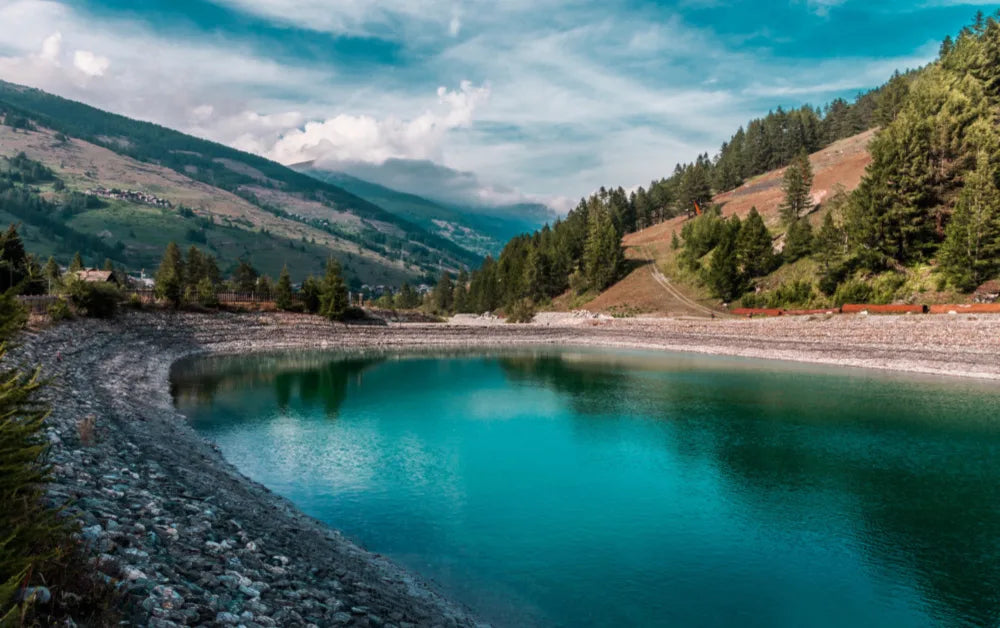
10 adventure travel destinations to keep in mind
Are you ready to step out of your comfort zone and explore the world's most thrilling adventure travel destinations? From towering mountains to remote jungles, these places offer unforgettable outdoor experiences for all types of explorers. Whether you crave heart-pounding activities or peaceful escapes into nature, an adventure travel destination awaits you. But how do you choose the perfect spot? Should you opt for a steep hiking trail, a water excursion, or a snowy expedition? Read on to discover the best options for your next outdoor adventure! Top Adventure Travel Destinations in the World The world is brimming with places that offer thrilling and awe-inspiring experiences, whether it's hiking through rugged mountains or diving into the depths of the sea. Adventure travel isn't just about thrills; it's about connecting with nature in an unforgettable way. Next, you'll go through the top 10 destinations, but before choosing your destination, it's best to have a good plan for your adventure; check out our guide on how to plan a backpacking trip. 1. Canadian Rockies, Canada Mountain adventure trips are areas characterized by high altitudes, challenging terrain, and opportunities for activities like hiking, climbing, and skiing. The Canadian Rockies, spanning Alberta and British Columbia, are a dream come true for anyone who loves wild landscapes, crystal-clear lakes, and fresh mountain air. Whether you're hiking to panoramic viewpoints or skiing down powdery slopes, every moment is filled with natural beauty and adrenaline. What makes the Canadian Rockies a must-visit place? Location: Western Canada, along the Alberta/British Columbia border Home to iconic parks: Banff, Jasper, Yoho, and Kootenay Things to do: Hiking, climbing, skiing, snowboarding, canoeing, wildlife viewing. Landscape highlights: Alpine lakes, glaciers, waterfalls, and snow-capped peaks You might see wildlife: Bears, elk, mountain goats, moose. Best time to go: June to September for hiking, December to March for winter sports. Must-see: Lake Louise, Moraine Lake, Columbia Icefield, Icefields Parkway Check out the Canada Alberta website for more information. 2. French Alps The French Alps are a must-see adventure travel idea. They stand out as France's most adventurous destination, offering year-round thrills for outdoor enthusiasts. In winter, world-class ski resorts like Chamonix draw skiers, while summer brings opportunities for mountaineering, paragliding, and white-water rafting. With their towering peaks, deep valleys, and breathtaking scenery, the Alps are a haven for those seeking extreme adventure in France. Why you'll love the French Alps: Location: Southeast France, along the Swiss and Italian borders Famous resorts: Chamonix, Les Deux Alpes, Val d'Isère Main activities: Skiing, snowboarding, mountaineering, paragliding, hiking, rafting Scenery: Towering mountains, deep valleys, glaciers, and alpine meadows Best time to visit: December to March for snow sports, June to September for summer adventures. Adventure level: Great for extreme sports enthusiasts and casual explorers alike. Must-see sights: Mont Blanc, Aiguille du Midi, Écrins National Park 3. Zion National Park, USA Zion is an adventure travel idea where red-rock landscapes meet raw adventure. With its narrow canyons, rushing rivers, and dizzying cliffs, it's a prime destination for anyone craving a rugged, hands-on outdoor experience. Why Zion is an adventure destination: Location: Southwestern Utah, USA Known for: Canyoneering, hiking, and breathtaking desert landscapes. Top routes: The Narrows, The Subway, Angel's Landing Adventure activities: Rappelling, river wading, rock scrambling, hiking. Scenery: Red sandstone cliffs, slot canyons, high plateaus, and waterfalls. Best time to visit: Spring and Fall for cooler temperatures and ideal conditions. Adventure level: Great for intermediate to advanced explorers Must-see: Zion Canyon, Emerald Pools, Kolob Canyons For more information, check out the official Zion National Park website. If you're interested in the best trails for hiking, cycling, and backpacking, check out our article on the best hiking trails to make the most of your outdoor adventures. 4. Great Barrier Reef, Australia "Underwater Wonderland" The Great Barrier Reef is more than just an adventure travel destination; it's a once-in-a-lifetime experience. With its vibrant coral gardens, exotic marine life, and crystal-clear waters, it's a paradise for anyone who loves exploring below the surface. Why the Great Barrier Reef should be on your adventure bucket list: Location: Off the coast of Queensland, Australia Known for: World's largest coral reef system Main activities: Snorkeling, scuba diving, sailing, reef tours. Marine life: Sea turtles, clownfish, reef sharks, colorful corals. Best time to visit: June to October for clear water and dry weather Adventure level: Perfect for all levels, from beginners to certified divers. Must-see areas: Whitsunday Islands, Cairns, Heart Reef Check out the official website to plan your next trip to the Great Barrier Reef. 5. Milford Sound, New Zealand Milford Sound is where towering fjords, cascading waterfalls, and peaceful waters come together for an unforgettable outdoor experience. It's one of New Zealand's most magical spots, perfect for nature lovers and those who enjoy a tranquil adventure. Why Milford Sound is worth a visit: Location: Fiordland National Park, South Island, New Zealand Known for: Dramatic fjords, waterfalls, and wildlife-rich waters. Main activities: Kayaking, boat cruises, hiking, wildlife viewing Wildlife to see: Seals, dolphins, penguins, and native birds. Best time to visit: November to April for milder weather and calmer waters. Adventure level: Great for casual explorers and nature lovers. Must-see: Mitre Peak, Stirling Falls, Underwater Observatory Check out the Milford Sound website for more information on different types of adventure tours. Whether you're surfing powerful waves, diving into vibrant marine worlds, or paddling through breathtaking waterways, these adventure travel destinations offer unforgettable aquatic thrills. For more on the best seasons for your water adventure, read our article on seasonal outdoor adventure activities! 6. Amazon Rainforest, Brazil If you're looking for adventure destinations that truly push the boundaries, the Amazon Rainforest should be high on your list. This isn't your ordinary getaway; it's raw, wild, and bursting with life. Every moment here plunges you into one of the most powerful and awe-inspiring ecosystems on Earth. Why the Amazon Rainforest needs to be on your adventure list: Location: Northern Brazil, stretching across multiple South American countries Known for: World's largest rainforest and incredible biodiversity Main activities: Jungle trekking, river canoeing, canopy walks, wildlife safaris. Wildlife you might see: Pink river dolphins, jaguars, macaws, monkeys, sloths. Best time to visit: June to November for drier conditions and better access. Adventure level: Great for daring explorers and nature lovers Must-see sights: Manaus, Jaú National Park, Meeting of Waters 7. Kruger National Park, South Africa If you're searching for adventure travel destinations that bring you face-to-face with the wild, Kruger National Park delivers like no other. This is the kind of place where every rustle in the grass could mean a lion, an elephant, or something even more unexpected. It's a raw, thrilling, and unforgettable experience. Why Kruger needs to be on your safari bucket list: Location: Northeastern South Africa Known for: One of Africa's largest and most diverse game reserves Main activities: Guided safaris, self-drive safaris, bushwalks Wildlife you might see: The Big Five—lions, leopards, elephants, rhinos, buffalo—plus giraffes, zebras, hippos, and more. Best time to visit: May to September for prime wildlife viewing Adventure level: Great for first-time safari-goers and seasoned wildlife lovers. Must-see sights: Satara, Skukuza, Crocodile Bridge From thrilling safaris and dizzying ziplines to deep cave exploration, these adventure travel destinations offer unforgettable experiences for nature lovers and adrenaline junkies alike. For more epic trips, check out our article on popular outdoor adventure events! 8. Niseko, Japan If you love snowy slopes and powdery runs, Niseko might just be your ideal destination. Nestled in the mountains of Hokkaido, it's one of the few adventure destinations that combine world-class skiing with unforgettable cultural charm. Why Niseko is a Premier Winter Getaway Location: Hokkaido, northern Japan Known for: Light, fluffy powder snow and top-tier ski resorts. Main activities: Skiing, snowboarding, snowshoeing, and hiking Winter perks: Natural hot springs (onsen), local cuisine, and mountain views. Best time to visit: December to February for peak snowfall Adventure level: Great for everyone from beginners to seasoned powder hounds. Must-see spots: Grand Hirafu, Annupuri, Hanazono Check out this website to know everything about the cultural destination Niseko. 9. Yukon, Canada If you crave vast wilderness, rich history, and Arctic adventure all in one place, the Yukon delivers. This northern gem offers the kind of experience that blends icy thrills with gold-rush era spirit, perfect for those who love challenging and unforgettable adventure destinations. Why Yukon should be on your winter go-to list Location: Northwestern Canada, bordering Alaska Known for: Remote landscapes, Gold Rush history, and the Northern Lights. Main activities: Dog sledding, snowshoeing, ice fishing, aurora viewing. Winter vibe: Towering peaks, frozen lakes, snow-covered forests Best time to visit: December to March for the best winter experiences Adventure level: Ideal for those ready to embrace the cold and explore. Must-see spots: Whitehorse, Dawson City, Kluane National Park For those chasing the greatest winter adventure, this is one of the best adventure travel destinations that offers a perfect mix of extreme conditions, stunning landscapes, and memorable experiences. Visit Travel Youkon and explore the different worlds within. 10. Sahara Desert, Morocco Are you looking for adventure travel destinations that are wild, raw, and one-of-a-kind? The Sahara Desert is it. With golden dunes stretching as far as the eye can see, wide-open skies, and a pace all its own, this vast landscape pulls you into a world where silence, sand, and sun shape the experience. Why the Sahara is an adventure like no other: Location: Southeastern Morocco, near Merzouga and the Erg Chebbi dunes Known for: Towering sand dunes, desert landscapes, and epic sunsets. Main activities: Sandboarding, camel trekking, 4x4 tours, desert camping. Landscape: Rolling dunes, rocky plateaus, and starry skies Best time to visit: October to April for cooler temperatures Adventure level: Great for thrill-seekers and cultural explorers. Must-see spots: Erg Chebbi, Merzouga, Todra Gorge Check out the Sahara Desert Tour website for more information. Essential Preparation Tips Adventures push your body to its limits. So it’s important to prepare well and fuel up properly to make the journey a success. From choosing the right gear to ensuring your body has the energy it needs, smart planning can make all the difference. Here are eight tips to prepare for your next adventure while keeping your nutrition in mind. Choose your adventure type: Whether it's a land, water, or air adventure, understanding the challenges will help you plan accordingly. Check and pack essential gear: The right equipment ensures safety, comfort, and efficiency on your journey. Train and prepare mentally: Many outdoor adventures require endurance, strength, or technical skills, so proper training is key. Prioritize lightweight, nutrient-dense foods: Energy is critical! Freeze-dried meals, like those from SLY Foods, provide essential nutrients without weighing down your pack. Plan for water resources: Staying hydrated is vital. Research available water sources or bring filtration options. Check the weather: Timing matters. Knowing the best seasons for your desired activities can help you avoid harsh conditions. Adhere to safety guidelines: First aid knowledge and emergency plans help prevent accidents and ensure a smooth experience. Obtain permits and know regulations: Many adventure trips require special permissions—make sure you're prepared in advance. Looking for freeze-dried food? Fuel your journey with lightweight, nutritious freeze-dried meals perfect for any outdoor adventure. Stock up now! How to Choose Your Destination? Before you pack your bags and head out, finding a destination that aligns with your interests, skill level, and travel goals is important. Here are some key elements to keep in mind: Activity type: Pick a spot that offers the adventure you seek, whether it’s hiking, diving, skiing, or wildlife viewing. Season and weather: Timing is everything. Check the best seasons for your desired activities and avoid off-season risks. Skill level: Match the challenge to your experience, especially for activities like climbing, diving, or technical treks. Safety and accessibility: Research health precautions, local safety, and ease of access. Budget: Consider costs for travel, equipment rental, guided tours, and accommodation options. Cultural experience: Some destinations offer not just adventure but rich cultural encounters—a plus if that’s what you seek. Environmental impact: Go for eco-friendly choices and destinations that promote sustainable tourism. Frequently Asked Questions What are the top-rated adventure travel companies? Some of the top-rated adventure travel companies include AdventureWomen, KE Adventure Travel, and Intrepid Travel. Each offers unique itineraries and specialties, focusing on different types of adventure experiences. Checking out their customer reviews can give you a clearer picture of their services. How can I prepare for a trip to a remote adventure destination? To prepare for a remote adventure destination, ensure you have the right gear. Pack necessary items like a first aid kit, durable clothing, and reliable navigation tools. Research the area's climate and local regulations to tailor your packing list accordingly. What are some highly recommended adventure activities in Saskatchewan? In Saskatchewan, outdoor activities include canoeing in pristine lakes, hiking in Grasslands National Park, and snowshoeing in winter. You can also go bison viewing in nearby reserves, offering a unique wildlife experience. Can you suggest some environmentally friendly adventure trips? Environmentally friendly adventure trips are becoming increasingly popular. Consider booking with tour operators who prioritize sustainable practices, such as using local guides and minimizing waste. Activities like wildlife observation or hiking with minimal environmental impact can enhance your travel experience while preserving nature. What should I look for in reviews before choosing an adventure trip? When reading reviews, focus on customer experiences regarding safety, guide knowledge, and accommodation quality. Look for details on the itinerary to see if it aligns with your interests. Pay attention to comments about the company's responsiveness to inquiries and any issues travelers may have faced. Conclusion Adventure travel offers fantastic opportunities to explore the wild, challenge yourself, and create unforgettable memories. Whether you're drawn to towering mountains, dense jungles, icy landscapes, or vast deserts, there's a perfect destination out there for every adventurer. No matter where your journey takes you, staying energized is key, and SLY Foods' vegan freeze-dried meals offer the perfect balance of convenience and nutrition. Click below to stock up and fuel your next adventure! Looking for freeze-dried foods? Fuel your journey with lightweight, nutritious freeze-dried meals, perfect for any outdoor adventure. Stock up now!
Sylvain Karpinski
•
Feb 19, 2025

8 Outdoor Adventure Safety Tips
Exploring nature, such as hiking, cycling, or camping, with friends or family is always exciting. But without the right precautions, things can quickly go wrong. By following these various adventure safety tips, you'll be safe and able to enjoy every moment without worry. A few smart measures can turn a risky situation into an unforgettable experience. In this article, you will find the outdoor adventure safety tips you need to stay safe and make the most of your adventure. Read on, you won't want to miss this! Understanding Adventure Safety Tips Outdoor adventure safety tips are guidelines and precautions designed to minimize risks and ensure a safe experience in natural environments. Whether it's hiking, camping, or other outdoor activities, understanding potential hazards and preparing accordingly can make all the difference. It's important to plan before you go. This includes checking weather conditions, packing the right gear, and informing someone of your itinerary. Being prepared can help you avoid unexpected difficulties and ensure you have what you need for a safe experience. For more tips on planning an outdoor adventure, check out our guide on backpacking trip planning. 8 Adventure and Outdoor Activity Safety Tips Before you go, it's important to understand the risks involved in outdoor activities. Good preparation can ensure your safety and lead to a better experience. Your safety preparation is divided into two phases: pre-trip (what happens before the trip begins) and during the trip. Before you go, you should follow some outdoor activity safety tips, including researching your destination and choosing appropriate clothing and footwear. Stay hydrated and prepare for emergencies during your trip. In the following sections, we'll review the top 8 outdoor adventure safety tips. Pre-Trip Safety Tips Your preparation plan depends on the type of adventure you're having. Land-based activities, like hiking and camping, require different safety measures than water-based activities, like kayaking or surfing. Regardless of the activity, always check weather conditions, wear appropriate gear, pack enough food, and a first-aid kit for outdoor activities. Good planning and safety measures for outdoor adventures can help prevent risks and prepare you for any situation. Let's look at it step by step! 1. Researching Your Destination Researching a destination means gathering information about its geography, climate, regulations, and potential hazards. Understanding the terrain, local wildlife, and emergency resources can help adventurers avoid dangerous situations. Good research is a key component of outdoor adventure safety tips, as it allows you to be well-prepared to deal with any difficulties that may arise. For example, you'll need to check the difficulty level, elevation gain, and trail markings. If you're hiking, look for recent trail condition reports. Camping requires other research, such as choosing a designated campsite or protected area, and ensuring the site is safe from floods or wildlife hazards. 2. Checking Weather Conditions Weather conditions refer to the state of the atmosphere at a given time, including temperature, precipitation, and wind patterns, which can impact the safety of outdoor adventures. Sudden weather changes can endanger lives and differ from one activity to another, hence the importance of checking the forecast before you go. It is therefore very important to check the forecast before you go: For camping: Avoid low-lying areas prone to flooding. Pack waterproof clothing and thermal layers to cope with temperature drops. If you are surfing: Monitor wind speed, tides, and wave conditions before entering the water. Avoid surfing during thunderstorms or when lightning is present. If you are skydiving: Always check wind speed, cloud cover, and storm warnings before jumping. Avoid jumping in strong winds, rain, or fog, as these affect visibility and parachute control. Regardless of the activity, following outdoor activity safety tips and checking weather conditions can help prevent accidents. 3. Appropriate Clothing and Footwear Appropriate clothing and footwear are essential for outdoor activities, providing comfort, protection, and functionality. Wear multiple layers of clothing to regulate body temperature, starting with moisture-wicking base layers, followed by insulating layers to keep you warm, and a waterproof, windproof outer layer for added protection. Sturdy, waterproof footwear with good ankle support and non-slip soles reduces the risk of injury and ensures comfort during long hikes. Don't forget hats and gloves, especially in colder climates. By following outdoor adventure safety tips and ensuring you are dressed appropriately, you can adapt to changing weather conditions and enjoy your outdoor adventure safely. If you're unsure, outdoor first aid training can also teach you how to effectively treat weather-related injuries. 4. Essential Survival Kit Items Preparing the right gear means carrying essential equipment suitable for your outdoor activity to ensure safety and readiness. A survival kit should include A well-stocked outdoor activity first aid kit with bandages, Antiseptic wipes, Pain relievers and personal medications. A multi-tool, flashlight, fire-starting materials, Extra food and water. Navigation tools such as a map, compass, or GPS help prevent getting lost, A whistle or signaling device can be useful in an emergency. 5. Creating an Emergency Plan An emergency plan is a predefined strategy that outlines the steps to take in unexpected situations or hazards. Always share your plan with a trusted person, identify nearby emergency services, and carry a whistle or signaling device for distress calls. Outdoor activity first aid allows you to be prepared for injuries or medical problems. Being prepared for emergencies enhances the safety of outdoor adventures and can make a big difference in critical situations. Components of an Outdoor Adventure First Aid Kit When exploring the great outdoors, a well-stocked first aid kit is essential for dealing with unexpected injuries. Here are the key items every adventurer should carry: Wound care: bandages (various sizes), antiseptic wipes, gauze pads, and medical tape. Medications: Pain relievers, antihistamines, anti-diarrhea tablets, and electrolyte sachets. Tools: Tweezers, scissors, thermometer, and multi-tool. Specialized items: Moleskin for blisters, burn cream, cold packs, and elastic bandages. Emergency essentials: Medical gloves, CPR mask, space blanket, and first aid manual. During the Trip Safety Tips Staying safe during your outdoor adventures requires situational awareness, preparation, and smart decision-making. Whether you're hiking, camping, or engaging in extreme sports, following outdoor adventure safety tips can help prevent accidents and ensure a smooth experience. Whether you stay on marked trails or encounter wildlife, knowing what to do in different situations will protect you and make your trip more enjoyable. 6. Hydration and Nutrition Management / Fire Safety and Food Storage Proper hydration and nutrition are important for maintaining energy and stamina during outdoor activities. See our article on hydration tips to stay effectively hydrated. Freeze-dried foods are an excellent emergency supply option, as they are lightweight, nutrient-rich, and have a long shelf life, making them ideal for survival situations. They require minimal preparation, making them a reliable choice when access to fresh food is limited. Options like lentil dhal, which is well-packaged and easy to store, will be useful in an emergency. Proper food storage helps prevent attracting wildlife and keeps your meals safe: Use bear-proof containers or hang food from a tree at least 10 feet off the ground. Prepare an emergency food supply, such as freeze-dried meals. When camping, always use a designated fire pit if one is available. Otherwise, clear the area of flammable materials before starting a fire and create a fire ring with stones to help contain the flames. By taking these precautions, you can enjoy your outdoor adventure safely and minimize risks. Stay Safe with Our Freeze-Dried Foods!Fuel your journey with lightweight, nutritious freeze-dried meals, perfect for any outdoor adventure. Stock up now! Shop Now 7. Understanding Risks: Wildlife and Flora Safety Outdoor activity risks include wildlife encounters, rugged terrain, and physical exertion, making outdoor activity safety a priority. It's important to be aware of wildlife to avoid dangerous interactions. Store your food securely, never feed wild animals, and carry bear spray in high-risk areas. Here are 6 steps on what to do: Follow camping safety tips, such as maintaining a safe distance from animals and backing away slowly if you encounter one. Learn to identify poisonous plants such as poison ivy and oak to prevent skin irritations, and wash exposed areas with soap and water if necessary. After a hike, check for ticks, as they can carry Lyme disease. Wearing long sleeves and pants, and using insect repellent, can reduce the risk. By bringing a first aid kit for hiking and outdoor activities, you are prepared to treat bites, stings, or allergic reactions. Stay on marked trails to protect the environment and reduce the risk of slipping. Consider taking outdoor first aid training to better prepare for emergencies and improve your safety readiness plan. 8. Basic First Aid and Medical Knowledge First aid is the immediate care given to an injured or ill person before professional medical help arrives. Knowing first aid for hiking and outdoor activities, like how to treat cuts, burns, or dehydration, can be life-saving. As part of adventure safety tips, first aid training prepares adventurers with essential skills to handle emergencies in remote areas. Whether you're hiking in the mountains or setting up camp in the woods, having basic first aid knowledge is important. Familiarize yourself with these key skills: Cardiopulmonary Resuscitation (CPR): Learn how to perform CPR for cardiac emergencies. Wound Care: Properly clean and dress cuts and scrapes to prevent infection. Splinting: Know how to immobilize broken bones or sprains using makeshift splints. Allergic Reactions: Understand how to use an epinephrine auto-injector for severe allergic reactions. Safety Tips for Different Outdoor Activities The table below provides an easy comparison of safety tips for different types of outdoor adventures, whether land, water, or air activities, to always stay safe. Safety Tip Camping Safety Tips Surfing Safety Tips Skydiving Safety Tips Weather Conditions Pack waterproof clothing and thermal wear for temperature drops. Monitor wind speeds, tides, and wave conditions before entering the water. Always check wind speed, cloud cover, and storm warnings before jumping. Fire Safety Be mindful of fire hazards in dry weather and adhere to local fire regulations. Avoid surfing during thunderstorms or when lightning is present. Avoid skydiving in high winds, rain, or fog, as these affect visibility and parachute control. Clothing Pack waterproof clothing and thermal wear for temperature drops. Wear a wetsuit to control body temperature. Wear layers to prepare for sudden temperature changes at altitude. Wildlife Awareness Use bear-proof containers or hang food to avoid attracting wildlife. Be aware of rip currents and dangerous marine animals. N/A Emergency Preparedness Carry outdoor activity first aid to address emergencies. Protect yourself from the sun to prevent sunburn and dehydration. Consider outdoor first aid training to be prepared for emergency landings or unexpected injuries. Navigation Know the location of the campsite and the surrounding terrain. N/A N/A What to Do if Lost or in an Emergency Getting lost can happen to anyone, but staying calm and taking the right steps can make all the difference. If you find yourself lost, try these safety measures: Stay Calm: Panic can make things worse. Take deep breaths and think clearly. Retrace Your Steps: If it's safe to do so, go back to the last known location. Use Navigation Tools: A GPS device, map, or compass can help you find your way. Call for Help: Use a whistle, flashlight, or reflective gear to signal rescuers. In an emergency, follow these steps: Assess Safety: Ensure the area is safe before taking action. Call for Help: Use your phone to contact emergency services and provide clear details of your location. Buddy System: If you're with someone, ask them to help or get help while you attend to the situation. Follow First Aid Protocols: Use your first aid for hiking and outdoor activities skills to provide immediate care until help arrives. Pro Tip: Before you head out, consider adventure safety tips. Always check the weather, as sudden changes can create dangerous conditions, and being well-prepared enhances the safety of your outdoor adventures. If you're eager to have a list of travel destinations to discover beforehand, our next article on outdoor adventure destinations will provide more information to make safe choices. Frequently Asked Questions How can I ensure my phone stays charged during an outdoor trip? Having a portable power bank and keeping the device in power-saving mode can extend battery life. What should I do if I encounter a dangerous animal? Stay calm, avoid sudden movements, and slowly back away while maintaining eye contact, if appropriate. How can adults ensure their safety when participating in outdoor activities? Adults should prepare by knowing their limits and choosing activities that match their skill level. They should pack safety gear, such as first-aid kits and navigation tools. Staying hydrated and taking breaks can also reduce risks. What items should be included in an outdoor safety checklist? Your checklist should include essential items such as water, snacks, a first-aid kit, a map, a compass, and a flashlight. Depending on the activity, you might also include gear specific to your adventure, such as a tent or climbing equipment. What are the main safety guidelines for children outdoors? Teach children to stay close to adults and not wander off. Ensure they wear appropriate clothing and gear for their activity. Always supervise children during outdoor activities to ensure their safety. Conclusion Outdoor adventures can be thrilling, but safety should always be a priority. By careful planning, packing the right gear, and remaining aware of potential risks, adventurers can ensure a safe and enjoyable experience. Whether you're camping, hiking, or exploring the wilderness, adhering to outdoor adventure safety tips can make all the difference. To fuel your next adventure, consider stocking up on high-quality vegan freeze-dried food from SLY Foods. Our nutrient-packed meals are perfect for any outdoor expedition, providing both convenience and sustainability. Check out our selection today and be prepared for your next journey! Stay Safe with Our Freeze-Dried Foods! Fuel your journey with lightweight, nutritious freeze-dried meals perfect for any outdoor adventure. Stock up now!
Sylvain Karpinski
•
Feb 12, 2025
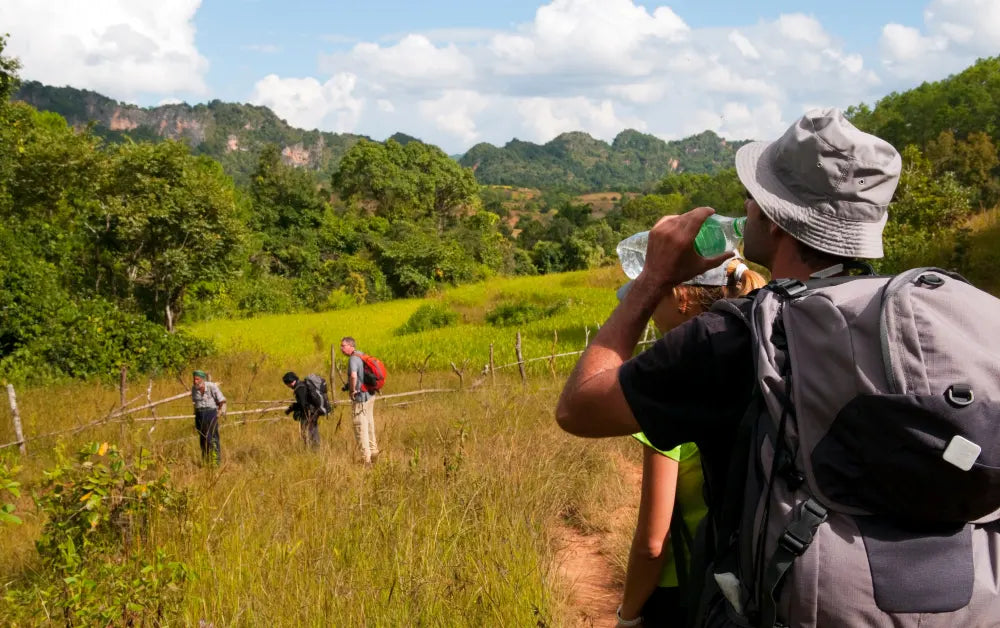
Hydration Tips for Outdoor Adventures
While outdoor adventures offer extraordinary experiences, they can also challenge your body's hydration levels. Simple tips, like knowing how to recognise dehydration, can make a big difference. It's important to stay hydrated when hiking, camping or simply outdoors, both for your performance and your safety. In this guide, you'll discover hydration tips using expert techniques to help you make the most of your outdoor experiences. Whether you're camping, hiking or climbing, mastering these hydration strategies will help you stay fresh and alert throughout your journey. Let's get started. Why is hydration essential for outdoor adventures? Hydration consists of providing your body with enough water to maintain bodily functions, especially during physical activity. Without proper hydration, your body cannot regulate temperature, transport nutrients or eliminate waste effectively, which is vital during outdoor adventures. When hiking, it's important to consider the amount of water needed for food preparation, such as the amount of water needed to rehydrate freeze-dried foods, as this impacts your daily water requirements and overall hydration during your trip. It's essential to understand the impact of water and hydration on your backpacking trip, as well as other essential preparation items. For more information, please see our guide on planning a backpacking trip. Importance of staying hydrated and avoiding dehydration Dehydration occurs when the body loses more water than it takes in, leading to symptoms such as fatigue, dizziness and confusion. Outdoor adventures often involve physical exertion in hot or dry climates, making dehydration easier. It's important to stay hydrated to avoid these negative effects and ensure your body can meet the demands of the adventure. The following checklist is a good starting point for determining your daily water needs during your trip. Water and Hydration Preparation Checklist Determine the duration and intensity of your adventure to estimate your water needs. Check the weather forecast to understand your needs based on the climate. Plan water sources along your route, noting where you can replenish. Pack enough water for drinking and meal preparation. Make sure you have purification tools if you plan to use natural water sources. Test your equipment before you leave to ensure it works correctly. 5 tips for staying hydrated on an outdoor adventure Water is the body's main way to cool down and maintain energy during outdoor activities. It's important to carry enough water, especially when exposed to the elements and engaging in physical activity. 1. How much water to carry based on the duration and intensity of the adventure Daily water needs depend on activity, environmental conditions and health. For outdoor activities like hiking or cycling, it's advisable to drink 0.25 to 0.5 litres of water per hour. This figure may vary depending on the climate and intensity of the activity. In hot weather or during intense exertion, increase your intake. To avoid dehydration, always carry extra water. To find out how much water to carry, follow this guide to stay hydrated. Activity Water needed for a day trip (moderate climate) Hiking 2-3 litres (depending on intensity) Camping 3-4 litres (including for cooking and other needs) Cycling 2 to 3 litres (depending on terrain and speed) Kayaking 2-3 litres (to be adjusted according to duration and conditions) Skydiving 1 to 2 litres (before and after the activity) 2. Hydration based on weather conditions Before an outdoor adventure, always check the weather. The climate influences your water needs: in hot and dry weather, drink more to compensate for perspiration. Cool climates slightly reduce these needs, but don't neglect hydration. Adjust your consumption according to the forecast to avoid dehydration and ensure a pleasant experience. 3. Locating safe water resources and water purification methods In the wilderness, it's important to ensure the safety of the water you drink, as natural sources such as streams, rivers and lakes can be unusual or impure. Avoid drinking stagnant water, as it can harbour dangerous bacteria or parasites. Useful water safety tips include purifying water by methods such as: Boiling, Using purification tablets, Filtering with a portable water filter. 4. Ensuring sufficient water for preparing your meals When planning meals for outdoor adventures, it's important to consider the amount of water needed to prepare each type of food. Freeze-dried meals are an excellent option for saving water, as they generally only require 1 to 2 cups per meal for rehydration, making them light and efficient. Other foods, such as pasta or rice, often require more water to cook. To manage your daily water needs, carefully plan your meals to stay hydrated, for example by knowing how much water is needed to rehydrate freeze-dried foods. To help you plan your outdoor adventures effectively, the following table, taken from SLY Foods meal instructions, illustrates the amount of water needed for each meal. Meal Water needed Equivalent in cups Creamy Garden Soup 400 ml 2 cups Chilli Meal 300 ml 1.5 cups Pad Thai 330 ml 1.5 cups Total 1,030 ml 5 cups (1 litre) GET FREEZE-DRIED FOOD NOW! Discover light, nutritious and delicious freeze-dried options to fuel your journey. Plan your trip with ease 5. Learn to recognise dehydration and how to treat it Dehydration can be serious during outdoor adventures. To know how to recognise dehydration, you need to recognise common signs such as dry mouth, dizziness, muscle cramps and dark-coloured urine. Follow hydration tips such as drinking small amounts of water regularly and taking frequent breaks in the shade. If you start to feel dehydrated, finding shade, resting and drinking water immediately can prevent dehydration during your trip. Hydration equipment for outdoor adventures The right equipment can make a big difference in how easily you stay hydrated during your adventure. Discover the best options for carrying and filtering water on the go. Hydration packs or water bottles: Which is the best solution? Hydration packs are backpacks with an integrated water bladder that allows you to drink hands-free using a tube. They are ideal for hiking or cycling, as they evenly distribute the weight of the water and allow easy access. Water bottles, on the other hand, are simpler and better suited for short trips. The choice between a hydration pack and a water bottle depends on the duration and intensity of your adventure. Portable water filters Portable water filters are lightweight devices that can remove harmful bacteria, parasites and sediment from water in the wilderness. These filters are important for long trips where access to drinking water may be limited. Consider a filter that can treat at least 2 to 3 litres of water at a time, so you have enough water for drinking and cooking. Expert tips to know It's important for your health and performance to stay properly hydrated during long hikes or strenuous outdoor activities. Here are some practical tips to keep in mind: Start hydrating early: Start drinking water before your hike to ensure your body is well-hydrated from the outset. Drink regularly in small sips: Drink small amounts of water frequently instead of waiting until you're thirsty. This helps maintain your water levels throughout your hike. Carry electrolytes: Add electrolyte tablets to your plan to balance your fluid levels and prevent dehydration. This is especially useful when you're sweating a lot. Avoid over-hydration: To avoid over-hydration, balance your water intake with electrolytes and listen to your body's thirst signals. By following these tips, you can ensure your body gets the water and electrolytes it needs to stay energised and safe during outdoor adventures. Avoid dehydration and over-hydration by staying prepared and attentive to your needs. Follow water safety tips to ensure a safe and enjoyable trip. For more information, please see our article on safety tips for outdoor adventures. Frequently Asked Questions How much water should I carry for a multi-day trip?As a general rule, carry 2 to 3 liters per day and supplement this amount by refilling at natural water sources along your route. Can I drink directly from mountain streams? No, untreated water can carry bacteria, parasites, or viruses. Always purify water before drinking it. What is the best way to prevent dehydration during strenuous hiking? Drink water frequently and take breaks in the shade to cool down. Use electrolyte supplements if you are sweating excessively. Conclusion Staying hydrated is important for a safe and enjoyable outdoor adventure. By following these tips, including carrying enough water, knowing how to recognize dehydration, and planning the amount of water needed to rehydrate freeze-dried foods, you will avoid dehydration and stay energized. Remember to purify your water sources and follow safety guidelines to stay safe. Ready for your next adventure? Click below to discover our freeze-dried meals, designed to help you easily manage your hydration needs. get freeze-dried food now! Discover lightweight, nutritious, and delicious freeze-dried options to fuel your journey. Plan your trip with ease
Sylvain Karpinski
•
Feb 5, 2025
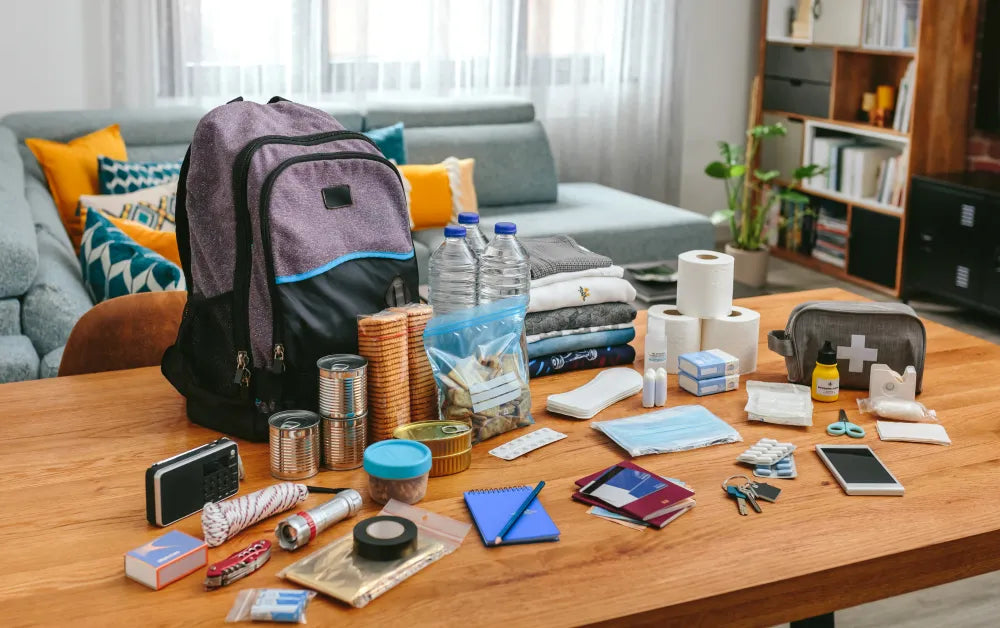
Adventure Meal Planning: Calories, Weight, and More
Are you planning meals for your trip, but don't know where to start? Adventure meal planning is important for staying energized and keeping your pack light. Adventurers need 2,500 to 4,000 calories per day. So it's important to choose light, high-calorie foods, like nuts and freeze-dried meals. But how do you create a camping meal plan that takes into account daily food weight, outdoor meal ideas, and nutritional needs? Learn the basics to be prepared and have fun on your next adventure! Outdoor Adventure Meal Planning Adventure meal planning involves organizing food for outdoor activities, ensuring nutrition, energy, and convenience. It balances nutrition, weight, and practicality for activities like hiking or kayaking. Good planning ensures suitable high-calorie foods, avoiding excess weight or shortage. Read our article on backpacking meals for more information on the types of outdoor adventure meals you can bring. Meal Planning Checklist For meal planning, start by drawing up an organized checklist that includes all your needs and all the steps to take before and during the trip. This step is important for successful adventure meal planning, as it helps you manage food weight per day and ensures you have the right food for outdoor adventures. Assess your trip duration and daily calorie needs. Inquire about trail conditions and water availability. Create a daily meal plan, including breakfast, lunch, dinner, and snacks. Prepare your meals according to the number of calories per day you calculated for your trip. Test your stove and cooking equipment. Pack a variety of high-calorie adventure foods, such as freeze-dried or dehydrated meals, for efficiency. Organize food by day for easy access during the trip. Understanding Your Calorie and Macronutrient Needs Per Activity Calorie and macronutrient needs refer to the daily intake of energy and essential nutrients required based on physical exertion levels. Macronutrients, which include carbohydrates, proteins, and fats, are important for providing energy and supporting bodily functions during your trip. Balancing these nutrients is essential for effective outdoor meal planning and ensuring proper nutrition on backpacking adventures. Carbohydrates: Primary energy source; aim for 30-60g per hour while hiking to improve strength and endurance. Proteins: Essential for muscle repair and recovery; approximately 10-20% of total calorie intake should come from protein (beans, nuts, protein bars, etc.). Fats: Provide sustained energy, with 9 calories per gram. Include healthy fats like nuts, seeds, and nut butter. Different Activities, Different Requirements Different outdoor activities require different levels of energy and nutrition to maintain performance and endurance. Below are the main activities, their nutritional needs, and food suggestions. Activity Calories Burned Per Day Calories Needed Per Day Recommended Foods Backpacking 3,500-5,000 kcal 3,000-5,000 kcal High-calorie hiking foods (nuts, dried fruit, freeze-dried meals) Kayaking 2,500-4,500 kcal 3,000-4,000 kcal Light adventure meals, high-protein snacks, energy bars Camping 1,800-3,000 kcal 2,000-3,000 kcal Balanced meals with protein, carbohydrates, and healthy fats. Climbing 3,000-6,000 kcal 3,500-5,500 kcal Nutrient-rich meals, high-protein foods, quick energy snacks Cycling 2,500-4,500 kcal 3,000-4,500 kcal High-energy density foods, electrolyte-rich snacks, protein bars To effectively plan your adventure meals, be sure to balance high-calorie foods with important nutrients to maintain energy throughout your adventure. Now that you know the basics, let's break down the steps to planning your adventure meals. Step-by-Step Adventure Meal Planning Step 1: Calculate Calorie Needs Calculating calorie needs involves determining the number of calories required daily to maintain energy and prevent fatigue. These needs are influenced by terrain, climate, activity level, body size, pack weight, and trip duration, highlighting the importance of proper adventure meal planning. Difficult terrain or carrying a heavy load increases energy needs, while moderate trails with lighter packs require fewer calories. Cold climates require more food to maintain body heat, and larger or heavier hikers generally need more high-calorie hiking foods; use the hiking calorie calculator to determine your needs. For a kayak trip meal plan or any other adventure meal, use the formula below to calculate your daily calorie needs: Your Basal Metabolic Rate (BMR) and activity level determine your daily calorie needs. Consider adding 10-20% for emergencies or unforeseen exertion. Total Calories Needed = BMR × Activity Factor Example: Hiking over 6 hours a day (activity factor: 1.9) BMR: 1,800 kcal Calories needed: 1,800 × 1.9 = 3,420 kcal/day Kayaking for 4 hours a day (activity factor: 1.6) BMR: 1,800 kcal Calories needed: 1,800 × 1.6 = 2,880 kcal/day Step 2: Select Lightweight Foods Adventure meal planning provides you with the energy you need for hiking by following these key steps: calculating your daily calorie needs, choosing light and nutritious foods, pre-portioning and labeling your meals, and packing efficiently for a balanced weight distribution. Each step helps make your outdoor adventure easier and more enjoyable. Determine the Right Amount of Food to Bring Packing the right amount of food requires considering both adventure nutrition and pack weight. Here's a table showing calorie intake, food weight per day, and lightweight food choices for different types of adventures. The focus is on high-calorie foods for hiking, adventure meal planning, and kayak trip meal plans, while keeping backpack weight reasonable. Adventure Type Calories Needed Per Day Recommended Food Weight Per Day Lightweight Food Choices Day Hike (6+ hours) 2,500 - 3,000 kcal ~1 - 1.5 lbs (0.5 - 0.7 kg) Trail mix, energy bars, nut butter packets, dried fruit, instant oatmeal Day Kayak Trip (6+ hours) 2,500 - 3,200 kcal ~1.2 - 1.8 lbs (0.55 - 0.8 kg) Freeze-dried smoothie packs, protein bars, nuts, whole-grain crackers, powdered hummus Multi-Day Backpacking Trip (Weekend) 3,500 - 5,000 kcal ~1.5 - 2.5 lbs (0.7 - 1.1 kg) Freeze-dried meals like chili, SLY Foods creamy garden soup, high-calorie nut mixes, and plant-based protein powder. Multi-Day Camping (Weekend) 2,500 - 3,500 kcal ~1.8 - 2.5 lbs (0.8 - 1.1 kg) Freeze-dried pasta like Alpine Macaroni, lentil soup mix, nuts and seeds, whole-grain tortillas. This table shows that calorie intake varies from trip to trip, while balancing food weight per day. If your route has a reliable water source, your pack will be lighter than if you have to carry water to prepare your meals. For each of the examples above, consider adding 1 liter of water per day for cooking and hydration. Adventure meal planning ensures good nutrition without excessive weight, making adventure meal planning easier and more effective. Check out our article on hydration tips to learn how to factor water into your plan. Step 3: Pre-portion and Label Meals For adventure meal planning and proper adventure nutrition, measure and pack each meal into resealable bags to save space and reduce waste. Label each bag by day and meal (e.g., "Day 1 Breakfast") for easy organization and quick access during your trip. This approach is particularly useful for long-duration adventures, such as in a kayak trip meal plan, as it simplifies adventure meal planning and keeps you prepared and hassle-free on the trail. Step 4: Pack Efficiently Distribute weight evenly by placing heavier items close to your back. Keep frequently used snacks within easy reach. Bottom of the pack: Place heavier items, such as freeze-dried meals and water filtration equipment, at the bottom of the pack. Centered and close to your back: Store medium-weight items like breakfast, lunch, and dinner in the main compartment to maintain balance. Top of the pack: Keep snacks and lighter items like energy gels or fruit and vegetable mixes here for easy access. Side pockets: Use these for water bottles, nut butter sachets, or fruit and vegetable mixes for quick grabs on the go. Utensils and cooking equipment: Keep these in a separate, accessible pouch, close to your food. We will apply these steps to a real plan in the next section, which includes practical examples based on the length of the adventure. Do you need freeze-dried foods? Discover lightweight, nutritious, and delicious freeze-dried options to fuel your journey. Plan your trip with ease Daily Meal Idea Breakdown Adventure meal planning is important for a successful trip, ensuring balanced nutrition for hiking and proper hydration, while also addressing food storage safety. Breakfast and Morning Snack Ideas Breakfast is your first opportunity to refuel. Here are three simple, lightweight options: Instant Oatmeal with Dried Fruit and Nuts is an easy-to-prepare meal that provides approximately 350 kcal and weighs about 80g. It is ideal for hiking, camping, and kayaking trips, offering a warm and nutritious start to the day. Granola with Powdered Milk is an energetic and lightweight option of around 450 kcal for a weight of 100g. It’s perfect for multi-day hiking and kayaking excursions, ensuring sustained energy with minimal preparation. Dehydrated or Freeze-dried Fruits make a quick, energetic snack of about 150 kcal for a weight of 40g. They are suitable for hiking, backpacking, and kayaking, as they provide natural sugars and nutrients in a lightweight form. Lunch and Afternoon Snacks Lunch should be quick and easy, giving you energy without requiring a long break. Try these ideas: Tortilla Wraps (~500 - 600 kcal, ~120g): Ideal for hiking and multi-day kayaking trips, these tortillas filled with peanut butter, hummus powder, or vegan cheese blocks provide a non-perishable, calorie-dense meal that’s easy to pack and prepare. High in fats and protein, they offer sustained energy, making them an excellent choice for long outdoor adventures. Trail Mix (~300-400 kcal per serving, ~100g): Perfect for day hikes and shorter kayaking trips, this blend of nuts, seeds, dried fruits, and chocolate chips provides quick energy and variety. It’s a convenient and lightweight snack, easy to consume on the go. Energy Bars (~200-300 kcal per bar, ~50g): Suitable for hiking, backpacking, kayaking, and camping, these compact and lightweight bars pack carbohydrates, protein, and fats. They are great for quick refueling on the move, making them an ideal addition to any adventure meal plan. Dinner Suggestions After a long day, a warm and satisfying meal is essential. Here are three excellent options, which provide a clear breakdown of each meal option, making it easier to choose based on adventure type and energy needs. Freeze-Dried Meals (~700-900 kcal, ~100-150g): Perfect for multi-day kayaking trips, these lightweight, calorie-dense meals provide essential nutrients with minimal preparation. Bolognese Pasta features crushed tomatoes, penne pasta (wheat), canola oil, soy protein, soy sauce, carrots, onions, brown sugar, nutritional yeast, fresh garlic, spices, and herbs. Just add 250ml of hot water, stir, and wait 5–10 minutes for a warm, satisfying meal. Instant Mashed Potatoes (~600-700 kcal, ~120-150g): Ideal for a short hike, this meal is quick to prepare and provides sustained energy. It includes instant mashed potatoes, vegetable protein powder, olive oil packets, dehydrated mushrooms/vegetables, nutritional yeast, salt, pepper, and garlic powder. To prepare, add 250ml of boiling water, stir well, and let it sit for a few minutes for a creamy, nutrient-rich dish. Instant Rice with Dehydrated Vegetables (~500-650 kcal, ~120-180g): This easy-to-prepare and well-balanced meal is an excellent option for a camping dinner. It consists of instant rice, dehydrated vegetables, seasonings (salt, pepper, spices), and optional freeze-dried tofu for added protein. To prepare, add hot water, cover, and allow it to absorb for 10 minutes for a warm, fulfilling meal in the outdoors. Visit the SLY Foods online store for more freeze-dried meal options suitable for different types of adventures. Practical Examples Based on Adventure Duration Outdoor adventure meal planning varies significantly based on trip duration and group size. Whether it’s a weekend hike or a week-long expedition, careful planning ensures sufficient nutrition for hiking without excess weight. Similarly, hiking meal planning for solo travelers differs from group adventures, impacting portion sizes, cooking methods, and food weight distribution. Weekend Backpacking Trip vs. Week-Long Expedition When planning meals, trip duration plays a significant role in determining caloric needs and food choices. Shorter trips allow for more fresh and convenient options, while longer expeditions require careful hiking meal planning to balance nutrition. The table below outlines caloric needs and appropriate food suggestions for different trip durations, helping you choose the best adventure meals for sustained energy and efficiency. Trip Type Calories Needed Per Day Food Suggestions Weekend Backpacking Trip (2-3 days) 2,500-3,500 kcal Freeze-dried meals, energy bars, nuts, instant oatmeal, and fresh produce for the first day. Lightweight, calorie-dense options with minimal prep. Week-Long Expedition (5-7 days) 3,000-5,000 kcal Dehydrated meals, vegetable protein powder, nut butters, high-calorie snacks, and compact, easy-to-carry foods. Kayaking trips require waterproof storage, while hikers focus on reducing food weight per day. Check out our blog post about types of backpacking food for different possible types of food. Solo Travelers vs. Group Adventures When planning meals for outdoor adventures, solo travelers and groups have different considerations regarding food weight, preparation, and efficiency. Solo travelers need carefully portioned meals to avoid waste and minimize cooking time, while groups can benefit from shared cooking resources and bulk meal options. Trip Type Calories Needed Per Day Food Suggestions Solo Travelers ~2,500-3,500 kcal Individual freeze-dried meals, nut-based snacks, instant soups, energy bars Group Adventures ~2,500-4,000 kcal per person Bulk freeze-dried meals, shared cooking oils, grains, lentils, pasta, large portions of nuts and dried fruit Nutrition, Practicality, and Logistics of Freeze-Dried Meals Freeze-dried meals are a crucial component of adventure meal planning, offering a balance of nutrition, convenience, and lightweight design. Whether you’re preparing backpacking meals, planning kayaking meals, or multi-day camping, these meals ensure a calorie-rich diet without unnecessary backpack weight. Nutritional Benefits Freeze-dried meals have many advantages, they are an excellent choice for adventure meal prep, as they retain up to 97% of their original nutrients while being significantly lighter than fresh food. Compared to other options, fresh food has high nutritional value but spoils quickly and adds unnecessary weight. Dehydrated meals are lighter than fresh options but lose more nutrients during processing. In contrast, freeze-dried meals offer the best balance of nutrition, caloric density, and minimal weight, making them ideal for outdoor adventures. 3 Reasons Why Freeze-Dried Meals Are Ideal for Outdoor Adventures Lightweight and Compact – Important for adventure food weight per day considerations, freeze-dried meals reduce bulk while maintaining caloric density. High Caloric Density with Essential Macros – These meals provide a balanced mix of carbohydrates, proteins, and fats, essential for hiking nutrition and other demanding activities. Long Shelf Life and Easy Preparation – Unlike fresh food, freeze-dried meals last for years, making them perfect for long-duration expeditions and emergency meal prep. Their preparation only requires hot water, saving fuel and time outdoors. Frequently Asked Questions How do I create a 7-day meal plan that balances weight and caloric needs for hiking trips? To create a 7-day meal plan, list calorie-dense foods like nut butter, oats, and quinoa. Prioritize compact options that offer good nutritional value. Aim for a mix of carbohydrates, proteins, and fats to sustain energy levels. Can you suggest a template or system for organizing adventure meals? A simple system is to categorize meals by type: breakfast, lunch, dinner, and snacks. Use a spreadsheet to outline each meal with corresponding caloric information. Organizing food by weight and meal categories helps you pack efficiently. Where can I find free resources or templates for adventure meal planning? Free resources for meal planning can be found in outdoor magazines, blogs, and hiking websites. Many provide downloadable templates that can assist you in planning your meals effectively. Use these to customize your meals to your preferences and dietary needs. What items should I include in a comprehensive checklist for hiking meal preparation? Your hiking meal preparation checklist should include lightweight cooking gear, food storage bags, a portable stove, and utensils. Don’t forget to pack a small salt and spice kit to flavor your food. With these items, you're sure to be prepared for your trailside meals. Conclusion Mastering outdoor adventure meal planning is key to a successful journey. By understanding your caloric needs, choosing lightweight and calorie-dense foods, and carefully planning your meals, you’ll stay energized and ready for anything. Remember to consider your water source and pack a stove if you need warm meals. Ready to fuel your next adventure? Click below to check out SlyFood’s selection of vegan freeze-dried meals, perfect for your adventure meal planning needs! DO YOU NEED FREEZE-DRIED FOOD? Discover lightweight, nutritious, and delicious freeze-dried options to fuel your journey. Plan your trip with ease
Sylvain Karpinski
•
Jan 29, 2025

Dehydrated meals: adventurers' best friend
Struggling to figure out what to eat on your next outdoor adventure? Outdoor adventures are thrilling, but meal planning can feel overwhelming. A dehydrated meal is a great solution. Lightweight, durable, and easy to prepare, it simplifies your trip and keeps you energized. But is a dehydrated meal enough for a backpacking trip? Is it suitable for hiking? And what is the best dehydrated meal for camping? Let's explore the solutions and simplify meal planning! What Is a Dehydrated Meal? A dehydrated meal is food from which moisture has been removed to extend its shelf life, reduce weight, and maintain nutritional value. Due to its convenience and ease of preparation, this meal is ideal for outdoor adventures. The dehydrated meal simplifies meal planning, whether for a short hike or a multi-day camping trip. If you're curious about other food options for your excursions, check out our article on types of backpacking foods to find more meal ideas. Dehydrated Meal: An Overview A dehydrated meal is created by removing moisture through heat, which extends its shelf life while preserving important nutrients. This process results in a lightweight, compact meal that is easy to transport and store, making it ideal for outdoor adventures such as camping and hiking, or even for emergency preparedness. Common options include complete dishes such as pasta or soups, offering convenience and practicality for those seeking a nutritious and easy-to-prepare dehydrated meal on the go. Advantages of a Dehydrated Meal Dehydrated meals are ideal for outdoor adventures, as they are convenient, nutritious, and lightweight for hikes or multi-day trips. Here are some benefits of dehydrated foods. Lightweight and compact: A dehydrated meal is much lighter than fresh or canned foods, making it easy to carry in a backpack. Long shelf life: Dehydrated meals can be stored for months, or even years, without refrigeration, which is ideal for long trips or emergencies. Customizable options: Mix dehydrated fruits and vegetables or complete meals according to your tastes and dietary needs. Ease of preparation: Most dehydrated camping meals only require the addition of water, saving time and effort. Nutritional retention: The dehydration process retains essential vitamins and minerals, keeping you energized during your adventure. By including a dehydrated meal in your outdoor adventures, you can enjoy a tasty and satisfying dish while keeping your load light. Types of Dehydrated Foods When choosing a dehydrated meal for camping, it's important to understand the difference between commercial and homemade options. You should also explore the variety available to find a meal that suits your tastes and dietary needs. Here's a closer look at each option: Type of Dehydrated Meal Homemade Meals Market-bought Meals Customization Full control over ingredients, flavors, and portion sizes. Limited customization, but offers a variety of ready-made vegan options. Convenience Preparation takes time and requires a food dehydrator. Quick and easy; just add water to enjoy. Cost More economical in the long run, especially for frequent trips. Generally more expensive, but saves time and effort. Shelf life Shorter shelf life depending on ingredients and storage. Long shelf life, ideal for emergencies or long-term storage. Dietary control Allows for strict dietary preferences (vegan, gluten-free, low sodium). Vegan options are available, but ingredient control depends on the brand. Variety Limited by your creativity and resources. Offers a wide range of cuisines and flavors for dehydrated camping meals. Which option to choose? The best choice depends on your specific needs: For short trips or last-minute preparations: Ready-to-eat commercial dehydrated meals for camping are ideal. For dietary restrictions or budget-conscious adventurers: Homemade dehydrated meals allow for control and cost reduction. For long backpacking trips or emergency storage: Ready-to-eat dehydrated meals with a long shelf life are a practical solution. Regardless of the option chosen, mixing a dehydrated meal with other types of foods like freeze-dried foods and canned foods can enhance your outdoor experience. Characteristics of Dehydrated Foods Dehydrated foods are characterized by unique qualities that make them a staple for outdoor adventures and emergency preparedness. Here are their main characteristics: Preservation of nutritional value: The dehydration process preserves important nutrients such as vitamins and minerals, ensuring that meals remain healthy and nutritious. Extended shelf life: A dehydrated meal can last from several months to several years if stored properly in an airtight container, making it reliable for long-term use. Lightweight and portable: A dehydrated meal, stripped of its moisture, becomes lighter, making it easy to pack and transport for travel. Compact storage: Dehydrated foods take up less space than their fresh counterparts, allowing for efficient storage in backpacks or pantries. Customizable flavors: From fruits to full meals, the dehydration process preserves the natural flavors of ingredients, which can be enhanced with seasonings or combined with other foods. Ease of rehydration: Most dehydrated foods rehydrate quickly with hot or cold water, depending on the type, making preparation easy, even in remote locations. Environmentally friendly: Dehydration reduces food waste by extending the shelf life of ingredients and leftovers, promoting sustainable eating. Dehydrated Meal vs. Canned Food vs. Freeze-Dried Food The three most common food preservation methods—canning, dehydrating, and freeze-drying—each have their advantages and limitations. The table below highlights their main differences to help you make informed choices based on your needs: Feature Canned Food Dehydrated Meal Freeze-Dried Meal Shelf Life 1 to 5 years (depending on storage) 6 months to 2 years (with proper storage) 10-25 years (under optimal conditions) Weight Heavy due to liquid content Lightweight; ideal for portability Extremely lightweight, ideal for long trips Preparation Ready to eat; no preparation needed Rehydration necessary, often with hot water Rehydrates quickly with minimal water Nutritional Value Retains most nutrients Loss due to heat treatment Retains most nutrients Texture Soft; can be mushy Slightly chewy Retains original texture after rehydration Cost Affordable Moderate More expensive Storage Requirements Room temperature but takes up space Compact, requires airtight containers Compact, requires sealed packaging Flavor Tends to be processed or salty Natural flavor with optional seasoning Perfectly preserves natural flavors Best Use Home storage or short-term emergencies Outdoor adventures, hiking, or camping Long-term storage or extreme adventures Summary: Choose canned foods for short-term needs and convenience. Opt for a dehydrated meal when you need a lightweight and portable option that balances cost and nutrition. Choose freeze-dried foods when shelf life, lightness, and nutritional quality are top priorities. Need freeze-dried food? Simplify your outdoor meal planning with our delicious, lightweight vegan freeze-dried meals. Click the "Shop Now" button to discover and order today! 7 Steps to Rehydrate a Dehydrated Meal Rehydrating a dehydrated meal is a simple and essential process that allows you to enjoy a warm and satisfying meal during your outdoor adventures. Follow these steps for optimal results: Prepare your cooking equipment: Bring a compact stove, a lightweight pot, and enough water for your meal. Most dehydrated meals require about 1 to 2 cups of water. Boil the water: Heat the necessary amount of water until it boils. This helps rehydrate the meal quickly and ensures food safety. Add water to your meal: Pour the boiling water into the dehydrated meal pouch or a separate container. Stir the contents to ensure even hydration. Seal and wait: Seal the pouch or cover the container to retain heat. Let the meal sit for the recommended time, usually 10 to 15 minutes. Check for Complete Rehydration: Stir again and check the texture. If any parts of the meal are still hard or dry, add a little more water and let it sit for a few more minutes. Enhance Flavor (Optional): Once rehydrated, you can add spices, herbs, or other flavorings like hot sauce or powdered coconut milk to boost the taste. Enjoy Your Meal: Once the food is fully rehydrated and flavored to your liking, dig in and savor the sustenance for your adventure. Dehydrated Meal Planning for Outdoor Adventures Careful meal planning is essential for an outdoor adventure to maintain energy without overburdening your backpack. By combining dehydrated meals with other lightweight options, like freeze-dried foods, you can ensure a varied and satisfying menu. Here’s how to structure your meals for each part of the day. Breakfast: Dehydrated oatmeal topped with freeze-dried fruits like strawberries or blueberries. Lunch: Dehydrated kale chips with SlyFood's freeze-dried "Creamy Garden Soup." Dinner: Dehydrated vegetables like zucchini and bell peppers paired with SlyFood's freeze-dried "Pasta Bolognese" for a hearty and flavorful meal. Snacks: Dehydrated fruit slices (e.g., apples or bananas), freeze-dried vegetable crisps, dehydrated nuts, or protein bars for quick energy boosts. With this meal plan, you can ensure you have enough variety and nutrition to sustain your energy during your outdoor adventure while keeping your pack light and manageable. You can refer to this article on how to make homemade dehydrated meals for backpacking. Frequently Asked Questions What is the difference between dehydrated and freeze-dried meals? Dehydrated meals use heat to remove moisture, while freeze-dried meals use freezing and a vacuum. Freeze-dried meals retain their texture better. What are the best ingredients to use for making dehydrated camping meals? For dehydrated camping meals, you should choose lightweight and nutrient-dense ingredients. Dehydrated vegetables, fruits, grains, and proteins like meat or legumes are excellent choices. Options like quinoa, brown rice, and sweet potatoes provide good calories and can be easily rehydrated. How can I ensure my dehydrated meals remain nutritious? To ensure your dehydrated meals are nutritious, prioritize whole foods. Use fresh ingredients and avoid heavily processed items. Including a variety of food groups will help maintain a balanced diet, ensuring you receive essential vitamins and minerals, even when on the trail. What are the recommended storage practices for homemade dehydrated food to maximize shelf life? Store your dehydrated foods in airtight containers or vacuum-sealed bags. Keeping them in a cool, dark, and dry place can significantly extend their shelf life. Additionally, using oxygen absorbers can help prevent spoilage and maintain freshness over time. Can dehydrated hiker meals be tailored to dietary restrictions, and how? Yes, you can easily tailor dehydrated hiker meals to dietary restrictions. By selecting appropriate ingredients, such as gluten-free grains or plant-based proteins, you can create meals suitable for various diets. Be sure to read ingredient labels and consider cross-contamination during preparation. Conclusion Dehydrated meals are an ideal solution for outdoor adventures, offering lightweight, easy-to-prepare, and nutritious options that simplify meal planning. They are perfect for camping, hiking, or backpacking, providing the energy you need without adding extra weight to your pack. By combining dehydrated foods with freeze-dried options, you can enjoy enhanced flavors, varied textures, and a more satisfying culinary experience on the trail. Ready to plan your adventure menu? Explore our selection of vegan freeze-dried meals and create the ultimate outdoor dining experience today! Need Freeze-Dried Food? Simplify your outdoor meal planning with our delicious, lightweight vegan freeze-dried meals. Click the "Shop Now" button to explore and order today!
Sylvain Karpinski
•
Jan 22, 2025
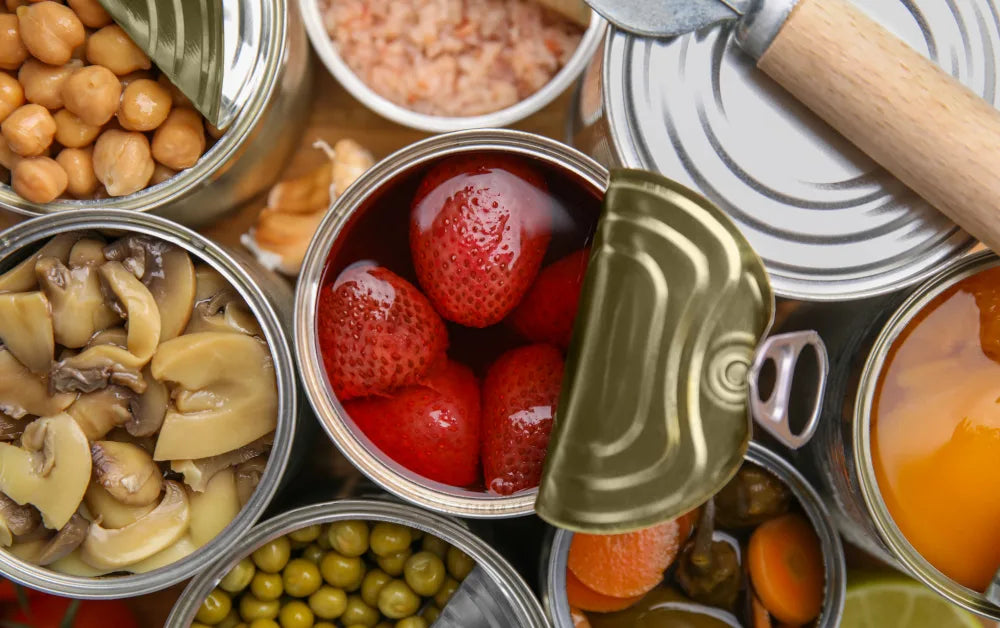
Canned Foods: Are They Ideal for Adventures?
Have you ever struggled to prepare light yet satisfying meals? Are you planning an outdoor adventure and unsure of the best food for your trip? Canned foods are one of the best choices. They are economical, rich in nutrients, and perfect for energizing you during your travels. Their long shelf life and versatility make them an ideal option for hikers, campers, and trekkers. In this guide, we will introduce you to the benefits of canned foods and provide practical tips for planning your outdoor adventure meals. What is canned food? Canned foods are foods that have been sterilized and sealed in airtight containers, such as metal cans or glass jars, to preserve their freshness, flavor, and nutritional value for long periods without the need for refrigeration. This preservation process prevents spoilage by eliminating harmful microorganisms, making canned foods a reliable and durable option for long-term storage. A list of canned foods is full of different options for outdoor adventures, but it works even better when combined with other types of backpacking foods, such as freeze-dried and dehydrated options. Check out our guide on types of backpacking foods to create the perfect meal plan for your next outdoor activity. Canned Foods: An Overview Canned foods are a reliable staple for outdoor enthusiasts. They are known for their convenience, long shelf life, and ability to retain nutrients. Perfect for camping, hiking, or backpacking, they offer a practical solution to meal planning, with a wide range of options to suit any adventure. Benefits of Canned Foods Sterilized canned foods offer numerous benefits, making them a practical and flexible choice for various situations, including outdoor adventures and daily use: Long shelf life: Their ability to stay fresh for years without refrigeration ensures reliable meal options for extended trips or emergencies. Ease of use: Ready to eat or requiring minimal preparation, canned foods save time and effort in meal preparation. Durability: Designed to withstand rough handling, canned options are perfect for outdoor activities such as camping or hiking. Budget-friendly: They are an affordable choice, offering nutritious and satisfying options without breaking the bank. Eco-friendly waste management: Controlled portions reduce food waste, and recyclable packaging minimizes environmental impact. By leveraging these benefits, canned foods are practical, economical, and reliable, meeting diverse needs. 5 Characteristics of Canned Foods Canned foods are a flexible and reliable option, valued for their unique qualities that make them ideal for various scenarios, from daily meals to outdoor adventures. Here are their main characteristics: Nutritional value and retention: They retain much of their nutrients during the canning process. Important vitamins, minerals, and macronutrients are preserved, ensuring you receive the nutrients you need. Extended shelf life: One of its main features is its long shelf life. Sealed in airtight containers and sterilized, they remain fresh and safe for years, making them ideal for storage, emergency preparedness, and extended travel. Convenience: Ready to eat or requiring minimal preparation, canned foods are incredibly convenient. Their sturdy packaging also makes them portable and damage-resistant, perfect for camping, hiking, or nomadic lifestyles. Food safety: The canning process eliminates harmful bacteria and seals food in a sterile environment, ensuring safety without requiring refrigeration. Wide variety: They come in a multitude of options, from vegetables and fruits to soups, beans, and complete meals, to meet diverse tastes and dietary needs. These characteristics make canned meals a practical and reliable choice, especially when paired with lightweight options like freeze-dried foods. Using Canned Foods on Outdoor Adventures When camping or hiking, it's important to pack different types of food to meet your nutritional needs while ensuring meals are practical and enjoyable. Your choices will depend on your budget, taste preferences, and ingredient availability. Including a mix of options from a well-balanced canned food list, as well as freeze-dried and dehydrated foods, ensures balanced, light, and easy-to-prepare meals. This combination not only provides varied textures and flavors but also covers important nutrients to maintain energy during your adventure. Here are some simple meal ideas to inspire your outdoor meals: Breakfast: Canned fruit with oatmeal or granola Lunch: Canned chickpeas with Slyfood's freeze-dried Pad Thai Dinner: Canned chili with Slyfood's freeze-dried Alpine Macaroni meal Snack: Canned beans with tortillas or dehydrated fruit for a quick snack. By combining canned, freeze-dried, and dehydrated foods, you can create a well-balanced meal plan that is light, convenient, and packed with nutrients to fuel your outdoor adventure. Check out our article on backpacking meals for more ideas on planning your outdoor adventure meals. Try our vegan freeze-dried meals Don't let meal planning stress you out! Explore premium vegan freeze-dried options to complement your canned food and make your adventure a breeze. Understanding BPA in Canned Goods Bisphenol A (BPA) is a chemical commonly used in the interior lining of sterilized cans to prevent corrosion and preserve food quality. While BPA helps protect food from contamination, concerns have been raised about its potential health effects when it leaches into food. Studies suggest that prolonged exposure to BPA may disrupt hormonal balance and lead to health risks. To address these concerns, many manufacturers have opted for BPA-free alternatives, offering safer options without compromising food safety or shelf life. When choosing canned foods, look for labels indicating "BPA-free" to make informed and health-conscious decisions. In this article, you will learn if canned foods are now BPA-free. Canned, Dehydrated, or Freeze-Dried Foods When planning meals for outdoor adventures or long-term storage, it's important to understand the differences between canned, dehydrated, and freeze-dried foods. The table below provides a clear comparison to help you decide which option best suits your needs. Generally affordable Canned Foods Dehydrated Foods Freeze-Dried Meals Shelf life Long (2-5 years) Moderate (1-2 years, depending on storage) Very long (up to 25 years with proper storage) Weight Heavy, due to water content and sturdy packaging Light; water removed Extremely light; up to 98% of water removed Nutritional retention Good, although some nutrients may be lost during canning Moderate; heat can destroy some vitamins Excellent; retains up to 97% of nutrients Convenience Ready to eat or minimal preparation required Requires rehydration before use Requires rehydration but is often faster to prepare Taste and texture Softened texture; flavors are well preserved Chewy or slightly altered texture Retains original texture and taste upon rehydration Packaging durability Very durable, suitable for travel Must be handled carefully to avoid tearing Generally durable but more susceptible to punctures Cost Affordable and widely available Generally affordable More expensive due to advanced processing techniques Best use Short trips, camping, or emergency situations Budget-friendly meal and snack planning Long-term storage, lightweight travel, or premium meals Each type of food has its own usefulness in meal planning. Canned goods are perfect for ready-to-eat meals with a long shelf life, but they can be bulky. Dehydrated meals are light and affordable but require more preparation. Freeze-dried foods retain nutrients and taste while being lightweight, making them ideal for long hikes or emergencies. Why Are Canned Foods Ideal for Outdoor Adventures? Canned foods are perfect for outdoor adventures because they are non-perishable, durable, and incredibly easy to store. Whether you're going for a short weekend camping trip or a long hike, canned meals are convenient, require little preparation, and can withstand harsh outdoor conditions. They keep you well-nourished without the need for refrigeration or elaborate cooking facilities. In fact, survival canned goods are often designed to last even longer, providing greater peace of mind for extended trips.7 Tips for Packing Canned Food for an Outdoor Adventure Packing canned food for outdoor adventures requires careful planning to optimize space, minimize weight, and ensure easy access to your meals on the go. Whether you're using items from your canned food list or combining them with other lightweight options, a strategic approach can make all the difference. Here are some practical tips to help you plan your meals efficiently and stress-free: Keep canned goods cool and safe: While canned goods do not require refrigeration, it is important to store them in a cool, dry place to prevent can degradation. Choose lightweight options: Opt for smaller, lighter containers to reduce the load in your backpack. Choose individual portions to avoid carrying extra weight or leftovers. Repack into resealable bags: Transfer heavy canned foods into lightweight, resealable bags or containers to save space and reduce bulk. Organize meals for easy access: Pack your meals in the order you plan to eat them. Place snacks and frequently used items at the top or in pockets for quick access. Use a stuff sack or dry bag: Store all your food in a single stuff sack or dry bag to keep it organized and protected from moisture. Balance weight distribution: Place heavier items closer to your back and lower in your backpack to maintain balance. Distribute smaller, lighter items to prevent them from shifting while hiking. Plan for waste management: Bring a small, resealable bag for disposing of empty containers and food waste. This keeps your campsite clean and adheres to "Leave No Trace" principles. Frequently Asked Questions What are essential canned foods for outdoor adventures? Essential canned goods include beans, chickpeas, lentils, soups, and vegetables. These items are nutritious, convenient, and versatile. Can canned foods be combined with freeze-dried meals? Yes, combining canned foods with freeze-dried meals provides balanced nutrition and convenience. For example, add canned beans to freeze-dried rice for a hearty dish. Are canned meals safe for long outdoor trips? Canned meals are highly durable and have a long shelf life, making them ideal for extended trips. Always check expiration dates before packing. What is the best way to store canned meals during outdoor adventures? Store canned meals in a cool, dry place, such as an insulated cooler. Avoid dented or damaged cans to ensure food safety. What are examples of survival canned foods? Survival canned foods include options designed for long-term storage, such as freeze-dried meals, canned beans, and meat products that are high in protein and calories. These are perfect for emergency situations or prolonged outdoor trips. Conclusion Canned foods are a reliable and practical choice for outdoor meal preparation, providing important nutrients and long shelf life. By combining examples of canned food with freeze-dried and dehydrated options, you can create a lightweight, balanced, and versatile meal plan designed for any adventure, whether it's a hike or a camping trip. Ready to enjoy your outdoor dining experience? Discover SlyFood's premium freeze-dried vegan meals to complement your canned food and make every meal satisfying and hassle-free! Try Our Vegan Freeze-Dried Meals Don't let meal planning stress you out! Explore premium freeze-dried vegan options to complement your canned food and make your adventure a breeze.
Sylvain Karpinski
•
Jan 8, 2025

Why freeze-dried meals for backpacking?
Outdoor adventures are exciting, but meal planning can be a challenge. Freeze-dried backpacking meals change the game—they're lightweight, easy to pack, and packed with nutrients to keep you fueled. Whether you're on a day hike or camping for a week, these meals are designed for convenience and flexibility. So, what are the best freeze-dried foods, how do you prepare them, and why are freeze-dried backpacking meals ideal for short trips and extended adventures? Discover everything you need to prepare the perfect meals for your outdoor adventure. What are Freeze-Dried Backpacking Meals? Freeze-dried backpacking meals include food and snacks that have had their moisture removed while retaining their nutrients and flavor. The process involves freezing food and using a vacuum to extract water, making them lightweight and durable. From hearty meals to freeze-dried fruits, vegetables, and candies, these options are perfect for outdoor adventures. Freeze-dried foods are often considered the best choice for outdoor adventures due to their convenience and versatility. For more information on types of food for outdoor adventures, check out our blog post on types of backpacking food. Advantages of Freeze-Dried Backpacking Meals Freeze-dried foods offer unparalleled convenience and flexibility. Their lightness reduces the weight of your pack, allowing you to carry more essential items. Lightweight and compact: Reduces your pack weight, allowing you to carry more essentials. Long shelf life: Can be stored for months or even years, making it ideal for spontaneous trips. Nutrient-rich and flavorful: Retains the nutritional value and taste of fresh ingredients, keeping you energized and satisfied during your adventure. Convenient: Easy to prepare, often only requiring the addition of water. Want to learn more? Check out our article on the benefits of freeze-dried foods. How to Choose Freeze-Dried Backpacking Meals When choosing freeze-dried backpacking meals, prioritize those that are lightweight, nutritious, and suited to your dietary preferences. Here’s how to select the best freeze-dried foods for main meals, side dishes, snacks, and energy boosters: Main Meals: Hearty and Satisfying Options Main courses should provide a balanced mix of calories, protein, and flavor for sustained energy. Vegan options like freeze-dried Lentil Dahl, vegetable stew, or Bolognese pasta are ideal for outdoor adventures. The energy-to-weight ratio is crucial when choosing food for backpacking. Freeze-dried meals provide a high calorie count in a lightweight format. Meals can average between 500-900 calories each, making them ideal for long hikes. Need freeze-dried food for your adventure? Discover lightweight, nutritious, and delicious freeze-dried options to fuel your journey. Plan your trip with ease. Side Dishes: Lightweight Nutrition Side dishes enhance your meals by adding variety and extra nutrients. Freeze-dried vegetables, peas, spinach, or peppers can be rehydrated and paired with your main courses. These lightweight veggies are perfect for boosting your vitamin and mineral intake while keeping your pack light. Try mixing freeze-dried vegetables with quinoa or instant rice for a healthy and easy-to-prepare side. Snacks: Quick Energy on the Trail Snacks provide energy between meals, and freeze-dried fruits are an excellent choice for quick, nutritious bites. Freeze-dried mangoes, apples, or strawberries are lightweight, naturally sweet, and packed with vitamins. They’re perfect for snacking on the go or adding to oatmeal for a quick breakfast. Pair freeze-dried fruits with nuts or granola for a trail mix that’s both satisfying and easy to carry. Energy Boosters: Sweet and Functional Treats Energy boosters, like freeze-dried candies, provide a quick sugar rush when you need it most. Look for vegan options, such as freeze-dried marshmallows or fruit-based candies, which are perfect for tough stretches of your hike. These treats are lightweight, mess-free, and add a fun element to your outdoor meals. Pack a mix of freeze-dried candies and fruits to satisfy both your sweet cravings and nutritional needs. For more information, check out this article on the health benefits of freeze-dried candy. Freeze-Dried Food Recipes With freeze-dried food recipes, meal planning for outdoor adventures becomes easy and fun. They’re lightweight, quick to prepare, and perfect for hiking. Below is a table with easy meal ideas tailored for your outdoor needs: Meal Type Recipe Name Ingredients Preparation Breakfast Energy Bowl Freeze-dried fruits (strawberries, bananas), instant oatmeal, nuts or seeds. Add hot water to oatmeal and freeze-dried fruits, mix, and top with nuts or seeds for extra energy. Lunch/Dinner(SLYFOOD) Alpine Macaroni Macaroni pasta (wheat), Onions, Canola oil, Smoked soy protein, Wheat flour, Garlic, White wine, Cornstarch, Nutritional yeast, Sea salt, Natural flavors, Spices, Herbs. 1. Open the packaging at the first notch and remove the oxygen absorber.2. Add 250 ml of boiling water to the pouch and mix well.3. Close the pouch and let it rest for 10 minutes.4. Tear the pouch at the second notch. Mix well and enjoy! Dinner(SLYFOOD) Pad Thai Rice vermicelli, Red peppers, Soy protein, Canola oil, Green onions, Peanuts, Brown sugar, Soy sauce, Bean sprouts, Rice vinegar, Garlic, Lime juice, Mushrooms, Seaweed, Spices, Herbs. 1. Open the packaging at the first notch and remove the oxygen absorber.2. Add 220 ml of boiling water to the pouch and mix well.3. Close the pouch and let it rest for 10 minutes.4. Tear the pouch at the second notch. Mix well and enjoy! Snack/Dessert Sweet Treats Freeze-dried candies, berries, granola Rehydrate berries, mix with granola, and crumble freeze-dried candies on top for a lightweight dessert. With these easy recipes, you'll be able to enjoy delicious and nutritious meals on your outdoor adventures. Packing and Organizing Meals Efficient packing ensures your meals stay organized, accessible, and protected during your trip. Here’s how to pack and organize freeze-dried backpacking meals in 6 steps: Side Pockets: Use these for quick-access items like freeze-dried fruits and candies. These lightweight snacks are perfect for mid-hike energy boosts. Main Compartment: Store your main meals (like freeze-dried pasta, curries, or stews) here. Group them by meal type (breakfast, lunch, dinner) in resealable or labeled bags. Top Pouch: Place small, frequently used items, such as freeze-dried vegetables or spices, to quickly enhance your meals. Waterproof Bags: Use waterproof or airtight containers for all food items to protect them from rain, splashes, or moisture. Group by Use: Keep snacks together, meals together, and side dishes with versatile additions like freeze-dried peas or spinach. This setup makes for stress-free cooking and snacking. Balance Weight: Distribute heavier food items closer to the center of your pack to maintain balance while hiking. This system will save you time, space, and energy while keeping all your freeze-dried backpacking meals easily accessible and safe throughout your adventure. Freeze-Dried Foods Vs. Other Options When planning meals for outdoor adventures, choosing the right type of food is important for convenience, nutrition, and weight management. Here’s how freeze-dried backpacking meals compare to canned and dehydrated options, especially for vegan hikers. Feature Canned Foods Dehydrated Foods Freeze-Dried Meals Weight & Portability Heavy and bulky, not ideal for hiking. Retains nearly all nutrients and flavor, offering various vegan options such as freeze-dried fruits. Extremely lightweight, perfect for long hikes and multi-day backpacking trips. Shelf Life Shorter shelf life, typically 1-2 years. Moderate shelf life, typically 1-5 years. Long shelf life, often over 20 years, ideal for stocking up for future adventures. Preparation Time Ready to eat, but heavy and requiring utensils for serving.Longer rehydration time, impractical for quick meals. Quick rehydration with boiling water, saving time and effort during outdoor activities. Nutritional Value Some nutrient loss due to dehydration; taste is often compromised. Some nutrient loss due to dehydration; taste is often compromised. A wide variety, including freeze-dried food recipes designed for vegan diets, from savory dishes to sweet treats. Taste and Variety Limited variety, vegan options are harder to find. Less flavorful, limited vegan options. Quick rehydration with boiling water, saving time and effort during outdoor activities. Suitability for Hiking Ideal for car camping, but not suitable for hiking or long trips. Suitable for short trips, but less practical for extended hikes. Perfect for hiking and backpacking due to its lightness and versatility. Why choose freeze-dried foods for outdoor adventures? Freeze-dried foods combine the best of convenience, nutrition, and taste, making them the top choice for vegan hikers. With lightweight packaging, a long shelf life, and quick preparation, freeze-dried meals like fruits, vegetables, and even desserts keep you energized and satisfied on the trail. If you're looking for the best freeze-dried backpacking meals for your next adventure, visit our online store SlyFood for a variety of vegan freeze-dried meals designed for hiking and backpacking. Tips for preparing freeze-dried foods Preparing freeze-dried backpacking meals is easy and can be enhanced with five simple tips. Use a compact stove: A lightweight camping stove like the JetBoil boils water quickly, which is important for rehydrating freeze-dried meals. Follow package instructions: Check the package for the exact amount of water and rehydration time, usually between 5 and 20 minutes. Plan for rehydration at altitude: At altitude, water boils at lower temperatures, so allow more time to rehydrate your meals. Stay hydrated: Drink water while eating to aid digestion and maintain your energy levels during your hike. Bring seasonings: Pack lightweight seasonings like chili flakes or garlic powder to customize meals and enhance freeze-dried food recipes. Frequently asked questions How long do freeze-dried foods for hikers last? Freeze-dried foods for hikers can last from 5 to 30 years. Shelf life depends on packaging and storage conditions. When stored in a cool, dry place, these meals can remain safe and nutritious for decades. Why are freeze-dried foods popular with hikers? Freeze-dried foods for hiking are lightweight and easy to carry, making them ideal for hikers. They require minimal preparation, saving time on the trail. These meals also retain their taste and nutrients, allowing you to enjoy good nutrition on your trip. What is the difference between freeze-dried and dehydrated foods for hikers? Freeze-dried foods remove moisture through a freezing process, preserving more nutrients and flavors. Dehydrated foods remove water through heat, which usually results in a different texture and taste. Both methods extend shelf life, but freeze-dried foods generally offer better quality. What are the nutritional benefits of freeze-dried foods for hikers? Freeze-dried meals retain most of their original nutrients. They are a compact energy source, often containing between 500 and 900 calories per meal. This makes them perfect for hikers who need adequate fuel during their adventures. How should freeze-dried meals be prepared during the trip? To prepare freeze-dried meals, simply add hot water and let them rehydrate. Follow the instructions on the package for water quantities and soaking times. This method is quick and allows you to enjoy a hot meal while relaxing during your hike. Conclusion Freeze-dried backpacking meals are a game-changer for outdoor enthusiasts, offering lightweight, nutritious, and easy-to-prepare meals. From freeze-dried fruits and vegetables to vegan meals and freeze-dried candy, these foods meet all needs, while ensuring energy and convenience on the trail. Whether you're going on a day hike or a multi-day trek, adding freeze-dried backpacking foods to your plan ensures a satisfying and hassle-free outdoor experience. Need freeze-dried foods for your adventure? Discover lightweight, nutritious, and delicious freeze-dried options to fuel your journey. Plan your trip with ease
Sylvain Karpinski
•
Jan 1, 2025
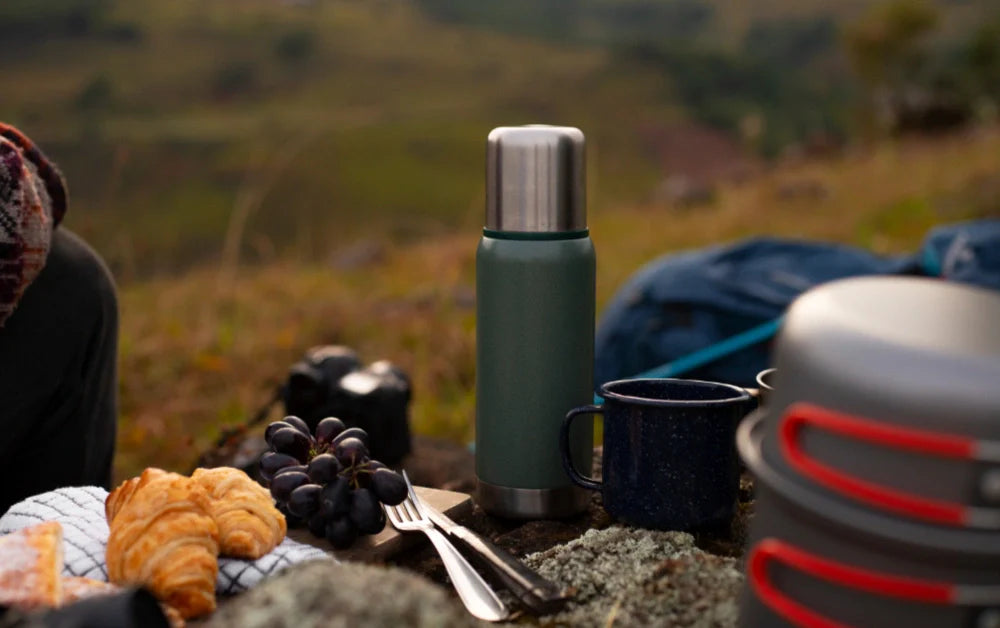
The 8 types of backpacking food
Imagine hiking on trails, feeling hungry and being caught off guard because you haven't packed the right foods. Good nutrition is essential to stay energized, focused, and ready to tackle the challenges of the wilderness. By knowing the types of backpacking foods available, you can choose light, nutritious, and satisfying meals that will keep you fueled without weighing you down. Whether you're a seasoned hiker or just starting out, knowing the best types of backpacking food will ensure you're prepared for any adventure. This article explores the best backpacking food ideas, including the perfect blend of freeze-dried and dehydrated backpacking foods to meet your outdoor needs. Understanding Backpacking Food Types To properly plan your meals, you first need to understand the different types of backpacking food. The term "backpacking food types" refers to categories of meals and snacks specifically designed for outdoor adventures. These foods are lightweight, nutrient-dense, and easy to store, allowing adventurers to stay nourished without feeling weighed down. From long-lasting non-perishable foods to easy-to-rehydrate freeze-dried meals, there's an option for every trip. By choosing the right mix, you can reduce your pack weight, stay energized, and enjoy satisfying adventure meals. For more meal planning tips, check out our article on backpacking meals. The 8 Types of Backpacking Food Before heading out on your adventure, it's important to understand the different types of backpacking food to plan meals that will give you energy and keep you prepared. From lightweight options like freeze-dried meals to quick snacks and fresh produce, each type of food serves a unique purpose on the trail. Knowing what foods to pack can make the difference between a satisfying trip and one burdened by poor planning. 1. Reliable Non-Perishable Foods Non-perishable foods are a staple for most hikers due to their long shelf life, light weight, and no refrigeration requirements. These include nuts, seeds, dried fruits, granola, and crackers, which provide high-energy density nutrition, making them ideal as hiking snacks or meal supplements. With each serving typically providing between 100 and 200 calories, they are perfect for maintaining energy levels throughout the day. For day trips, 2 to 3 servings (400 to 600 calories) are usually sufficient, while multi-day trips require 3 to 5 servings per day (1,200 to 1,500 calories). While non-perishable foods are durable and versatile, they can lack freshness and variety over time, which can be a drawback for longer trips. 2. Freeze-Dried Foods When it comes to lightweight, nutritious, and flavorful options, freeze-dried meals lead the pack. These meals are created by freezing and then dehydrating food, preserving its original taste, texture, and nutrients while making it exceptionally easy to carry. Options range from savory curries and creamy risottos to breakfast oatmeal and gourmet desserts like apple crumble or chocolate mousse. Why are freeze-dried meals a favorite among hikers? Calories: Each meal provides between 500 and 900 calories, making it a high-energy option for adventurers. Easy Preparation: With just hot water, your meal is ready in minutes — ideal for breakfast, lunch, or dinner after a long hike. Weight Savings: These meals reduce pack weight, making them perfect for multi-day hikes. Preserves nutrients and full flavor. Quick preparation with minimal effort. From savory to sweet, freeze-dried meals are versatile and satisfying, transforming your hiking meals into something enjoyable. For more ideas and tips, check out our article on freeze-dried foods for backpacking. Try our Vegan Freeze-Dried Meals Discover lightweight, nutritious, and delicious freeze-dried options to fuel your journey. Plan your trip with ease - pack smart, eat well, and explore more. 3. Dehydrated Foods Dehydrated backpacking foods involve removing moisture through heat, creating compact and durable meals such as soups, stews, dried vegetables, and pasta. These foods are perfect for preparing a satisfying meal at camp. Calories: 200-400 calories per serving. Best time to eat: Ideal for dinners or hearty meals after a long day. Recommended units: Day trip: 1 to 2 servings. Multi-day trip: 2 to 3 servings per day. Dehydrated foods are economical and compact, making them an excellent choice for hikers. They are especially ideal for creating warm, comforting soups and stews. However, they do have some drawbacks, such as a longer cooking time than freeze-dried foods and the potential loss of some nutrients during the dehydration process. For more information on dehydrated foods, check out our article on dehydrated meals. 4. Canned and Sterilized Foods Canned and sterilized foods include products such as beans, soups, and stews, preserved through sealing and sterilization processes. Calories: 150-400 calories per can, depending on the product. Best time to eat: Ideal for base camp meals or short trips. Recommended units: Day trip: 1-2 cans. Multi-day trip: Limited to 1 can per day due to weight. Canned and sterilized foods are very flavorful and offer a wide variety of options, including vegan choices like beans and soups, making them ideal for short trips. However, their packaging tends to be heavy and bulky, making them less practical for long hikes. For more information on canned and sterilized foods, check out our article on canned foods. 5. Meals Ready-to-Eat (MREs) MREs combine convenience and nutrition in pre-packaged, fully cooked meals that require no preparation. With options ranging from hearty stews to rice dishes, they are perfect for quick lunches or dinners. Each meal typically contains between 400 and 700 calories, making them a satisfying option to refuel during your trip. For a day adventure, a single meal is usually sufficient, while multi-day trips may require 1 to 2 meals per day. Their durable packaging makes them reliable in harsh conditions, and the fact that they don't require water or cooking is a major advantage. However, MREs are heavier than other food types and often offer a limited selection of vegan options, which may not suit all preferences. 6. Fresh Produce for Short Trips Fresh fruits and vegetables are an excellent option for adding hydration and nutrients to your meals on short trips. Here's an overview of their benefits, tips, and limitations. Aspect Description Nutrients Provide hydration, vitamins, and approximately 50-100 calories per piece. Optimal Use - 2 to 3 pieces for a day.- Consume within the first 48 hours to prevent spoilage. Advantages Ideal for snacks or to enrich meals. Disadvantages Perishable and add weight, impractical for long backpacking trips. Fresh produce is an ideal solution for short trips, enriching your meals with essential nutrients. However, their perishable nature limits them to short-duration adventures. 7. Energy Bars and Snacks Energy bars, trail mixes, and vegan jerky are compact, high-calorie options designed for easy consumption during your trip. With 150 to 300 calories per serving, they provide a quick energy boost and are perfect for snacking on the go. For day trips, 2 to 3 servings are usually sufficient, while multi-day adventures may require 3 to 4 servings per day. These snacks are lightweight, easy to carry, and provide sustained energy, making them a reliable choice. However, their repetitive nature can make them less appealing over time. You can do a quick search to find the energy bars that best suit your needs; check out this article for a variety of energy bars. 8. Emergency Rations Emergency rations, calorie-dense and long-lasting, are essential for unforeseen situations and delays during trips. With 300 to 600 calories per serving, they should be used sparingly, primarily in critical need, and not as regular meals. Compact and practical, they offer indispensable food security for any outdoor adventurer. The Best Food for Your Backpacking Adventure: Comparing Options When planning your backpacking meals, it's important to consider factors such as weight, nutritional value, ease of preparation, and meal variety. Here's a comparison of the most common backpacking food types: Food Type Weight and Packaging Nutritional Value Ease of Preparation Meal Variety Non-Perishable Foods Lightweight, but can add up with multiple servings. Provides good energy but may lack freshness and variety. Easy to eat as a snack but limited for full meals.Ideal for snacks, but lacks options for full meals. Freeze-dried foods Extremely lightweight, perfect for multi-day hikes. Rich in calories, it retains its flavor and nutrients. Just add hot water and it's ready in minutes. Wide range of meal options, including savory and sweet dishes. Dehydrated foods Lightweight, but requires more storage space for ingredients. Retains nutrients but may lose some during the dehydration process. Cooking time is longer than freeze-dried products. Ideal for stews and soups, but not as versatile as freeze-dried meals. Canned and sterilized foods Heavy and bulky. Rich in flavors, especially with vegan options like beans and soups. Ready to eat, but no ease of preparation. Limited variety and impractical for long hikes. MREs Heavier and bulkier than other options. High in calories, but lacks flavor and variety. No preparation needed, but it spoils easily. Limited vegan options and fewer flavor choices. Fresh produce Adds weight and perishes quickly. Rich in nutrients and hydrating. No preparation needed, but the product spoils easily. Limited to fruits and vegetables, not a complete meal. Energy bars and snacks Compact and easy to transport. They are perfect for a quick energy boost but can be high in sugar. Quick and convenient, no preparation needed. Can become repetitive and lacks variety. Emergency rations Compact and durable High in calories, but basic flavor. Only necessary in an emergency; not a regular meal. Neutral and basic taste, ideal for survival situations. Freeze-dried meals are perfect for backpacking trips, combining lightness, flavor and nutrient preservation, as well as quick preparation. Practical and versatile, they offer a wide variety of dishes, from savory curries to gourmet desserts, suitable for all your adventures, whether short or long. How to choose the right types of food for backpacking? To choose the right types of food for backpacking, you need to consider the duration of your trip, the intensity of your activities, and your dietary preferences. For longer trips, freeze-dried and dehydrated foods are ideal due to their lightness and ease of preparation. For shorter adventures, fresh produce or canned foods can provide variety. Make sure to balance proteins, fats, and carbohydrates for sustained energy and plan snacks for quick refueling. How to plan your meals according to your specific needs? To plan meals for an outdoor adventure, you need to understand your unique needs and preferences, as well as the demands of your trip. Here's how to adjust your food choices and ensure you're well-nourished throughout your journey in five steps, while considering different types of food for backpacking: Assess your caloric needs: Consider the intensity and duration of your backpacking trip. For example, an intense hike may require 2,500 to 4,000 calories per day. Choose the best backpacking foods that are both high in calories and lightweight, such as energy bars, nuts, and freeze-dried meals. Consider your dietary preferences: Whether you are vegan, gluten-free, or have specific allergies, there are many types of food for backpacking that meet your needs. Vegan freeze-dried meals, dried fruit, and nut butter are excellent choices. Match food choices to trip duration: Short trips (1-2 days): Fresh produce and ready-to-eat meals are well-suited. Multi-day trips: Prioritize durable options like freeze-dried and dehydrated foods to save weight and space. Plan for convenient foods: Choose foods that are easy to prepare and eat on the go. For a quick energy boost, pack fruit and vegetable mixes and protein bars. For camp meals, prioritize foods like freeze-dried curries or stews, which only require water for preparation. Add variety to your packs: Mix and match food types to avoid meal fatigue. Combining freeze-dried foods, dehydrated foods, snacks, and non-perishable items ensures both variety and good nutrition. By tailoring your meal plan to your activity level, dietary needs, and trip duration, you can make informed choices that will keep you energized and focused. Exploring the best types of food for backpacking ensures an enjoyable and stress-free outdoor adventure! For more information, read our article explaining how to plan adventure meals according to the specificities of your trip. Frequently asked questions What is the difference between freeze-dried and dehydrated foods? Freeze-dried foods retain more flavor and nutrients due to the freezing process, while dehydrated foods are lighter and sometimes cheaper, but may require longer cooking times. How to make vegan food more exciting for hikers? Mix options like vegan freeze-dried meals, dehydrated soups, and fresh spices. Add variety with energy bars, nut butter, and dried fruits. Are canned foods practical for hikers? Canned foods are heavier, but they are perfect for short trips or base camps, where variety and convenience matter more than weight. What is the best food for long backpacking trips? For long trips, freeze-dried backpacking foods are ideal due to their lightness, compact packaging, and quick preparation time. Conclusion Meal planning for outdoor adventures can be simple and effective with the right approach. By exploring and understanding the different types of food for backpacking, you can create a meal plan that balances nutrition, convenience, and flavor for any hike, trek, or camping trip. Whether it's the lightness and nutrient richness of freeze-dried foods or the versatility and cost-effectiveness of dehydrated meals, each option plays a role in fueling your journey. Whether you prefer a mix of food types for backpacking or rely on a single option, thoughtful preparation will keep you energized, well-nourished, and ready for any adventure. Ready to stock up on premium, vegan freeze-dried foods for hikers? Visit our online store. Get ready and fuel your next adventure the right way! Try our Vegan Freeze-dried Meals Discover lightweight, nutritious, and delicious freeze-dried options to fuel your journey. Plan your trip with ease – pack smart, eat well, and explore more.
Sylvain Karpinski
•
Dec 25, 2024
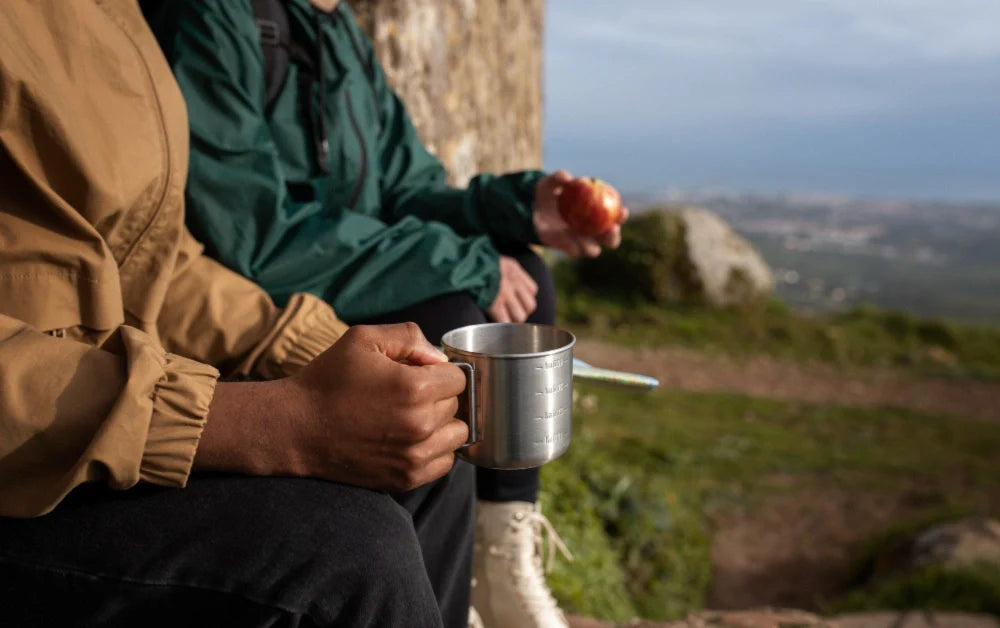
Backpacking Meal Guide!
Outdoor adventures are an opportunity to create memories, traverse challenging trails, admire breathtaking panoramas, and soak in all that nature has to offer. But let's be realistic, none of this happens without the right supplies. The backpacking meals you bring can make or break your trip, keeping you energized and ready to tackle whatever the trail throws your way. Whether it's a sunrise breakfast at camp or a quick snack, your food choices matter. In this guide, we'll help you plan and prepare the best backpacking meals, share some tasty ideas, and give you tips to make outdoor dining easy and enjoyable. Let's get started! Adventure Meals Adventure meals are lightweight, easy to prepare, and packed with the nutrients you need for your outdoor activities. These meals are essential for hiking, offering the right mix of energy and portability, allowing you to keep moving without adding unnecessary weight to your pack. Whether you're using freeze-dried options or making your own snacks, the backpacking meals you choose directly impact how your body handles long hikes and challenging trails. Good meal planning is an important part of your adventure preparation. Need more tips to prepare for your trip? Check out our guide on how to plan a backpacking trip. Backpacking Meal Planning Meal planning for hikers involves choosing and organizing meals that meet your energy needs while keeping your backpack light and manageable. A solid plan ensures you stay nourished and focused without being weighed down by unnecessary bulk. Types of Backpacking Meals Backpacking meals come in various forms to suit different tastes, diets, and trip durations. Whether you're gearing up for a short weekend hike or planning your food list for a 6-day trek, here's what you need to know: Freeze-Dried Meals: Lightweight, durable, and requiring only hot water, freeze-dried meals like SlyFood's vegan options are ideal for convenience and nutrition. Dehydrated Meals: Homemade dehydrated foods, such as lentil stews or vegetable mixes, are economical and allow you to customize your meals to your dietary needs. Instant Foods: Quick options like instant oatmeal and ramen noodles are excellent for saving time while keeping your pack light. Fresh Foods: Perfect for the first day or two of your trip, foods like rolls, hummus, or marinated tofu offer fresh, satisfying flavors but should be eaten before they spoil. Curious about the pros and cons of these options? Check out our article on types of backpacking foods to find what's best for your next adventure! DIY Meals vs. Pre-Packaged Meals: Which is Better? The choice between DIY meals and pre-packaged options depends on your personal preferences and trip goals. DIY Meals: Allow you to customize ingredients, save money, and ensure you're eating what you enjoy. For example, making your own granolas or dehydrating your favorite soups can be a fun way to prepare. Pre-Packaged Meals: Are perfect for convenience, especially for longer trips. Brands like SlyFood offer vegan adventure meals that are tasty, lightweight, and full of energy for long hikes. Both approaches have their place, and many hikers mix and match to find a balance between effort and convenience. Remember, meal planning isn't just about the food—it's also about how to store backpacking food to maximize space and efficiency! Get your freeze-dried foods Fuel your journey with SlyFood's lightweight, durable, and nutrient-rich freeze-dried meals, designed for every trail and every adventure. Backpacking Meal Ideas When it comes to choosing what food to bring backpacking, the key is to focus on meals that meet your energy needs, fit your vegan lifestyle, and are lightweight enough for your backpack. Here's a list of ideas for each meal to help you plan your next adventure. Breakfast Breakfast sets the tone for your day, providing the energy and hydration needed to tackle the trail. Instant oatmeal with nuts, seeds, and dried fruit Granola with powdered plant-based milk and freeze-dried berries Pancakes made from instant mix, served with small syrup packets or almond butter Lunch Lunch should be quick, easy to prepare, and portable – ideal for eating on the go. Rolled tortillas filled with peanut butter and banana chips Whole-grain crackers with shelf-stable hummus or sun-dried tomato spread Bagels topped with mashed avocado (stored in small packets) or vegan jerky Dinner Hiking dinners provide calorie-dense, nutrient-rich meals that replenish energy and prepare your body for the next day. Freeze-dried vegan chili with a side of cornbread mix Couscous mixed with dehydrated lentils, spices, and olive oil Instant ramen with dehydrated vegetables and tofu pieces Snacks Hiking snacks are portable, calorie-dense bites that provide quick energy during physical activity. Trail mix (nuts, seeds, dried fruit, and dark chocolate chunks) Energy bars made from oats, dates, and nuts Dehydrated mango slices with almond butter Water and Drinks Hydration is just as important as the food you bring. Always carry enough water and consider drink mixes to add electrolytes or flavor. Proper hiking hydration involves maintaining fluid levels and replenishing electrolytes to support physical endurance and recovery. Be sure to check out our guide on hydration for tips on water purification and staying hydrated during your trip. When planning your meals, keep in mind how they fit into your 6-day hiking food list and ensure they meet your energy needs without adding unnecessary weight. Vegan options are versatile, lightweight, and perfect for creating adventure meals that fuel your journey! 6-Day Hiking Food List Planning the right backpacking meals is essential to fuel long days on the trail while enjoying a variety of delicious meals. A good hiking meal list will help you balance your nutrition without overpacking. Here's a 6-day meal plan that includes satisfying, vegan-friendly options for every part of the day, from breakfast to dinner, and everything in between. Day Breakfast Lunch Snacks Dinner Day 1 Instant oatmeal with nuts and dried fruit Tortillas with peanut butter and banana chips Trail mix (nuts, seeds, dried fruit, dark chocolate) Freeze-dried vegan stew with mashed potatoes Day 2 Granola with freeze-dried berries and plant-based milk Pita bread with hummus and vegan jerky Energy bars (nut-based) Instant ramen with dehydrated vegetables and tofu Day 3 Pancake mix with syrup packets Whole-grain crackers with avocado spread Apple slices with peanut butter Dehydrated pasta with pesto and nutritional yeast Day 4 Freeze-dried scrambled tofu with vegetables Bagel with vegan cream cheese and avocado Granola bars and vegan jerky Rice and beans with seasoning packets Day 5 Breakfast biscuits with instant coffee and almond butter Wraps with vegan cheese and vegetables Oat and nut protein cookies Freeze-dried vegan chili with cornbread mix Day 6 Granola with hot chocolate and nuts Instant soup with crackers and dried fruit Fruit mix and fruit leather Rice with freeze-dried lentils and spices This meal plan not only keeps you well-nourished but also offers backpacking meal options that are easy to prepare and packed with the nutrients you need for a successful outdoor adventure. By carefully choosing what food to bring backpacking, you can maximize energy, flavor, and convenience while keeping your pack light. Whether you're preparing for a six-day trek or a shorter weekend getaway, these meals provide an excellent foundation for your journey. Factors to Consider When Choosing Your Hiking Meals When choosing your backpacking meals, it's important to ensure the food you bring meets your energy needs while remaining lightweight, nutritious, and easy to carry. Freeze-dried foods excel in all these areas, making them a top choice for hikers. Let's look at the key factors and why freeze-dried meals are ideal for your next adventure. Calorie Density and Nutritional Balance Backpacking meals should provide maximum energy in minimal space. Calorie density ensures you're carrying high-energy foods to fuel long hikes, while nutritional balance ensures a mix of protein, fats, carbohydrates, and essential vitamins for sustained performance. Freeze-dried meals shine here, as the freeze-drying process retains up to 97% of nutrients while offering a lightweight option with high calorie density. To learn more about how freeze-drying preserves nutrients, check out our blog post on the benefits of freeze-dried foods. Weight and PackabilityEvery unit of weight counts on the trail. Hikers look for compact, lightweight foods that are easy to pack and carry. Freeze-dried meals are incredibly light because they contain no water, and their packaging is designed to compress flat, saving backpack space. Shelf Life and Food Safety Shelf life is important when planning meals for multi-day trips, especially in remote areas where resupply isn't an option. Freeze-dried foods have an exceptionally long shelf life, often over 20 years, while retaining their taste and nutritional value. This makes them not only convenient but also reliable. Importance of Diverse Food Options Variety is essential to prevent meal fatigue and ensure a balanced diet while hiking. Freeze-dried meals are available in a wide range of options, from savory stews to sweet treats, allowing you to enjoy exciting flavors while meeting your nutritional needs. By adding freeze-dried fruits, vegetables, and complete meals, you're ready for any situation, all while keeping your pack light. Whether it's a hearty vegan chili or a sweet, high-energy dessert, freeze-dried foods help make your hiking experience more enjoyable. Curious about how to add variety to your meals? Check out this article on freeze-drying techniques. How to Prepare Food for Hiking Learning how to pack camping meals can make a big difference in the success of your adventure. Proper packing not only saves space and manages weight but also ensures your meals stay fresh, organized, and easy to access. 6 Steps to Prepare Your Backpacking Meal Efficiently preparing your backpacking meals is essential to keep your food organized, fresh, and easy to access, while ensuring your pack remains balanced. Follow these steps to make the most of your hiking meal prep: Use Resealable Bags or Airtight Containers: Pack your meals in resealable bags, vacuum-sealed pouches, or airtight containers to protect them from moisture, pests, and accidental spills. These options also save space and make it easier to organize your food. Separate Meals by Day or Type: Organize your meals into individual portions or day-specific packs. Label each bag or container with the meal type (e.g., breakfast, lunch, dinner) and the day you plan to eat it. This method saves time and prevents you from rummaging through your pack when you're hungry. Prioritize Lightweight and Compact Items: Choose freeze-dried meals or other lightweight options for hiking meals to reduce weight and maximize packability. These meals are easy to pack flat and offer excellent nutritional value for hiking. Balance Your Pack's Weight Distribution: Place heavier food items, such as vacuum-sealed pouches, closer to your back and in the center of your pack. This will help maintain balance and prevent strain while hiking. Store lighter snacks, like trail mix or energy bars, inside or outside pockets for quick access. Protect Fragile or Fresh Items: If you're carrying fresh food for the first day, such as fruits or bread, place them at the top of your pack for easy access and to prevent crushing. Consume these foods early in your trip to avoid spoilage and free up space in your pack. Plan for Easy Snack Access: Place snacks like granola bars, dried fruit, or nuts in easily accessible outer pockets or at the top of your pack. This allows you to quickly grab an energy boost during short breaks without having to unpack everything. By following these simple steps, you'll ensure your backpacking meals remain organized, fresh, and easy to manage throughout your journey. Effective packing not only makes your meals accessible but also allows you to enjoy your time on the trail without added stress. Tips for Packing Different Foods Properly packing your backpacking meals can save you time and energy while keeping your food fresh and organized. Follow these tips to ensure you're efficiently preparing your meals for hiking: Freeze-Dried Foods: Freeze-dried meals are the top choice for backpackers' food due to their lightness, compactness, and long shelf life. Store them in their original packaging or in resealable bags to maintain freshness and protect them from moisture. Since freeze-dried foods require minimal preparation, you'll save time and space while enjoying nutritious meals on the go. Dehydrated Foods: Store dehydrated foods, such as homemade soups or dried vegetables, in vacuum-sealed bags to optimize freshness and save space. This keeps foods compact and ready for rehydration when needed. Fresh Foods: Place fresh foods like fruits, vegetables, or bread at the top of your pack for easy access. Consume these foods within the first two days to prevent spoilage and free up space in your pack for more durable meals. Light Snacks: Keep snacks such as trail mix, dried fruit, or granola bars in side or outer pockets. This placement allows for quick and convenient access during breaks, helping you stay energized throughout the day. Heavier Items: Place heavier items, such as vacuum-sealed meals or bulkier foods, closer to your back and in the center of your pack. This distribution helps maintain balance and reduce strain while hiking. By choosing versatile options like freeze-dried foods, your camping meals will not only stay light but also be easy to prepare and packed with nutrients. Frequently Asked Questions How to keep backpacking meals fresh on long trips? Use vacuum-sealed bags or airtight containers and prioritize non-perishable foods like freeze-dried or dehydrated meals. What should I consider when preparing food for hiking? Focus on weight, ease of packing, caloric density, and meal organization. Place heavier foods near your back and snacks in accessible pockets. Are there vegan options for hiking meals? Absolutely! Many freeze-dried meals, dehydrated vegetables, grains, nuts, and energy bars are vegan-friendly and perfect for hiking. How much food should I pack for a hike? Plan for approximately 2,500 to 4,000 calories per day, depending on your activity level and trip duration. Always pack an extra meal for emergencies. Can I bring fresh food for hiking? Yes, but consume fresh produce like fruits or bread within the first two days to prevent spoilage, and place them in accessible areas of your pack. Conclusion Backpacking meals are a key ingredient for any successful outdoor adventure, keeping you energized and nourished throughout your journey. By carefully selecting lightweight, nutrient-rich options and planning your meals for variety and easy preparation, you can make the most of your time on the trail. From freeze-dried meals to snacks, the right food choices can make your backpacking trip an enjoyable and stress-free experience. Ready to take your backpacking meals to the next level? Discover SlyFood's vegan freeze-dried options, designed to meet the demands of outdoor adventures. Get your freeze-dried foods Fuel your journey with SlyFood's lightweight, durable, and nutrient-rich freeze-dried meals, designed for every trail and every adventure.
Sylvain Karpinski
•
Dec 18, 2024
how to train for backpacking like a pro
Preparing for a backpacking trip demands more than just enthusiasm and excellent gear; it requires a robust training plan. Knowing how to train for backpacking will help you improve your endurance and ensure you're physically and mentally ready for the challenges of the trail. Understanding how to train for backpacking is essential, whether you're planning a weekend hike or a multi-day trek. By following a structured training plan that combines cardio, strength, and flexibility exercises, you can build the stamina and resilience needed to traverse difficult terrain with a loaded backpack. Understanding How to Train for Backpacking Backpacking is a self-sufficient outdoor activity that involves walking with a loaded backpack, which requires physical stamina and mental resistance. This section explains how to set your goals, assess your fitness level, and create a training program. Training for hiking is one of the most important steps in a successful hiking plan. Check out our blog post explaining how to plan a backpacking trip to learn more. Steps for Physical Training for Backpacking Trips To have a successful backpacking trip, you need to physically prepare your body. Understanding how to train for backpacking involves developing strength and endurance, as well as proper nutrition. In this section, we will review the steps for physical training. 1. Assess Fitness Levels It's important to assess your current fitness level to understand your starting point and identify areas for improvement. Start with a simple fitness test, which may include the following: Timed walk or hike: Measure how long it takes you to cover a given distance on a flat surface. Cardiovascular endurance: Assess how long you can hike before feeling fatigued. Strength: Test your ability to comfortably carry a heavy backpack. Flexibility and balance: Determine how easily you can move on difficult terrain. Identifying your strengths and weaknesses will help you tailor your training plan to your specific needs. If endurance is an issue, focus on improving stamina. If balance or strength need improvement, include targeted exercises. Additionally, it's important to consider the weight of your backpack during your training, as you will be carrying it throughout the trail. This is why it's important to plan ahead and decide what you will pack for your trip. To learn more about how to pack your backpack with the most important items, read our article on backpacking essentials. 2. Develop Your Training Programs Developing a training program is essential for your preparation. A typical training plan includes a mix of endurance and strength training. Consider the following for your program: Frequency: Aim for at least three to five training sessions per week. Types of workouts: Alternate long hikes, cross-training, and rest days. For example, two days can be dedicated to hiking or walking, while another day can be dedicated to strength training exercises such as squats and lunges. Progression: Gradually increase the intensity of your training. Start with shorter hikes and lighter weights, then increase the distance and load over time. By scientifically pacing your backpacking training, you will develop the physical capacity needed for your adventures. This structured approach will help you feel ready and confident for any long hikes you undertake. 3. Develop Your Training Schedule It is important to create a structured training routine for effective hiking preparation. Focus on strength training, core stability, and cardiovascular fitness to improve your performance on the trails. Aspect Focuses on Key Exercises Routine Strength Training Builds muscle power needed for hiking by targeting legs, back, and core. -Squats: Builds leg strength and endurance. - -Lunges: Promotes balance and coordination. -Deadlifts: Strengthens your back and helps with lifting your pack. Incorporate resistance training 2-3 times per week. Gradually increase weights or resistance as you progress. Core Training Improves balance on challenging terrain, prevents injuries, and enhances hiking efficiency. Planks: Builds core endurance. Russian Twists: Improves rotational strength. Leg Raises: Strengthens lower abs. Perform core workouts two to three times per week, mixing bodyweight and resistance exercises. Cardiovascular Fitness Enhances heart and lung health, building stamina for long hikes. Jogging or Running: Builds overall endurance.Cycling: Maintains leg strength with low impact.Hiking with a loaded pack: Simulates the backpacking experience. Aim for 150 minutes of moderate aerobic exercise per week, including interval training to boost endurance. Understanding how to train for backpacking is a personal endeavor, but it's best to train with a friend to ensure consistency in training. Nutrition and Hydration Training Proper nutrition and hydration for your body are the cornerstones of your preparation for outdoor adventures. Whether you're focusing on how to train for hiking or developing a comprehensive training plan, what you eat and drink directly impacts your performance and recovery on the trail. Hydration Strategies for Hiking Hydration is important for endurance and preventing fatigue when hiking. To maintain optimal hydration, drink water throughout the day, even if you're not thirsty. Aim to consume 2 to 3 liters of water per day, depending on your activity level and the weather. For added effectiveness, add electrolyte powders to your water to replenish lost minerals, especially during hot or strenuous hikes. The Basics of Nutrition for Backpacking Trips A balanced diet tailored to your activity level ensures sustained energy and recovery. Backpacking requires a lot of energy, so it's important to consume between 2,500 and 4,000 calories per day, depending on the intensity and duration of your hike. Plan to increase your intake by 200 to 300 calories per hour for particularly challenging sections to maintain energy levels and prevent fatigue. Also, focus on the following key macronutrients: Carbohydrates: The primary source of energy for hiking. Prioritize whole grains, dried fruits, and fruit and vegetable mixes. Proteins: Vital for muscle repair and recovery. Include nuts and protein bars in your pack. Fats: Long-lasting energy providers. Think nuts, seeds, and nut butter. Adventure-Ready Meal Options It's important to prepare light, high-energy meals for convenience and performance on the trail. Good planning ensures you stay fueled and energized throughout your backpacking adventure. Freeze-dried meals: Lightweight and nutrient-rich options like those from SlyFood offer easy and delicious solutions for hiking. Snacks: Energy bars, trail mixes, dried fruits, and nut mixes are ideal options for maintaining energy levels between meals. DIY choices: Prepare oatmeal packets or simple meals like nut butter wraps for an economical and personalized approach. By combining these meal strategies with your backpacking training, you ensure sustained energy and good recovery during your trips. To learn more about meal preparation for hiking, check out our blog post on backpacking meals. Get freeze-dried vegan meals! Get freeze-dried meals that are ready in minutes - no fridge, no prep, no mess. Perfect for travel, work, or everyday life. Mental Preparation Techniques for Hiking It's important to learn how to train for backpacking from a mental perspective. Mental preparation is the process of developing the mindset, strategies, and resilience needed to overcome challenges during outdoor adventures. It is considered an important factor when it comes to learning how to train for backpacking. Many techniques can be included in your hiking training plan, including: Visualization Techniques Visualization techniques are powerful tools that help hikers mentally prepare for the challenges they may encounter on the trail. By creating vivid mental images of yourself successfully navigating steep inclines, traversing difficult terrain, or reaching your destination, you can improve your focus and strengthen your self-confidence. During your hiking training sessions, take a few moments before or after your workout to close your eyes and visualize: Tackling challenging trails: Imagine yourself resisting fatigue and finding the energy to continue. Achieving goals: Imagine the moment you reach the summit or finish the hike, strengthening your determination. Managing unexpected situations: Visualize how you will calmly react to obstacles such as bad weather or fatigue. Adding visualization to your training routine makes the experience more immersive and helps you stay motivated while learning how to train for backpacking. Coping with Challenges Coping techniques are important for managing physical and mental stress during a backpacking trip. When learning how to train for backpacking, appropriate coping techniques allow you to stay calm, conserve energy, and focus on your goals. Incorporate the following strategies into your preparation: Deep breathing: Breathe slowly and in a controlled manner to calm your mind and regulate your heart rate when you feel overwhelmed. Mindfulness: Practice staying present in the moment by focusing on your surroundings and sensations rather than worrying about the future. Positive self-talk: Replace negative thoughts such as "I can't do this" with affirmations such as "I am strong and capable." These techniques not only reduce stress during hiking but also improve your overall experience, helping you stay mentally strong during difficult times. Strengthening team communication skills Effective team communication is important for group safety and success during a backpacking trip. Learning how to train for a backpacking trip means developing these skills during preparation and ensuring that every group member feels supported and aligned. Group training hikes: Organize hikes with your group to simulate real-life scenarios, build trust, and practice coordination. This allows everyone to understand their role and contribution to the team's success. Clear communication tools: Use walkie-talkies or agreed-upon hand signals to stay in touch in areas with limited visibility or sound. For example, a raised hand can mean "stop," while pointing in a specific direction can indicate the route to follow. Check-ins: Encourage regular check-ins during the hike to ensure everyone is comfortable, hydrated, and ready to continue. Acquiring strong team communication skills helps avoid misunderstandings and ensures effective collaboration among all team members during your outdoor adventure. By implementing these strategies, you will develop the mental endurance necessary for extended outdoor adventures, making your journey more enjoyable. To learn more, read this article on mental preparation for backpacking. Stretching and recovery techniques during outdoor adventures Proper stretching and recovery techniques are essential for maintaining flexibility, preventing injuries, and reducing fatigue during and after outdoor adventures. By incorporating these practices into your routine when learning how to train for a backpacking trip, you ensure that your body remains strong and energized, whether you are training or actively on the trail. Pre-hike stretches Before heading out on your adventure, a dynamic stretching routine helps warm up muscles and improve blood circulation. These movements prepare your body for the physical demands of hiking: Leg swings: Hold onto a stable surface and swing one leg forward and backward. This improves hip flexibility and prepares your legs for climbing. Lunges with a twist: Take a lunge forward and twist your torso towards your front leg. This engages your legs, core, and spine. Arm circles: Extend your arms and make small, controlled circles to relax your shoulders and upper back. On-trail stretches Mid-hike stretches prevent stiffness and reduce muscle tension, especially after challenging trail sections: Hamstring stretch: Place one foot on a rock or elevated surface, keep the leg straight, and lean slightly forward to stretch your hamstrings. Calf stretch: Find a rock or incline, place the ball of your foot against the rock, and lean forward to stretch your calves. Shoulder rolls: Roll your shoulders backward and forward to release tension from carrying your pack. Post-hike recovery stretches After your hike, static stretches help your muscles cool down and prevent soreness. Hold each stretch for 20-30 seconds: Quadriceps stretch: Stand on one leg, pull the other foot towards your glutes, and keep your knees together to stretch your quadriceps. Forward bend: Stand with your feet shoulder-width apart and bend forward at your hips, letting your arms hang. This stretches your hamstrings and lower back. Child's pose: Kneel on the ground, extend your arms forward, and rest your chest on your thighs. This position relieves tension in the lower back and shoulders. Recovery techniques Recovery doesn't stop at stretching; other techniques help your body repair and prepare for the next day: Hydrate: Drink plenty of water to replenish fluids lost during the hike. Adding electrolytes can aid recovery. Refuel: Eat a balanced meal of carbohydrates and proteins within 30 minutes of finishing your hike to promote muscle repair. Massage: Use a foam roller or massage ball to relieve tense muscles, focusing on your legs, back, and shoulders. Rest: Elevate your legs to improve blood circulation and reduce swelling after long hikes. Using these stretching and recovery techniques in your routine while learning how to train for hiking will improve your performance, mitigate fatigue, and ensure your body is ready for your next adventure. Frequently Asked Questions How long should I train before a backpacking trip? Start training 6-12 weeks before your trip, focusing on endurance, strength, and core stability to build the stamina needed for long hikes. How can I simulate real hiking conditions during training? Practice walking on rough terrain with a loaded backpack, gradually increasing the weight according to the demands of your trip. How important is nutrition during hiking training? Nutrition is essential for energy and recovery. Focus on a balanced diet during training and pack lightweight, nutrient-dense foods for the trip, such as freeze-dried meals. How can I avoid injuries when training for hiking or trekking? Start slowly, progress gradually, incorporate stretching and recovery, and wear supportive footwear to minimize the risk of injury. What gear should I use for hiking training? Essential gear includes sturdy hiking boots, a comfortable backpack, moisture-wicking clothing, trekking poles, and a hydration system to ensure adequate training. Conclusion Preparing for outdoor adventures is more than just excitement - it's about having the right plan, mindset, and tools to make the journey safe and enjoyable. Whether you're exploring new trails or embarking on a multi-day hike, understanding how to train for a backpacking trip is key to success. From building endurance to selecting the right gear, every step of preparation contributes to a rewarding experience. By adding practical training, recovery techniques, and smart nutrition strategies to your routine, you'll be ready to take on the challenges of hiking with confidence. Remember, by learning how to train for a backpacking trip, you not only improve your performance but also ensure you get the most out of every adventure. Before heading out on your next adventure, don't forget to stock up on freeze-dried meals for optimal convenience. Order today and fuel your journey with the best! Get vegan freeze-dried meals! Get freeze-dried meals that are ready in minutes - no fridge, no prep, no mess. Perfect for travel, work, or everyday life.
Sylvain Karpinski
•
Dec 11, 2024

The Ultimate Backpacking Essentials List
Planning a backpacking adventure? Choosing the right backpacking essentials is key to a safe and unforgettable trip. From shelter and navigation to hydration and cooking gear, the right tools will ensure you're prepared for whatever challenges nature throws your way. Backpacking essentials aren't just about packing light; they're about packing smart. The right gear brings comfort, safety, and confidence, whether you're traversing dense forests or scaling steep mountains. In this article, we'll review the essential backpacking items that will make your next adventure a success. What are the essential backpacking items? Backpacking essentials are the basic items and equipment needed to ensure safety, comfort, and efficiency during outdoor adventures, especially on multi-day hikes or treks. These essentials range from navigation tools to cooking gear for hikers and personal hygiene items. The choice of items to bring on a backpacking trip can significantly impact your adventure. Essentials ensure you're ready to face the challenges of being away from civilization and form the foundation of a well-prepared adventurer's toolkit. In the next section, we'll list the indispensable gear to keep in mind when planning a backpacking trip. If you want to learn more about how to create your travel plan, check out our guide explaining how to plan a backpacking trip. 1. Shelter and sleeping gear One of the essential items for a backpacking trip is choosing the right shelter and sleeping system to ensure safety and comfort on any hike. Options include tents, sleeping bags, and mattresses tailored to your needs, ensuring protection from the elements and a restful night outdoors. Tents and shelters for backpacking The choice of shelter is determined by the conditions and the weight you are willing to carry: Backpacking tents: They are lightweight (3 to 5 pounds), compact, and weather-resistant. Tarps: Ultralight and versatile, they offer only minimal protection against rain and insects. Bivy sacks: These are minimalist and lightweight options for basic weather protection. A good shelter protects you from rain, wind, and insects, so choose wisely. Sleeping bags and mats A sleeping bag and mat are important for warmth and comfort: Sleeping bags: Temperature ratings: (Summer: 35°F and above) - (Three seasons: 20°F to 35°F) - (Winter: 20°F and below.) Insulation options include down, which is lightweight and compact, and synthetic materials, which perform better when wet. Shape: Mummy for warmth; rectangular for space. Sleeping mats: R-value: A value below 2 is for summer, between 2 and 4 for spring and fall, and above 4 for winter. There are two types: air pads, which are lightweight but can be punctured, and foam pads, which are durable but bulky. This setup ensures you stay comfortable, warm, and well-rested, no matter where you camp. Next, choose your backpack and determine its size. This backpack is considered one of the essentials for a backpacking trip. 2. Choosing the right backpack For outdoor activities, a backpack is a specialized bag that allows you to carry your essential items comfortably and efficiently. By learning about the types of backpacks and the size of backpack to choose for these types of trips, you can enhance your adventure. Types of backpacks Choosing a suitable backpack depends on the adventure, but the following three factors are generally considered: A backpack is designed for longer trips and usually offers a larger volume for gear. Sizes range from 40 to 70 liters, making them suitable for long hikes. A daypack is smaller (usually 15 to 30 liters) and perfect for short outings or light hikes. It can hold essentials like water and snacks without being too bulky. An ultralight backpack aims to reduce weight for professional hikers. These bags often weigh less than 2 pounds, but you should check their durability and storage options, as they may lack features found in heavier bags. A backpack suited to your dimensions Another factor is the size of the backpack to choose relative to your height. Measure your torso length, starting from the base of your neck and ending at your hip bones. Make sure the hip belt sits comfortably on your hips; the shoulder straps should be neither too tight nor too loose. Here is a simple guide to help you make the right choice: Torso Length Backpack Size 15-18 inches Small (40-50L) 18-20 inches Medium (50-65L) 20 inches and above Large (65L and above) Finally, pay attention to the backpack's design. Consider pockets that allow easy access to items you might need quickly, like snacks or a camera. Compression straps can help manage the load by keeping items in place and reducing bulk. 3. Essential cooking gear for backpacking trips Having the right cooking gear can make a big difference on your backpacking trip. Efficient, lightweight, and durable equipment allows you to enjoy nutritious meals without unnecessary bulk. From portable stoves to food storage solutions, choosing the right tools will enable you to prepare simple and satisfying meals on the trail. Portable cooking stoves: Compact and efficient stoves like Jetboil systems are ideal for quick meal preparation, boiling water in under two minutes. You can also opt for multi-fuel stoves for more versatility and ultralight alcohol stoves for minimal weight. Choose based on trip duration and conditions. Storage containers: Use lightweight, collapsible containers to store meals or leftovers. Odor-proof bags are essential for protecting food from wildlife, while compact sachets can hold spices, snacks, or small portions easily accessible on the trail. By investing in these essential backpacking items, you ensure easy meal preparation and keep your backpack light, allowing you to focus on enjoying the adventure. 4. Freeze-dried food Freeze-dried food is indispensable when planning your backpacking meals. These lightweight, high-calorie, and easy-to-prepare meals are suited to the challenges of the trail, making them one of the essential items for a backpacking trip. Freeze-dried foods are: Quick to prepare: Just add hot water to enjoy a warm, satisfying meal in minutes—ideal after a long day of hiking. Compact and lightweight: Freeze-dried meals take up little space in your backpack, making them easy to carry. Energy-rich: Designed to provide the calories and nutrients needed for physical exertion on the trail. Long shelf life: Reliable for long trips, ensuring your food stays fresh throughout your adventure. Variety of flavors: A wide selection of options means you don't have to compromise on taste or enjoyment. Freeze-dried food allows you to refuel and be ready for any adventure, whether it's hearty pasta, a savory soup, or a breakfast scramble. Include these versatile meal options in your backpack to simplify meal preparation while maintaining good nutrition on the trail. Ready to equip yourself with freeze-dried food? Fuel your outdoor meals with high-quality freeze-dried meals and a Jetboil cooking system. 5. Clothing and footwear for backpacking trips Choosing the right clothing and footwear is important for comfort, safety, and adaptability on the trail. Layering is essential: start with a moisture-wicking base layer, add insulation, and complete with a weather-resistant outer layer. Adapt your choices to the climate and terrain for an optimal experience. Equipment Difficult Terrain Easy Trails Mixed Terrain Hiking Boots Durable with strong ankle support, ideal for challenging terrains. Excessive but useful, provides extra support. Good for trails with rocky or uneven sections. Hiking Shoes Limited to slightly rugged terrain, may require thick socks. Lightweight and flexible for easy, smooth paths. A versatile choice for moderate and varied trails. Trail Running Shoes Poor insulation; ideal for dry, light trails. Lightweight, breathable, perfect for speed. Useful for mixed terrain when weight is a factor. Pants Reinforced and waterproof pants for added protection and durability. Lightweight, breathable pants or shorts. Convertible pants with zip-off legs for flexibility. Base Layers Merino wool or synthetic base layers to wick away moisture. Lightweight, breathable base layers for comfort. Mid-weight base layers for temperature variations. Outerwear Waterproof jackets with storm flaps for harsh conditions. Lightweight and breathable for UV protection. Versatile waterproof and breathable shell. Accessories Thermal gloves, wool socks, and warm hat for insulation. Sun hat and UV-protective sunglasses for comfort. Versatile hat, gloves, and sun protection. By adapting your clothing and footwear to your environment, you ensure a more comfortable and enjoyable trip. Discover more tips in this detailed guide to backpacking clothes! Specialized equipment for different types of outdoor activitiesWhen planning an outdoor adventure, it's important to know what to bring on a backpacking trip. Specialized gear tailored to your activity ensures a safer and more enjoyable experience. Whether you're hiking, camping, or mountaineering, here's a list of essential backpacking tools and equipment that will meet your needs. JetBoils: A reliable cooking solution JetBoils are essential for hikers and campers who want to prepare meals quickly and efficiently. These portable cooking systems heat water rapidly, making them perfect for preparing freeze-dried meals, coffee, or tea. Lightweight and compact, JetBoils are ideal for reducing pack weight without compromising convenience. Pair your Jetboil with freeze-dried foods for the ideal hiking cooking setup. Reliable, portable, and simple to use, it's suitable for hiking, camping, and trekking. If you're wondering what to pack for a backpacking trip, here's the answer. These essential backpacking items not only save you time and weight but also ensure you're well-fed and ready for the trail ahead. Navigation tools Accurate navigation is essential for outdoor adventures. Essential tools include: Map and compass: Reliable in areas without cell service. GPS devices: Provide real-time tracking. Altimeter watches: Measure elevation changes to plan your routes. Personal Locator Beacons (PLB): Ensure safety by signaling for help in emergencies. Combine these with smartphone apps for enhanced functionality, but always have a backup solution. Climbing and mountaineering gear For climbing or technical hikes, invest in specialized gear: Climbing harness: Ensures safety during ascents. Helmet: Protects against falling debris or impacts. Ropes and carabiners: Important for securing yourself during climbs. Snow and ice equipment Cold-weather activities require unique tools: Ice axe: Useful for balance and self-arrest on icy slopes. Crampons: Attach to boots for secure footing on ice. Snowshoes: Prevent sinking into deep snow and make hiking easier. Water adventure essentials For kayaking, rafting, or paddleboarding, these items are essential: Dry bags: Protect your valuables from water damage. PFDs (Personal Flotation Devices): Ensure safety in case of accidents. Waterproof phone case: Protects your electronics while allowing their use. Tailoring your gear to the activity The list of what to pack on a backpacking trip depends on your chosen adventure. Prioritize lightweight, multi-functional items and test them beforehand. Preparation ensures you're ready for the unique challenges of your outdoor activities. By choosing specialized gear, such as JetBoils for cooking or crampons for icy terrain, you'll enhance your experience and stay ready for any adventure. Check out our article on types of adventures for more information on different outdoor activities. Physical and mental preparation for outdoor adventures Preparing for outdoor adventures goes beyond packing essential backpacking items; it demands both physical readiness and mental resilience. Physically, engage in regular exercises like hiking, strength training, or cardio to build the endurance and stamina needed for the challenges ahead. Mentally, research your route, understand potential risks, and visualize overcoming obstacles to gain confidence. Practice mindfulness or stress-reduction techniques to stay calm in unpredictable situations. This comprehensive preparation ensures you are equipped to handle both the physical demands and mental uncertainties of outdoor exploration, making your adventure safer and more enjoyable. To learn more about the importance of mental and physical preparation, read our article explaining how to train for backpacking. Frequently asked questions Backpacking trips can vary greatly in terms of location, duration, and personal preferences. Here are the answers to the most common questions hikers ask. What should I include on my packing list when backpacking in Southeast Asia? When backpacking in Southeast Asia, pack light clothing suitable for the heat. A quick-drying towel and a reliable water bottle are also important. Don't forget sun protection items like sunscreen and a hat. A power bank for your devices will also keep you connected. How do I determine essential items for a backpacking trip in Europe? To determine your essential items for Europe, consider the climate and planned activities. Gear should be versatile to adapt to different environments. Pack a sturdy pair of walking shoes, a compact rain jacket, and travel-sized toiletries. A guidebook or map can help you navigate easily. How can a beginner prepare for their first backpacking trip? A beginner can prepare by researching the area and understanding the necessary gear. Practice packing and carrying your backpack before you leave. It's advisable to start with shorter hikes to build stamina and get comfortable with the equipment. What is the average weight a backpacker should carry? The average backpack weight should be approximately 20-25% of your body weight. This balance helps ensure comfort and mobility on the trail. It's important to ensure your load only includes necessary items to avoid over-packing. Conclusion A successful outdoor adventure relies on proper gear preparation. Your backpack should include a durable pack, a reliable tent or hammock, and a warm sleeping bag for restful nights. Lightweight cooking utensils, ready-to-eat meals, and energizing snacks will keep you fueled on the trail, while safety items like a first-aid kit, map, and compass will ensure you're prepared for emergencies. Don't forget personal items like toiletries to stay clean and comfortable. Simplify your trip by stocking up on freeze-dried meals from SLYfood for easy and delicious meals on the trail. This way, you'll have everything you need for an enjoyable and hassle-free adventure. Ready to equip yourself with freeze-dried food? Fuel your outdoor meals with high-quality freeze-dried meals and a Jetboil cooking system.
Sylvain Karpinski
•
Dec 9, 2024
16 Adventures to Experience in 2025
Feeling stuck in your daily routine? It's time to experience the excitement of outdoor adventures! Different types of adventures can re-energize you, from tranquil hikes to soaring through the sky. Each adventure connects you with nature and provides a sense of accomplishment. Whether you're looking for movement, discovery, or an escape from the ordinary, there are many types of adventures you can try. This article will introduce you to the world of outdoor activities and help you find the perfect escape. What is an outdoor adventure? An outdoor adventure is an activity in nature that combines excitement, exploration, and connection with the environment. Many adventurous activities exist, from hiking challenging trails to soaring over picturesque landscapes. Are you ready to step out of your comfort zone and learn more about the types of adventures that will transform your life? What types of adventures should you try? There are different types of experiences and activities carried out outdoors, each offering physical challenges, mental stimulation, and different enjoyment. Whether you're a thrill-seeker or looking for peaceful moments in nature, there are adventure ideas for everyone. Initially, types of adventures can be classified into three broad categories: land adventures, water adventures, and air adventures. In the following sections, we will review the different types of adventures that will help you choose your next one. 8 Popular Land Adventures Outdoor land adventures offer a mix of physical challenges and profound natural experiences. These adventurous activities are suitable for all skill levels. Hiking: Walking in nature on trails or roads for exercise or exploration. Hiking is a popular activity that offers magnificent views and allows you to explore nature. A brief afternoon hike or a multi-day backpacking trip yield enjoyable results. Climbing: Ascending natural rock formations or artificial walls using specific techniques and equipment to ensure safety and efficiency. Climbing combines physical fitness and mental focus, making it a top choice among different types of adventures. Mountain Biking and Cycle Touring: Using bicycles designed for nature to tackle challenging trails and off-road activities. From thrilling rides to multi-day trips, this is the best adventure for people who love to be on their toes. Trekking: If you walk regularly, you might find a trekking adventure very exciting, especially since it challenges your walking limits. Camping: Spending the night in a tent or RV. Camping allows you to relax and enjoy nature. It's important to wear appropriate clothing for long hikes. Winter Adventures: Immerse yourself in the magic of snowy landscapes with thrilling winter adventures like skiing and snowboarding. Whether it's carving down slopes, gliding on trails, or breaking through powder, these activities provide thrills and a breathtaking connection with winter's beauty. Mountain Climbing: Mountain climbing, also known as mountaineering, is the sport or activity of ascending mountains, combining physical endurance, technical skills, and often specialized equipment. It ranges from hiking easier peaks to climbing challenging high-altitude summits requiring advanced climbing techniques. RV Trips: An RV trip is a journey taken in a recreational vehicle (RV), combining transportation and accommodation for greater flexibility. It's a popular way to explore destinations while enjoying the comforts of home on the road. These eight types of trips can be done individually or combined. For example, backpacking trips are a good choice for combining adventures such as camping and hiking into a multi-day trip; all you need to know is how to choose the best backpacking essentials, and you're ready to go. And if you're looking for a little more excitement, let's go further and dive into the water with water adventure types. Five Water Adventures For those drawn to water, there are exciting adventures on rivers, lakes, and oceans. Kayaking: Navigating waterways using a kayak, a small, narrow boat propelled by a double-bladed paddle. Kayaking offers adventure opportunities on calm lakes or white water rapids. Scuba Diving: Using a self-contained underwater breathing apparatus (SCUBA) to explore underwater environments. Scuba diving opens a window to marine life, making it one of the most amazing types of adventure. Surfing: Riding waves using a surfboard, relying on balance and wave movement for propulsion. Surfing is not just a sport; it's a lifestyle for many who crave adventure on the waves. White Water Rafting: Navigating river rapids in an inflatable raft, often as a group activity requiring teamwork. White water rafting combines the thrill of speed with the beauty of river landscapes. Canoeing: Gliding down calm lakes or winding rivers in a lightweight canoe, paddling towards serene landscapes and hidden treasures. It's the perfect blend of relaxation and exploration. Water adventures require some practice and experience. If you are a beginner, it is advisable to seek advice from an experienced instructor. You can check out MHO adventures' training programs, which will help you know where to start. In the next section, we will cover air adventure activities. Three Air Adventures For those who dream of soaring above the earth, air adventures provide an unparalleled sense of freedom. Paragliding: Using a lightweight, free-flying glider to soar through the sky, often over picturesque landscapes. Paragliding offers a bird's-eye view of nature, making it a memorable type of adventure. Skydiving: Jumping from an aircraft and freefalling before deploying a parachute to land safely on the ground. Skydiving is the perfect example of thrill-seeking for adrenaline junkies. Hot Air Ballooning: Floating above the earth in a large, colorful balloon propelled by heated air for excitement or exploration. Hot air ballooning is both a calm and impressive adventure idea, offering panoramic views from the sky. Of course, air adventures require a certain level of experience and a very high level of safety. You may want to take training courses before embarking on such adventures. In the next section, we'll get creative, as you can combine several adventures into one trip. Day Trips or Multi-Day Adventures When choosing an adventure to transform your life, consider the duration of the trip, as it can inspire adventure ideas such as combining hiking and trekking or a multi-sport race across varied terrain. Many activities, whether day trips or multi-day adventures, require different preparation, including luggage, clothing, food, and safety measures. Day Adventures Day trips are usually short, lasting only a few hours or a single day. They are ideal for anyone who wants to enjoy nature without committing to a long trip. The most common types of adventures include scenic hikes, kayaking sessions, or quick ATV excursions. For a day trip, pack light snacks and a simple lunch, such as sandwiches or energy bars. Make sure to have basic safety gear on hand, like water, a first-aid kit, and a fully charged phone. These adventures offer a brief but satisfying connection with nature, making them perfect for quick getaways. Multi-Day Adventures Multi-day trips are extended adventures that can last several days or even weeks, allowing for a deeper experience of the great outdoors. These can include backpacking trips, camping expeditions, or white water rafting trips. These adventures allow you to explore more remote and breathtaking landscapes. Preparation is essential for multi-day adventures. Carefully plan your meals, prioritizing non-perishable or freeze-dried foods to sustain you throughout the journey. Safety considerations include comprehensive preparations such as carrying navigation tools, extra layers of clothing, and emergency supplies. These adventures are an opportunity to completely disconnect, recharge, and experience nature on a deep level. Whether you choose a day trip or a multi-day adventure, you are sure to have a memorable outdoor experience! You can also check out our article explaining how to plan a backpacking trip, which will help you prepare safely for your chosen adventure. In the next section, we will give you tips to keep in mind when planning your next adventure. Tips for getting the most out of each type of adventure Planning is essential for exploring different types of adventures. To get the most out of your outdoor experience, pay attention to essentials such as food, clothing, and safety. Food Preparation for Outdoor Adventures The types of adventures you choose determine your dietary needs. For short trips, pack energy bars and water; for multi-day adventures, choose non-perishable meals like freeze-dried options to stay energized. Our online store offers satisfying choices for different diets to suit various types of adventures. Prepare your meals quickly Simplify your meal prep with our delicious long-lasting vegan meals for all types of adventures. Acheter Maintenant Arrow Right Circle Appropriate Clothing for Outdoor Adventures Appropriate clothing is essential for experiencing different types of adventures safely and comfortably. For land activities such as hiking, choose moisture-wicking layers, durable pants, and sturdy footwear to stay comfortable and protected from the elements. Water activities, like kayaking, require quick-drying clothing, a waterproof jacket, and water shoes to prevent slipping.Aerial activities, like skydiving, require flexible athletic clothing and sturdy athletic shoes to facilitate movement and ensure a safe landing. Always prepare for unexpected weather changes to make the most of your adventure. You can consult the best outdoor clothing brands for detailed information. Safety Principles for Outdoor Adventures Safety should always come first, regardless of the type of adventure you embark on. Pack a first-aid kit and navigation tools, and inform someone of your plans, especially for multi-day trips. You can consult these adventure safety tips for detailed information. By keeping these essentials in mind, you will ensure a safe and enjoyable experience, tailored to your chosen adventure type. Outdoor Destinations and Events Explore the best outdoor adventure destinations and events suitable for all types of adventures, from mountain hikes to serene camping retreats. Discover unique activities and gatherings that bring adventurers together, regardless of their preferences. Check out our detailed blog post for a comprehensive guide to these amazing destinations and events! Frequently Asked Questions What are the different types of outdoor adventures? Outdoor adventures encompass a wide range of activities, including hiking, camping, kayaking, skiing, climbing, and many more. Each type of adventure offers unique ways to explore and enjoy nature. How do I choose the best type of adventure for me? Start by considering your interests, fitness level, and available time. Whether you prefer a short excursion or a multi-day hike, there's an adventure type that fits your style. Are outdoor adventures suitable for beginners? Absolutely! Many types of adventures, such as easy hikes or guided kayak tours, are perfect for beginners. As you gain confidence, you can move on to more challenging activities. What safety measures should I take during outdoor adventures? Safety is essential! Always bring adequate gear, check weather conditions, and inform someone of your plans. For multi-day adventures, pack emergency supplies and ensure you have the right navigation tools. What food should I bring for outdoor adventures? For day trips, pack light snacks and water. For multi-day adventures, opt for freeze-dried meals, protein bars, and other non-perishable items to keep you energized. Can outdoor adventures improve my health? Yes! Outdoor adventures improve physical fitness, reduce stress, and enhance mental well-being. It's a great way to stay active while reconnecting with nature. What is the best season for outdoor adventures? It depends on the type of adventure. Summer is great for hiking and kayaking, while winter offers thrilling opportunities like skiing and snowboarding. Choose a season that aligns with your adventure goals. Conclusion Outdoor adventures offer endless possibilities, from the calm of a hot air balloon ride to the exhilaration of whitewater rafting. By learning about the types of adventures available, you can find the perfect activity to fuel your passion for the outdoors. Whether you prefer land, water, or air activities, there's something for everyone. Ready to plan your next adventure? Don't forget to order freeze-dried food. They will keep you energized without hassle and in a delicious way while exploring nature. Quickly Prepare Your Meals Simplify your meal prep with our delicious, long-lasting vegan meals for all types of adventures.
Sylvain Karpinski
•
Dec 2, 2024

Here's how to plan a backpacking trip
Are you ready to escape the hustle and bustle of everyday life and reconnect with nature? A backpacking trip is more than just a journey; it's an adventure into the wilderness and a challenge to your limits. This guide explains how to plan a backpacking trip, from choosing the ideal destination to packing with an infallible checklist. Get ready to learn everything you need to know about planning a safe, fun, and unforgettable backpacking trip. How to Plan a Backpacking Trip A backpacking trip is a multi-day outdoor journey where travelers carry their essential belongings in a backpack, combining hiking and camping in nature. To effectively prepare for your outdoor trip, it's important to understand what backpacking is and how it differs from other types of luggage. There are several important steps to consider, from identifying the type of backpacking trip you will take to discussing the most important safety items for your trip. Here are the steps to preparing for a backpacking trip. 1. Choosing the type of adventure When learning how to plan a backpacking trip, choosing the type of adventure is essential, as it determines the itinerary, equipment, and preparation. Decide whether you want to do a challenging mountain hike, a serene forest trek, or a picturesque coastal trail. Each type of adventure offers unique experiences and requires different preparation, specific equipment for difficult terrain, permits for protected areas, etc. By knowing your type of adventure, you ensure that your trip matches your goals and abilities. Check out our blog post on types of adventures. 2. Essential gear for outdoor adventure A list of equipment such as tents, sleeping bags, and cooking utensils ensures a safe journey. Your backpacking checklist should include the following: Durable, weather-resistant backpack, sized and fitted for your trip Lightweight tent or hammock, suitable for the season. Sleeping bag and sleeping pad suitable for weather conditions and terrain. Portable stove, fire starter, and fuel Cooking utensils, eating utensils, and food storage bags Water filtration system purifier or tablets for clean water Headlamp or flashlight with spare batteries Map and compass or GPS device First aid kit Other items may be added to your checklist depending on the type of adventure. For example, learn about bear safety if you are in a country where they are present, and always store your food in bear-proof containers or use a bear bag. By carefully choosing each item, you will easily cover all the essentials for a backpacking trip, which will enhance your overall experience. 3. Physical and mental preparation for outdoor adventure Physical and mental preparation are important when learning how to plan a backpacking trip. Build your endurance with regular hikes and strength training as part of your physical preparation to meet the demands of the trail. Mentally, prepare for challenges such as weather conditions or isolation by staying positive and adapting. Even learning how to pack a travel backpack is considered mental preparation. This preparation ensures you are ready to tackle your adventure with confidence and success. Our blog post explains how to train for a backpacking trip and will provide you with more information. 4. Meal planning for outdoor adventure One of the most important steps in preparing for a backpacking trip is meal planning. For a successful trip, ensure adequate nutrition and hydration by bringing lightweight, high-calorie foods, such as dried fruits, nuts, and freeze-dried meals, aiming for 0.5 to 1 kg per person per day. Consider freeze-dried foods as the best option for backpacking trips for the following reasons: Offers a long shelf life Lightweight and convenient Quick and perfect preparation for hiking Diversity of food options, including fruits and vegetables or complete meals It maintains a balanced diet These meals require minimal effort and provide the nourishment you need without weighing down your pack. With freeze-dried foods, you can enjoy delicious, worry-free meals wherever your adventure takes you. To learn more about outdoor meal preparation, check out our blog post on backpacking meals. Plan intelligently and pack perfect freeze-dried meals Pack your bags smarter and eat better! Stock up on our lightweight and nutritious freeze-dried meals, perfect for your next backpacking trip. 5. Water and hydration for outdoor adventures Staying hydrated is essential when learning how to plan a backpacking trip. Ensure you have access to clean water by carrying a reliable filtration system or purification tablets to treat water from natural sources. Plan your route with water availability in mind and always carry extra in case of emergencies. Proper hydration keeps your energy up and ensures a safe and enjoyable trip. Our blog post on water and hydration tips for outdoor adventure will provide you with the information you need. 6. Choosing the best time for outdoor adventure Check the forecast and typical weather conditions before heading out. Choosing the right time for a backpacking trip can make your adventure even more enjoyable. As outdoor adventures are challenging, it's important to simplify the process of identifying appropriate clothing or gear for varying conditions or to wear multiple layers of clothing for comfort, while an emergency weather kit provides extra safety. 7. Safety tips for outdoor adventures Your backpacking checklist is about to be completed. Safety should always be a priority when organizing a backpacking trip. Here are some tips to ensure your safety: Inform someone of your itinerary, Carry a first aid kit. Familiarize yourself with the trail. Carry navigation tools such as a map and compass. Be prepared for unexpected weather conditions. Prioritizing safety guarantees a safe and enjoyable adventure. It's important to consider these factors when learning how to plan a backpacking trip. For more information, check out our blog post on safety tips for outdoor adventure. 8. Outdoor adventure destinations and events When learning how to plan a backpacking trip, researching outdoor adventure destinations and events can enrich your experience. Scenic trails, national parks, or seasonal events such as guided hikes or outdoor festivals are examples of events you may encounter. Knowing what's available helps you choose the ideal destination and align your trip with activities that match your interests and goals. Now that you know the essentials of a backpacking checklist and how to plan a backpacking trip, the next section contains some additional things to keep in mind. Check out our detailed guide to learn more about different adventure destinations. 9. Obtaining necessary permits and understanding regulations Before you go, check the permit requirements for your chosen trail, as popular trails often have limited access and may require permits in advance to manage visitor numbers and protect resources. Consult the official Canadian websites for application details, and review any additional regulations or activities regarding campfires to ensure you comply with regulations and have an environmentally friendly experience. Tips for packing your backpack like a pro Knowing how to plan a backpacking trip and how to efficiently pack a backpack helps balance the load and provides easy access to essentials. An organized approach can enhance your comfort and make your trip more enjoyable. Steps for packing your backpack: Start at the bottom: Place light and bulky items, such as your sleeping bag and sleeping pad, at the bottom of the pack to create a stable base. Center heavy gear: Place heavier items, such as food supplies and cooking gear, in the middle section, close to your back. This helps center and balance the weight. Fill the top of the pack with essentials: Items you'll need often, such as a rain jacket, snacks, and a map, should be stored in the top for easy access. Use external pockets: Use external pockets for small essentials like a water bottle, headlamp, sunscreen, or first aid kit. Secure external equipment: Attach large or irregularly shaped items, such as trekking poles or a tent, to the outside of the pack using straps. Make sure they are securely fastened to prevent movement. Distribute weight evenly: Balance the load by placing items equally on both sides of the pack. This helps prevent discomfort and improves stability. Protect valuables: Use waterproof bags for items such as electronics, maps, or cameras, and store them in an easily accessible compartment. Knowing how to pack a backpack is an essential skill for any outdoor adventurer. A well-packed bag ensures a more comfortable backpacking trip and allows you to focus on enjoying the journey. Frequently Asked Questions When planning a backpacking trip, you may have several important questions. Here are precise answers to help you prepare for your trip. What are the essential items to pack for a backpacking trip?You’ll need a sturdy backpack, a sleeping bag, and a sleeping pad. Also, pack a tent or shelter, cooking gear, and food supplies. Don’t forget weather-appropriate clothing and personal items like a first-aid kit, a water filter, and a map. How do I create an itinerary for a backpacking trip? Start by choosing your destination and the trails you want to hike. Estimate the duration of the hike based on your pace and the trails’ difficulty. Be sure to factor in rest days and backup plans in case of bad weather or trail closures. What kind of budget should I plan for a month-long backpacking trip? Consider transportation, food, accommodation, and activity costs. On average, you can expect to spend $20-$50 per day, depending on your choices. Always factor in a buffer for unexpected expenses to avoid running short of cash. What are the best ways to stay safe when backpacking alone? Let someone know your plans and check in regularly. Carry a map and compass, and stick to marked trails. Trust your instincts; if something feels off, it’s better to turn back or change your plans. How can I figure out the most cost-effective transportation methods for backpacking across multiple countries? Research local transportation options like buses, trains, or ride-sharing online. Consider purchasing passes that allow unlimited travel for a set number of days. Booking in advance can also secure better rates. What strategies can I use to find affordable accommodations while backpacking? Look for hostels, campsites, or budget motels. Websites and apps can help you compare prices and read reviews. Consider using platforms that allow you to stay with locals for an even more budget-friendly option. Conclusion Now that you know how to plan a backpacking trip, it’s time to pack your bags, choose a trail, and embark on your outdoor adventure. Remember, it’s a learning process, and with each new adventure, you’ll gain new skills that impact how to plan a backpacking trip. Just remember to enjoy every moment, soak in the beauty of nature, and minimize your impact on the environment. And if you’re planning your trip, consider ordering your freeze-dried foods in advance to ensure meal prep is easy and delicious while you’re out on the trail. With good planning, your next backpacking trip will be an unforgettable one! Happy trails! Plan smart, pack perfect freeze-dried meals Backpack smarter and eat better! Stock up on our lightweight, nutritious freeze-dried meals, perfect for your next backpacking trip.
Sylvain Karpinski
•
Nov 27, 2024
Join the SLY community
Discover our new products, adventure tips, and exclusive offers.