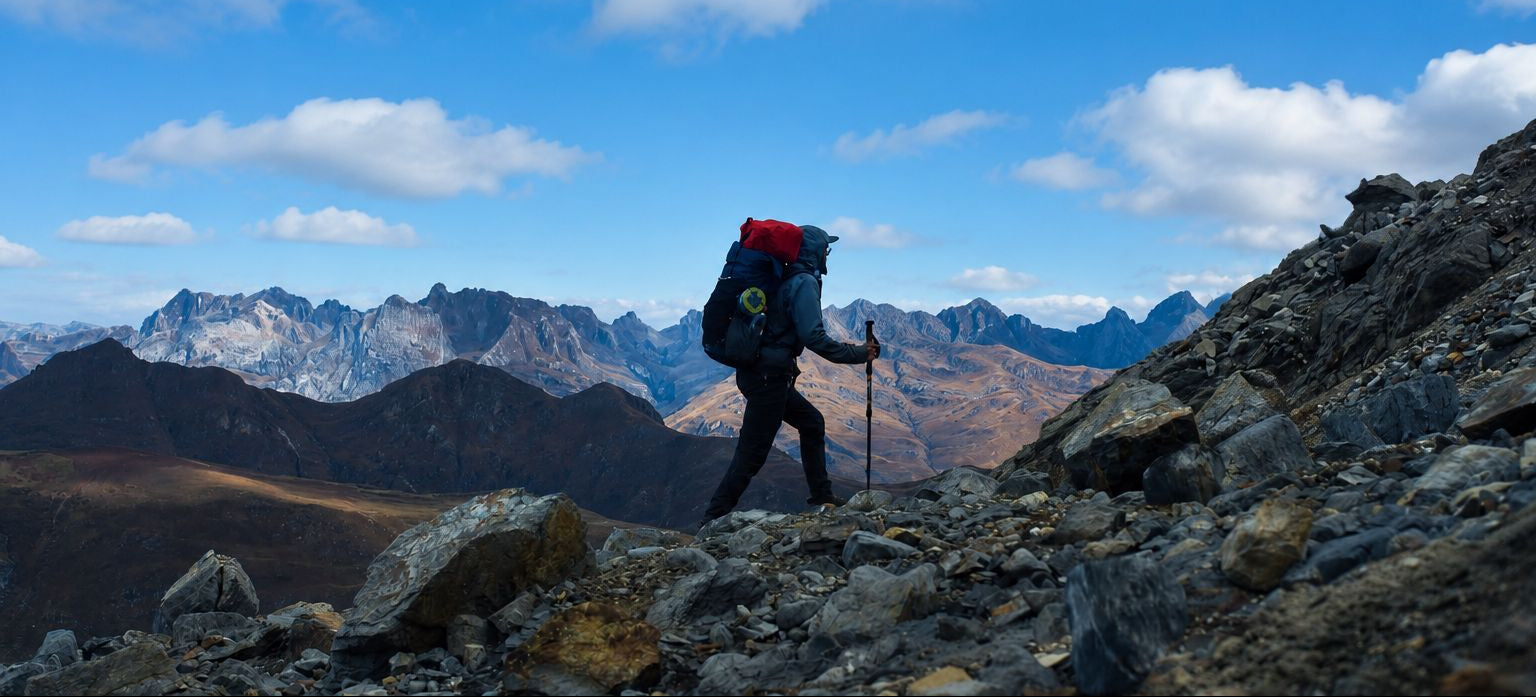
Imagine hiking on trails, feeling hungry and being caught off guard because you haven't packed the right foods. Good nutrition is essential to stay energized, focused, and ready to tackle the challenges of the wilderness. By knowing the types of backpacking foods available, you can choose light, nutritious, and satisfying meals that will keep you fueled without weighing you down. Whether you're a seasoned hiker or just starting out, knowing the best types of backpacking food will ensure you're prepared for any adventure.
This article explores the best backpacking food ideas, including the perfect blend of freeze-dried and dehydrated backpacking foods to meet your outdoor needs.
Understanding Backpacking Food Types
To properly plan your meals, you first need to understand the different types of backpacking food. The term "backpacking food types" refers to categories of meals and snacks specifically designed for outdoor adventures. These foods are lightweight, nutrient-dense, and easy to store, allowing adventurers to stay nourished without feeling weighed down. From long-lasting non-perishable foods to easy-to-rehydrate freeze-dried meals, there's an option for every trip. By choosing the right mix, you can reduce your pack weight, stay energized, and enjoy satisfying adventure meals. For more meal planning tips, check out our article on backpacking meals.

The 8 Types of Backpacking Food
Before heading out on your adventure, it's important to understand the different types of backpacking food to plan meals that will give you energy and keep you prepared. From lightweight options like freeze-dried meals to quick snacks and fresh produce, each type of food serves a unique purpose on the trail. Knowing what foods to pack can make the difference between a satisfying trip and one burdened by poor planning.
1. Reliable Non-Perishable Foods
Non-perishable foods are a staple for most hikers due to their long shelf life, light weight, and no refrigeration requirements. These include nuts, seeds, dried fruits, granola, and crackers, which provide high-energy density nutrition, making them ideal as hiking snacks or meal supplements.
With each serving typically providing between 100 and 200 calories, they are perfect for maintaining energy levels throughout the day. For day trips, 2 to 3 servings (400 to 600 calories) are usually sufficient, while multi-day trips require 3 to 5 servings per day (1,200 to 1,500 calories). While non-perishable foods are durable and versatile, they can lack freshness and variety over time, which can be a drawback for longer trips.
2. Freeze-Dried Foods
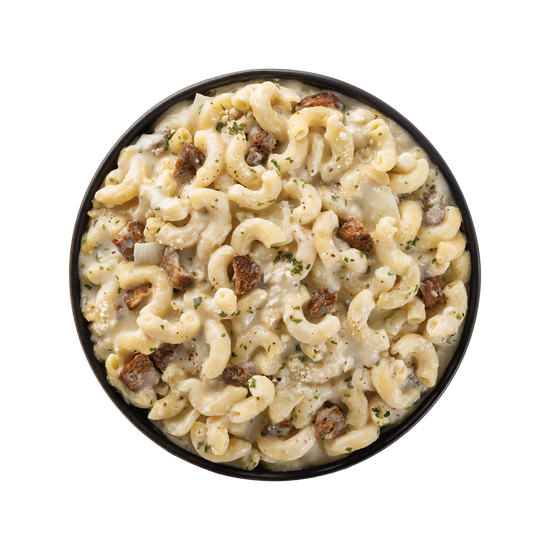
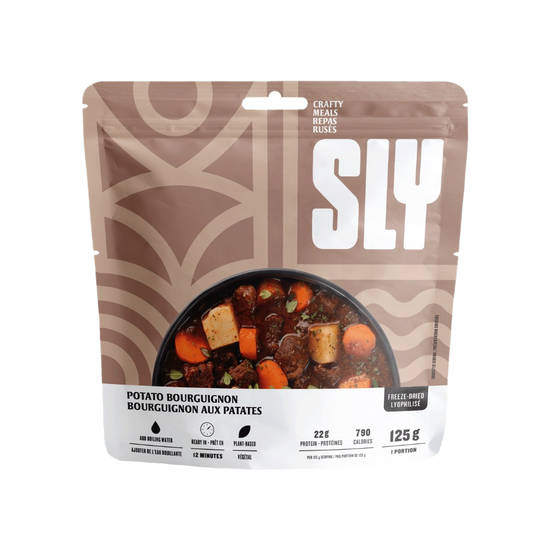
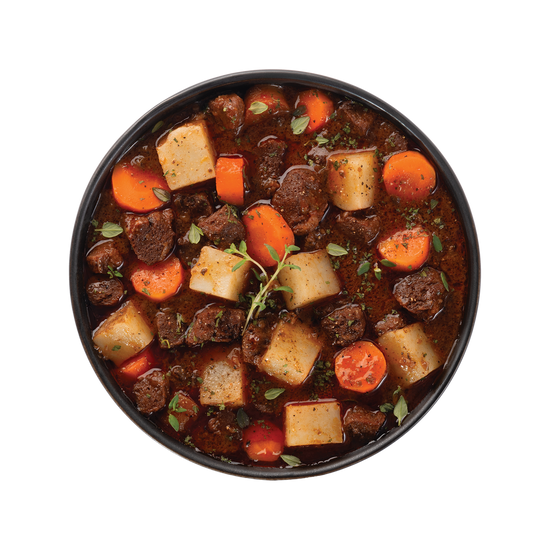
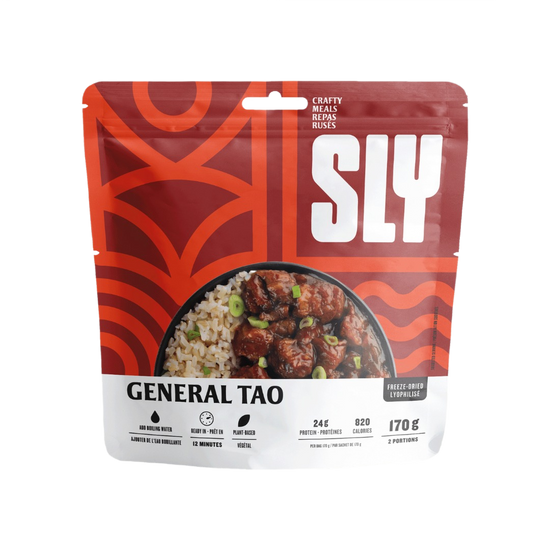
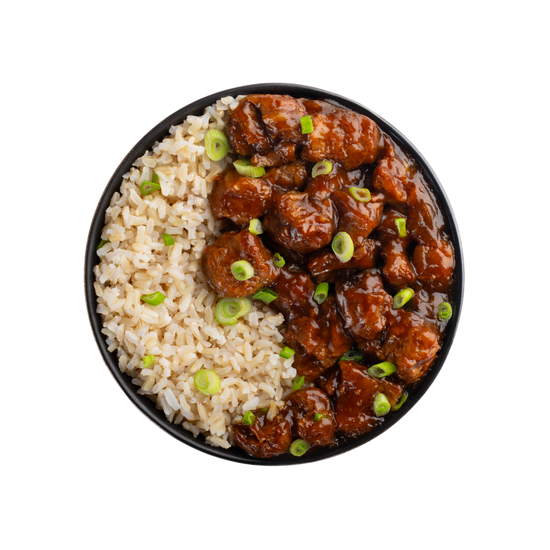
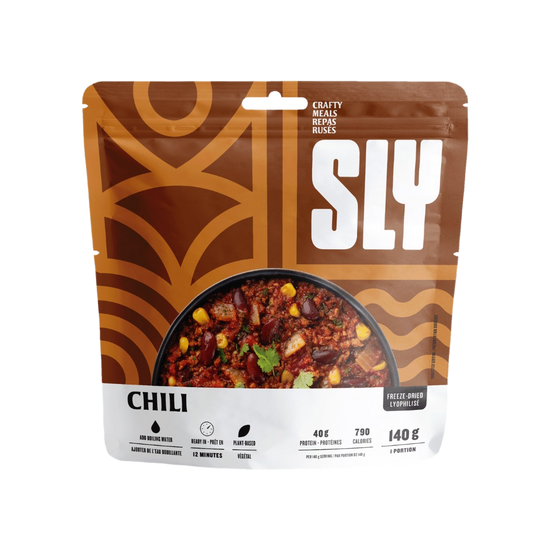
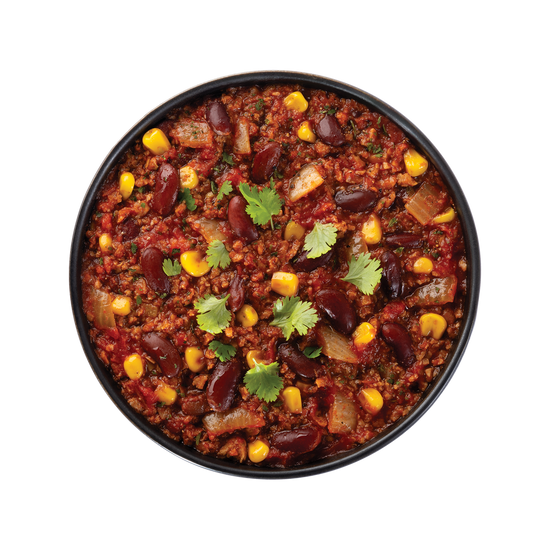
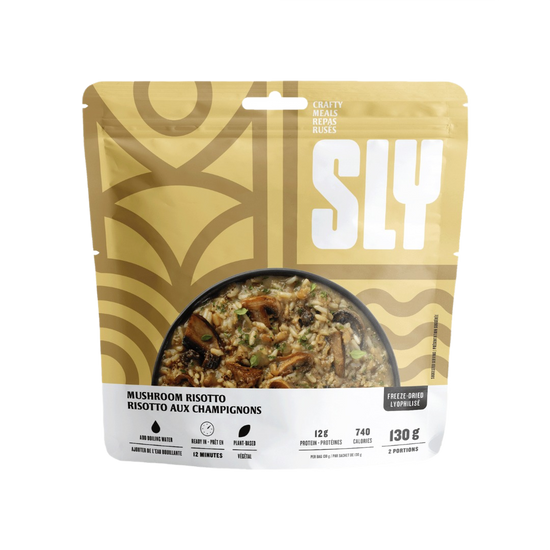
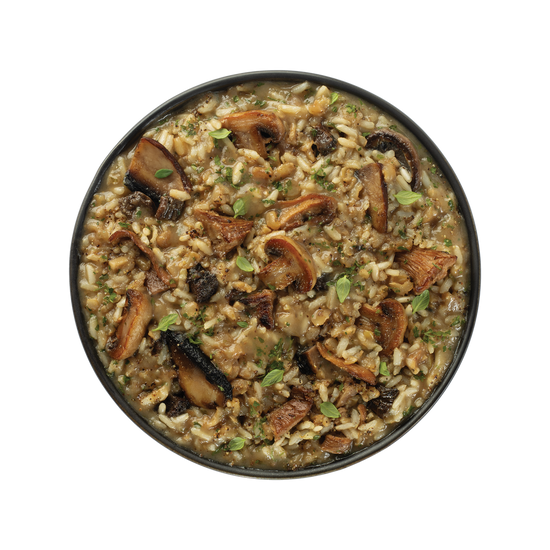
When it comes to lightweight, nutritious, and flavorful options, freeze-dried meals lead the pack. These meals are created by freezing and then dehydrating food, preserving its original taste, texture, and nutrients while making it exceptionally easy to carry. Options range from savory curries and creamy risottos to breakfast oatmeal and gourmet desserts like apple crumble or chocolate mousse.
Why are freeze-dried meals a favorite among hikers?
- Calories: Each meal provides between 500 and 900 calories, making it a high-energy option for adventurers.
- Easy Preparation: With just hot water, your meal is ready in minutes — ideal for breakfast, lunch, or dinner after a long hike.
- Weight Savings: These meals reduce pack weight, making them perfect for multi-day hikes.
- Preserves nutrients and full flavor.
- Quick preparation with minimal effort.
From savory to sweet, freeze-dried meals are versatile and satisfying, transforming your hiking meals into something enjoyable. For more ideas and tips, check out our article on freeze-dried foods for backpacking.


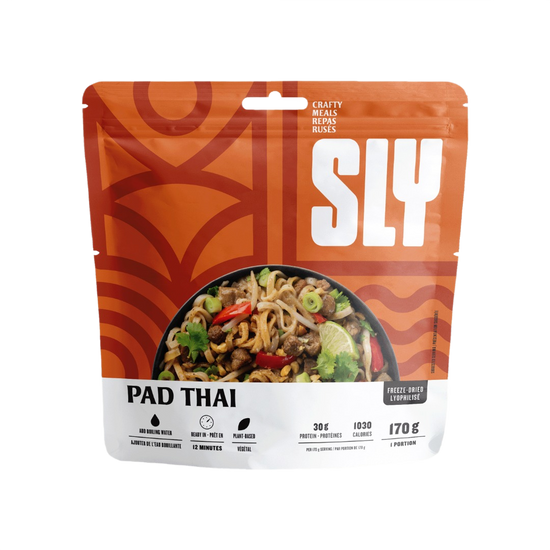
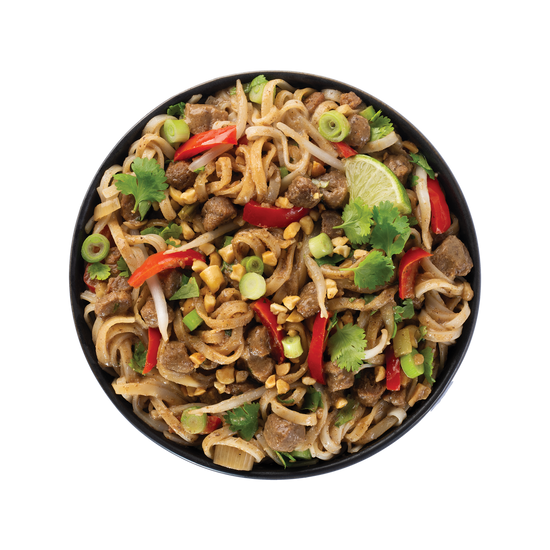
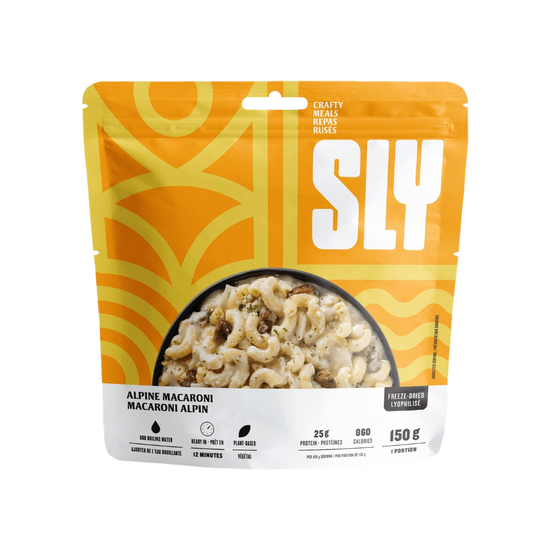
Try our Vegan Freeze-Dried Meals
Discover lightweight, nutritious, and delicious freeze-dried options to fuel your journey. Plan your trip with ease - pack smart, eat well, and explore more.
3. Dehydrated Foods
Dehydrated backpacking foods involve removing moisture through heat, creating compact and durable meals such as soups, stews, dried vegetables, and pasta. These foods are perfect for preparing a satisfying meal at camp.
- Calories: 200-400 calories per serving.
- Best time to eat: Ideal for dinners or hearty meals after a long day.
-
Recommended units:
- Day trip: 1 to 2 servings.
- Multi-day trip: 2 to 3 servings per day.
Dehydrated foods are economical and compact, making them an excellent choice for hikers. They are especially ideal for creating warm, comforting soups and stews. However, they do have some drawbacks, such as a longer cooking time than freeze-dried foods and the potential loss of some nutrients during the dehydration process.
For more information on dehydrated foods, check out our article on dehydrated meals.
4. Canned and Sterilized Foods
Canned and sterilized foods include products such as beans, soups, and stews, preserved through sealing and sterilization processes.
- Calories: 150-400 calories per can, depending on the product.
- Best time to eat: Ideal for base camp meals or short trips.
-
Recommended units:
- Day trip: 1-2 cans.
- Multi-day trip: Limited to 1 can per day due to weight.
Canned and sterilized foods are very flavorful and offer a wide variety of options, including vegan choices like beans and soups, making them ideal for short trips. However, their packaging tends to be heavy and bulky, making them less practical for long hikes.
For more information on canned and sterilized foods, check out our article on canned foods.
5. Meals Ready-to-Eat (MREs)
MREs combine convenience and nutrition in pre-packaged, fully cooked meals that require no preparation. With options ranging from hearty stews to rice dishes, they are perfect for quick lunches or dinners. Each meal typically contains between 400 and 700 calories, making them a satisfying option to refuel during your trip.
For a day adventure, a single meal is usually sufficient, while multi-day trips may require 1 to 2 meals per day. Their durable packaging makes them reliable in harsh conditions, and the fact that they don't require water or cooking is a major advantage. However, MREs are heavier than other food types and often offer a limited selection of vegan options, which may not suit all preferences.
6. Fresh Produce for Short Trips
Fresh fruits and vegetables are an excellent option for adding hydration and nutrients to your meals on short trips. Here's an overview of their benefits, tips, and limitations.
| Aspect | Description |
|---|---|
| Nutrients | Provide hydration, vitamins, and approximately 50-100 calories per piece. |
| Optimal Use | - 2 to 3 pieces for a day. - Consume within the first 48 hours to prevent spoilage. |
| Advantages | Ideal for snacks or to enrich meals. |
| Disadvantages | Perishable and add weight, impractical for long backpacking trips. |
Fresh produce is an ideal solution for short trips, enriching your meals with essential nutrients. However, their perishable nature limits them to short-duration adventures.
7. Energy Bars and Snacks
Energy bars, trail mixes, and vegan jerky are compact, high-calorie options designed for easy consumption during your trip. With 150 to 300 calories per serving, they provide a quick energy boost and are perfect for snacking on the go. For day trips, 2 to 3 servings are usually sufficient, while multi-day adventures may require 3 to 4 servings per day. These snacks are lightweight, easy to carry, and provide sustained energy, making them a reliable choice. However, their repetitive nature can make them less appealing over time.
You can do a quick search to find the energy bars that best suit your needs; check out this article for a variety of energy bars.
8. Emergency Rations
Emergency rations, calorie-dense and long-lasting, are essential for unforeseen situations and delays during trips. With 300 to 600 calories per serving, they should be used sparingly, primarily in critical need, and not as regular meals. Compact and practical, they offer indispensable food security for any outdoor adventurer.
The Best Food for Your Backpacking Adventure: Comparing Options
When planning your backpacking meals, it's important to consider factors such as weight, nutritional value, ease of preparation, and meal variety. Here's a comparison of the most common backpacking food types:
| Food Type | Weight and Packaging | Nutritional Value | Ease of Preparation | Meal Variety |
|---|---|---|---|---|
| Non-Perishable Foods | Lightweight, but can add up with multiple servings. | Provides good energy but may lack freshness and variety. | Easy to eat as a snack but limited for full meals. | Ideal for snacks, but lacks options for full meals. |
| Freeze-dried foods | Extremely lightweight, perfect for multi-day hikes. | Rich in calories, it retains its flavor and nutrients. | Just add hot water and it's ready in minutes. | Wide range of meal options, including savory and sweet dishes. |
| Dehydrated foods | Lightweight, but requires more storage space for ingredients. | Retains nutrients but may lose some during the dehydration process. | Cooking time is longer than freeze-dried products. | Ideal for stews and soups, but not as versatile as freeze-dried meals. |
| Canned and sterilized foods | Heavy and bulky. | Rich in flavors, especially with vegan options like beans and soups. | Ready to eat, but no ease of preparation. | Limited variety and impractical for long hikes. |
| MREs | Heavier and bulkier than other options. | High in calories, but lacks flavor and variety. | No preparation needed, but it spoils easily. | Limited vegan options and fewer flavor choices. |
| Fresh produce | Adds weight and perishes quickly. | Rich in nutrients and hydrating. | No preparation needed, but the product spoils easily. | Limited to fruits and vegetables, not a complete meal. |
| Energy bars and snacks | Compact and easy to transport. | They are perfect for a quick energy boost but can be high in sugar. | Quick and convenient, no preparation needed. | Can become repetitive and lacks variety. |
| Emergency rations | Compact and durable | High in calories, but basic flavor. | Only necessary in an emergency; not a regular meal. | Neutral and basic taste, ideal for survival situations. |
Freeze-dried meals are perfect for backpacking trips, combining lightness, flavor and nutrient preservation, as well as quick preparation. Practical and versatile, they offer a wide variety of dishes, from savory curries to gourmet desserts, suitable for all your adventures, whether short or long.


How to choose the right types of food for backpacking?
To choose the right types of food for backpacking, you need to consider the duration of your trip, the intensity of your activities, and your dietary preferences. For longer trips, freeze-dried and dehydrated foods are ideal due to their lightness and ease of preparation. For shorter adventures, fresh produce or canned foods can provide variety. Make sure to balance proteins, fats, and carbohydrates for sustained energy and plan snacks for quick refueling.
How to plan your meals according to your specific needs?
To plan meals for an outdoor adventure, you need to understand your unique needs and preferences, as well as the demands of your trip. Here's how to adjust your food choices and ensure you're well-nourished throughout your journey in five steps, while considering different types of food for backpacking:
- Assess your caloric needs: Consider the intensity and duration of your backpacking trip. For example, an intense hike may require 2,500 to 4,000 calories per day. Choose the best backpacking foods that are both high in calories and lightweight, such as energy bars, nuts, and freeze-dried meals.
- Consider your dietary preferences: Whether you are vegan, gluten-free, or have specific allergies, there are many types of food for backpacking that meet your needs. Vegan freeze-dried meals, dried fruit, and nut butter are excellent choices.
-
Match food choices to trip duration:
- Short trips (1-2 days): Fresh produce and ready-to-eat meals are well-suited.
- Multi-day trips: Prioritize durable options like freeze-dried and dehydrated foods to save weight and space.
- Plan for convenient foods: Choose foods that are easy to prepare and eat on the go. For a quick energy boost, pack fruit and vegetable mixes and protein bars. For camp meals, prioritize foods like freeze-dried curries or stews, which only require water for preparation.
- Add variety to your packs: Mix and match food types to avoid meal fatigue. Combining freeze-dried foods, dehydrated foods, snacks, and non-perishable items ensures both variety and good nutrition.
By tailoring your meal plan to your activity level, dietary needs, and trip duration, you can make informed choices that will keep you energized and focused. Exploring the best types of food for backpacking ensures an enjoyable and stress-free outdoor adventure!
For more information, read our article explaining how to plan adventure meals according to the specificities of your trip.
Frequently asked questions
What is the difference between freeze-dried and dehydrated foods?
Freeze-dried foods retain more flavor and nutrients due to the freezing process, while dehydrated foods are lighter and sometimes cheaper, but may require longer cooking times.
How to make vegan food more exciting for hikers?
Mix options like vegan freeze-dried meals, dehydrated soups, and fresh spices. Add variety with energy bars, nut butter, and dried fruits.
Are canned foods practical for hikers?
Canned foods are heavier, but they are perfect for short trips or base camps, where variety and convenience matter more than weight.
What is the best food for long backpacking trips?
For long trips, freeze-dried backpacking foods are ideal due to their lightness, compact packaging, and quick preparation time.
Conclusion
Meal planning for outdoor adventures can be simple and effective with the right approach. By exploring and understanding the different types of food for backpacking, you can create a meal plan that balances nutrition, convenience, and flavor for any hike, trek, or camping trip. Whether it's the lightness and nutrient richness of freeze-dried foods or the versatility and cost-effectiveness of dehydrated meals, each option plays a role in fueling your journey. Whether you prefer a mix of food types for backpacking or rely on a single option, thoughtful preparation will keep you energized, well-nourished, and ready for any adventure.
Ready to stock up on premium, vegan freeze-dried foods for hikers? Visit our online store. Get ready and fuel your next adventure the right way!
Try our Vegan Freeze-dried Meals
Discover lightweight, nutritious, and delicious freeze-dried options to fuel your journey. Plan your trip with ease – pack smart, eat well, and explore more.