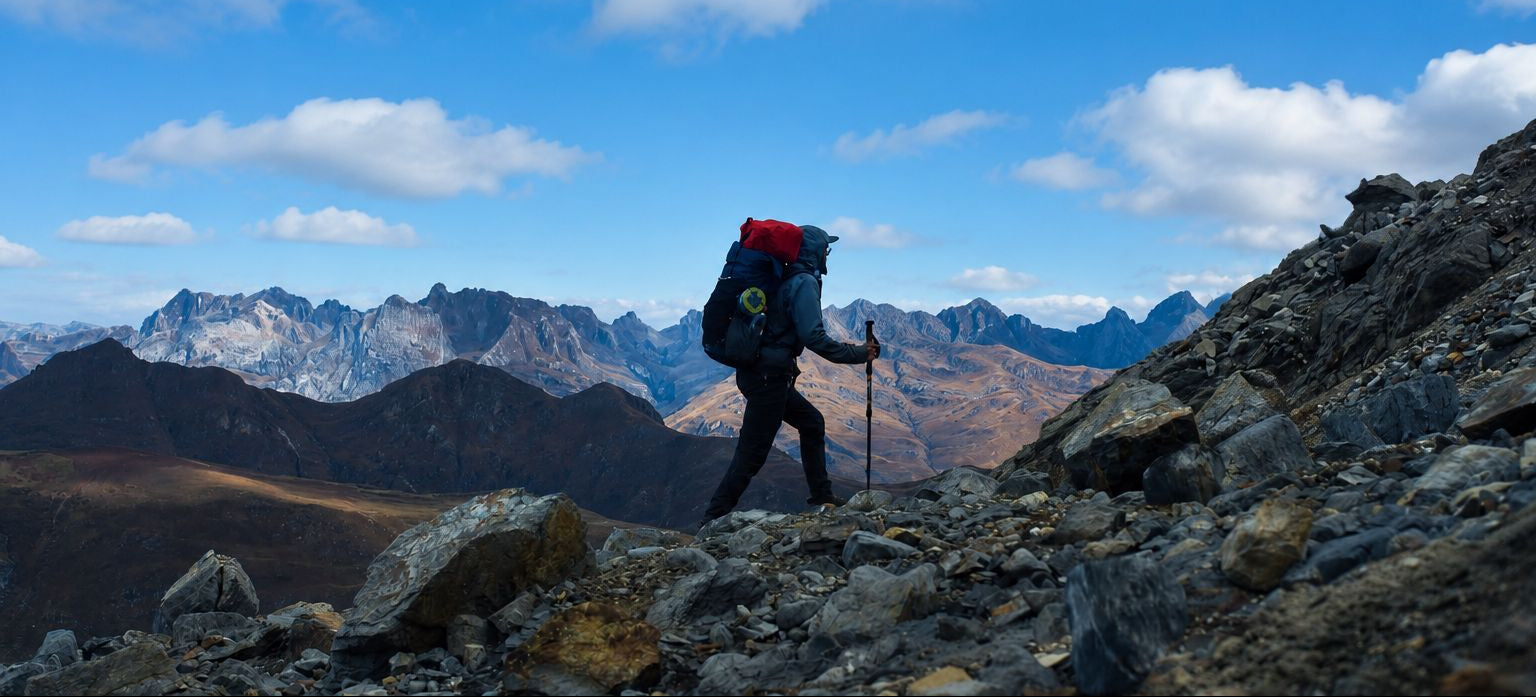
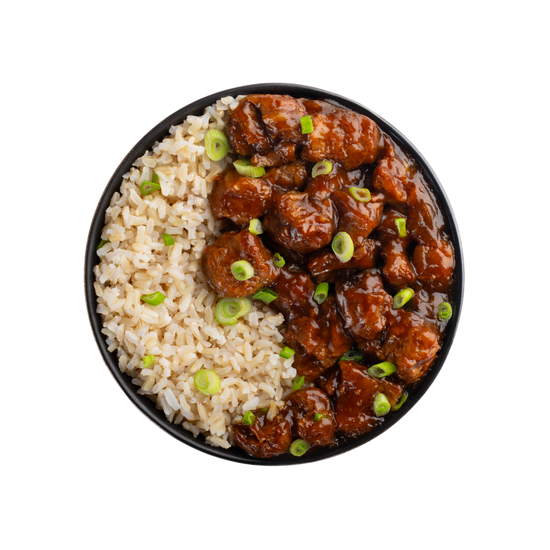
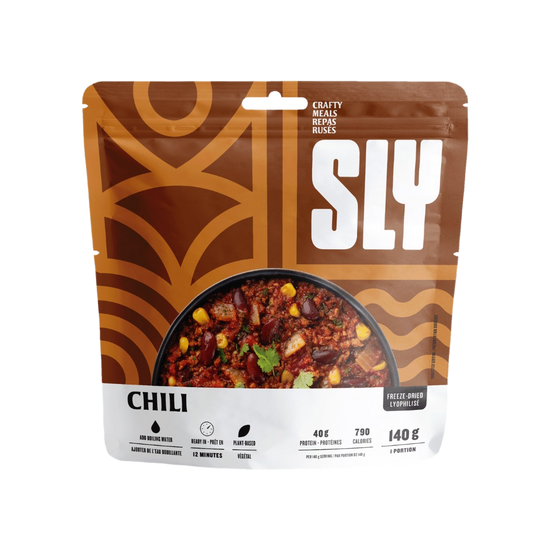
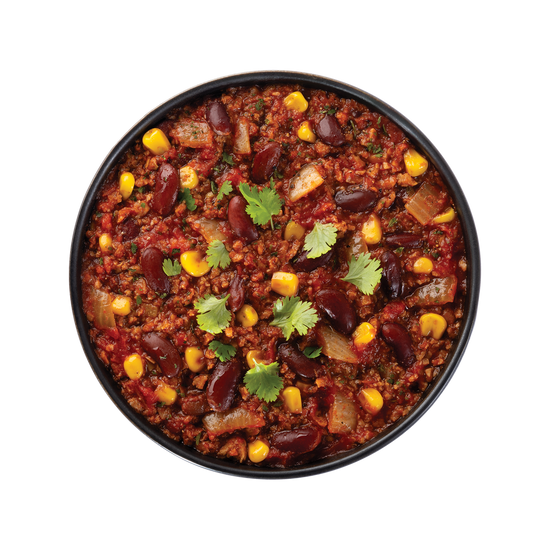
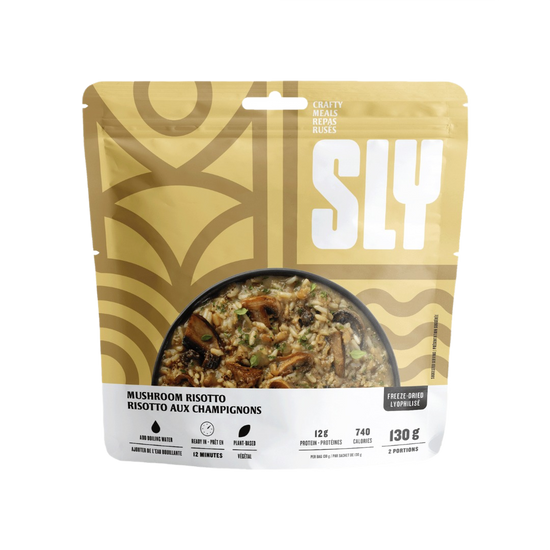
Outdoor adventures are exciting, but meal planning can be a challenge. Freeze-dried backpacking meals change the game—they're lightweight, easy to pack, and packed with nutrients to keep you fueled. Whether you're on a day hike or camping for a week, these meals are designed for convenience and flexibility.
So, what are the best freeze-dried foods, how do you prepare them, and why are freeze-dried backpacking meals ideal for short trips and extended adventures? Discover everything you need to prepare the perfect meals for your outdoor adventure.
What are Freeze-Dried Backpacking Meals?
Freeze-dried backpacking meals include food and snacks that have had their moisture removed while retaining their nutrients and flavor. The process involves freezing food and using a vacuum to extract water, making them lightweight and durable. From hearty meals to freeze-dried fruits, vegetables, and candies, these options are perfect for outdoor adventures.
Freeze-dried foods are often considered the best choice for outdoor adventures due to their convenience and versatility. For more information on types of food for outdoor adventures, check out our blog post on types of backpacking food.
Advantages of Freeze-Dried Backpacking Meals
Freeze-dried foods offer unparalleled convenience and flexibility. Their lightness reduces the weight of your pack, allowing you to carry more essential items.
- Lightweight and compact: Reduces your pack weight, allowing you to carry more essentials.
- Long shelf life: Can be stored for months or even years, making it ideal for spontaneous trips.
- Nutrient-rich and flavorful: Retains the nutritional value and taste of fresh ingredients, keeping you energized and satisfied during your adventure.
- Convenient: Easy to prepare, often only requiring the addition of water.
Want to learn more? Check out our article on the benefits of freeze-dried foods.

How to Choose Freeze-Dried Backpacking Meals
When choosing freeze-dried backpacking meals, prioritize those that are lightweight, nutritious, and suited to your dietary preferences. Here’s how to select the best freeze-dried foods for main meals, side dishes, snacks, and energy boosters:
Main Meals: Hearty and Satisfying Options
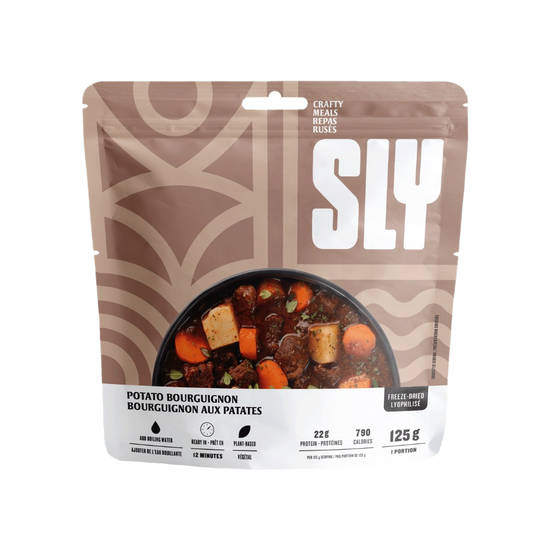
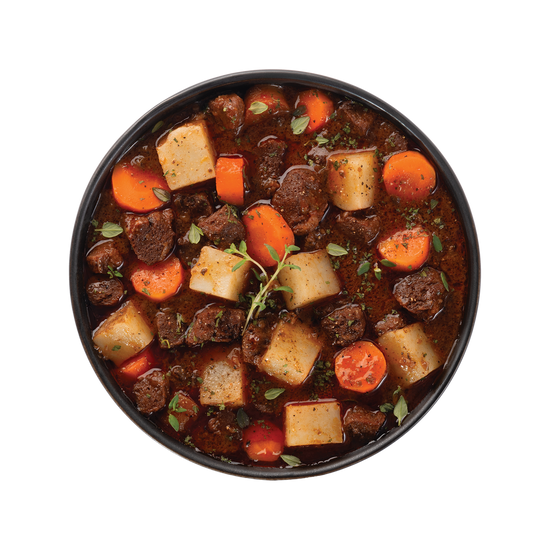
Main courses should provide a balanced mix of calories, protein, and flavor for sustained energy. Vegan options like freeze-dried Lentil Dahl, vegetable stew, or Bolognese pasta are ideal for outdoor adventures.
The energy-to-weight ratio is crucial when choosing food for backpacking. Freeze-dried meals provide a high calorie count in a lightweight format. Meals can average between 500-900 calories each, making them ideal for long hikes.


Need freeze-dried food for your adventure?
Discover lightweight, nutritious, and delicious freeze-dried options to fuel your journey. Plan your trip with ease.
Side Dishes: Lightweight Nutrition
Side dishes enhance your meals by adding variety and extra nutrients. Freeze-dried vegetables, peas, spinach, or peppers can be rehydrated and paired with your main courses. These lightweight veggies are perfect for boosting your vitamin and mineral intake while keeping your pack light. Try mixing freeze-dried vegetables with quinoa or instant rice for a healthy and easy-to-prepare side.
Snacks: Quick Energy on the Trail
Snacks provide energy between meals, and freeze-dried fruits are an excellent choice for quick, nutritious bites. Freeze-dried mangoes, apples, or strawberries are lightweight, naturally sweet, and packed with vitamins. They’re perfect for snacking on the go or adding to oatmeal for a quick breakfast.
Pair freeze-dried fruits with nuts or granola for a trail mix that’s both satisfying and easy to carry.
Energy Boosters: Sweet and Functional Treats
Energy boosters, like freeze-dried candies, provide a quick sugar rush when you need it most. Look for vegan options, such as freeze-dried marshmallows or fruit-based candies, which are perfect for tough stretches of your hike. These treats are lightweight, mess-free, and add a fun element to your outdoor meals. Pack a mix of freeze-dried candies and fruits to satisfy both your sweet cravings and nutritional needs. For more information, check out this article on the health benefits of freeze-dried candy.
Freeze-Dried Food Recipes
With freeze-dried food recipes, meal planning for outdoor adventures becomes easy and fun. They’re lightweight, quick to prepare, and perfect for hiking. Below is a table with easy meal ideas tailored for your outdoor needs:
| Meal Type | Recipe Name | Ingredients | Preparation |
|---|---|---|---|
| Breakfast | Energy Bowl | Freeze-dried fruits (strawberries, bananas), instant oatmeal, nuts or seeds. | Add hot water to oatmeal and freeze-dried fruits, mix, and top with nuts or seeds for extra energy. |
|
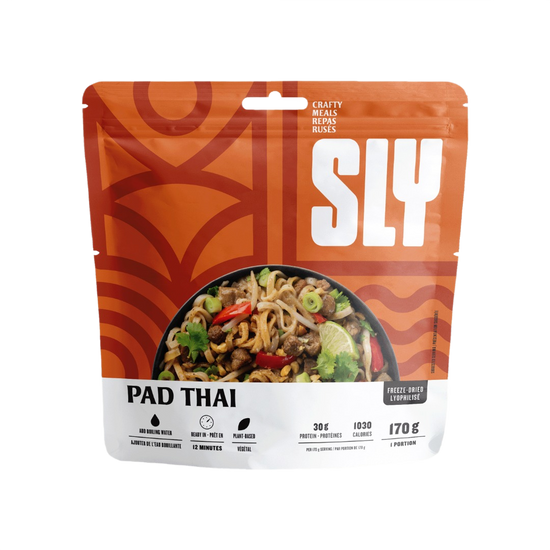
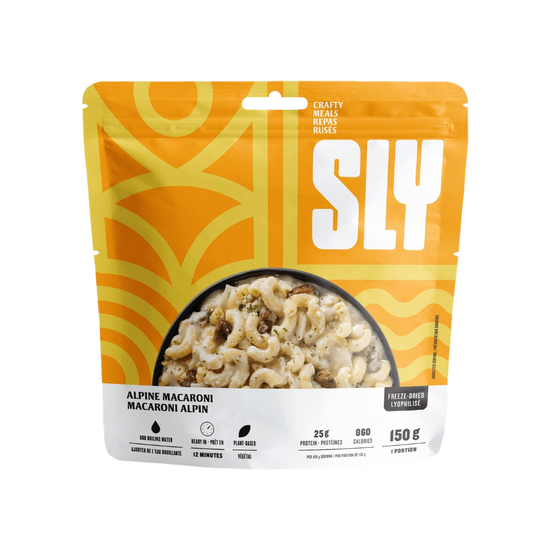
Lunch/Dinner (SLYFOOD) |
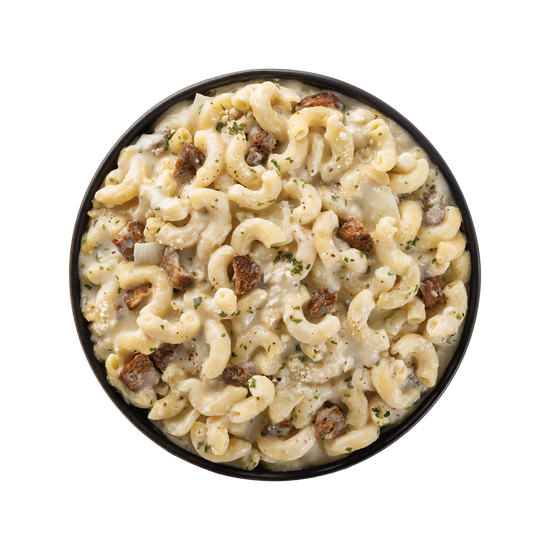
Alpine Macaroni | Macaroni pasta (wheat), Onions, Canola oil, Smoked soy protein, Wheat flour, Garlic, White wine, Cornstarch, Nutritional yeast, Sea salt, Natural flavors, Spices, Herbs. | 1. Open the packaging at the first notch and remove the oxygen absorber. 2. Add 250 ml of boiling water to the pouch and mix well. 3. Close the pouch and let it rest for 10 minutes. 4. Tear the pouch at the second notch. Mix well and enjoy! |
|
Dinner (SLYFOOD) |
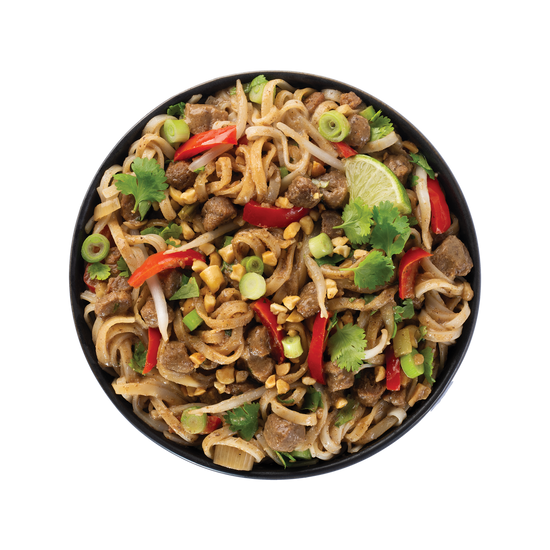
Pad Thai | Rice vermicelli, Red peppers, Soy protein, Canola oil, Green onions, Peanuts, Brown sugar, Soy sauce, Bean sprouts, Rice vinegar, Garlic, Lime juice, Mushrooms, Seaweed, Spices, Herbs. | 1. Open the packaging at the first notch and remove the oxygen absorber. 2. Add 220 ml of boiling water to the pouch and mix well. 3. Close the pouch and let it rest for 10 minutes. 4. Tear the pouch at the second notch. Mix well and enjoy! |
| Snack/Dessert | Sweet Treats | Freeze-dried candies, berries, granola | Rehydrate berries, mix with granola, and crumble freeze-dried candies on top for a lightweight dessert. |
With these easy recipes, you'll be able to enjoy delicious and nutritious meals on your outdoor adventures.

Packing and Organizing Meals
Efficient packing ensures your meals stay organized, accessible, and protected during your trip. Here’s how to pack and organize freeze-dried backpacking meals in 6 steps:
- Side Pockets: Use these for quick-access items like freeze-dried fruits and candies. These lightweight snacks are perfect for mid-hike energy boosts.
- Main Compartment: Store your main meals (like freeze-dried pasta, curries, or stews) here. Group them by meal type (breakfast, lunch, dinner) in resealable or labeled bags.
- Top Pouch: Place small, frequently used items, such as freeze-dried vegetables or spices, to quickly enhance your meals.
- Waterproof Bags: Use waterproof or airtight containers for all food items to protect them from rain, splashes, or moisture.
- Group by Use: Keep snacks together, meals together, and side dishes with versatile additions like freeze-dried peas or spinach. This setup makes for stress-free cooking and snacking.
- Balance Weight: Distribute heavier food items closer to the center of your pack to maintain balance while hiking.
This system will save you time, space, and energy while keeping all your freeze-dried backpacking meals easily accessible and safe throughout your adventure.
Freeze-Dried Foods Vs. Other Options
When planning meals for outdoor adventures, choosing the right type of food is important for convenience, nutrition, and weight management. Here’s how freeze-dried backpacking meals compare to canned and dehydrated options, especially for vegan hikers.
| Feature | Canned Foods | Dehydrated Foods | Freeze-Dried Meals |
|---|---|---|---|
| Weight & Portability | Heavy and bulky, not ideal for hiking. | Retains nearly all nutrients and flavor, offering various vegan options such as freeze-dried fruits. | Extremely lightweight, perfect for long hikes and multi-day backpacking trips. |
| Shelf Life | Shorter shelf life, typically 1-2 years. | Moderate shelf life, typically 1-5 years. | Long shelf life, often over 20 years, ideal for stocking up for future adventures. |
| Preparation Time | Ready to eat, but heavy and requiring utensils for serving. | Longer rehydration time, impractical for quick meals. | Quick rehydration with boiling water, saving time and effort during outdoor activities. |
| Nutritional Value | Some nutrient loss due to dehydration; taste is often compromised. | Some nutrient loss due to dehydration; taste is often compromised. | A wide variety, including freeze-dried food recipes designed for vegan diets, from savory dishes to sweet treats. |
| Taste and Variety | Limited variety, vegan options are harder to find. | Less flavorful, limited vegan options. | Quick rehydration with boiling water, saving time and effort during outdoor activities. |
| Suitability for Hiking | Ideal for car camping, but not suitable for hiking or long trips. | Suitable for short trips, but less practical for extended hikes. | Perfect for hiking and backpacking due to its lightness and versatility. |
Why choose freeze-dried foods for outdoor adventures?
Freeze-dried foods combine the best of convenience, nutrition, and taste, making them the top choice for vegan hikers. With lightweight packaging, a long shelf life, and quick preparation, freeze-dried meals like fruits, vegetables, and even desserts keep you energized and satisfied on the trail. If you're looking for the best freeze-dried backpacking meals for your next adventure, visit our online store SlyFood for a variety of vegan freeze-dried meals designed for hiking and backpacking.
Tips for preparing freeze-dried foods
Preparing freeze-dried backpacking meals is easy and can be enhanced with five simple tips.
- Use a compact stove: A lightweight camping stove like the JetBoil boils water quickly, which is important for rehydrating freeze-dried meals.
- Follow package instructions: Check the package for the exact amount of water and rehydration time, usually between 5 and 20 minutes.
- Plan for rehydration at altitude: At altitude, water boils at lower temperatures, so allow more time to rehydrate your meals.
- Stay hydrated: Drink water while eating to aid digestion and maintain your energy levels during your hike.
- Bring seasonings: Pack lightweight seasonings like chili flakes or garlic powder to customize meals and enhance freeze-dried food recipes.
Frequently asked questions
How long do freeze-dried foods for hikers last?
Freeze-dried foods for hikers can last from 5 to 30 years. Shelf life depends on packaging and storage conditions. When stored in a cool, dry place, these meals can remain safe and nutritious for decades.
Why are freeze-dried foods popular with hikers?
Freeze-dried foods for hiking are lightweight and easy to carry, making them ideal for hikers. They require minimal preparation, saving time on the trail. These meals also retain their taste and nutrients, allowing you to enjoy good nutrition on your trip.
What is the difference between freeze-dried and dehydrated foods for hikers?
Freeze-dried foods remove moisture through a freezing process, preserving more nutrients and flavors. Dehydrated foods remove water through heat, which usually results in a different texture and taste. Both methods extend shelf life, but freeze-dried foods generally offer better quality.
What are the nutritional benefits of freeze-dried foods for hikers?
Freeze-dried meals retain most of their original nutrients. They are a compact energy source, often containing between 500 and 900 calories per meal. This makes them perfect for hikers who need adequate fuel during their adventures.
How should freeze-dried meals be prepared during the trip?
To prepare freeze-dried meals, simply add hot water and let them rehydrate. Follow the instructions on the package for water quantities and soaking times. This method is quick and allows you to enjoy a hot meal while relaxing during your hike.
Conclusion
Freeze-dried backpacking meals are a game-changer for outdoor enthusiasts, offering lightweight, nutritious, and easy-to-prepare meals. From freeze-dried fruits and vegetables to vegan meals and freeze-dried candy, these foods meet all needs, while ensuring energy and convenience on the trail. Whether you're going on a day hike or a multi-day trek, adding freeze-dried backpacking foods to your plan ensures a satisfying and hassle-free outdoor experience.
Need freeze-dried foods for your adventure?
Discover lightweight, nutritious, and delicious freeze-dried options to fuel your journey. Plan your trip with ease