Have you ever struggled to prepare light yet satisfying meals? Are you planning an outdoor adventure and unsure of the best food for your trip? Canned foods are one of the best choices. They are economical, rich in nutrients, and perfect for energizing you during your travels. Their long shelf life and versatility make them an ideal option for hikers, campers, and trekkers. In this guide, we will introduce you to the benefits of canned foods and provide practical tips for planning your outdoor adventure meals.
What is canned food?
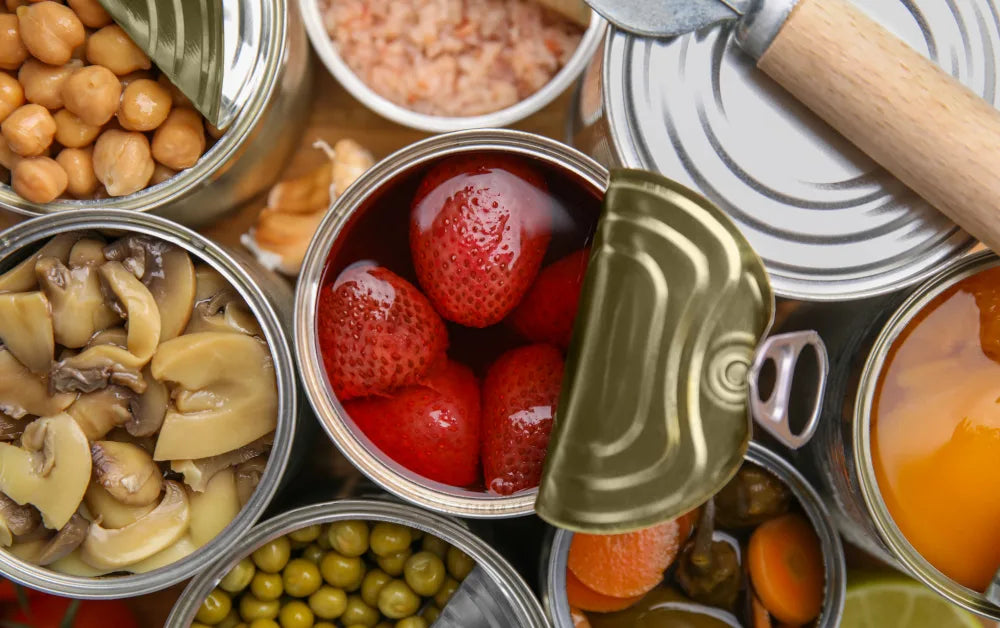
Canned foods are foods that have been sterilized and sealed in airtight containers, such as metal cans or glass jars, to preserve their freshness, flavor, and nutritional value for long periods without the need for refrigeration. This preservation process prevents spoilage by eliminating harmful microorganisms, making canned foods a reliable and durable option for long-term storage.
A list of canned foods is full of different options for outdoor adventures, but it works even better when combined with other types of backpacking foods, such as freeze-dried and dehydrated options. Check out our guide on types of backpacking foods to create the perfect meal plan for your next outdoor activity.
Canned Foods: An Overview
Canned foods are a reliable staple for outdoor enthusiasts. They are known for their convenience, long shelf life, and ability to retain nutrients. Perfect for camping, hiking, or backpacking, they offer a practical solution to meal planning, with a wide range of options to suit any adventure.
Benefits of Canned Foods
Sterilized canned foods offer numerous benefits, making them a practical and flexible choice for various situations, including outdoor adventures and daily use:
- Long shelf life: Their ability to stay fresh for years without refrigeration ensures reliable meal options for extended trips or emergencies.
- Ease of use: Ready to eat or requiring minimal preparation, canned foods save time and effort in meal preparation.
- Durability: Designed to withstand rough handling, canned options are perfect for outdoor activities such as camping or hiking.
- Budget-friendly: They are an affordable choice, offering nutritious and satisfying options without breaking the bank.
- Eco-friendly waste management: Controlled portions reduce food waste, and recyclable packaging minimizes environmental impact.
By leveraging these benefits, canned foods are practical, economical, and reliable, meeting diverse needs.

5 Characteristics of Canned Foods
Canned foods are a flexible and reliable option, valued for their unique qualities that make them ideal for various scenarios, from daily meals to outdoor adventures. Here are their main characteristics:
- Nutritional value and retention: They retain much of their nutrients during the canning process. Important vitamins, minerals, and macronutrients are preserved, ensuring you receive the nutrients you need.
- Extended shelf life: One of its main features is its long shelf life. Sealed in airtight containers and sterilized, they remain fresh and safe for years, making them ideal for storage, emergency preparedness, and extended travel.
- Convenience: Ready to eat or requiring minimal preparation, canned foods are incredibly convenient. Their sturdy packaging also makes them portable and damage-resistant, perfect for camping, hiking, or nomadic lifestyles.
- Food safety: The canning process eliminates harmful bacteria and seals food in a sterile environment, ensuring safety without requiring refrigeration.
- Wide variety: They come in a multitude of options, from vegetables and fruits to soups, beans, and complete meals, to meet diverse tastes and dietary needs.
These characteristics make canned meals a practical and reliable choice, especially when paired with lightweight options like freeze-dried foods.
Using Canned Foods on Outdoor Adventures
When camping or hiking, it's important to pack different types of food to meet your nutritional needs while ensuring meals are practical and enjoyable. Your choices will depend on your budget, taste preferences, and ingredient availability. Including a mix of options from a well-balanced canned food list, as well as freeze-dried and dehydrated foods, ensures balanced, light, and easy-to-prepare meals. This combination not only provides varied textures and flavors but also covers important nutrients to maintain energy during your adventure. Here are some simple meal ideas to inspire your outdoor meals:
- Breakfast: Canned fruit with oatmeal or granola
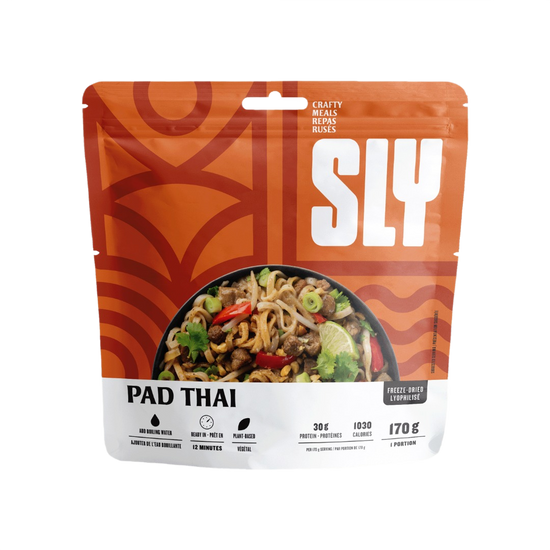
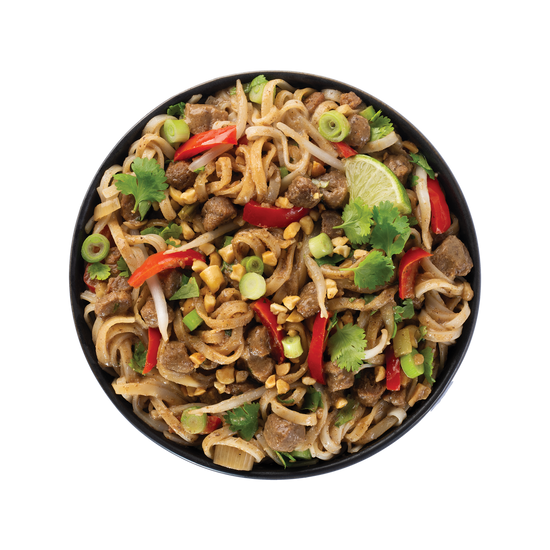
- Lunch: Canned chickpeas with Slyfood's freeze-dried Pad Thai
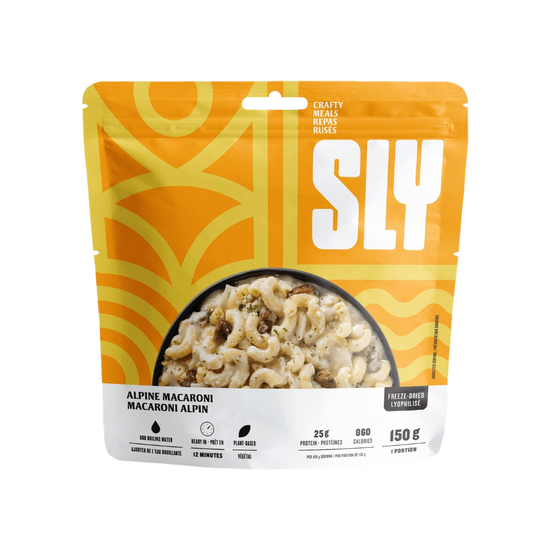
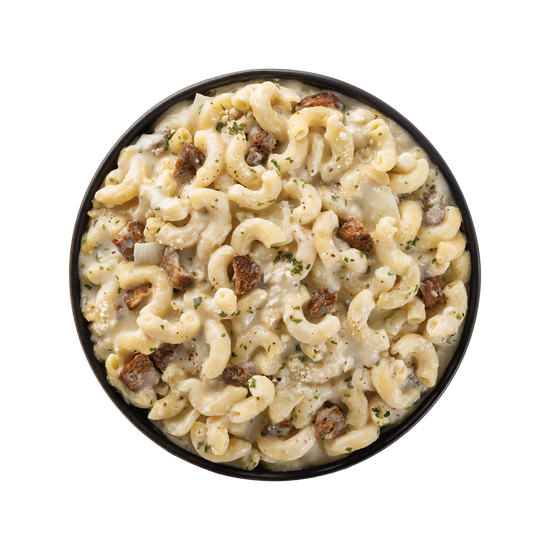
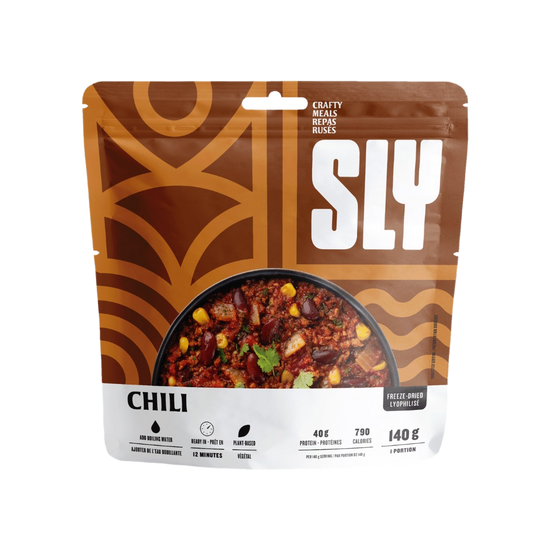
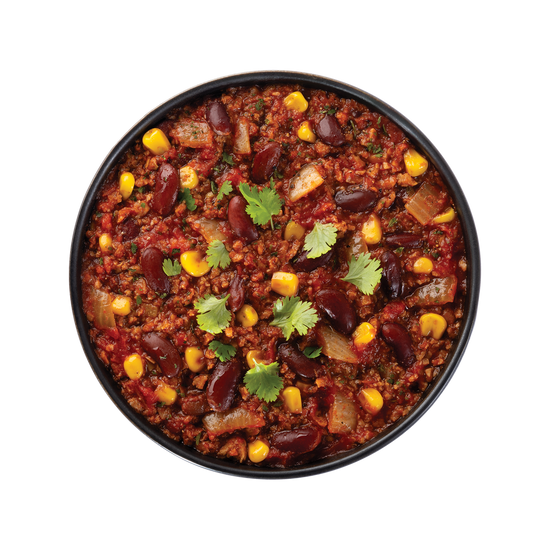
- Dinner: Canned chili with Slyfood's freeze-dried Alpine Macaroni meal
- Snack: Canned beans with tortillas or dehydrated fruit for a quick snack.


By combining canned, freeze-dried, and dehydrated foods, you can create a well-balanced meal plan that is light, convenient, and packed with nutrients to fuel your outdoor adventure. Check out our article on backpacking meals for more ideas on planning your outdoor adventure meals.
Try our vegan freeze-dried meals
Don't let meal planning stress you out! Explore premium vegan freeze-dried options to complement your canned food and make your adventure a breeze.
Understanding BPA in Canned Goods
Bisphenol A (BPA) is a chemical commonly used in the interior lining of sterilized cans to prevent corrosion and preserve food quality. While BPA helps protect food from contamination, concerns have been raised about its potential health effects when it leaches into food. Studies suggest that prolonged exposure to BPA may disrupt hormonal balance and lead to health risks.
To address these concerns, many manufacturers have opted for BPA-free alternatives, offering safer options without compromising food safety or shelf life. When choosing canned foods, look for labels indicating "BPA-free" to make informed and health-conscious decisions. In this article, you will learn if canned foods are now BPA-free.
Canned, Dehydrated, or Freeze-Dried Foods
When planning meals for outdoor adventures or long-term storage, it's important to understand the differences between canned, dehydrated, and freeze-dried foods. The table below provides a clear comparison to help you decide which option best suits your needs.
| Generally affordable | Canned Foods | Dehydrated Foods | Freeze-Dried Meals |
|---|---|---|---|
| Shelf life | Long (2-5 years) | Moderate (1-2 years, depending on storage) | Very long (up to 25 years with proper storage) |
| Weight | Heavy, due to water content and sturdy packaging | Light; water removed | Extremely light; up to 98% of water removed |
| Nutritional retention | Good, although some nutrients may be lost during canning | Moderate; heat can destroy some vitamins | Excellent; retains up to 97% of nutrients |
| Convenience | Ready to eat or minimal preparation required | Requires rehydration before use | Requires rehydration but is often faster to prepare |
| Taste and texture | Softened texture; flavors are well preserved | Chewy or slightly altered texture | Retains original texture and taste upon rehydration |
| Packaging durability | Very durable, suitable for travel | Must be handled carefully to avoid tearing | Generally durable but more susceptible to punctures |
| Cost | Affordable and widely available | Generally affordable | More expensive due to advanced processing techniques |
| Best use | Short trips, camping, or emergency situations | Budget-friendly meal and snack planning | Long-term storage, lightweight travel, or premium meals |
Each type of food has its own usefulness in meal planning. Canned goods are perfect for ready-to-eat meals with a long shelf life, but they can be bulky. Dehydrated meals are light and affordable but require more preparation. Freeze-dried foods retain nutrients and taste while being lightweight, making them ideal for long hikes or emergencies.

Why Are Canned Foods Ideal for Outdoor Adventures?
Canned foods are perfect for outdoor adventures because they are non-perishable, durable, and incredibly easy to store. Whether you're going for a short weekend camping trip or a long hike, canned meals are convenient, require little preparation, and can withstand harsh outdoor conditions. They keep you well-nourished without the need for refrigeration or elaborate cooking facilities. In fact, survival canned goods are often designed to last even longer, providing greater peace of mind for extended trips.
7 Tips for Packing Canned Food for an Outdoor Adventure
Packing canned food for outdoor adventures requires careful planning to optimize space, minimize weight, and ensure easy access to your meals on the go. Whether you're using items from your canned food list or combining them with other lightweight options, a strategic approach can make all the difference. Here are some practical tips to help you plan your meals efficiently and stress-free:
- Keep canned goods cool and safe: While canned goods do not require refrigeration, it is important to store them in a cool, dry place to prevent can degradation.
- Choose lightweight options: Opt for smaller, lighter containers to reduce the load in your backpack. Choose individual portions to avoid carrying extra weight or leftovers.
- Repack into resealable bags: Transfer heavy canned foods into lightweight, resealable bags or containers to save space and reduce bulk.
- Organize meals for easy access: Pack your meals in the order you plan to eat them. Place snacks and frequently used items at the top or in pockets for quick access.
- Use a stuff sack or dry bag: Store all your food in a single stuff sack or dry bag to keep it organized and protected from moisture.
- Balance weight distribution: Place heavier items closer to your back and lower in your backpack to maintain balance. Distribute smaller, lighter items to prevent them from shifting while hiking.
- Plan for waste management: Bring a small, resealable bag for disposing of empty containers and food waste. This keeps your campsite clean and adheres to "Leave No Trace" principles.
Frequently Asked Questions
What are essential canned foods for outdoor adventures?
Essential canned goods include beans, chickpeas, lentils, soups, and vegetables. These items are nutritious, convenient, and versatile.
Can canned foods be combined with freeze-dried meals?
Yes, combining canned foods with freeze-dried meals provides balanced nutrition and convenience. For example, add canned beans to freeze-dried rice for a hearty dish.
Are canned meals safe for long outdoor trips?
Canned meals are highly durable and have a long shelf life, making them ideal for extended trips. Always check expiration dates before packing.
What is the best way to store canned meals during outdoor adventures?
Store canned meals in a cool, dry place, such as an insulated cooler. Avoid dented or damaged cans to ensure food safety.
What are examples of survival canned foods?
Survival canned foods include options designed for long-term storage, such as freeze-dried meals, canned beans, and meat products that are high in protein and calories. These are perfect for emergency situations or prolonged outdoor trips.
Conclusion
Canned foods are a reliable and practical choice for outdoor meal preparation, providing important nutrients and long shelf life. By combining examples of canned food with freeze-dried and dehydrated options, you can create a lightweight, balanced, and versatile meal plan designed for any adventure, whether it's a hike or a camping trip.
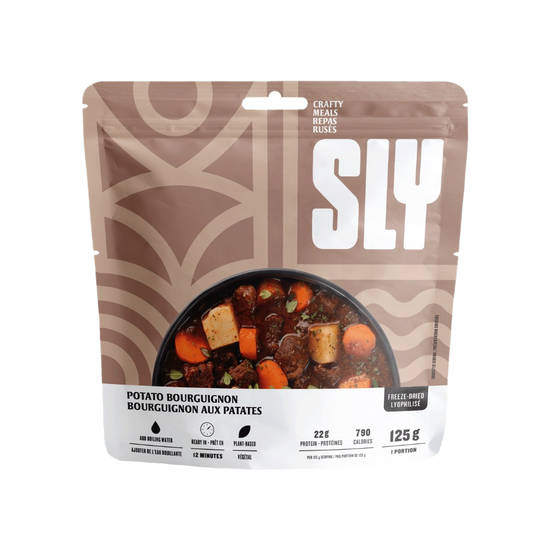
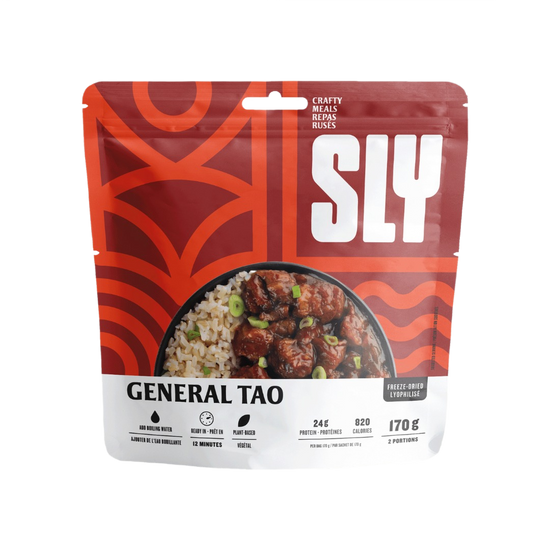
Ready to enjoy your outdoor dining experience? Discover SlyFood's premium freeze-dried vegan meals to complement your canned food and make every meal satisfying and hassle-free!