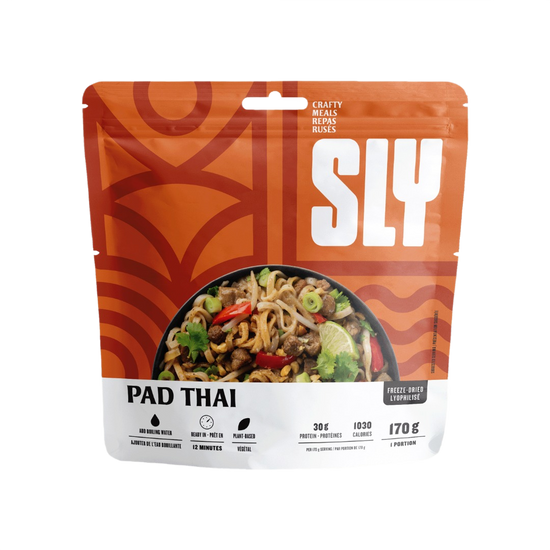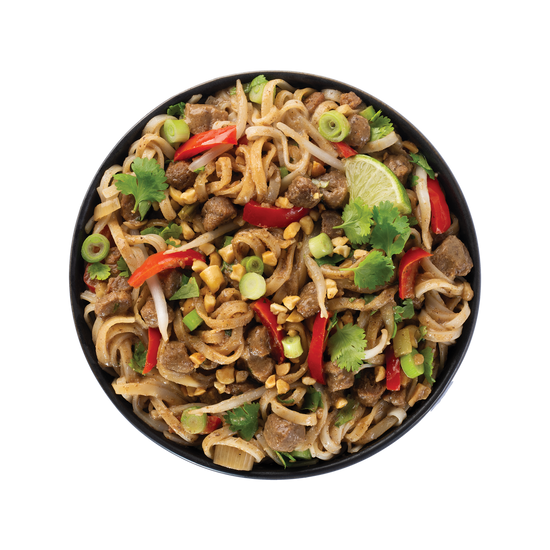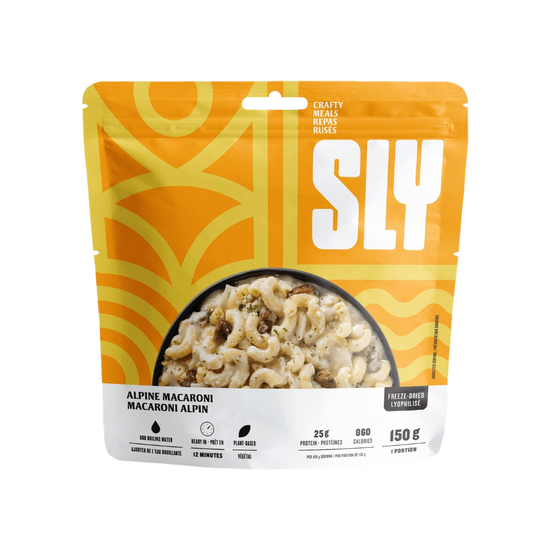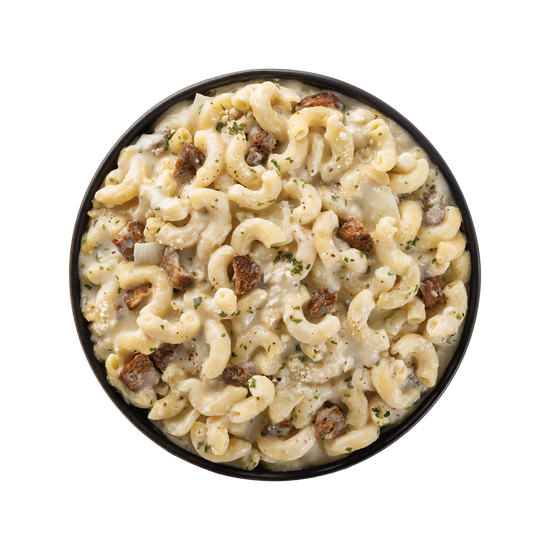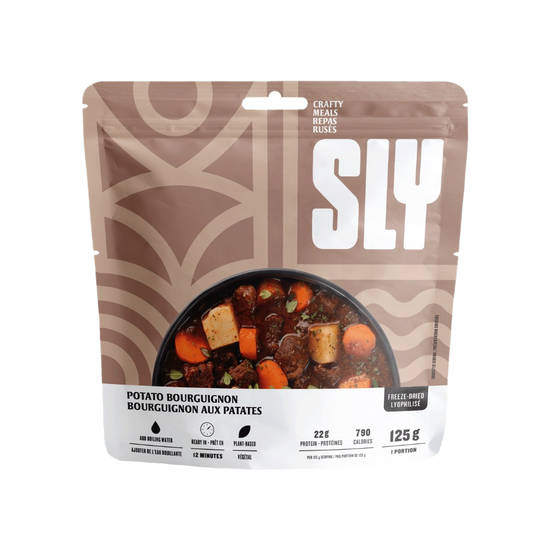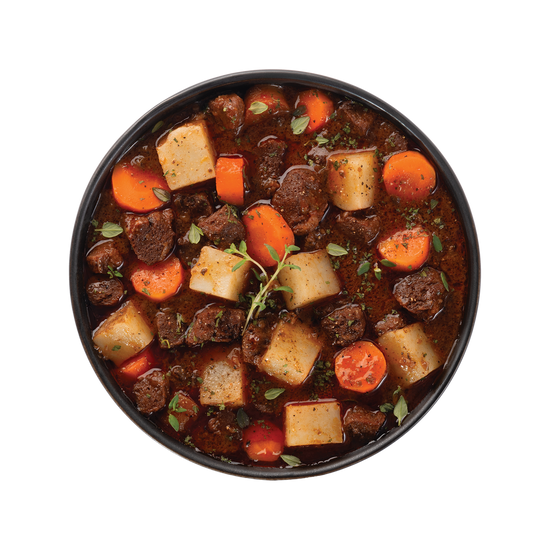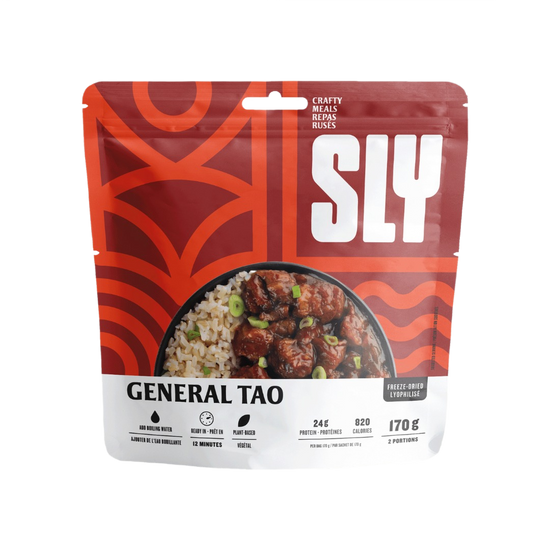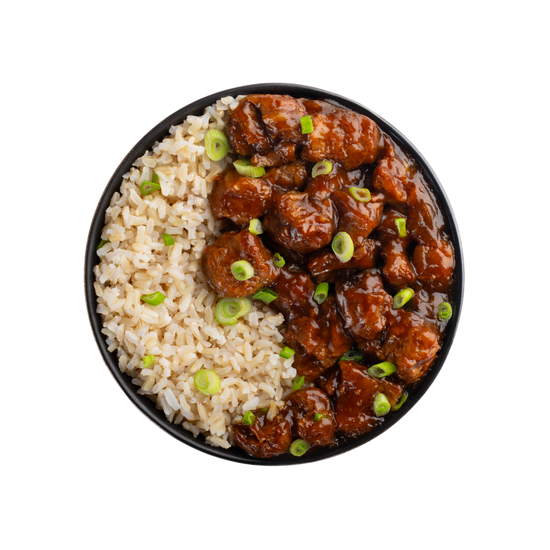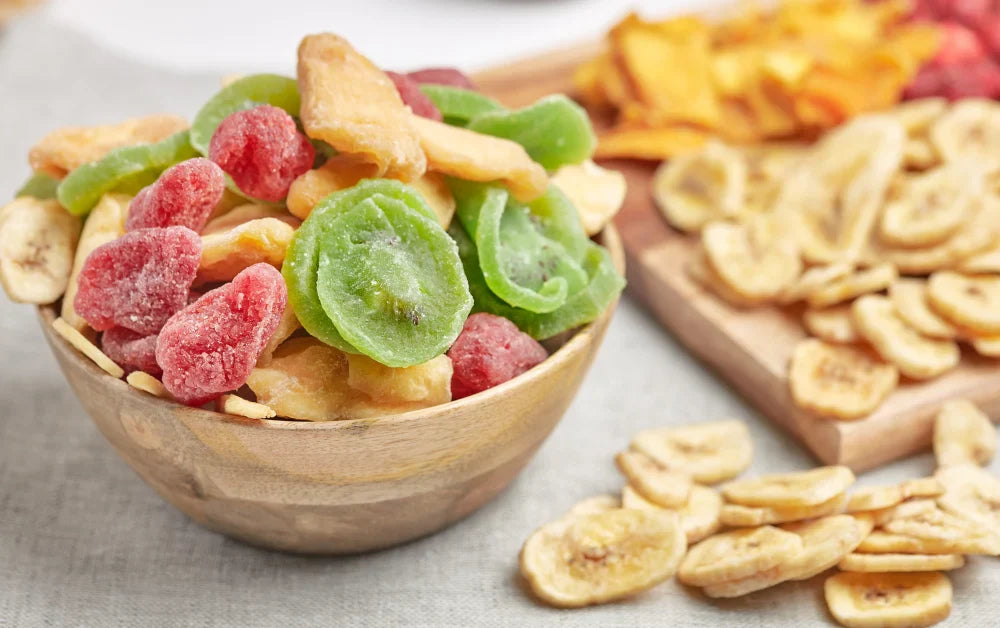
Struggling to figure out what to eat on your next outdoor adventure? Outdoor adventures are thrilling, but meal planning can feel overwhelming. A dehydrated meal is a great solution. Lightweight, durable, and easy to prepare, it simplifies your trip and keeps you energized. But is a dehydrated meal enough for a backpacking trip? Is it suitable for hiking? And what is the best dehydrated meal for camping? Let's explore the solutions and simplify meal planning!
What Is a Dehydrated Meal?
A dehydrated meal is food from which moisture has been removed to extend its shelf life, reduce weight, and maintain nutritional value. Due to its convenience and ease of preparation, this meal is ideal for outdoor adventures.
The dehydrated meal simplifies meal planning, whether for a short hike or a multi-day camping trip. If you're curious about other food options for your excursions, check out our article on types of backpacking foods to find more meal ideas.

Dehydrated Meal: An Overview
A dehydrated meal is created by removing moisture through heat, which extends its shelf life while preserving important nutrients. This process results in a lightweight, compact meal that is easy to transport and store, making it ideal for outdoor adventures such as camping and hiking, or even for emergency preparedness. Common options include complete dishes such as pasta or soups, offering convenience and practicality for those seeking a nutritious and easy-to-prepare dehydrated meal on the go.
Advantages of a Dehydrated Meal
Dehydrated meals are ideal for outdoor adventures, as they are convenient, nutritious, and lightweight for hikes or multi-day trips. Here are some benefits of dehydrated foods.
- Lightweight and compact: A dehydrated meal is much lighter than fresh or canned foods, making it easy to carry in a backpack.
- Long shelf life: Dehydrated meals can be stored for months, or even years, without refrigeration, which is ideal for long trips or emergencies.
- Customizable options: Mix dehydrated fruits and vegetables or complete meals according to your tastes and dietary needs.
- Ease of preparation: Most dehydrated camping meals only require the addition of water, saving time and effort.
- Nutritional retention: The dehydration process retains essential vitamins and minerals, keeping you energized during your adventure.
By including a dehydrated meal in your outdoor adventures, you can enjoy a tasty and satisfying dish while keeping your load light.
Types of Dehydrated Foods
When choosing a dehydrated meal for camping, it's important to understand the difference between commercial and homemade options. You should also explore the variety available to find a meal that suits your tastes and dietary needs. Here's a closer look at each option:
| Type of Dehydrated Meal | Homemade Meals | Market-bought Meals |
|---|---|---|
| Customization | Full control over ingredients, flavors, and portion sizes. | Limited customization, but offers a variety of ready-made vegan options. |
| Convenience | Preparation takes time and requires a food dehydrator. | Quick and easy; just add water to enjoy. |
| Cost | More economical in the long run, especially for frequent trips. | Generally more expensive, but saves time and effort. |
| Shelf life | Shorter shelf life depending on ingredients and storage. | Long shelf life, ideal for emergencies or long-term storage. |
| Dietary control | Allows for strict dietary preferences (vegan, gluten-free, low sodium). | Vegan options are available, but ingredient control depends on the brand. |
| Variety | Limited by your creativity and resources. | Offers a wide range of cuisines and flavors for dehydrated camping meals. |
Which option to choose?
The best choice depends on your specific needs:
- For short trips or last-minute preparations: Ready-to-eat commercial dehydrated meals for camping are ideal.
- For dietary restrictions or budget-conscious adventurers: Homemade dehydrated meals allow for control and cost reduction.
- For long backpacking trips or emergency storage: Ready-to-eat dehydrated meals with a long shelf life are a practical solution.
Regardless of the option chosen, mixing a dehydrated meal with other types of foods like freeze-dried foods and canned foods can enhance your outdoor experience.
Characteristics of Dehydrated Foods
Dehydrated foods are characterized by unique qualities that make them a staple for outdoor adventures and emergency preparedness. Here are their main characteristics:
- Preservation of nutritional value: The dehydration process preserves important nutrients such as vitamins and minerals, ensuring that meals remain healthy and nutritious.
- Extended shelf life: A dehydrated meal can last from several months to several years if stored properly in an airtight container, making it reliable for long-term use.
- Lightweight and portable: A dehydrated meal, stripped of its moisture, becomes lighter, making it easy to pack and transport for travel.
- Compact storage: Dehydrated foods take up less space than their fresh counterparts, allowing for efficient storage in backpacks or pantries.
- Customizable flavors: From fruits to full meals, the dehydration process preserves the natural flavors of ingredients, which can be enhanced with seasonings or combined with other foods.
- Ease of rehydration: Most dehydrated foods rehydrate quickly with hot or cold water, depending on the type, making preparation easy, even in remote locations.
- Environmentally friendly: Dehydration reduces food waste by extending the shelf life of ingredients and leftovers, promoting sustainable eating.

Dehydrated Meal vs. Canned Food vs. Freeze-Dried Food
The three most common food preservation methods—canning, dehydrating, and freeze-drying—each have their advantages and limitations. The table below highlights their main differences to help you make informed choices based on your needs:
| Feature | Canned Food | Dehydrated Meal | Freeze-Dried Meal |
|---|---|---|---|
| Shelf Life | 1 to 5 years (depending on storage) | 6 months to 2 years (with proper storage) | 10-25 years (under optimal conditions) |
| Weight | Heavy due to liquid content | Lightweight; ideal for portability | Extremely lightweight, ideal for long trips |
| Preparation | Ready to eat; no preparation needed | Rehydration necessary, often with hot water | Rehydrates quickly with minimal water |
| Nutritional Value | Retains most nutrients | Loss due to heat treatment | Retains most nutrients |
| Texture | Soft; can be mushy | Slightly chewy | Retains original texture after rehydration |
| Cost | Affordable | Moderate | More expensive |
| Storage Requirements | Room temperature but takes up space | Compact, requires airtight containers | Compact, requires sealed packaging |
| Flavor | Tends to be processed or salty | Natural flavor with optional seasoning | Perfectly preserves natural flavors |
| Best Use | Home storage or short-term emergencies | Outdoor adventures, hiking, or camping | Long-term storage or extreme adventures |
Summary:
- Choose canned foods for short-term needs and convenience.
- Opt for a dehydrated meal when you need a lightweight and portable option that balances cost and nutrition.
- Choose freeze-dried foods when shelf life, lightness, and nutritional quality are top priorities.
Need freeze-dried food?
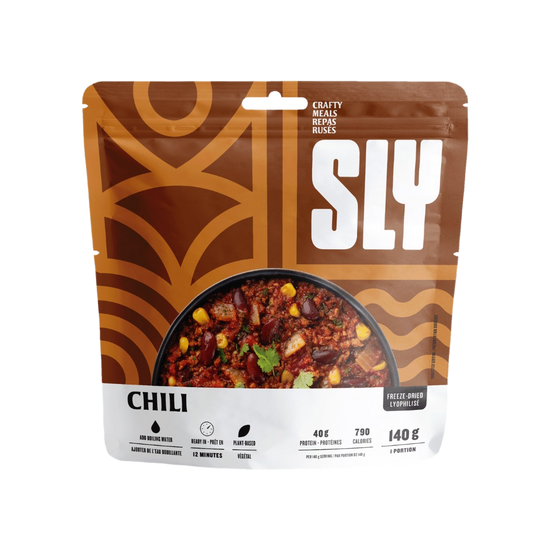
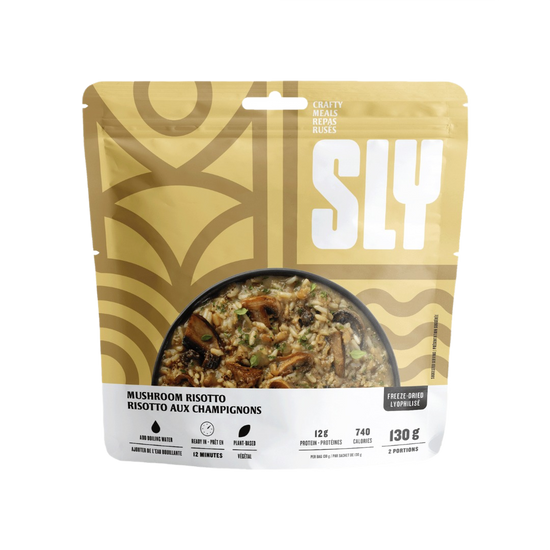
Simplify your outdoor meal planning with our delicious, lightweight vegan freeze-dried meals. Click the "Shop Now" button to discover and order today!
7 Steps to Rehydrate a Dehydrated Meal
Rehydrating a dehydrated meal is a simple and essential process that allows you to enjoy a warm and satisfying meal during your outdoor adventures. Follow these steps for optimal results:
- Prepare your cooking equipment: Bring a compact stove, a lightweight pot, and enough water for your meal. Most dehydrated meals require about 1 to 2 cups of water.
- Boil the water: Heat the necessary amount of water until it boils. This helps rehydrate the meal quickly and ensures food safety.
- Add water to your meal: Pour the boiling water into the dehydrated meal pouch or a separate container. Stir the contents to ensure even hydration.
- Seal and wait: Seal the pouch or cover the container to retain heat. Let the meal sit for the recommended time, usually 10 to 15 minutes.
- Check for Complete Rehydration: Stir again and check the texture. If any parts of the meal are still hard or dry, add a little more water and let it sit for a few more minutes.
- Enhance Flavor (Optional): Once rehydrated, you can add spices, herbs, or other flavorings like hot sauce or powdered coconut milk to boost the taste.
- Enjoy Your Meal: Once the food is fully rehydrated and flavored to your liking, dig in and savor the sustenance for your adventure.
Dehydrated Meal Planning for Outdoor Adventures
Careful meal planning is essential for an outdoor adventure to maintain energy without overburdening your backpack. By combining dehydrated meals with other lightweight options, like freeze-dried foods, you can ensure a varied and satisfying menu. Here’s how to structure your meals for each part of the day.
- Breakfast: Dehydrated oatmeal topped with freeze-dried fruits like strawberries or blueberries.
- Lunch: Dehydrated kale chips with SlyFood's freeze-dried "Creamy Garden Soup."
- Dinner: Dehydrated vegetables like zucchini and bell peppers paired with SlyFood's freeze-dried "Pasta Bolognese" for a hearty and flavorful meal.
- Snacks: Dehydrated fruit slices (e.g., apples or bananas), freeze-dried vegetable crisps, dehydrated nuts, or protein bars for quick energy boosts.


With this meal plan, you can ensure you have enough variety and nutrition to sustain your energy during your outdoor adventure while keeping your pack light and manageable. You can refer to this article on how to make homemade dehydrated meals for backpacking.
Frequently Asked Questions
What is the difference between dehydrated and freeze-dried meals?
Dehydrated meals use heat to remove moisture, while freeze-dried meals use freezing and a vacuum. Freeze-dried meals retain their texture better.
What are the best ingredients to use for making dehydrated camping meals?
For dehydrated camping meals, you should choose lightweight and nutrient-dense ingredients. Dehydrated vegetables, fruits, grains, and proteins like meat or legumes are excellent choices. Options like quinoa, brown rice, and sweet potatoes provide good calories and can be easily rehydrated.
How can I ensure my dehydrated meals remain nutritious?
To ensure your dehydrated meals are nutritious, prioritize whole foods. Use fresh ingredients and avoid heavily processed items. Including a variety of food groups will help maintain a balanced diet, ensuring you receive essential vitamins and minerals, even when on the trail.
What are the recommended storage practices for homemade dehydrated food to maximize shelf life?
Store your dehydrated foods in airtight containers or vacuum-sealed bags. Keeping them in a cool, dark, and dry place can significantly extend their shelf life. Additionally, using oxygen absorbers can help prevent spoilage and maintain freshness over time.
Can dehydrated hiker meals be tailored to dietary restrictions, and how?
Yes, you can easily tailor dehydrated hiker meals to dietary restrictions. By selecting appropriate ingredients, such as gluten-free grains or plant-based proteins, you can create meals suitable for various diets. Be sure to read ingredient labels and consider cross-contamination during preparation.
Conclusion
Dehydrated meals are an ideal solution for outdoor adventures, offering lightweight, easy-to-prepare, and nutritious options that simplify meal planning. They are perfect for camping, hiking, or backpacking, providing the energy you need without adding extra weight to your pack. By combining dehydrated foods with freeze-dried options, you can enjoy enhanced flavors, varied textures, and a more satisfying culinary experience on the trail.
Ready to plan your adventure menu? Explore our selection of vegan freeze-dried meals and create the ultimate outdoor dining experience today!
Need Freeze-Dried Food?
Simplify your outdoor meal planning with our delicious, lightweight vegan freeze-dried meals. Click the "Shop Now" button to explore and order today!