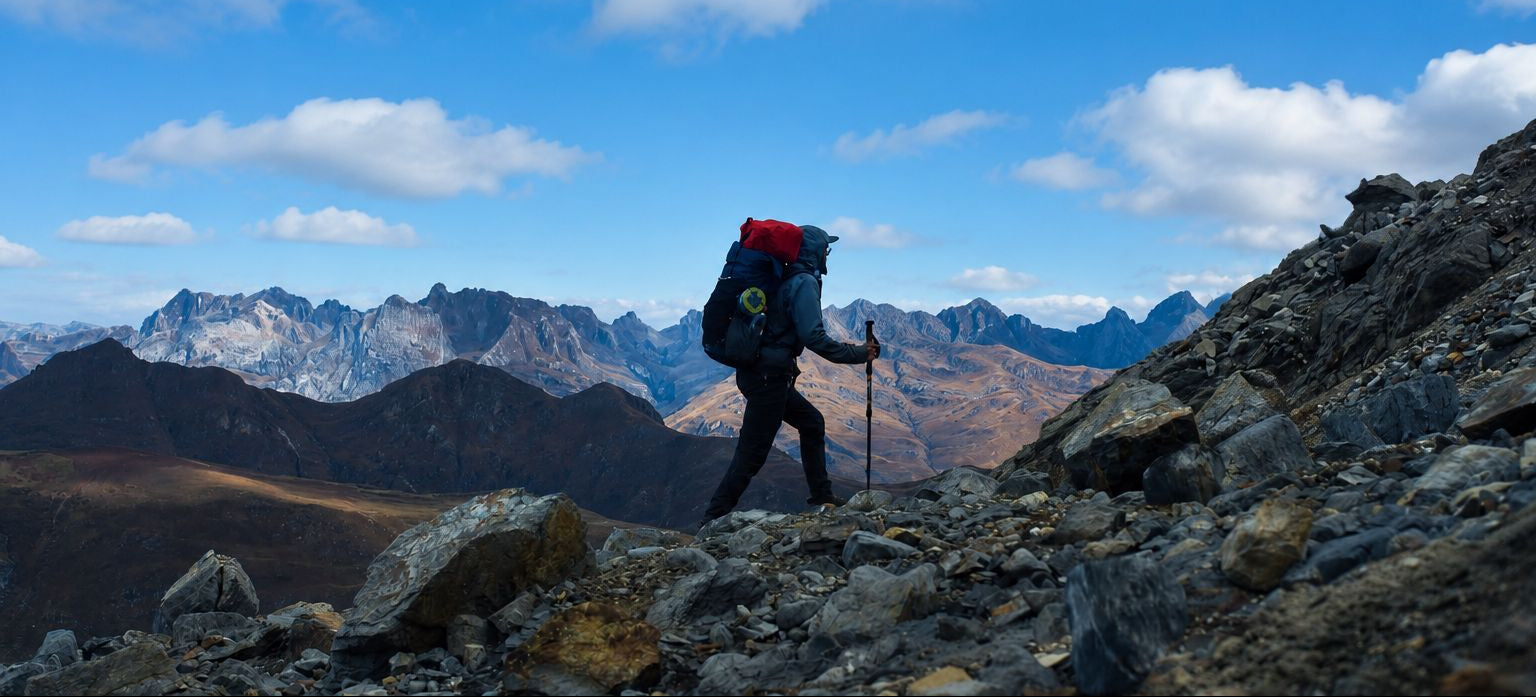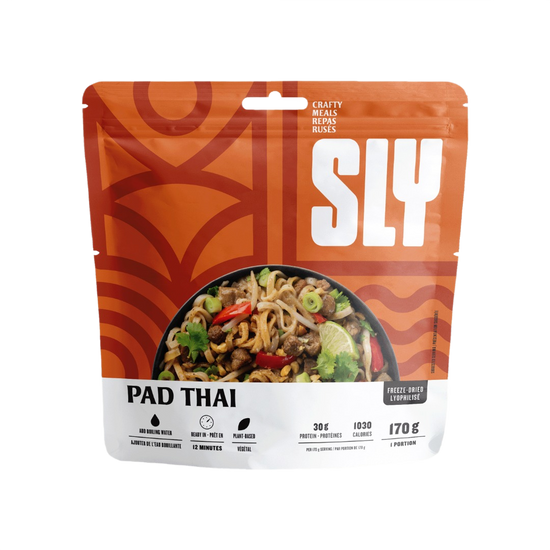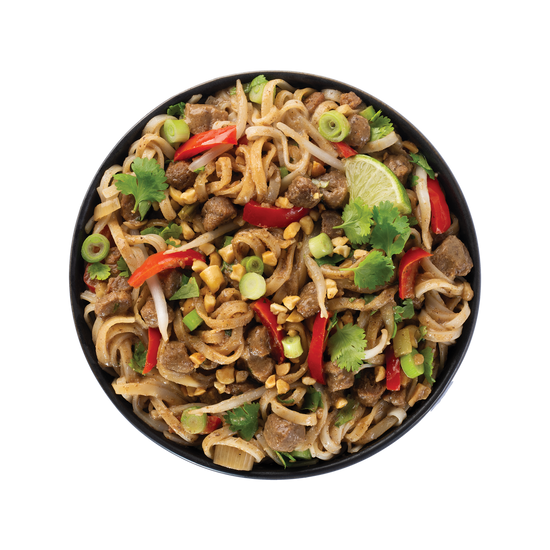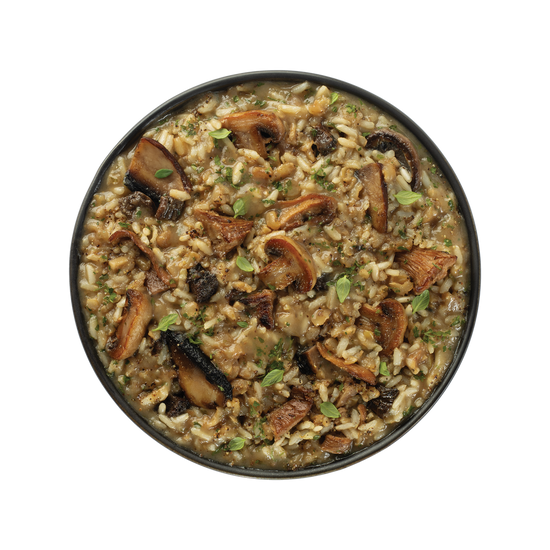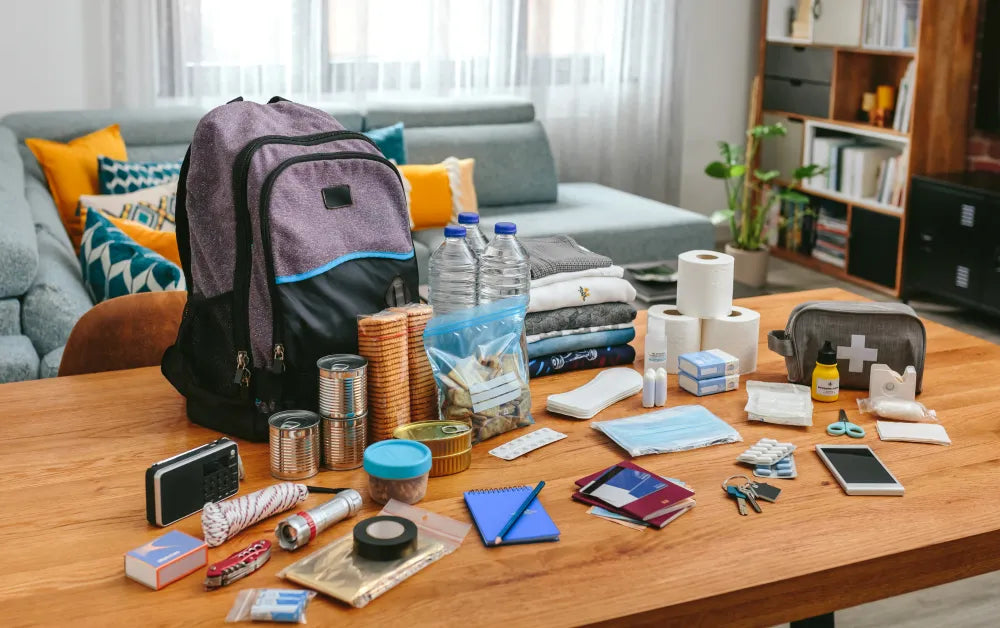
Are you planning meals for your trip, but don't know where to start? Adventure meal planning is important for staying energized and keeping your pack light. Adventurers need 2,500 to 4,000 calories per day. So it's important to choose light, high-calorie foods, like nuts and freeze-dried meals. But how do you create a camping meal plan that takes into account daily food weight, outdoor meal ideas, and nutritional needs? Learn the basics to be prepared and have fun on your next adventure!
Outdoor Adventure Meal Planning
Adventure meal planning involves organizing food for outdoor activities, ensuring nutrition, energy, and convenience. It balances nutrition, weight, and practicality for activities like hiking or kayaking. Good planning ensures suitable high-calorie foods, avoiding excess weight or shortage.
Read our article on backpacking meals for more information on the types of outdoor adventure meals you can bring.
Meal Planning Checklist
For meal planning, start by drawing up an organized checklist that includes all your needs and all the steps to take before and during the trip. This step is important for successful adventure meal planning, as it helps you manage food weight per day and ensures you have the right food for outdoor adventures.
- Assess your trip duration and daily calorie needs.
- Inquire about trail conditions and water availability.
- Create a daily meal plan, including breakfast, lunch, dinner, and snacks.
- Prepare your meals according to the number of calories per day you calculated for your trip.
- Test your stove and cooking equipment.
- Pack a variety of high-calorie adventure foods, such as freeze-dried or dehydrated meals, for efficiency.
- Organize food by day for easy access during the trip.

Understanding Your Calorie and Macronutrient Needs Per Activity
Calorie and macronutrient needs refer to the daily intake of energy and essential nutrients required based on physical exertion levels. Macronutrients, which include carbohydrates, proteins, and fats, are important for providing energy and supporting bodily functions during your trip. Balancing these nutrients is essential for effective outdoor meal planning and ensuring proper nutrition on backpacking adventures.
- Carbohydrates: Primary energy source; aim for 30-60g per hour while hiking to improve strength and endurance.
- Proteins: Essential for muscle repair and recovery; approximately 10-20% of total calorie intake should come from protein (beans, nuts, protein bars, etc.).
- Fats: Provide sustained energy, with 9 calories per gram. Include healthy fats like nuts, seeds, and nut butter.
Different Activities, Different Requirements
Different outdoor activities require different levels of energy and nutrition to maintain performance and endurance. Below are the main activities, their nutritional needs, and food suggestions.
| Activity | Calories Burned Per Day | Calories Needed Per Day | Recommended Foods |
|---|---|---|---|
| Backpacking | 3,500-5,000 kcal | 3,000-5,000 kcal | High-calorie hiking foods (nuts, dried fruit, freeze-dried meals) |
| Kayaking | 2,500-4,500 kcal | 3,000-4,000 kcal | Light adventure meals, high-protein snacks, energy bars |
| Camping | 1,800-3,000 kcal | 2,000-3,000 kcal | Balanced meals with protein, carbohydrates, and healthy fats. |
| Climbing | 3,000-6,000 kcal | 3,500-5,500 kcal | Nutrient-rich meals, high-protein foods, quick energy snacks |
| Cycling | 2,500-4,500 kcal | 3,000-4,500 kcal | High-energy density foods, electrolyte-rich snacks, protein bars |
To effectively plan your adventure meals, be sure to balance high-calorie foods with important nutrients to maintain energy throughout your adventure. Now that you know the basics, let's break down the steps to planning your adventure meals.
Step-by-Step Adventure Meal Planning
Step 1: Calculate Calorie Needs
Calculating calorie needs involves determining the number of calories required daily to maintain energy and prevent fatigue. These needs are influenced by terrain, climate, activity level, body size, pack weight, and trip duration, highlighting the importance of proper adventure meal planning. Difficult terrain or carrying a heavy load increases energy needs, while moderate trails with lighter packs require fewer calories.
Cold climates require more food to maintain body heat, and larger or heavier hikers generally need more high-calorie hiking foods; use the hiking calorie calculator to determine your needs.
For a kayak trip meal plan or any other adventure meal, use the formula below to calculate your daily calorie needs:
Your Basal Metabolic Rate (BMR) and activity level determine your daily calorie needs. Consider adding 10-20% for emergencies or unforeseen exertion.
Total Calories Needed = BMR × Activity Factor
Example:
-
Hiking over 6 hours a day (activity factor: 1.9)
- BMR: 1,800 kcal
- Calories needed: 1,800 × 1.9 = 3,420 kcal/day
-
Kayaking for 4 hours a day (activity factor: 1.6)
- BMR: 1,800 kcal
- Calories needed: 1,800 × 1.6 = 2,880 kcal/day
Step 2: Select Lightweight Foods
Adventure meal planning provides you with the energy you need for hiking by following these key steps: calculating your daily calorie needs, choosing light and nutritious foods, pre-portioning and labeling your meals, and packing efficiently for a balanced weight distribution. Each step helps make your outdoor adventure easier and more enjoyable.
Determine the Right Amount of Food to Bring
Packing the right amount of food requires considering both adventure nutrition and pack weight. Here's a table showing calorie intake, food weight per day, and lightweight food choices for different types of adventures.
The focus is on high-calorie foods for hiking, adventure meal planning, and kayak trip meal plans, while keeping backpack weight reasonable.
| Adventure Type | Calories Needed Per Day | Recommended Food Weight Per Day | Lightweight Food Choices |
|---|---|---|---|
| Day Hike (6+ hours) | 2,500 - 3,000 kcal | ~1 - 1.5 lbs (0.5 - 0.7 kg) | Trail mix, energy bars, nut butter packets, dried fruit, instant oatmeal |
| Day Kayak Trip (6+ hours) | 2,500 - 3,200 kcal | ~1.2 - 1.8 lbs (0.55 - 0.8 kg) | Freeze-dried smoothie packs, protein bars, nuts, whole-grain crackers, powdered hummus |
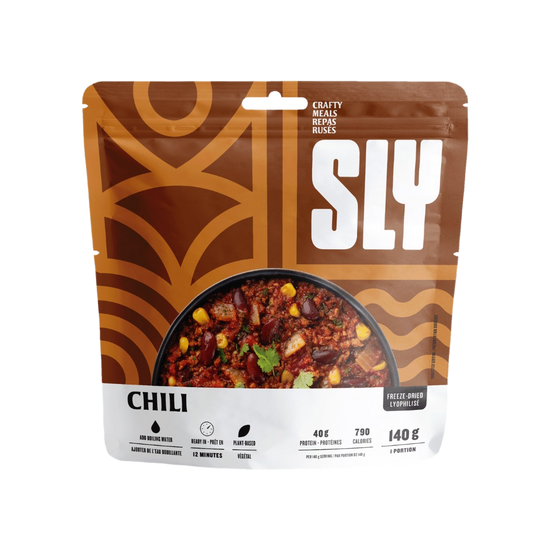
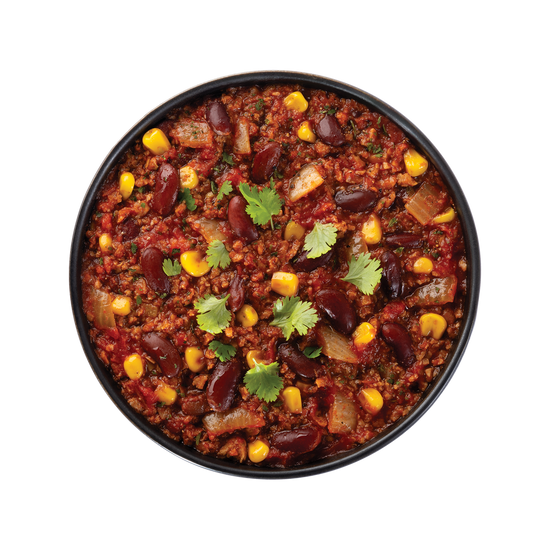
| Multi-Day Backpacking Trip (Weekend) | 3,500 - 5,000 kcal | ~1.5 - 2.5 lbs (0.7 - 1.1 kg) | Freeze-dried meals like chili, SLY Foods creamy garden soup, high-calorie nut mixes, and plant-based protein powder. |
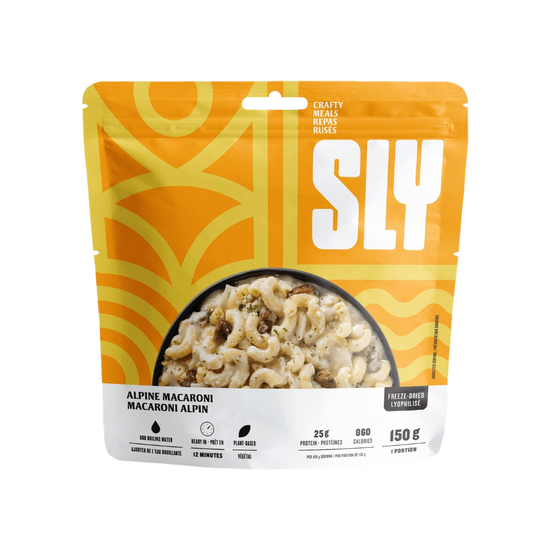
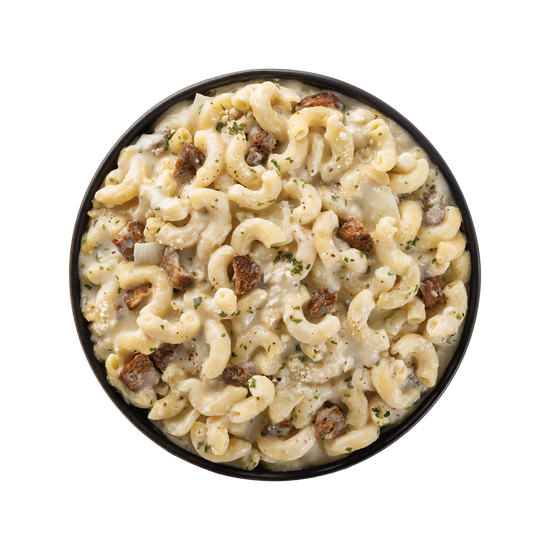
| Multi-Day Camping (Weekend) | 2,500 - 3,500 kcal | ~1.8 - 2.5 lbs (0.8 - 1.1 kg) | Freeze-dried pasta like Alpine Macaroni, lentil soup mix, nuts and seeds, whole-grain tortillas. |
This table shows that calorie intake varies from trip to trip, while balancing food weight per day. If your route has a reliable water source, your pack will be lighter than if you have to carry water to prepare your meals. For each of the examples above, consider adding 1 liter of water per day for cooking and hydration. Adventure meal planning ensures good nutrition without excessive weight, making adventure meal planning easier and more effective.
Check out our article on hydration tips to learn how to factor water into your plan.


Step 3: Pre-portion and Label Meals
For adventure meal planning and proper adventure nutrition, measure and pack each meal into resealable bags to save space and reduce waste. Label each bag by day and meal (e.g., "Day 1 Breakfast") for easy organization and quick access during your trip.
This approach is particularly useful for long-duration adventures, such as in a kayak trip meal plan, as it simplifies adventure meal planning and keeps you prepared and hassle-free on the trail.

Step 4: Pack Efficiently
Distribute weight evenly by placing heavier items close to your back. Keep frequently used snacks within easy reach.
- Bottom of the pack: Place heavier items, such as freeze-dried meals and water filtration equipment, at the bottom of the pack.
- Centered and close to your back: Store medium-weight items like breakfast, lunch, and dinner in the main compartment to maintain balance.
- Top of the pack: Keep snacks and lighter items like energy gels or fruit and vegetable mixes here for easy access.
- Side pockets: Use these for water bottles, nut butter sachets, or fruit and vegetable mixes for quick grabs on the go.
- Utensils and cooking equipment: Keep these in a separate, accessible pouch, close to your food.
We will apply these steps to a real plan in the next section, which includes practical examples based on the length of the adventure.
Do you need freeze-dried foods?
Discover lightweight, nutritious, and delicious freeze-dried options to fuel your journey. Plan your trip with ease
Daily Meal Idea Breakdown
Adventure meal planning is important for a successful trip, ensuring balanced nutrition for hiking and proper hydration, while also addressing food storage safety.
Breakfast and Morning Snack Ideas
Breakfast is your first opportunity to refuel. Here are three simple, lightweight options:
- Instant Oatmeal with Dried Fruit and Nuts is an easy-to-prepare meal that provides approximately 350 kcal and weighs about 80g. It is ideal for hiking, camping, and kayaking trips, offering a warm and nutritious start to the day.
- Granola with Powdered Milk is an energetic and lightweight option of around 450 kcal for a weight of 100g. It’s perfect for multi-day hiking and kayaking excursions, ensuring sustained energy with minimal preparation.
- Dehydrated or Freeze-dried Fruits make a quick, energetic snack of about 150 kcal for a weight of 40g. They are suitable for hiking, backpacking, and kayaking, as they provide natural sugars and nutrients in a lightweight form.
Lunch and Afternoon Snacks
Lunch should be quick and easy, giving you energy without requiring a long break. Try these ideas:
- Tortilla Wraps (~500 - 600 kcal, ~120g): Ideal for hiking and multi-day kayaking trips, these tortillas filled with peanut butter, hummus powder, or vegan cheese blocks provide a non-perishable, calorie-dense meal that’s easy to pack and prepare. High in fats and protein, they offer sustained energy, making them an excellent choice for long outdoor adventures.
- Trail Mix (~300-400 kcal per serving, ~100g): Perfect for day hikes and shorter kayaking trips, this blend of nuts, seeds, dried fruits, and chocolate chips provides quick energy and variety. It’s a convenient and lightweight snack, easy to consume on the go.
- Energy Bars (~200-300 kcal per bar, ~50g): Suitable for hiking, backpacking, kayaking, and camping, these compact and lightweight bars pack carbohydrates, protein, and fats. They are great for quick refueling on the move, making them an ideal addition to any adventure meal plan.
Dinner Suggestions
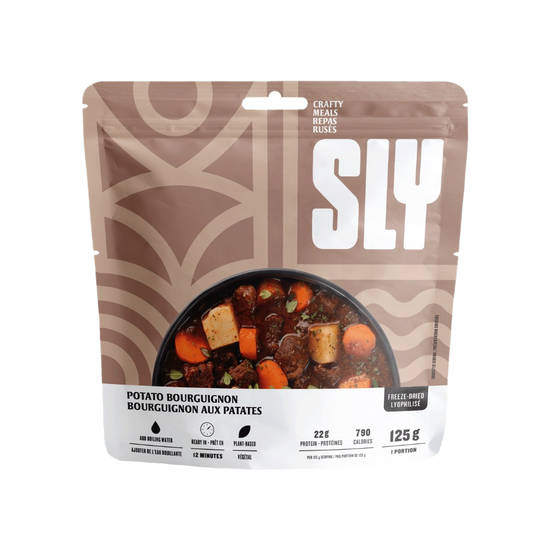
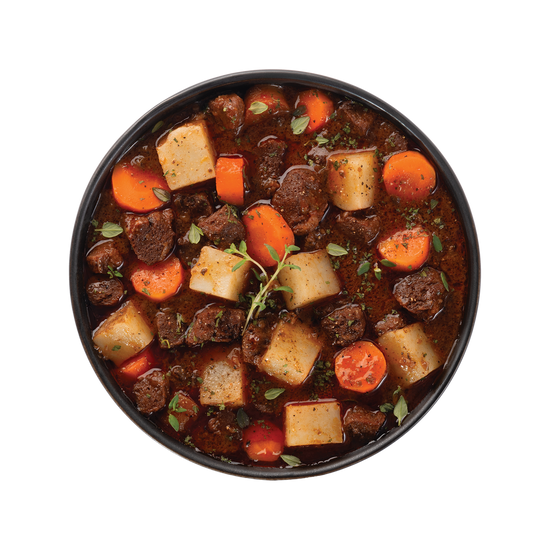
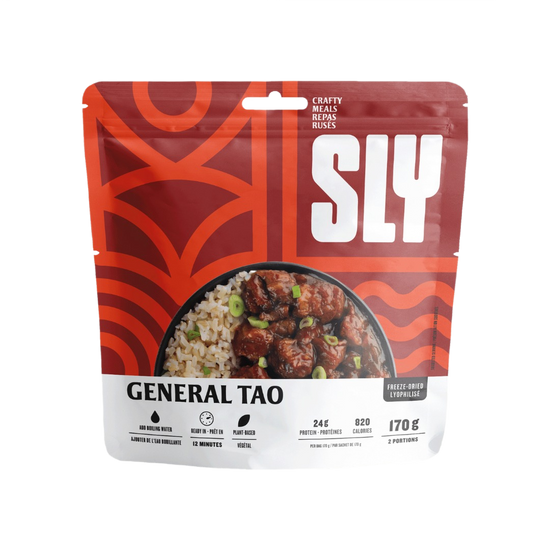
After a long day, a warm and satisfying meal is essential. Here are three excellent options, which provide a clear breakdown of each meal option, making it easier to choose based on adventure type and energy needs.
Visit the SLY Foods online store for more freeze-dried meal options suitable for different types of adventures.


Practical Examples Based on Adventure Duration
Outdoor adventure meal planning varies significantly based on trip duration and group size. Whether it’s a weekend hike or a week-long expedition, careful planning ensures sufficient nutrition for hiking without excess weight. Similarly, hiking meal planning for solo travelers differs from group adventures, impacting portion sizes, cooking methods, and food weight distribution.

Weekend Backpacking Trip vs. Week-Long Expedition
When planning meals, trip duration plays a significant role in determining caloric needs and food choices. Shorter trips allow for more fresh and convenient options, while longer expeditions require careful hiking meal planning to balance nutrition. The table below outlines caloric needs and appropriate food suggestions for different trip durations, helping you choose the best adventure meals for sustained energy and efficiency.
| Trip Type | Calories Needed Per Day | Food Suggestions |
|---|---|---|
| Weekend Backpacking Trip (2-3 days) | 2,500-3,500 kcal | Freeze-dried meals, energy bars, nuts, instant oatmeal, and fresh produce for the first day. Lightweight, calorie-dense options with minimal prep. |
| Week-Long Expedition (5-7 days) | 3,000-5,000 kcal | Dehydrated meals, vegetable protein powder, nut butters, high-calorie snacks, and compact, easy-to-carry foods. Kayaking trips require waterproof storage, while hikers focus on reducing food weight per day. |
Check out our blog post about types of backpacking food for different possible types of food.
Solo Travelers vs. Group Adventures
When planning meals for outdoor adventures, solo travelers and groups have different considerations regarding food weight, preparation, and efficiency. Solo travelers need carefully portioned meals to avoid waste and minimize cooking time, while groups can benefit from shared cooking resources and bulk meal options.
| Trip Type | Calories Needed Per Day | Food Suggestions |
|---|---|---|
| Solo Travelers | ~2,500-3,500 kcal | Individual freeze-dried meals, nut-based snacks, instant soups, energy bars |
| Group Adventures | ~2,500-4,000 kcal per person | Bulk freeze-dried meals, shared cooking oils, grains, lentils, pasta, large portions of nuts and dried fruit |
Nutrition, Practicality, and Logistics of Freeze-Dried Meals
Freeze-dried meals are a crucial component of adventure meal planning, offering a balance of nutrition, convenience, and lightweight design. Whether you’re preparing backpacking meals, planning kayaking meals, or multi-day camping, these meals ensure a calorie-rich diet without unnecessary backpack weight.
Nutritional Benefits
Freeze-dried meals have many advantages, they are an excellent choice for adventure meal prep, as they retain up to 97% of their original nutrients while being significantly lighter than fresh food. Compared to other options, fresh food has high nutritional value but spoils quickly and adds unnecessary weight.
Dehydrated meals are lighter than fresh options but lose more nutrients during processing. In contrast, freeze-dried meals offer the best balance of nutrition, caloric density, and minimal weight, making them ideal for outdoor adventures.
3 Reasons Why Freeze-Dried Meals Are Ideal for Outdoor Adventures
- Lightweight and Compact – Important for adventure food weight per day considerations, freeze-dried meals reduce bulk while maintaining caloric density.
- High Caloric Density with Essential Macros – These meals provide a balanced mix of carbohydrates, proteins, and fats, essential for hiking nutrition and other demanding activities.
- Long Shelf Life and Easy Preparation – Unlike fresh food, freeze-dried meals last for years, making them perfect for long-duration expeditions and emergency meal prep. Their preparation only requires hot water, saving fuel and time outdoors.
Frequently Asked Questions
How do I create a 7-day meal plan that balances weight and caloric needs for hiking trips?
To create a 7-day meal plan, list calorie-dense foods like nut butter, oats, and quinoa. Prioritize compact options that offer good nutritional value. Aim for a mix of carbohydrates, proteins, and fats to sustain energy levels.
Can you suggest a template or system for organizing adventure meals?
A simple system is to categorize meals by type: breakfast, lunch, dinner, and snacks. Use a spreadsheet to outline each meal with corresponding caloric information. Organizing food by weight and meal categories helps you pack efficiently.
Where can I find free resources or templates for adventure meal planning?
Free resources for meal planning can be found in outdoor magazines, blogs, and hiking websites. Many provide downloadable templates that can assist you in planning your meals effectively. Use these to customize your meals to your preferences and dietary needs.
What items should I include in a comprehensive checklist for hiking meal preparation?
Your hiking meal preparation checklist should include lightweight cooking gear, food storage bags, a portable stove, and utensils. Don’t forget to pack a small salt and spice kit to flavor your food. With these items, you're sure to be prepared for your trailside meals.
Conclusion
Mastering outdoor adventure meal planning is key to a successful journey. By understanding your caloric needs, choosing lightweight and calorie-dense foods, and carefully planning your meals, you’ll stay energized and ready for anything. Remember to consider your water source and pack a stove if you need warm meals. Ready to fuel your next adventure? Click below to check out SlyFood’s selection of vegan freeze-dried meals, perfect for your adventure meal planning needs!
DO YOU NEED FREEZE-DRIED FOOD?
Discover lightweight, nutritious, and delicious freeze-dried options to fuel your journey. Plan your trip with ease