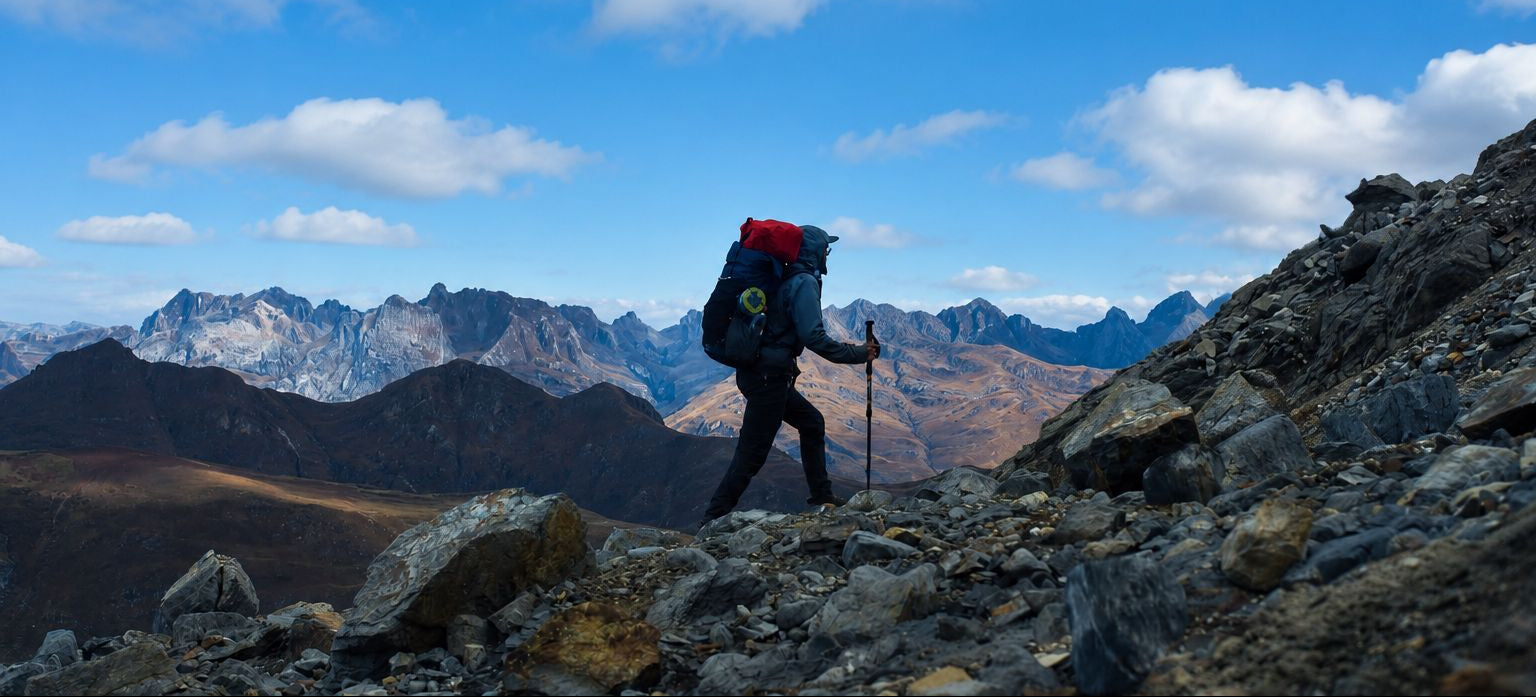
While outdoor adventures offer extraordinary experiences, they can also challenge your body's hydration levels. Simple tips, like knowing how to recognise dehydration, can make a big difference. It's important to stay hydrated when hiking, camping or simply outdoors, both for your performance and your safety. In this guide, you'll discover hydration tips using expert techniques to help you make the most of your outdoor experiences.
Whether you're camping, hiking or climbing, mastering these hydration strategies will help you stay fresh and alert throughout your journey. Let's get started.
Why is hydration essential for outdoor adventures?
Hydration consists of providing your body with enough water to maintain bodily functions, especially during physical activity. Without proper hydration, your body cannot regulate temperature, transport nutrients or eliminate waste effectively, which is vital during outdoor adventures. When hiking, it's important to consider the amount of water needed for food preparation, such as the amount of water needed to rehydrate freeze-dried foods, as this impacts your daily water requirements and overall hydration during your trip.
It's essential to understand the impact of water and hydration on your backpacking trip, as well as other essential preparation items. For more information, please see our guide on planning a backpacking trip.

Importance of staying hydrated and avoiding dehydration
Dehydration occurs when the body loses more water than it takes in, leading to symptoms such as fatigue, dizziness and confusion. Outdoor adventures often involve physical exertion in hot or dry climates, making dehydration easier. It's important to stay hydrated to avoid these negative effects and ensure your body can meet the demands of the adventure. The following checklist is a good starting point for determining your daily water needs during your trip.
Water and Hydration Preparation Checklist
- Determine the duration and intensity of your adventure to estimate your water needs.
- Check the weather forecast to understand your needs based on the climate.
- Plan water sources along your route, noting where you can replenish.
- Pack enough water for drinking and meal preparation.
- Make sure you have purification tools if you plan to use natural water sources.
- Test your equipment before you leave to ensure it works correctly.
5 tips for staying hydrated on an outdoor adventure
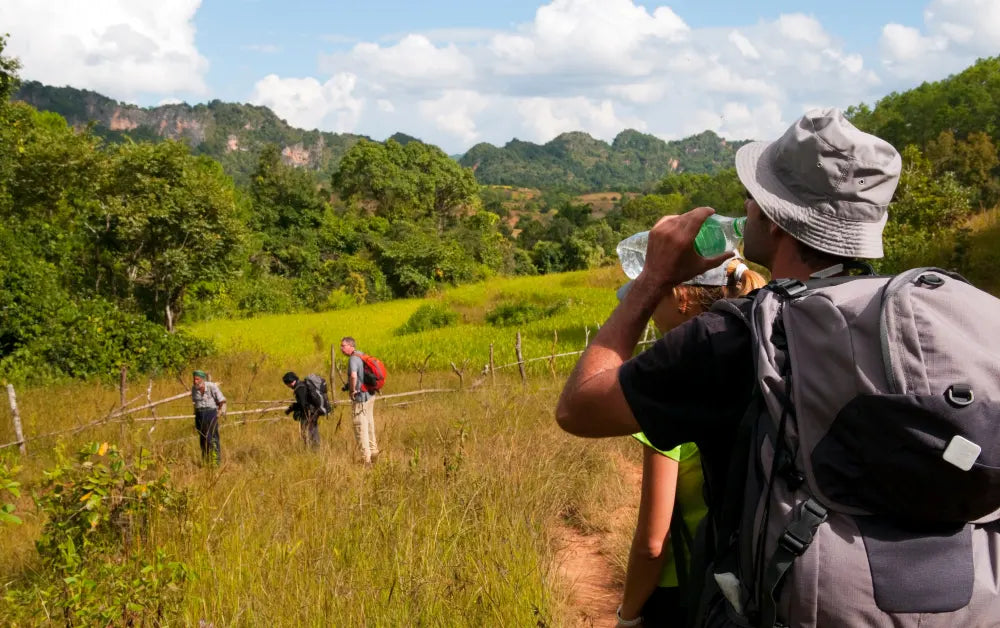
Water is the body's main way to cool down and maintain energy during outdoor activities. It's important to carry enough water, especially when exposed to the elements and engaging in physical activity.
1. How much water to carry based on the duration and intensity of the adventure
Daily water needs depend on activity, environmental conditions and health. For outdoor activities like hiking or cycling, it's advisable to drink 0.25 to 0.5 litres of water per hour. This figure may vary depending on the climate and intensity of the activity. In hot weather or during intense exertion, increase your intake. To avoid dehydration, always carry extra water. To find out how much water to carry, follow this guide to stay hydrated.
| Activity | Water needed for a day trip (moderate climate) |
|---|---|
| Hiking | 2-3 litres (depending on intensity) |
| Camping | 3-4 litres (including for cooking and other needs) |
| Cycling | 2 to 3 litres (depending on terrain and speed) |
| Kayaking | 2-3 litres (to be adjusted according to duration and conditions) |
| Skydiving | 1 to 2 litres (before and after the activity) |
2. Hydration based on weather conditions
Before an outdoor adventure, always check the weather. The climate influences your water needs: in hot and dry weather, drink more to compensate for perspiration. Cool climates slightly reduce these needs, but don't neglect hydration. Adjust your consumption according to the forecast to avoid dehydration and ensure a pleasant experience.
3. Locating safe water resources and water purification methods
In the wilderness, it's important to ensure the safety of the water you drink, as natural sources such as streams, rivers and lakes can be unusual or impure. Avoid drinking stagnant water, as it can harbour dangerous bacteria or parasites. Useful water safety tips include purifying water by methods such as:
- Boiling,
- Using purification tablets,
- Filtering with a portable water filter.
4. Ensuring sufficient water for preparing your meals
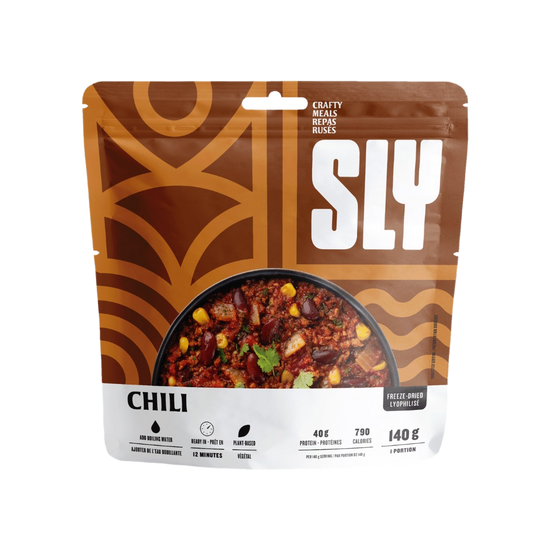
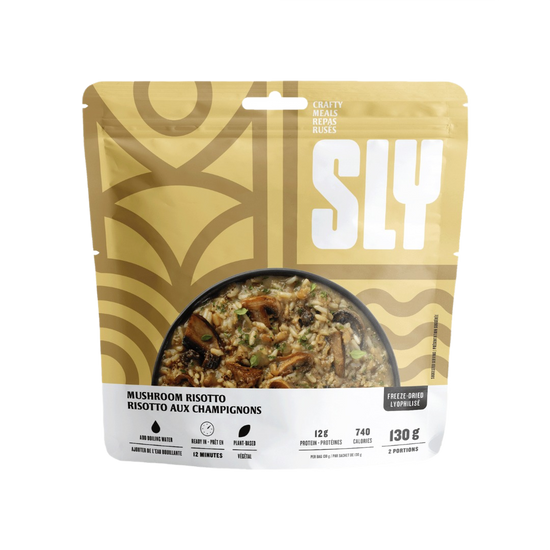
When planning meals for outdoor adventures, it's important to consider the amount of water needed to prepare each type of food. Freeze-dried meals are an excellent option for saving water, as they generally only require 1 to 2 cups per meal for rehydration, making them light and efficient. Other foods, such as pasta or rice, often require more water to cook. To manage your daily water needs, carefully plan your meals to stay hydrated, for example by knowing how much water is needed to rehydrate freeze-dried foods.
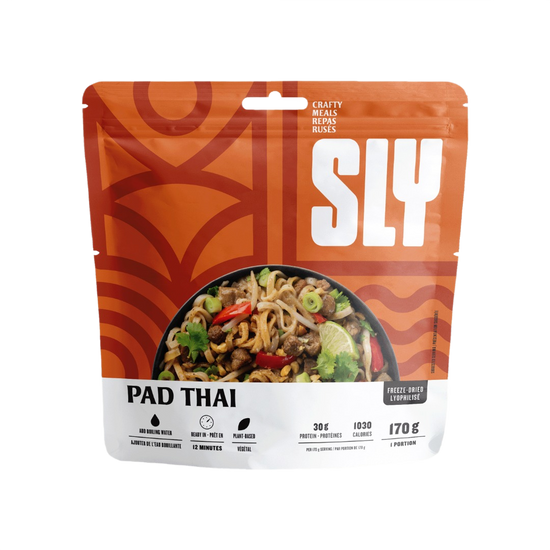
To help you plan your outdoor adventures effectively, the following table, taken from SLY Foods meal instructions, illustrates the amount of water needed for each meal.
| Meal | Water needed | Equivalent in cups |
|---|---|---|
| Creamy Garden Soup | 400 ml | 2 cups |
| Chilli Meal | 300 ml | 1.5 cups |
| Pad Thai | 330 ml | 1.5 cups |
| Total | 1,030 ml | 5 cups (1 litre) |


GET FREEZE-DRIED FOOD NOW!
Discover light, nutritious and delicious freeze-dried options to fuel your journey. Plan your trip with ease
5. Learn to recognise dehydration and how to treat it
Dehydration can be serious during outdoor adventures. To know how to recognise dehydration, you need to recognise common signs such as dry mouth, dizziness, muscle cramps and dark-coloured urine. Follow hydration tips such as drinking small amounts of water regularly and taking frequent breaks in the shade. If you start to feel dehydrated, finding shade, resting and drinking water immediately can prevent dehydration during your trip.

Hydration equipment for outdoor adventures
The right equipment can make a big difference in how easily you stay hydrated during your adventure. Discover the best options for carrying and filtering water on the go.
Hydration packs or water bottles: Which is the best solution?
Hydration packs are backpacks with an integrated water bladder that allows you to drink hands-free using a tube. They are ideal for hiking or cycling, as they evenly distribute the weight of the water and allow easy access. Water bottles, on the other hand, are simpler and better suited for short trips. The choice between a hydration pack and a water bottle depends on the duration and intensity of your adventure.
Portable water filters
Portable water filters are lightweight devices that can remove harmful bacteria, parasites and sediment from water in the wilderness. These filters are important for long trips where access to drinking water may be limited. Consider a filter that can treat at least 2 to 3 litres of water at a time, so you have enough water for drinking and cooking.
Expert tips to know
It's important for your health and performance to stay properly hydrated during long hikes or strenuous outdoor activities. Here are some practical tips to keep in mind:
- Start hydrating early: Start drinking water before your hike to ensure your body is well-hydrated from the outset.
- Drink regularly in small sips: Drink small amounts of water frequently instead of waiting until you're thirsty. This helps maintain your water levels throughout your hike.
- Carry electrolytes: Add electrolyte tablets to your plan to balance your fluid levels and prevent dehydration. This is especially useful when you're sweating a lot.
- Avoid over-hydration: To avoid over-hydration, balance your water intake with electrolytes and listen to your body's thirst signals.
By following these tips, you can ensure your body gets the water and electrolytes it needs to stay energised and safe during outdoor adventures. Avoid dehydration and over-hydration by staying prepared and attentive to your needs.
Follow water safety tips to ensure a safe and enjoyable trip. For more information, please see our article on safety tips for outdoor adventures.
Frequently Asked Questions
How much water should I carry for a multi-day trip?
As a general rule, carry 2 to 3 liters per day and supplement this amount by refilling at natural water sources along your route.
Can I drink directly from mountain streams?
No, untreated water can carry bacteria, parasites, or viruses. Always purify water before drinking it.
What is the best way to prevent dehydration during strenuous hiking?
Drink water frequently and take breaks in the shade to cool down. Use electrolyte supplements if you are sweating excessively.
Conclusion
Staying hydrated is important for a safe and enjoyable outdoor adventure. By following these tips, including carrying enough water, knowing how to recognize dehydration, and planning the amount of water needed to rehydrate freeze-dried foods, you will avoid dehydration and stay energized. Remember to purify your water sources and follow safety guidelines to stay safe.
Ready for your next adventure? Click below to discover our freeze-dried meals, designed to help you easily manage your hydration needs.
get freeze-dried food now!
Discover lightweight, nutritious, and delicious freeze-dried options to fuel your journey. Plan your trip with ease