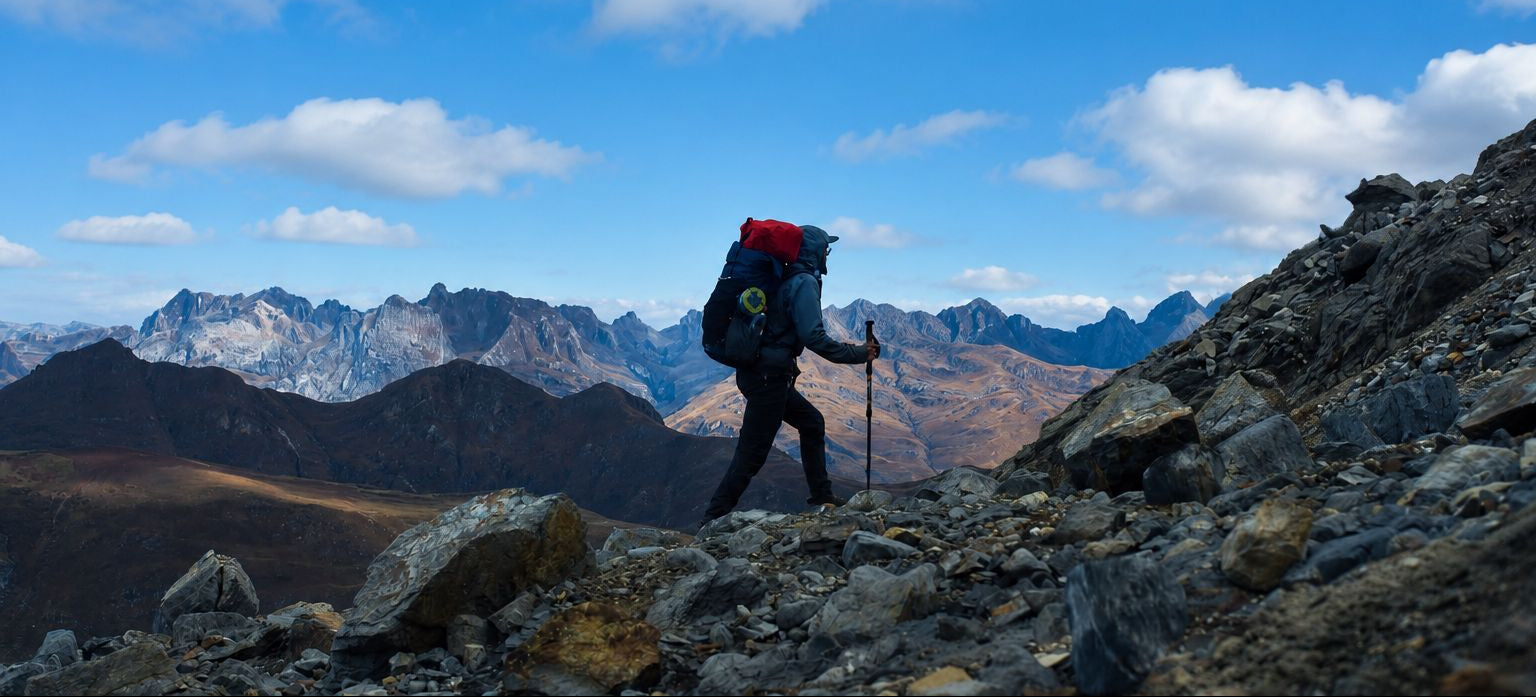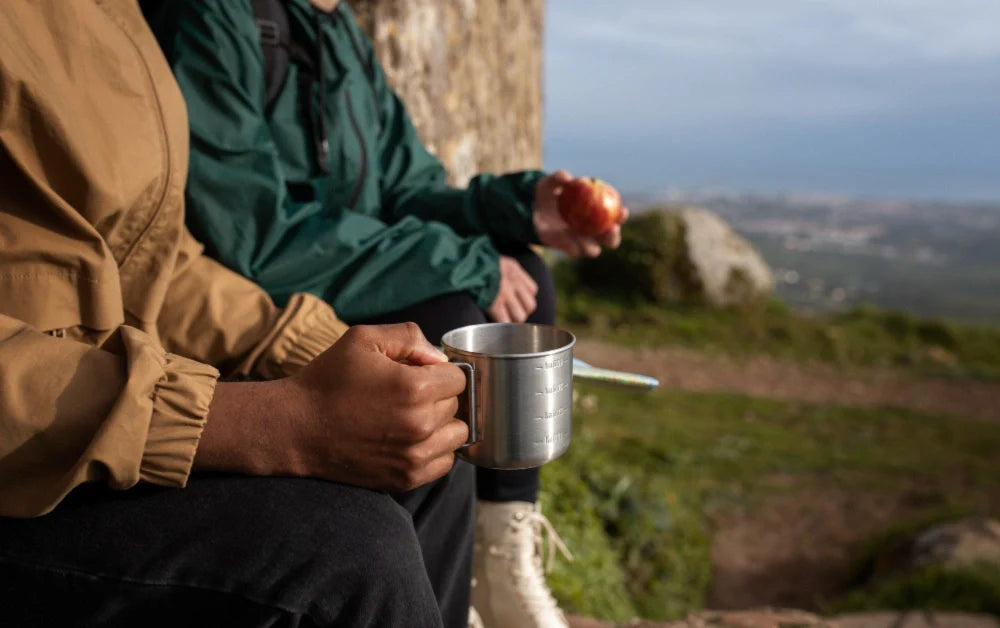
Outdoor adventures are an opportunity to create memories, traverse challenging trails, admire breathtaking panoramas, and soak in all that nature has to offer. But let's be realistic, none of this happens without the right supplies. The backpacking meals you bring can make or break your trip, keeping you energized and ready to tackle whatever the trail throws your way. Whether it's a sunrise breakfast at camp or a quick snack, your food choices matter.
In this guide, we'll help you plan and prepare the best backpacking meals, share some tasty ideas, and give you tips to make outdoor dining easy and enjoyable. Let's get started!
Adventure Meals
Adventure meals are lightweight, easy to prepare, and packed with the nutrients you need for your outdoor activities. These meals are essential for hiking, offering the right mix of energy and portability, allowing you to keep moving without adding unnecessary weight to your pack. Whether you're using freeze-dried options or making your own snacks, the backpacking meals you choose directly impact how your body handles long hikes and challenging trails. Good meal planning is an important part of your adventure preparation.
Need more tips to prepare for your trip? Check out our guide on how to plan a backpacking trip.

Backpacking Meal Planning
Meal planning for hikers involves choosing and organizing meals that meet your energy needs while keeping your backpack light and manageable. A solid plan ensures you stay nourished and focused without being weighed down by unnecessary bulk.
Types of Backpacking Meals
Backpacking meals come in various forms to suit different tastes, diets, and trip durations. Whether you're gearing up for a short weekend hike or planning your food list for a 6-day trek, here's what you need to know:
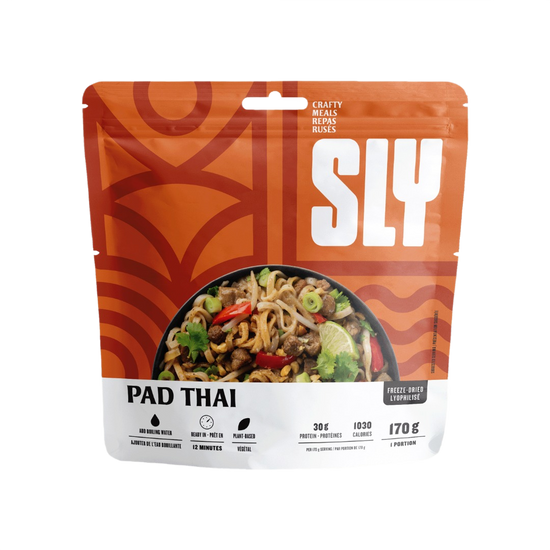
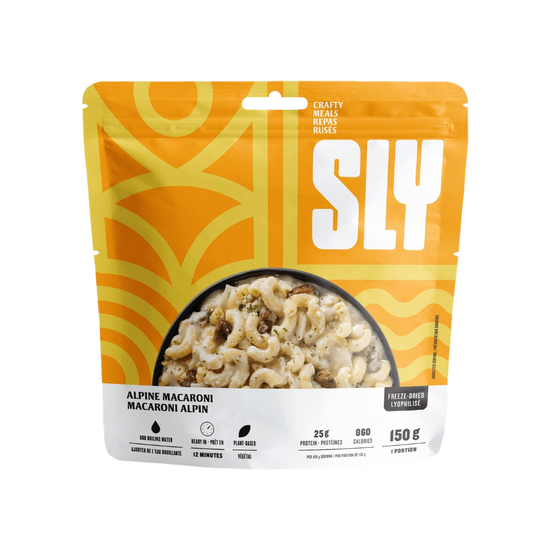
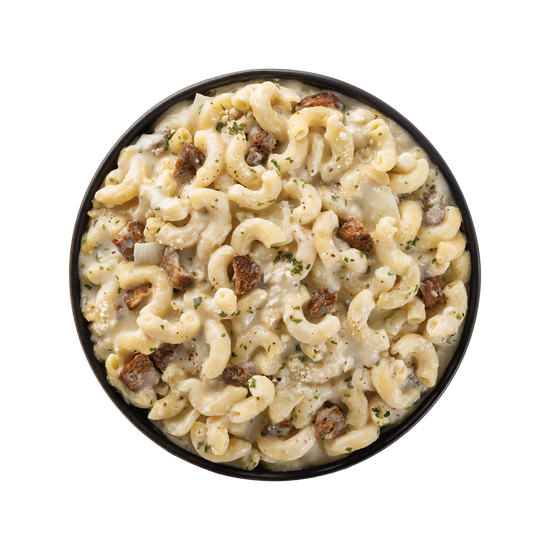
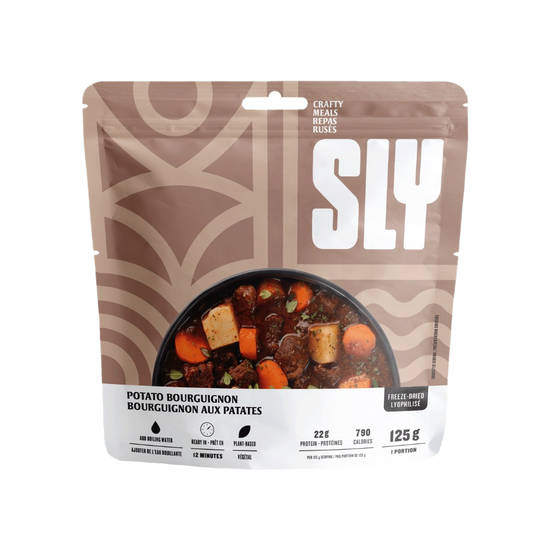
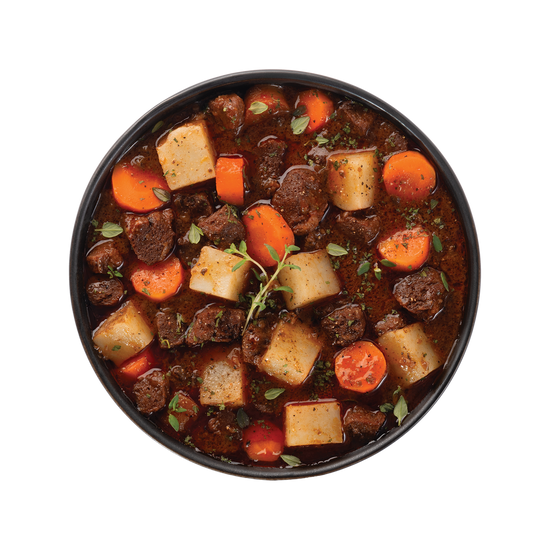
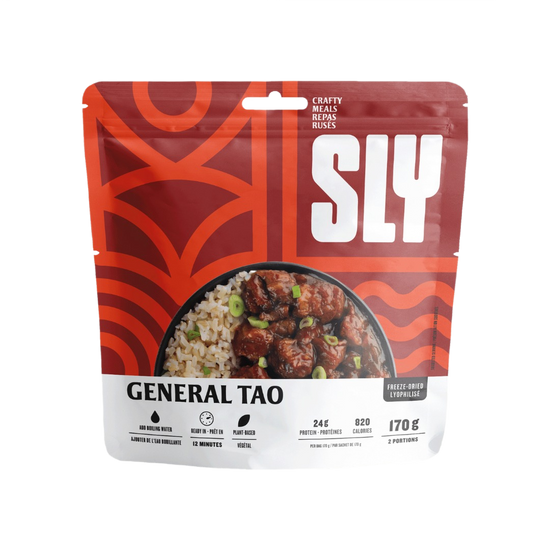
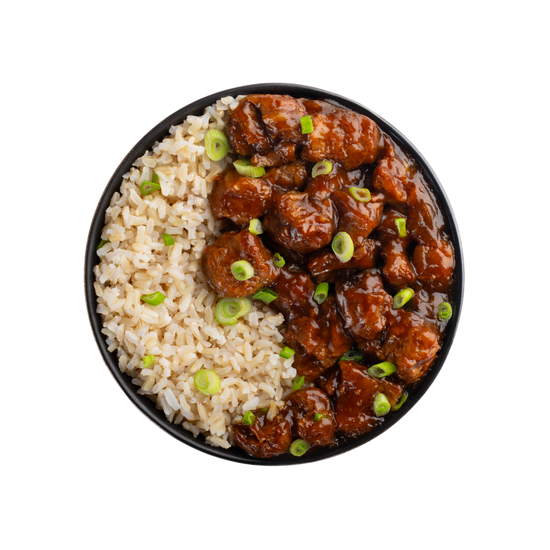
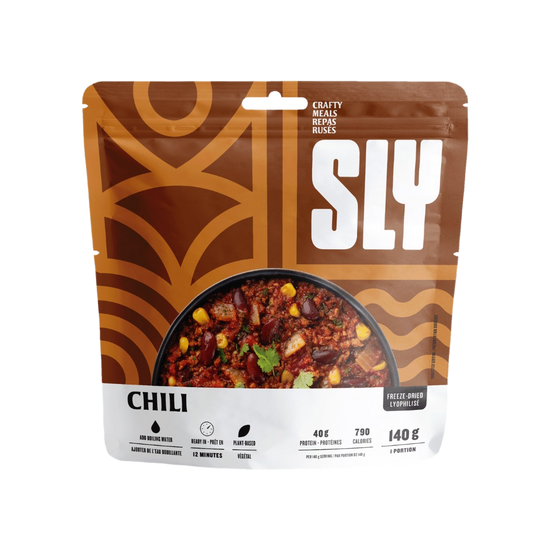
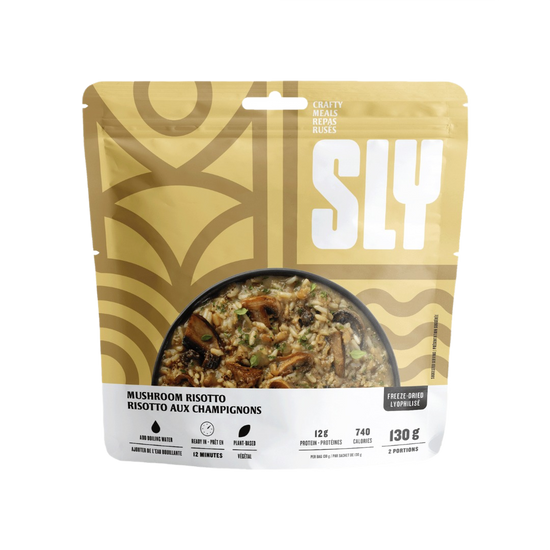
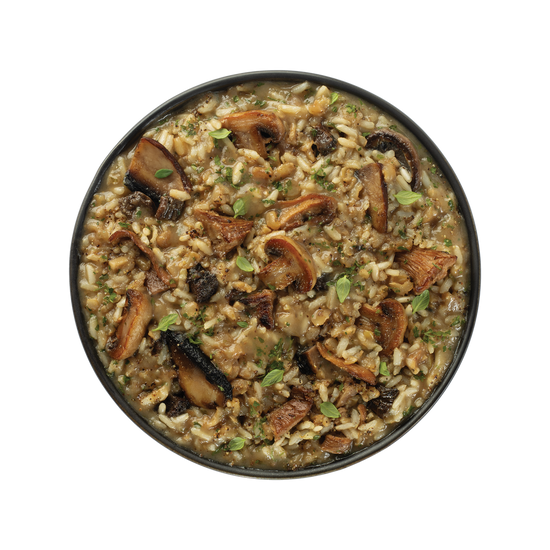
- Freeze-Dried Meals: Lightweight, durable, and requiring only hot water, freeze-dried meals like SlyFood's vegan options are ideal for convenience and nutrition.
- Dehydrated Meals: Homemade dehydrated foods, such as lentil stews or vegetable mixes, are economical and allow you to customize your meals to your dietary needs.
- Instant Foods: Quick options like instant oatmeal and ramen noodles are excellent for saving time while keeping your pack light.
- Fresh Foods: Perfect for the first day or two of your trip, foods like rolls, hummus, or marinated tofu offer fresh, satisfying flavors but should be eaten before they spoil.
Curious about the pros and cons of these options? Check out our article on types of backpacking foods to find what's best for your next adventure!
DIY Meals vs. Pre-Packaged Meals: Which is Better?
The choice between DIY meals and pre-packaged options depends on your personal preferences and trip goals.
- DIY Meals: Allow you to customize ingredients, save money, and ensure you're eating what you enjoy. For example, making your own granolas or dehydrating your favorite soups can be a fun way to prepare.
- Pre-Packaged Meals: Are perfect for convenience, especially for longer trips. Brands like SlyFood offer vegan adventure meals that are tasty, lightweight, and full of energy for long hikes.
Both approaches have their place, and many hikers mix and match to find a balance between effort and convenience. Remember, meal planning isn't just about the food—it's also about how to store backpacking food to maximize space and efficiency!
Get your freeze-dried foods
Fuel your journey with SlyFood's lightweight, durable, and nutrient-rich freeze-dried meals, designed for every trail and every adventure.
Backpacking Meal Ideas
When it comes to choosing what food to bring backpacking, the key is to focus on meals that meet your energy needs, fit your vegan lifestyle, and are lightweight enough for your backpack. Here's a list of ideas for each meal to help you plan your next adventure.
Breakfast
Breakfast sets the tone for your day, providing the energy and hydration needed to tackle the trail.
- Instant oatmeal with nuts, seeds, and dried fruit
- Granola with powdered plant-based milk and freeze-dried berries
- Pancakes made from instant mix, served with small syrup packets or almond butter
Lunch
Lunch should be quick, easy to prepare, and portable – ideal for eating on the go.
- Rolled tortillas filled with peanut butter and banana chips
- Whole-grain crackers with shelf-stable hummus or sun-dried tomato spread
- Bagels topped with mashed avocado (stored in small packets) or vegan jerky
Dinner
Hiking dinners provide calorie-dense, nutrient-rich meals that replenish energy and prepare your body for the next day.
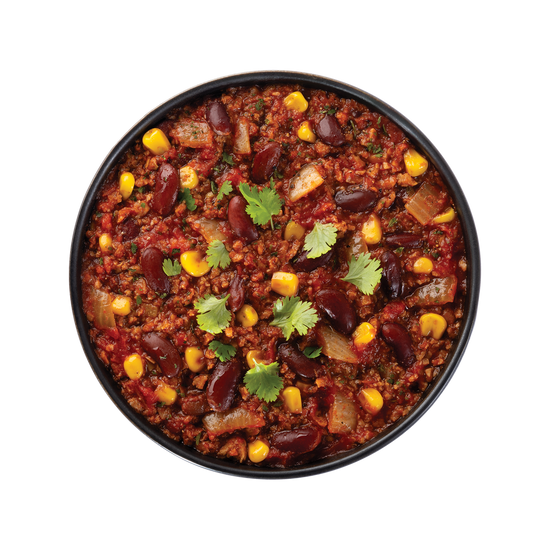
- Freeze-dried vegan chili with a side of cornbread mix
- Couscous mixed with dehydrated lentils, spices, and olive oil
- Instant ramen with dehydrated vegetables and tofu pieces
Snacks
Hiking snacks are portable, calorie-dense bites that provide quick energy during physical activity.
- Trail mix (nuts, seeds, dried fruit, and dark chocolate chunks)
- Energy bars made from oats, dates, and nuts
- Dehydrated mango slices with almond butter
Water and Drinks
Hydration is just as important as the food you bring. Always carry enough water and consider drink mixes to add electrolytes or flavor. Proper hiking hydration involves maintaining fluid levels and replenishing electrolytes to support physical endurance and recovery. Be sure to check out our guide on hydration for tips on water purification and staying hydrated during your trip.
When planning your meals, keep in mind how they fit into your 6-day hiking food list and ensure they meet your energy needs without adding unnecessary weight. Vegan options are versatile, lightweight, and perfect for creating adventure meals that fuel your journey!

6-Day Hiking Food List
Planning the right backpacking meals is essential to fuel long days on the trail while enjoying a variety of delicious meals. A good hiking meal list will help you balance your nutrition without overpacking. Here's a 6-day meal plan that includes satisfying, vegan-friendly options for every part of the day, from breakfast to dinner, and everything in between.
| Day | Breakfast | Lunch | Snacks | Dinner |
|---|---|---|---|---|
| Day 1 | Instant oatmeal with nuts and dried fruit | Tortillas with peanut butter and banana chips | Trail mix (nuts, seeds, dried fruit, dark chocolate) | Freeze-dried vegan stew with mashed potatoes |
| Day 2 | Granola with freeze-dried berries and plant-based milk | Pita bread with hummus and vegan jerky | Energy bars (nut-based) | Instant ramen with dehydrated vegetables and tofu |
| Day 3 | Pancake mix with syrup packets | Whole-grain crackers with avocado spread | Apple slices with peanut butter | Dehydrated pasta with pesto and nutritional yeast |
| Day 4 | Freeze-dried scrambled tofu with vegetables | Bagel with vegan cream cheese and avocado | Granola bars and vegan jerky | Rice and beans with seasoning packets |
| Day 5 | Breakfast biscuits with instant coffee and almond butter | Wraps with vegan cheese and vegetables | Oat and nut protein cookies | Freeze-dried vegan chili with cornbread mix |
| Day 6 | Granola with hot chocolate and nuts | Instant soup with crackers and dried fruit | Fruit mix and fruit leather | Rice with freeze-dried lentils and spices |
This meal plan not only keeps you well-nourished but also offers backpacking meal options that are easy to prepare and packed with the nutrients you need for a successful outdoor adventure. By carefully choosing what food to bring backpacking, you can maximize energy, flavor, and convenience while keeping your pack light. Whether you're preparing for a six-day trek or a shorter weekend getaway, these meals provide an excellent foundation for your journey.
Factors to Consider When Choosing Your Hiking Meals
When choosing your backpacking meals, it's important to ensure the food you bring meets your energy needs while remaining lightweight, nutritious, and easy to carry. Freeze-dried foods excel in all these areas, making them a top choice for hikers. Let's look at the key factors and why freeze-dried meals are ideal for your next adventure.
Calorie Density and Nutritional Balance
Backpacking meals should provide maximum energy in minimal space. Calorie density ensures you're carrying high-energy foods to fuel long hikes, while nutritional balance ensures a mix of protein, fats, carbohydrates, and essential vitamins for sustained performance.
Freeze-dried meals shine here, as the freeze-drying process retains up to 97% of nutrients while offering a lightweight option with high calorie density. To learn more about how freeze-drying preserves nutrients, check out our blog post on the benefits of freeze-dried foods.
Weight and Packability
Every unit of weight counts on the trail. Hikers look for compact, lightweight foods that are easy to pack and carry. Freeze-dried meals are incredibly light because they contain no water, and their packaging is designed to compress flat, saving backpack space.
Shelf Life and Food Safety
Shelf life is important when planning meals for multi-day trips, especially in remote areas where resupply isn't an option. Freeze-dried foods have an exceptionally long shelf life, often over 20 years, while retaining their taste and nutritional value. This makes them not only convenient but also reliable.
Importance of Diverse Food Options
Variety is essential to prevent meal fatigue and ensure a balanced diet while hiking. Freeze-dried meals are available in a wide range of options, from savory stews to sweet treats, allowing you to enjoy exciting flavors while meeting your nutritional needs. By adding freeze-dried fruits, vegetables, and complete meals, you're ready for any situation, all while keeping your pack light.
Whether it's a hearty vegan chili or a sweet, high-energy dessert, freeze-dried foods help make your hiking experience more enjoyable. Curious about how to add variety to your meals? Check out this article on freeze-drying techniques.

How to Prepare Food for Hiking
Learning how to pack camping meals can make a big difference in the success of your adventure. Proper packing not only saves space and manages weight but also ensures your meals stay fresh, organized, and easy to access.
6 Steps to Prepare Your Backpacking Meal
Efficiently preparing your backpacking meals is essential to keep your food organized, fresh, and easy to access, while ensuring your pack remains balanced. Follow these steps to make the most of your hiking meal prep:
- Use Resealable Bags or Airtight Containers: Pack your meals in resealable bags, vacuum-sealed pouches, or airtight containers to protect them from moisture, pests, and accidental spills. These options also save space and make it easier to organize your food.
- Separate Meals by Day or Type: Organize your meals into individual portions or day-specific packs. Label each bag or container with the meal type (e.g., breakfast, lunch, dinner) and the day you plan to eat it. This method saves time and prevents you from rummaging through your pack when you're hungry.
- Prioritize Lightweight and Compact Items: Choose freeze-dried meals or other lightweight options for hiking meals to reduce weight and maximize packability. These meals are easy to pack flat and offer excellent nutritional value for hiking.
- Balance Your Pack's Weight Distribution: Place heavier food items, such as vacuum-sealed pouches, closer to your back and in the center of your pack. This will help maintain balance and prevent strain while hiking. Store lighter snacks, like trail mix or energy bars, inside or outside pockets for quick access.
- Protect Fragile or Fresh Items: If you're carrying fresh food for the first day, such as fruits or bread, place them at the top of your pack for easy access and to prevent crushing. Consume these foods early in your trip to avoid spoilage and free up space in your pack.
- Plan for Easy Snack Access: Place snacks like granola bars, dried fruit, or nuts in easily accessible outer pockets or at the top of your pack. This allows you to quickly grab an energy boost during short breaks without having to unpack everything.
By following these simple steps, you'll ensure your backpacking meals remain organized, fresh, and easy to manage throughout your journey. Effective packing not only makes your meals accessible but also allows you to enjoy your time on the trail without added stress.
Tips for Packing Different Foods
Properly packing your backpacking meals can save you time and energy while keeping your food fresh and organized. Follow these tips to ensure you're efficiently preparing your meals for hiking:
- Freeze-Dried Foods: Freeze-dried meals are the top choice for backpackers' food due to their lightness, compactness, and long shelf life. Store them in their original packaging or in resealable bags to maintain freshness and protect them from moisture. Since freeze-dried foods require minimal preparation, you'll save time and space while enjoying nutritious meals on the go.
- Dehydrated Foods: Store dehydrated foods, such as homemade soups or dried vegetables, in vacuum-sealed bags to optimize freshness and save space. This keeps foods compact and ready for rehydration when needed.
- Fresh Foods: Place fresh foods like fruits, vegetables, or bread at the top of your pack for easy access. Consume these foods within the first two days to prevent spoilage and free up space in your pack for more durable meals.
- Light Snacks: Keep snacks such as trail mix, dried fruit, or granola bars in side or outer pockets. This placement allows for quick and convenient access during breaks, helping you stay energized throughout the day.
- Heavier Items: Place heavier items, such as vacuum-sealed meals or bulkier foods, closer to your back and in the center of your pack. This distribution helps maintain balance and reduce strain while hiking.
By choosing versatile options like freeze-dried foods, your camping meals will not only stay light but also be easy to prepare and packed with nutrients.
Frequently Asked Questions
How to keep backpacking meals fresh on long trips?
Use vacuum-sealed bags or airtight containers and prioritize non-perishable foods like freeze-dried or dehydrated meals.
What should I consider when preparing food for hiking?
Focus on weight, ease of packing, caloric density, and meal organization. Place heavier foods near your back and snacks in accessible pockets.
Are there vegan options for hiking meals?
Absolutely! Many freeze-dried meals, dehydrated vegetables, grains, nuts, and energy bars are vegan-friendly and perfect for hiking.
How much food should I pack for a hike?
Plan for approximately 2,500 to 4,000 calories per day, depending on your activity level and trip duration. Always pack an extra meal for emergencies.
Can I bring fresh food for hiking?
Yes, but consume fresh produce like fruits or bread within the first two days to prevent spoilage, and place them in accessible areas of your pack.
Conclusion
Backpacking meals are a key ingredient for any successful outdoor adventure, keeping you energized and nourished throughout your journey. By carefully selecting lightweight, nutrient-rich options and planning your meals for variety and easy preparation, you can make the most of your time on the trail. From freeze-dried meals to snacks, the right food choices can make your backpacking trip an enjoyable and stress-free experience.
Ready to take your backpacking meals to the next level? Discover SlyFood's vegan freeze-dried options, designed to meet the demands of outdoor adventures.
Get your freeze-dried foods
Fuel your journey with SlyFood's lightweight, durable, and nutrient-rich freeze-dried meals, designed for every trail and every adventure.