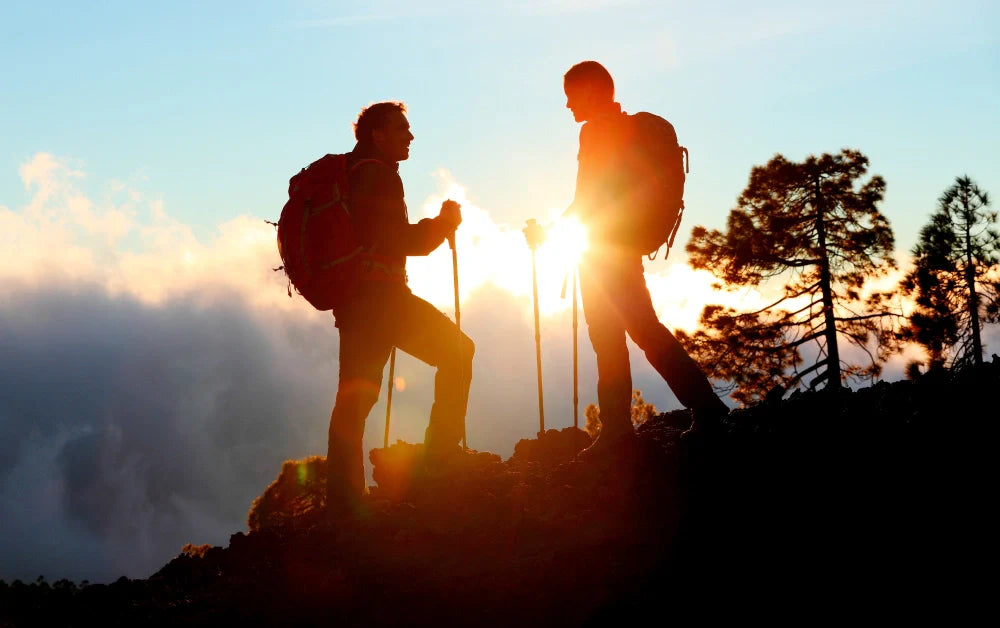
Preparing for a backpacking trip demands more than just enthusiasm and excellent gear; it requires a robust training plan. Knowing how to train for backpacking will help you improve your endurance and ensure you're physically and mentally ready for the challenges of the trail. Understanding how to train for backpacking is essential, whether you're planning a weekend hike or a multi-day trek. By following a structured training plan that combines cardio, strength, and flexibility exercises, you can build the stamina and resilience needed to traverse difficult terrain with a loaded backpack.
Understanding How to Train for Backpacking
Backpacking is a self-sufficient outdoor activity that involves walking with a loaded backpack, which requires physical stamina and mental resistance. This section explains how to set your goals, assess your fitness level, and create a training program. Training for hiking is one of the most important steps in a successful hiking plan. Check out our blog post explaining how to plan a backpacking trip to learn more.

Steps for Physical Training for Backpacking Trips
To have a successful backpacking trip, you need to physically prepare your body. Understanding how to train for backpacking involves developing strength and endurance, as well as proper nutrition. In this section, we will review the steps for physical training.
1. Assess Fitness Levels
It's important to assess your current fitness level to understand your starting point and identify areas for improvement. Start with a simple fitness test, which may include the following:
- Timed walk or hike: Measure how long it takes you to cover a given distance on a flat surface.
- Cardiovascular endurance: Assess how long you can hike before feeling fatigued.
- Strength: Test your ability to comfortably carry a heavy backpack.
- Flexibility and balance: Determine how easily you can move on difficult terrain.
Identifying your strengths and weaknesses will help you tailor your training plan to your specific needs. If endurance is an issue, focus on improving stamina. If balance or strength need improvement, include targeted exercises. Additionally, it's important to consider the weight of your backpack during your training, as you will be carrying it throughout the trail.
This is why it's important to plan ahead and decide what you will pack for your trip. To learn more about how to pack your backpack with the most important items, read our article on backpacking essentials.
2. Develop Your Training Programs
Developing a training program is essential for your preparation. A typical training plan includes a mix of endurance and strength training. Consider the following for your program:
- Frequency: Aim for at least three to five training sessions per week.
- Types of workouts: Alternate long hikes, cross-training, and rest days. For example, two days can be dedicated to hiking or walking, while another day can be dedicated to strength training exercises such as squats and lunges.
- Progression: Gradually increase the intensity of your training. Start with shorter hikes and lighter weights, then increase the distance and load over time.
By scientifically pacing your backpacking training, you will develop the physical capacity needed for your adventures. This structured approach will help you feel ready and confident for any long hikes you undertake.
3. Develop Your Training Schedule
It is important to create a structured training routine for effective hiking preparation. Focus on strength training, core stability, and cardiovascular fitness to improve your performance on the trails.
| Aspect | Focuses on | Key Exercises | Routine |
|---|---|---|---|
| Strength Training | Builds muscle power needed for hiking by targeting legs, back, and core. | -Squats: Builds leg strength and endurance. - -Lunges: Promotes balance and coordination. -Deadlifts: Strengthens your back and helps with lifting your pack. | Incorporate resistance training 2-3 times per week. Gradually increase weights or resistance as you progress. |
| Core Training | Improves balance on challenging terrain, prevents injuries, and enhances hiking efficiency. |
Planks: Builds core endurance. Russian Twists: Improves rotational strength. Leg Raises: Strengthens lower abs. |
Perform core workouts two to three times per week, mixing bodyweight and resistance exercises. |
| Cardiovascular Fitness | Enhances heart and lung health, building stamina for long hikes. |
Jogging or Running: Builds overall endurance. Cycling: Maintains leg strength with low impact. Hiking with a loaded pack: Simulates the backpacking experience. |
Aim for 150 minutes of moderate aerobic exercise per week, including interval training to boost endurance. |
Understanding how to train for backpacking is a personal endeavor, but it's best to train with a friend to ensure consistency in training.
Nutrition and Hydration Training
Proper nutrition and hydration for your body are the cornerstones of your preparation for outdoor adventures. Whether you're focusing on how to train for hiking or developing a comprehensive training plan, what you eat and drink directly impacts your performance and recovery on the trail.
Hydration Strategies for Hiking
Hydration is important for endurance and preventing fatigue when hiking. To maintain optimal hydration, drink water throughout the day, even if you're not thirsty. Aim to consume 2 to 3 liters of water per day, depending on your activity level and the weather. For added effectiveness, add electrolyte powders to your water to replenish lost minerals, especially during hot or strenuous hikes.
The Basics of Nutrition for Backpacking Trips
A balanced diet tailored to your activity level ensures sustained energy and recovery. Backpacking requires a lot of energy, so it's important to consume between 2,500 and 4,000 calories per day, depending on the intensity and duration of your hike. Plan to increase your intake by 200 to 300 calories per hour for particularly challenging sections to maintain energy levels and prevent fatigue. Also, focus on the following key macronutrients:
- Carbohydrates: The primary source of energy for hiking. Prioritize whole grains, dried fruits, and fruit and vegetable mixes.
- Proteins: Vital for muscle repair and recovery. Include nuts and protein bars in your pack.
- Fats: Long-lasting energy providers. Think nuts, seeds, and nut butter.
Adventure-Ready Meal Options
It's important to prepare light, high-energy meals for convenience and performance on the trail. Good planning ensures you stay fueled and energized throughout your backpacking adventure.
- Freeze-dried meals: Lightweight and nutrient-rich options like those from SlyFood offer easy and delicious solutions for hiking.
- Snacks: Energy bars, trail mixes, dried fruits, and nut mixes are ideal options for maintaining energy levels between meals.
- DIY choices: Prepare oatmeal packets or simple meals like nut butter wraps for an economical and personalized approach.
By combining these meal strategies with your backpacking training, you ensure sustained energy and good recovery during your trips. To learn more about meal preparation for hiking, check out our blog post on backpacking meals.
Get freeze-dried vegan meals!
Get freeze-dried meals that are ready in minutes - no fridge, no prep, no mess. Perfect for travel, work, or everyday life.

Mental Preparation Techniques for Hiking
It's important to learn how to train for backpacking from a mental perspective. Mental preparation is the process of developing the mindset, strategies, and resilience needed to overcome challenges during outdoor adventures. It is considered an important factor when it comes to learning how to train for backpacking. Many techniques can be included in your hiking training plan, including:
Visualization Techniques
Visualization techniques are powerful tools that help hikers mentally prepare for the challenges they may encounter on the trail. By creating vivid mental images of yourself successfully navigating steep inclines, traversing difficult terrain, or reaching your destination, you can improve your focus and strengthen your self-confidence. During your hiking training sessions, take a few moments before or after your workout to close your eyes and visualize:
- Tackling challenging trails: Imagine yourself resisting fatigue and finding the energy to continue.
- Achieving goals: Imagine the moment you reach the summit or finish the hike, strengthening your determination.
- Managing unexpected situations: Visualize how you will calmly react to obstacles such as bad weather or fatigue.
Adding visualization to your training routine makes the experience more immersive and helps you stay motivated while learning how to train for backpacking.
Coping with Challenges
Coping techniques are important for managing physical and mental stress during a backpacking trip. When learning how to train for backpacking, appropriate coping techniques allow you to stay calm, conserve energy, and focus on your goals. Incorporate the following strategies into your preparation:
- Deep breathing: Breathe slowly and in a controlled manner to calm your mind and regulate your heart rate when you feel overwhelmed.
- Mindfulness: Practice staying present in the moment by focusing on your surroundings and sensations rather than worrying about the future.
- Positive self-talk: Replace negative thoughts such as "I can't do this" with affirmations such as "I am strong and capable."
These techniques not only reduce stress during hiking but also improve your overall experience, helping you stay mentally strong during difficult times.
Strengthening team communication skills
Effective team communication is important for group safety and success during a backpacking trip. Learning how to train for a backpacking trip means developing these skills during preparation and ensuring that every group member feels supported and aligned.
- Group training hikes: Organize hikes with your group to simulate real-life scenarios, build trust, and practice coordination. This allows everyone to understand their role and contribution to the team's success.
- Clear communication tools: Use walkie-talkies or agreed-upon hand signals to stay in touch in areas with limited visibility or sound. For example, a raised hand can mean "stop," while pointing in a specific direction can indicate the route to follow.
- Check-ins: Encourage regular check-ins during the hike to ensure everyone is comfortable, hydrated, and ready to continue.
Acquiring strong team communication skills helps avoid misunderstandings and ensures effective collaboration among all team members during your outdoor adventure.
By implementing these strategies, you will develop the mental endurance necessary for extended outdoor adventures, making your journey more enjoyable. To learn more, read this article on mental preparation for backpacking.
Stretching and recovery techniques during outdoor adventures
Proper stretching and recovery techniques are essential for maintaining flexibility, preventing injuries, and reducing fatigue during and after outdoor adventures. By incorporating these practices into your routine when learning how to train for a backpacking trip, you ensure that your body remains strong and energized, whether you are training or actively on the trail.
Pre-hike stretches
Before heading out on your adventure, a dynamic stretching routine helps warm up muscles and improve blood circulation. These movements prepare your body for the physical demands of hiking:
- Leg swings: Hold onto a stable surface and swing one leg forward and backward. This improves hip flexibility and prepares your legs for climbing.
- Lunges with a twist: Take a lunge forward and twist your torso towards your front leg. This engages your legs, core, and spine.
- Arm circles: Extend your arms and make small, controlled circles to relax your shoulders and upper back.
On-trail stretches
Mid-hike stretches prevent stiffness and reduce muscle tension, especially after challenging trail sections:
- Hamstring stretch: Place one foot on a rock or elevated surface, keep the leg straight, and lean slightly forward to stretch your hamstrings.
- Calf stretch: Find a rock or incline, place the ball of your foot against the rock, and lean forward to stretch your calves.
- Shoulder rolls: Roll your shoulders backward and forward to release tension from carrying your pack.
Post-hike recovery stretches
After your hike, static stretches help your muscles cool down and prevent soreness. Hold each stretch for 20-30 seconds:
- Quadriceps stretch: Stand on one leg, pull the other foot towards your glutes, and keep your knees together to stretch your quadriceps.
- Forward bend: Stand with your feet shoulder-width apart and bend forward at your hips, letting your arms hang. This stretches your hamstrings and lower back.
- Child's pose: Kneel on the ground, extend your arms forward, and rest your chest on your thighs. This position relieves tension in the lower back and shoulders.
Recovery techniques
Recovery doesn't stop at stretching; other techniques help your body repair and prepare for the next day:
- Hydrate: Drink plenty of water to replenish fluids lost during the hike. Adding electrolytes can aid recovery.
- Refuel: Eat a balanced meal of carbohydrates and proteins within 30 minutes of finishing your hike to promote muscle repair.
- Massage: Use a foam roller or massage ball to relieve tense muscles, focusing on your legs, back, and shoulders.
- Rest: Elevate your legs to improve blood circulation and reduce swelling after long hikes.
Using these stretching and recovery techniques in your routine while learning how to train for hiking will improve your performance, mitigate fatigue, and ensure your body is ready for your next adventure.
Frequently Asked Questions
How long should I train before a backpacking trip?
Start training 6-12 weeks before your trip, focusing on endurance, strength, and core stability to build the stamina needed for long hikes.
How can I simulate real hiking conditions during training?
Practice walking on rough terrain with a loaded backpack, gradually increasing the weight according to the demands of your trip.
How important is nutrition during hiking training?
Nutrition is essential for energy and recovery. Focus on a balanced diet during training and pack lightweight, nutrient-dense foods for the trip, such as freeze-dried meals.
How can I avoid injuries when training for hiking or trekking?
Start slowly, progress gradually, incorporate stretching and recovery, and wear supportive footwear to minimize the risk of injury.
What gear should I use for hiking training?
Essential gear includes sturdy hiking boots, a comfortable backpack, moisture-wicking clothing, trekking poles, and a hydration system to ensure adequate training.
Conclusion
Preparing for outdoor adventures is more than just excitement - it's about having the right plan, mindset, and tools to make the journey safe and enjoyable. Whether you're exploring new trails or embarking on a multi-day hike, understanding how to train for a backpacking trip is key to success. From building endurance to selecting the right gear, every step of preparation contributes to a rewarding experience. By adding practical training, recovery techniques, and smart nutrition strategies to your routine, you'll be ready to take on the challenges of hiking with confidence. Remember, by learning how to train for a backpacking trip, you not only improve your performance but also ensure you get the most out of every adventure.
Before heading out on your next adventure, don't forget to stock up on freeze-dried meals for optimal convenience. Order today and fuel your journey with the best!
Get vegan freeze-dried meals!
Get freeze-dried meals that are ready in minutes - no fridge, no prep, no mess. Perfect for travel, work, or everyday life.