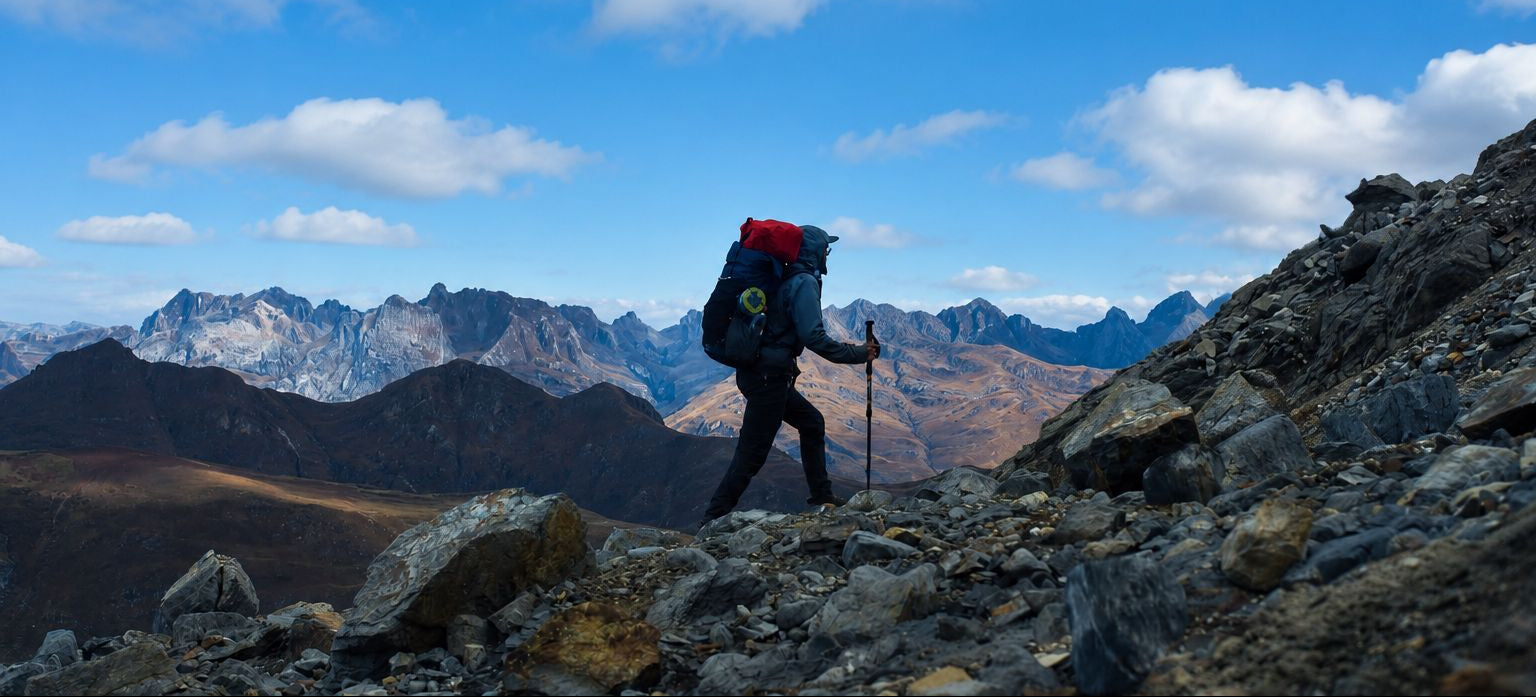
Planning a backpacking adventure? Choosing the right backpacking essentials is key to a safe and unforgettable trip. From shelter and navigation to hydration and cooking gear, the right tools will ensure you're prepared for whatever challenges nature throws your way. Backpacking essentials aren't just about packing light; they're about packing smart. The right gear brings comfort, safety, and confidence, whether you're traversing dense forests or scaling steep mountains. In this article, we'll review the essential backpacking items that will make your next adventure a success.
What are the essential backpacking items?
Backpacking essentials are the basic items and equipment needed to ensure safety, comfort, and efficiency during outdoor adventures, especially on multi-day hikes or treks. These essentials range from navigation tools to cooking gear for hikers and personal hygiene items. The choice of items to bring on a backpacking trip can significantly impact your adventure.
Essentials ensure you're ready to face the challenges of being away from civilization and form the foundation of a well-prepared adventurer's toolkit. In the next section, we'll list the indispensable gear to keep in mind when planning a backpacking trip. If you want to learn more about how to create your travel plan, check out our guide explaining how to plan a backpacking trip.
1. Shelter and sleeping gear
One of the essential items for a backpacking trip is choosing the right shelter and sleeping system to ensure safety and comfort on any hike. Options include tents, sleeping bags, and mattresses tailored to your needs, ensuring protection from the elements and a restful night outdoors.
Tents and shelters for backpacking
The choice of shelter is determined by the conditions and the weight you are willing to carry:
- Backpacking tents: They are lightweight (3 to 5 pounds), compact, and weather-resistant.
- Tarps: Ultralight and versatile, they offer only minimal protection against rain and insects.
- Bivy sacks: These are minimalist and lightweight options for basic weather protection.
A good shelter protects you from rain, wind, and insects, so choose wisely.
Sleeping bags and mats
A sleeping bag and mat are important for warmth and comfort:
-
Sleeping bags:
- Temperature ratings: (Summer: 35°F and above) - (Three seasons: 20°F to 35°F) - (Winter: 20°F and below.)
- Insulation options include down, which is lightweight and compact, and synthetic materials, which perform better when wet.
- Shape: Mummy for warmth; rectangular for space.
-
Sleeping mats:
- R-value: A value below 2 is for summer, between 2 and 4 for spring and fall, and above 4 for winter.
- There are two types: air pads, which are lightweight but can be punctured, and foam pads, which are durable but bulky.
This setup ensures you stay comfortable, warm, and well-rested, no matter where you camp. Next, choose your backpack and determine its size. This backpack is considered one of the essentials for a backpacking trip.
2. Choosing the right backpack
For outdoor activities, a backpack is a specialized bag that allows you to carry your essential items comfortably and efficiently. By learning about the types of backpacks and the size of backpack to choose for these types of trips, you can enhance your adventure.
Types of backpacks
Choosing a suitable backpack depends on the adventure, but the following three factors are generally considered:
- A backpack is designed for longer trips and usually offers a larger volume for gear. Sizes range from 40 to 70 liters, making them suitable for long hikes.
- A daypack is smaller (usually 15 to 30 liters) and perfect for short outings or light hikes. It can hold essentials like water and snacks without being too bulky.
- An ultralight backpack aims to reduce weight for professional hikers. These bags often weigh less than 2 pounds, but you should check their durability and storage options, as they may lack features found in heavier bags.
A backpack suited to your dimensions
Another factor is the size of the backpack to choose relative to your height. Measure your torso length, starting from the base of your neck and ending at your hip bones. Make sure the hip belt sits comfortably on your hips; the shoulder straps should be neither too tight nor too loose. Here is a simple guide to help you make the right choice:
| Torso Length | Backpack Size |
|---|---|
| 15-18 inches | Small (40-50L) |
| 18-20 inches | Medium (50-65L) |
| 20 inches and above | Large (65L and above) |
Finally, pay attention to the backpack's design. Consider pockets that allow easy access to items you might need quickly, like snacks or a camera. Compression straps can help manage the load by keeping items in place and reducing bulk.

3. Essential cooking gear for backpacking trips
Having the right cooking gear can make a big difference on your backpacking trip. Efficient, lightweight, and durable equipment allows you to enjoy nutritious meals without unnecessary bulk. From portable stoves to food storage solutions, choosing the right tools will enable you to prepare simple and satisfying meals on the trail.
- Portable cooking stoves: Compact and efficient stoves like Jetboil systems are ideal for quick meal preparation, boiling water in under two minutes. You can also opt for multi-fuel stoves for more versatility and ultralight alcohol stoves for minimal weight. Choose based on trip duration and conditions.
- Storage containers: Use lightweight, collapsible containers to store meals or leftovers. Odor-proof bags are essential for protecting food from wildlife, while compact sachets can hold spices, snacks, or small portions easily accessible on the trail.
By investing in these essential backpacking items, you ensure easy meal preparation and keep your backpack light, allowing you to focus on enjoying the adventure.
4. Freeze-dried food
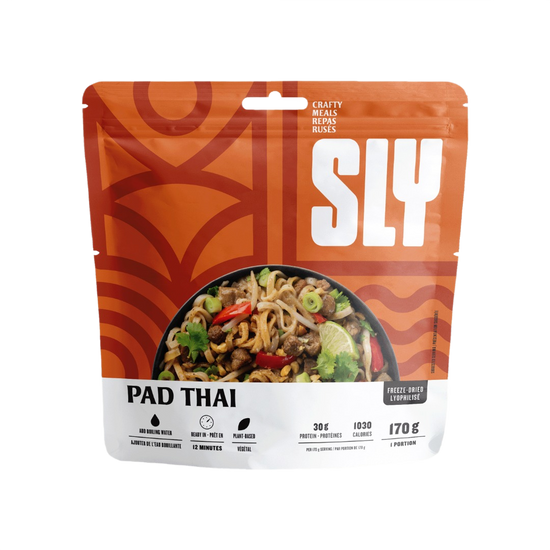
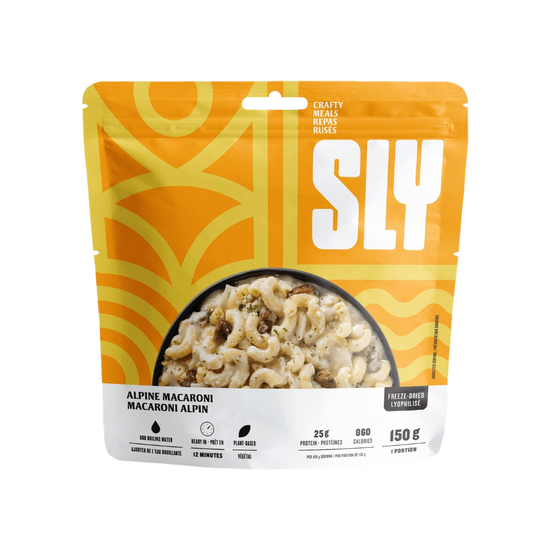
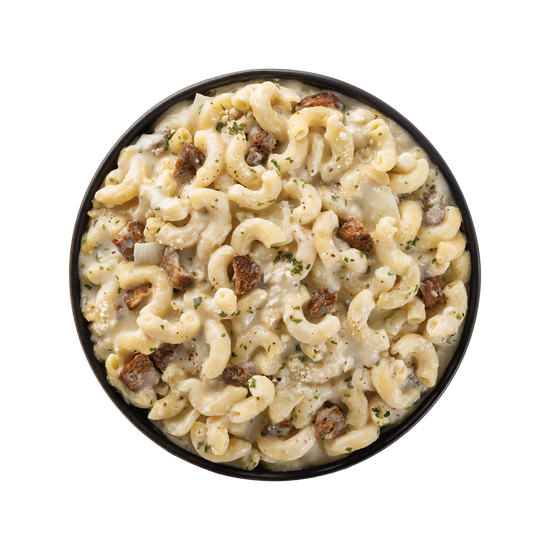
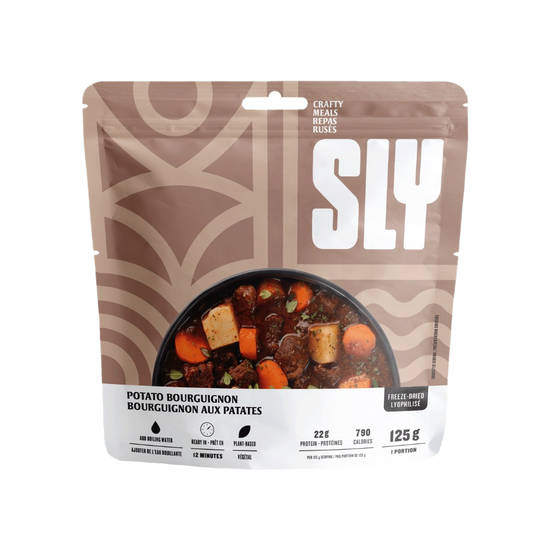
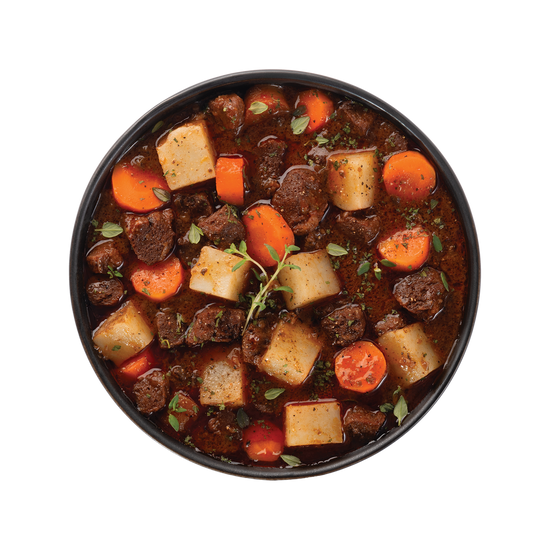
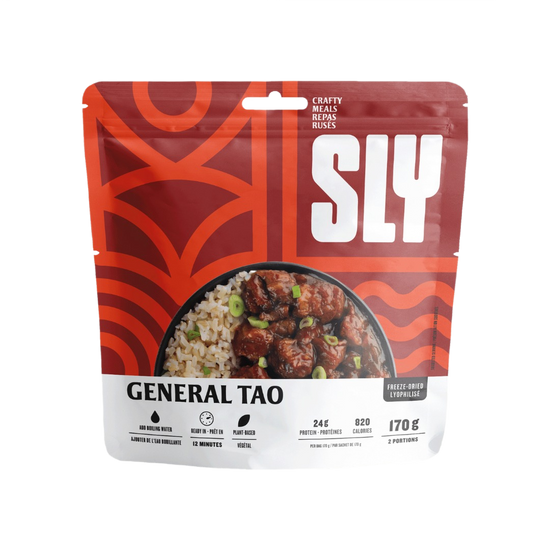
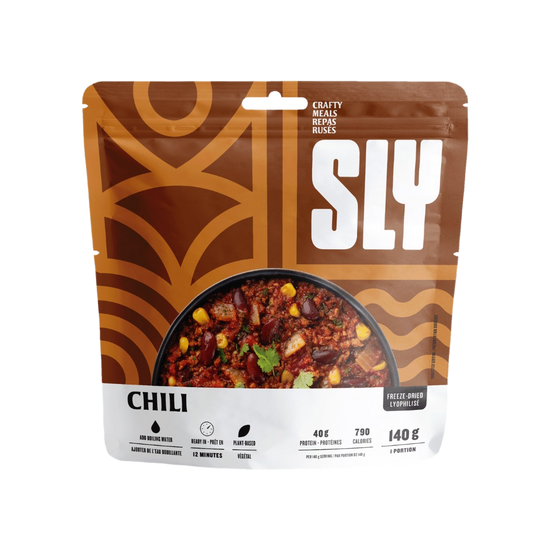
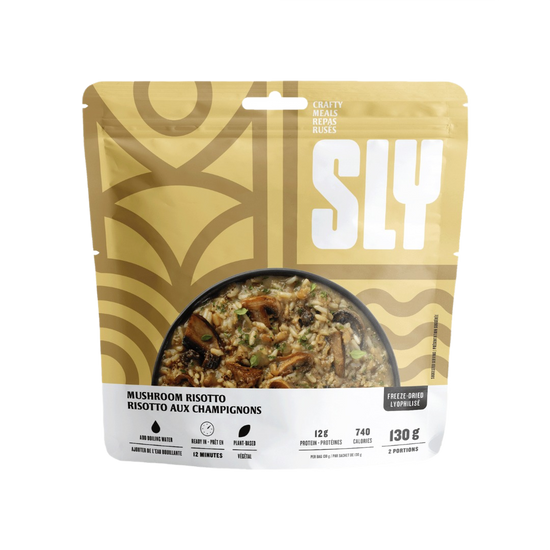
Freeze-dried food is indispensable when planning your backpacking meals. These lightweight, high-calorie, and easy-to-prepare meals are suited to the challenges of the trail, making them one of the essential items for a backpacking trip. Freeze-dried foods are:
- Quick to prepare: Just add hot water to enjoy a warm, satisfying meal in minutes—ideal after a long day of hiking.
- Compact and lightweight: Freeze-dried meals take up little space in your backpack, making them easy to carry.
- Energy-rich: Designed to provide the calories and nutrients needed for physical exertion on the trail.
- Long shelf life: Reliable for long trips, ensuring your food stays fresh throughout your adventure.
- Variety of flavors: A wide selection of options means you don't have to compromise on taste or enjoyment.
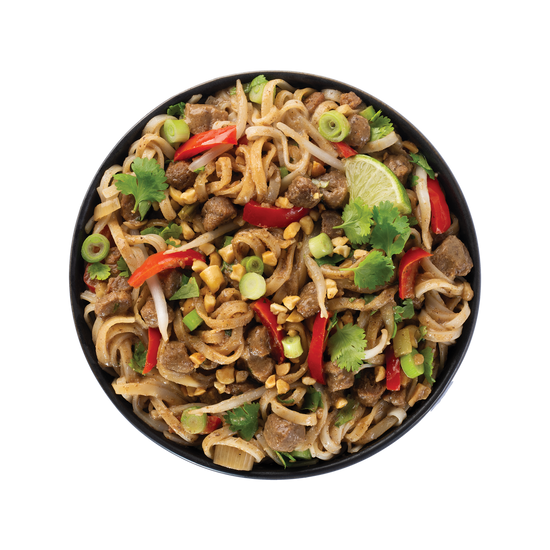
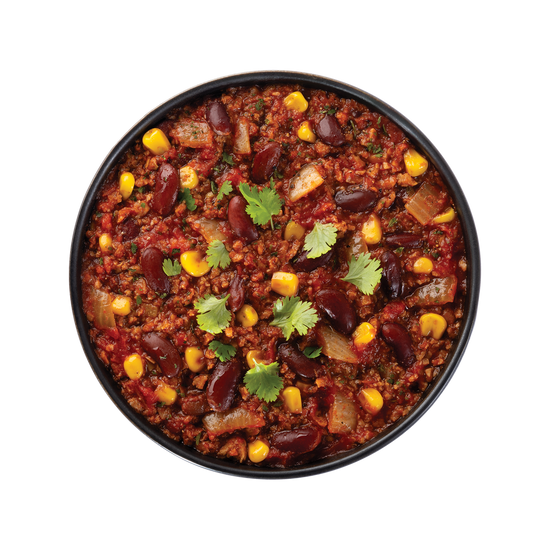
Freeze-dried food allows you to refuel and be ready for any adventure, whether it's hearty pasta, a savory soup, or a breakfast scramble. Include these versatile meal options in your backpack to simplify meal preparation while maintaining good nutrition on the trail.
Ready to equip yourself with freeze-dried food?
Fuel your outdoor meals with high-quality freeze-dried meals and a Jetboil cooking system.
5. Clothing and footwear for backpacking trips
Choosing the right clothing and footwear is important for comfort, safety, and adaptability on the trail. Layering is essential: start with a moisture-wicking base layer, add insulation, and complete with a weather-resistant outer layer. Adapt your choices to the climate and terrain for an optimal experience.
| Equipment | Difficult Terrain | Easy Trails | Mixed Terrain |
|---|---|---|---|
| Hiking Boots | Durable with strong ankle support, ideal for challenging terrains. | Excessive but useful, provides extra support. | Good for trails with rocky or uneven sections. |
| Hiking Shoes | Limited to slightly rugged terrain, may require thick socks. | Lightweight and flexible for easy, smooth paths. | A versatile choice for moderate and varied trails. |
| Trail Running Shoes | Poor insulation; ideal for dry, light trails. | Lightweight, breathable, perfect for speed. | Useful for mixed terrain when weight is a factor. |
| Pants | Reinforced and waterproof pants for added protection and durability. | Lightweight, breathable pants or shorts. | Convertible pants with zip-off legs for flexibility. |
| Base Layers | Merino wool or synthetic base layers to wick away moisture. | Lightweight, breathable base layers for comfort. | Mid-weight base layers for temperature variations. |
| Outerwear | Waterproof jackets with storm flaps for harsh conditions. | Lightweight and breathable for UV protection. | Versatile waterproof and breathable shell. |
| Accessories | Thermal gloves, wool socks, and warm hat for insulation. | Sun hat and UV-protective sunglasses for comfort. | Versatile hat, gloves, and sun protection. |
By adapting your clothing and footwear to your environment, you ensure a more comfortable and enjoyable trip. Discover more tips in this detailed guide to backpacking clothes!

Specialized equipment for different types of outdoor activities
When planning an outdoor adventure, it's important to know what to bring on a backpacking trip. Specialized gear tailored to your activity ensures a safer and more enjoyable experience. Whether you're hiking, camping, or mountaineering, here's a list of essential backpacking tools and equipment that will meet your needs.
JetBoils: A reliable cooking solution
JetBoils are essential for hikers and campers who want to prepare meals quickly and efficiently. These portable cooking systems heat water rapidly, making them perfect for preparing freeze-dried meals, coffee, or tea. Lightweight and compact, JetBoils are ideal for reducing pack weight without compromising convenience.
Pair your Jetboil with freeze-dried foods for the ideal hiking cooking setup. Reliable, portable, and simple to use, it's suitable for hiking, camping, and trekking. If you're wondering what to pack for a backpacking trip, here's the answer. These essential backpacking items not only save you time and weight but also ensure you're well-fed and ready for the trail ahead.
Navigation tools
Accurate navigation is essential for outdoor adventures. Essential tools include:
- Map and compass: Reliable in areas without cell service.
- GPS devices: Provide real-time tracking.
- Altimeter watches: Measure elevation changes to plan your routes.
- Personal Locator Beacons (PLB): Ensure safety by signaling for help in emergencies. Combine these with smartphone apps for enhanced functionality, but always have a backup solution.
Climbing and mountaineering gear
For climbing or technical hikes, invest in specialized gear:
- Climbing harness: Ensures safety during ascents.
- Helmet: Protects against falling debris or impacts.
- Ropes and carabiners: Important for securing yourself during climbs.
Snow and ice equipment
Cold-weather activities require unique tools:
- Ice axe: Useful for balance and self-arrest on icy slopes.
- Crampons: Attach to boots for secure footing on ice.
- Snowshoes: Prevent sinking into deep snow and make hiking easier.
Water adventure essentials
For kayaking, rafting, or paddleboarding, these items are essential:
- Dry bags: Protect your valuables from water damage.
- PFDs (Personal Flotation Devices): Ensure safety in case of accidents.
- Waterproof phone case: Protects your electronics while allowing their use.
Tailoring your gear to the activity
The list of what to pack on a backpacking trip depends on your chosen adventure. Prioritize lightweight, multi-functional items and test them beforehand. Preparation ensures you're ready for the unique challenges of your outdoor activities.
By choosing specialized gear, such as JetBoils for cooking or crampons for icy terrain, you'll enhance your experience and stay ready for any adventure. Check out our article on types of adventures for more information on different outdoor activities.
Physical and mental preparation for outdoor adventures
Preparing for outdoor adventures goes beyond packing essential backpacking items; it demands both physical readiness and mental resilience. Physically, engage in regular exercises like hiking, strength training, or cardio to build the endurance and stamina needed for the challenges ahead. Mentally, research your route, understand potential risks, and visualize overcoming obstacles to gain confidence. Practice mindfulness or stress-reduction techniques to stay calm in unpredictable situations.
This comprehensive preparation ensures you are equipped to handle both the physical demands and mental uncertainties of outdoor exploration, making your adventure safer and more enjoyable. To learn more about the importance of mental and physical preparation, read our article explaining how to train for backpacking.
Frequently asked questions
Backpacking trips can vary greatly in terms of location, duration, and personal preferences. Here are the answers to the most common questions hikers ask.
What should I include on my packing list when backpacking in Southeast Asia?
When backpacking in Southeast Asia, pack light clothing suitable for the heat. A quick-drying towel and a reliable water bottle are also important. Don't forget sun protection items like sunscreen and a hat. A power bank for your devices will also keep you connected.
How do I determine essential items for a backpacking trip in Europe?
To determine your essential items for Europe, consider the climate and planned activities. Gear should be versatile to adapt to different environments. Pack a sturdy pair of walking shoes, a compact rain jacket, and travel-sized toiletries. A guidebook or map can help you navigate easily.
How can a beginner prepare for their first backpacking trip?
A beginner can prepare by researching the area and understanding the necessary gear. Practice packing and carrying your backpack before you leave. It's advisable to start with shorter hikes to build stamina and get comfortable with the equipment.
What is the average weight a backpacker should carry?
The average backpack weight should be approximately 20-25% of your body weight. This balance helps ensure comfort and mobility on the trail. It's important to ensure your load only includes necessary items to avoid over-packing.
Conclusion
A successful outdoor adventure relies on proper gear preparation. Your backpack should include a durable pack, a reliable tent or hammock, and a warm sleeping bag for restful nights. Lightweight cooking utensils, ready-to-eat meals, and energizing snacks will keep you fueled on the trail, while safety items like a first-aid kit, map, and compass will ensure you're prepared for emergencies.
Don't forget personal items like toiletries to stay clean and comfortable. Simplify your trip by stocking up on freeze-dried meals from SLYfood for easy and delicious meals on the trail. This way, you'll have everything you need for an enjoyable and hassle-free adventure.
Ready to equip yourself with freeze-dried food?
Fuel your outdoor meals with high-quality freeze-dried meals and a Jetboil cooking system.