SLY Blog

Freeze-dried or dehydrated food (which one to choose?)
When it comes to choosing the right food preservation method, the debate between freeze-dried vs. dehydrated foods boils down to your priorities. Freeze-dried foods excel in nutrient retention, shelf life, and maintaining original texture, making them ideal for long-term storage and convenience. In contrast, dehydrated foods, while more economical, offer a chewier texture and shorter shelf life, catering to different needs and preferences. Let's delve into this comparison to discover which method best suits your needs! Freeze-Dried vs. Dehydrated Food (Which is Better?) Understanding the difference between freeze-dried and dehydrated foods is essential for choosing the best option for your needs. Each preservation method has unique qualities, from differences in shelf life to variations in texture, making them ideal for specific uses. Feature Freeze-Dried Meal Dehydrated Food Shelf Life Up to 25 years 1-5 years Water Content Retains approximately 2% Retains 30%-50% Nutritional Retention Retains up to 97% of nutrients Retains approximately 60% of nutrients Texture Light and airy, similar to original once rehydrated Chewy, with a denser texture Taste Fresh flavor More intense, concentrated flavor Rehydration Time Fast Slower Processing Method Sublimation through cold and vacuum Heat-based drying Weight Extremely lightweight Slightly heavier Cost Higher due to processing complexity Cheaper and more affordable Storage Needs Requires airtight storage for best longevity Less sensitive to storage conditions Environmental Impact Higher energy consumption in processing Lower energy consumption in processing Common Uses Long-term storage, outdoor adventures, quick meals Snacks like jerky, short-term storage Availability High-end and specialized stores Widely available in food stores Production Complexity Advanced technology required Simple, often done at home Moisture Absorption Less risk of spoilage in humid environments Can absorb moisture more easily Ultimately, the comparison between freeze-dried vs. dehydrated food shows that both have their place, depending on your priorities. Whether you're looking for long-term storage, better nutrient preservation, or an economical option, this table highlights the key distinctions to help you make your decision. Understanding Food Preservation Methods In the world of food preservation, the difference between freeze-dried and dehydrated foods highlights the unique advantages of each method. Both approaches impact shelf life, texture, and nutritional value, making them ideal for different storage needs and culinary uses. What is Freeze-Dried Food? Freeze-dried foods are made by removing almost all moisture through a process that freezes food and sublimates frozen water directly into gas. This method preserves the food's structure, flavor, and nutritional value while significantly extending its shelf life, often up to 25 years. While it requires specialized equipment and is more expensive, freeze-drying is ideal for lightweight, long-term storage of foods such as fruits, vegetables, and meats. Learn more about what a freeze-dried meal is in our detailed guide. What is Dehydrated Food? Dehydrated foods are made by removing moisture through heat and air, reducing weight and volume for easier storage and transport. While it's a cost-effective and accessible preservation method, it alters texture, concentrates flavors, and shortens shelf life to 1-3 years compared to freeze-drying. Additionally, some heat-sensitive nutrients may be lost, but this method remains a popular option for preserving fruits, vegetables, and herbs. Pros and Cons of Freeze-Dried vs. Dehydrated Foods Freeze-dried foods offer exceptional advantages for long-term food preservation, with a shelf life of 20 to 30 years and the ability to retain up to 97% of nutrients. They preserve the original texture and flavor of foods, making them lightweight and adaptable for storage or outdoor use. However, the process is expensive and requires specialized equipment, which may limit accessibility for some users. Dehydrated foods, on the other hand, are a cost-effective and accessible method that can be done at home with basic tools. While they allow for compact storage and are ideal for short-term needs, they have a shorter shelf life of 1 to 3 years and can result in nutrient loss and altered texture. The choice between these methods depends on your priorities, whether it's long-term storage, financial accessibility, or ease of preparation. Freeze-Dried vs. Dehydrated Food: Which is Healthier? When choosing between freeze-dried and dehydrated food, both methods preserve essential nutrients, but freeze-dried foods often retain more vitamins due to the low-temperature process. Dehydrated foods, even if they retain slightly fewer nutrients, remain a healthy option depending on how they are prepared, which answers the question of whether dehydrated foods are healthy. Ultimately, both choices can contribute to a nutritious diet, but freeze-dried foods may dominate for those who prioritize maximum nutrient retention. Food Preservation Techniques Studying food preservation methods can help you understand the key differences in texture, flavor, and shelf life, especially when comparing and hesitating between freeze-dried and dehydrated foods. These two popular techniques, conventional dehydration and freeze-drying, each offer unique advantages, making them suitable for different needs and applications. Conventional Dehydration Process Dehydration is an effective method for preserving food by removing moisture, reducing the risk of spoilage, and extending shelf life. It's ideal for fruits, vegetables, and other snacks, creating chewy textures and intensified flavors. Steps in the conventional dehydration process: Preparation: Wash, peel, and cut food into regular pieces to ensure even drying. Pretreatment (optional) : Soak foods prone to discoloration, such as apples or bananas, in a lemon water solution or other preservative. Arrange food on trays: Place prepared food on dehydrator trays in a single layer, avoiding overlap for efficient air circulation. Set temperature: Set the dehydrator to the correct temperature (usually 125-135°F or 50-60°C) depending on the type of food. Dehydrate: Allow the food to dry for several hours, periodically checking that the desired texture and moisture level are achieved. Cool and store: Allow dried food to cool completely, then store in airtight containers to preserve freshness and extend shelf life. Dehydration is a cost-effective way to preserve food, offering the possibility of short-term storage. With proper preparation and storage, it delivers tasty, nutrient-rich results that meet a wide variety of needs. Freeze-Drying Process Freeze-drying is an advanced food preservation method that removes almost all moisture while retaining the food's texture, taste, and nutritional value. This process is ideal for long-term storage and lightweight foods. Steps in the freeze-drying process: Freezing food: Food is frozen to extremely low temperatures (-40°F or below) to solidify all the water in the food into ice. Creating a vacuum environment: The freeze-dryer reduces the surrounding pressure, creating a vacuum that prepares the food for sublimation. Sublimation (moisture removal): The ice in the frozen food sublimates (goes directly from solid to gas) under low pressure and controlled heat, leaving the food with a water content of approximately 2%. Secondary drying: Residual moisture is removed at slightly higher temperatures to ensure maximum dryness and extend shelf life. Packaging and storage: Freeze-dried foods are packaged in airtight containers with oxygen absorbers to prevent spoilage and maintain freshness for up to 25 years. Freeze-drying is more expensive than other preservation methods, but it offers superior results in terms of maintaining quality, texture, and nutrients. Its ability to extend shelf life makes it a top choice for emergency supplies, grab-and-go meals, and preserving perishables. Discover how freeze-dried meals are processed in our guide. Experience the freeze-dried difference today! Why settle for less? Freeze-dried foods offer superior nutrition, flavor, and shelf life compared to dehydrated foods. Explore our premium selection and make the right choice today! Comparative Analysis When choosing between freeze-dried or dehydrated food, it's important to consider several factors that influence their usefulness and long-term value. From nutritional differences to financial implications, each preservation method offers unique advantages and limitations. Nutritional Impact The preservation method plays an essential role in maintaining the nutritional value of food. In the debate over whether to choose freeze-dried or dehydrated food, the former retains up to 97% of its nutritional value, while the latter generally retains only 60 to 80%. The preservation method plays a key role in the retention of vitamins, minerals, and other nutrients, making it an important factor to consider when choosing between the two types of food. Nutrient/Aspect Freeze-dried foods Dehydrated foods Vitamin C Almost complete retention due to low-temperature processing. Significant loss due to heat exposure. Vitamin A High retention, maintains antioxidant benefits. Moderate to significant loss during dehydration. B Vitamin Complex Better preserved. Partial loss, especially B1 (thiamine) and B6. Vitamin D Minimal impact; most levels maintained. Minimal impact; most levels maintained. Minerals (e.g., calcium, iron) Excellent retention; structure remains intact. Good retention but slight reductions during heating. Protein Integrity Fully preserved, retaining original quality. Retained but slightly altered by heat. Dietary Fiber Fully preserved. Fully preserved. Natural Sugars Maintained, natural sweetness preserved. Slightly concentrated due to moisture removal. Antioxidants High preservation of antioxidants like beta-carotene. Loss of heat-sensitive antioxidants. Enzymes Inactivated but structurally preserved. Loss due to heat exposure. Calories Unchanged, similar to fresh foods. Unchanged, similar to fresh foods. When comparing freeze-dried vs. dehydrated foods, freeze-drying proves to be the better option for preserving a wide range of nutrients, especially heat-sensitive vitamins like C and A, as well as antioxidants and minerals. While dehydration retains some nutritional value, freeze-drying offers a clear advantage in maintaining the highest nutritional quality of preserved foods. Shelf Life and Storage Freeze-dried foods, with their moisture content reduced to about 2%, have an impressive shelf life of up to 25 years when properly packaged with oxygen absorbers, making them ideal for long-term storage. In contrast, dehydrated foods generally last from 4 months to 2 years, depending on storage conditions. For extended storage needs, freeze-dried options are superior, although factors such as storage space and environmental conditions play a crucial role in the longevity of both methods. Learn more about how long freeze-dried foods last in our detailed blog post. Cost Considerations Freeze-drying is a more expensive option due to the advanced technology and energy requirements. Individual packets often cost between $6 and $10, with bulk options ranging from $30 to $50 or more. While dehydrated foods are more economical, typically priced between $3 and $6 per package, their shorter shelf life and potential nutrient loss can lead to higher costs over time due to spoilage. Ultimately, the choice depends on matching the longer shelf life and superior nutrient retention of freeze-dried foods with your storage and dietary priorities. Food Safety From a safety perspective, freeze-dried foods present a lower risk of microbial development due to their minimal moisture content. This characteristic is crucial for long-term storage, where conditions can vary. Dehydrated foods, which retain 30% to 50% of their moisture, are more susceptible to spoilage if not stored properly. To minimize this risk, prioritize proper sealing and use of storage containers. For both options, it is essential to consider food safety based on the intended storage duration and environment. Ease of Use Freeze-dried foods stand out for their ease of use, offering lightweight and compact options that are often ready to eat or quickly rehydrated, making them ideal for travel, camping, or emergency situations. In contrast, dehydrated foods, while flexible for recipes like soups or fruit leathers, require more preparation time, such as soaking, which can reduce immediate convenience. For emergency storage, freeze-dried foods emerge as the simpler choice. Learn more about the uses of freeze-dried foods in our detailed blog post. Environmental Impact It is essential to understand the environmental impact of food preservation methods such as dehydration and freeze-drying. These methods differ in terms of energy consumption and sustainability. Energy Consumption When comparing freeze-dried vs. dehydrated foods, energy consumption highlights a clear distinction. Dehydration consumes significantly less energy, with simple electric dehydrators or even solar methods being efficient and environmentally friendly. Freeze-drying, while offering superior preservation quality, is much more energy-intensive due to its complex freezing, vacuum, and sublimation process, resulting in higher carbon emissions and environmental impact. Sustainability of Food Preservation When considering the sustainability of food preservation, the comparison between freeze-dried vs. dehydrated foods reveals essential differences. Freeze-drying offers unique advantages in terms of nutrient and flavor preservation, as well as an extended shelf life, making it a highly effective method for long-term storage. While dehydration relies on simpler, more ecological methods, such as sun or air drying, freeze-drying's reliance on advanced machinery and energy is offset by the superior quality and longevity of the food, making it the most advantageous choice for premium preservation needs. Frequently Asked Questions When comparing freeze-dried and dehydrated foods, consider differences in nutritional content, costs, types of foods suitable for preservation, shelf life, texture changes, and energy requirements. These key factors can influence your decision on which method to choose. What are the main differences in nutritional content between freeze-dried and dehydrated foods? Freeze-dried foods generally retain a higher percentage of their nutritional content than dehydrated foods. Reports indicate that freeze-drying can preserve up to 97% of nutrients, while dehydration preserves only 40% to 60%. What are the comparative costs of freeze-drying and dehydrating foods? Freeze-drying is generally more expensive due to the complexity of the equipment and the energy required for the process. Dehydration, on the other hand, is often more cost-effective as it uses simpler technology. The choice between these two methods can be guided by budget or quality considerations. Can all types of food be preserved by both freeze-drying and dehydration? Both methods are not suitable for all foods. Freeze-drying allows for the preservation of a wider variety of foods, including delicate foods or those with high water content, while dehydration often yields better results for fruits, vegetables, and meats. Consider the type of food you wish to preserve before choosing the method. What is the shelf life of freeze-dried foods compared to dehydrated foods? Freeze-dried foods often have a longer shelf life due to their low moisture content, which can be around 2%, compared to 30% to 50% for dehydrated foods. Freeze-dried options are therefore ideal for long-term storage or emergency preparedness, as shown in this comparison of shelf lives. How does the texture of food change when it is freeze-dried versus dehydrated? Texture changes significantly between the two methods. Freeze-dried foods often retain a more natural texture when rehydrated, while dehydrated foods can become denser and chewier. Understanding these textural differences can influence how you incorporate these foods into your meals. What are the energy requirements for freeze-drying versus dehydrating foods? Freeze-drying generally requires more energy due to the need for specialized equipment and sub-zero temperatures. Dehydration is more energy-efficient, as it uses low heat for long periods. The balance between energy consumption and preservation quality can influence your choice between these methods. Conclusion When it comes to food preservation, the choice between freeze-dried and dehydrated foods depends on your priorities, but freeze-dried foods emerge as the ultimate solution. With an impressive shelf life of up to 25 years and the ability to retain 98% of their nutritional content, freeze-dried foods offer unparalleled convenience, quality, and long-term reliability. Whether you're preparing for emergencies, outdoor adventures, or daily use, explore our premium freeze-dried products to discover the perfect balance of nutrition and practicality. Experience the freeze-dried difference today! Why settle for less? Freeze-dried foods offer superior nutrition, flavor, and shelf life compared to dehydrated foods. Explore our premium selection and make the right choice today!
Sylvain Karpinski
•
Nov 20, 2024
Emergency Food: The Essential Survival List
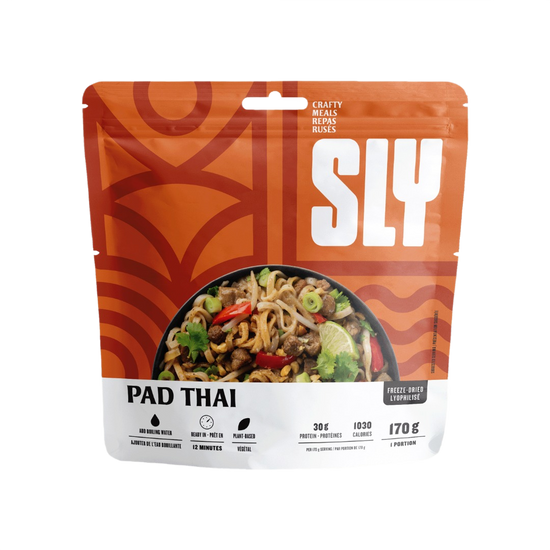
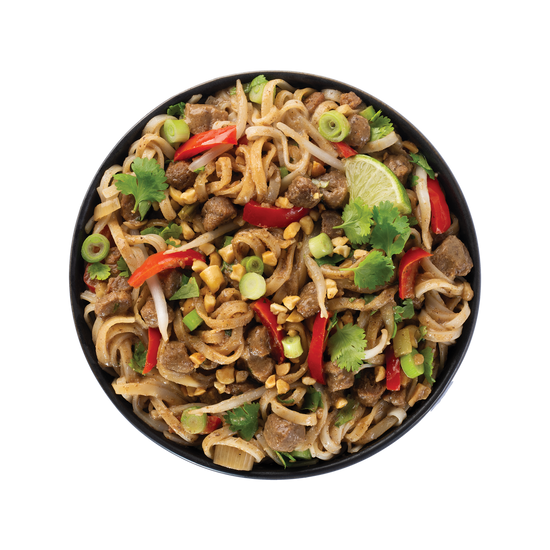
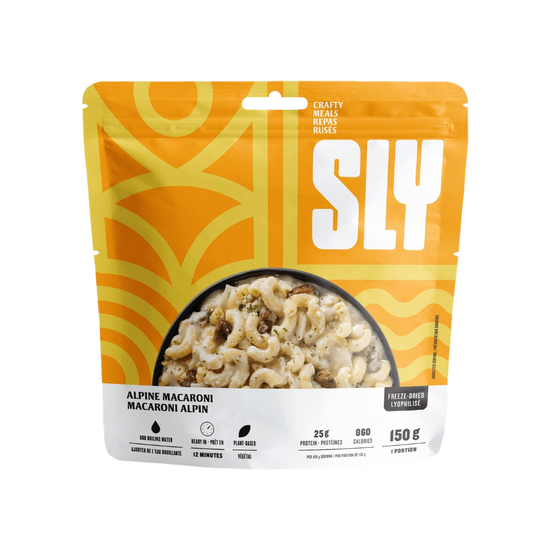
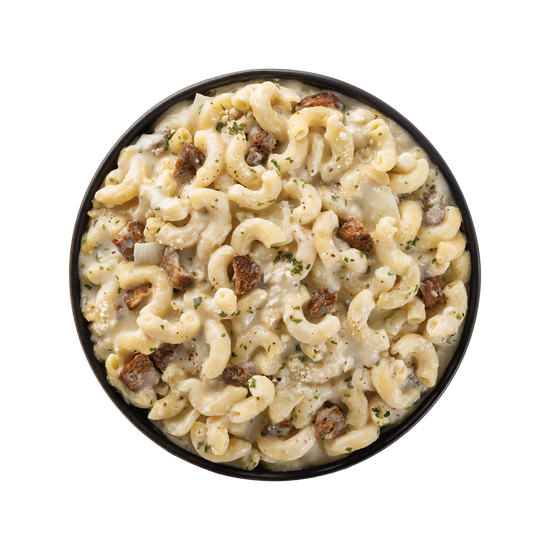
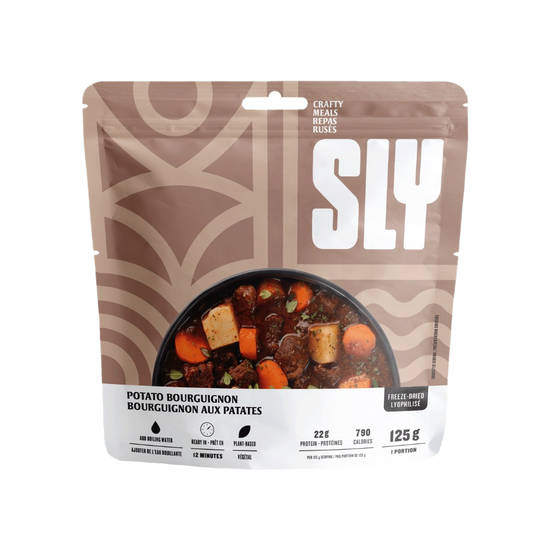
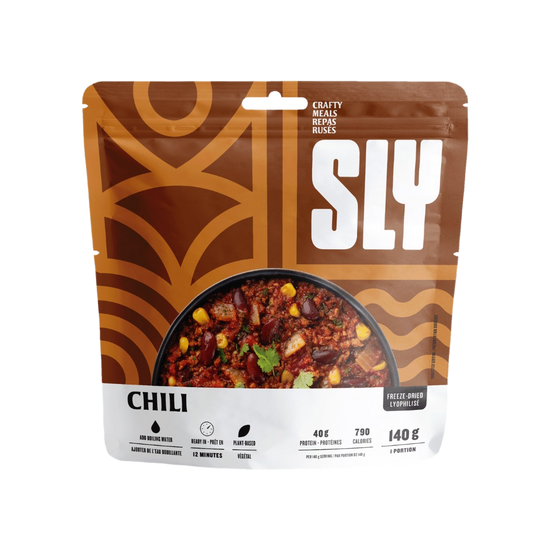
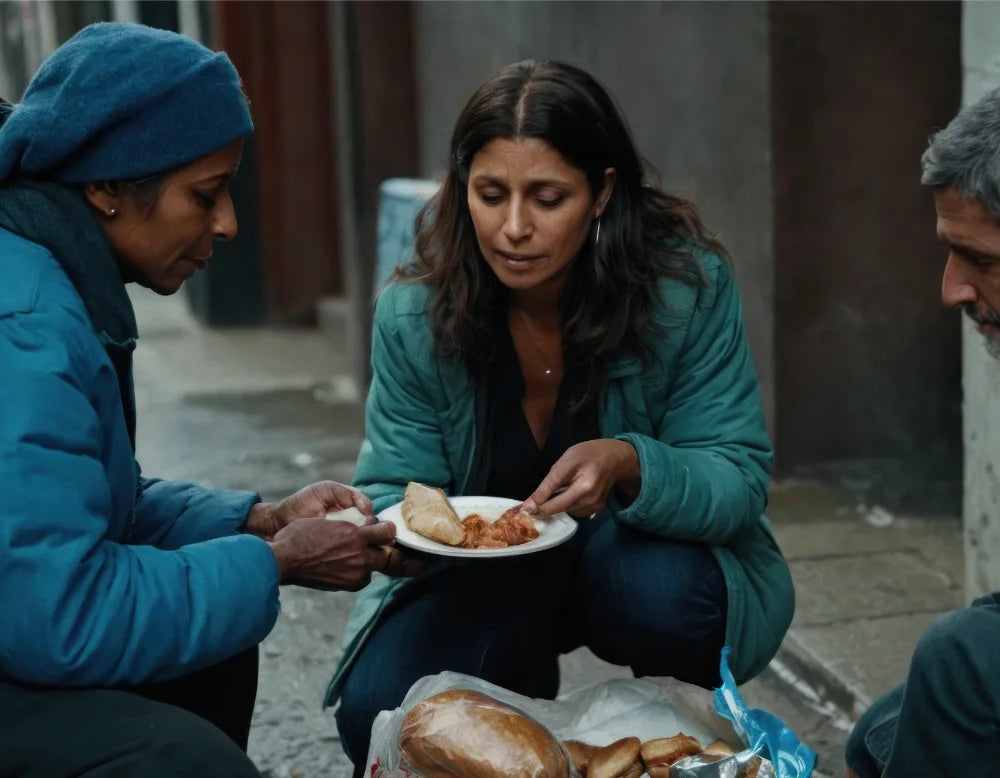
In unpredictable situations such as natural disasters or power outages, having the right emergency food supply can make all the difference between serene preparedness and chaos. Among the available options, freeze-dried foods stand out as the best choice for emergency situations due to their exceptional shelf life, lightness, and ability to retain nutrients. With freeze-dried meals in your pantry, you can ensure your family is ready to face any crisis with minimal effort and maximum reliability. In this blog post, we will explore a comprehensive list of emergency foods, discuss their nutritional considerations and benefits, and highlight why freeze-dried foods are the ultimate solution. Emergency Food List In an emergency, it is vital to have a well-stocked and nutritionally balanced long-term food supply. Prioritize non-perishable, long-shelf-life vegan foods that offer essential nutrients and flexibility. Canned vegetables and legumes: Chickpeas, black beans, lentils, and mixed vegetables are nutrient-dense and versatile. Dry goods: Quinoa, rice, pasta, and oats provide a solid foundation for meals and are easy to store. Nuts and seeds: Almonds, walnuts, sunflower seeds, and chia seeds offer healthy fats, protein, and energy. Plant-based protein powders: A convenient way to ensure protein intake in emergency situations. Dried fruits: Raisins, apricots, and mangoes are perfect for quick energy and provide natural sugars. Nut butters: Almond or cashew butter is a long-lasting protein source that pairs well with other foods. Dried meat alternatives: Vegan jerky made from mushrooms, soy, or jackfruit is a protein-rich snack that lasts a long time. Powdered plant milk: Powdered soy, almond, or coconut milk is ideal for recipes or beverages. Protein bars: Vegan options made from nuts, seeds, and whole grains are portable and have a long shelf life. Bottled water: Essential for drinking and food preparation, it should be stored in sufficient quantities. Powdered drinks: Electrolyte mixes or plant-based hydration powders help maintain energy and hydration. Freeze-dried fruits and vegetables: Strawberries, apples, broccoli, and spinach retain their nutrients and are lightweight to store. Freeze-dried meals: Vegan options with balanced nutrients and a long shelf life are perfect for emergency situations. Having a well-balanced and suitable emergency food supply allows you to be prepared while respecting your dietary preferences. In the next section, we will delve into various emergency food options, but we will also show you why freeze-dried foods remain the best choice for emergency situations. Rotate and replace products as needed to maintain their freshness and effectiveness. Special Considerations for Dietary Needs When planning an emergency food supply, it is essential to consider special dietary needs, such as allergies or chronic illnesses. Understanding nutritional specificities and available food options ensures everyone stays healthy during an emergency. Recipes and Meal Ideas In emergency situations, it is crucial to plan meals with flexible and durable ingredients to ensure nutrition and variety. Here are simple, vegan-friendly recipes, including freeze-dried options, to help you make the most of your emergency food supplies. Breakfast: Oatmeal with freeze-dried fruits and seeds: Mix oatmeal with water or powdered plant milk, then add freeze-dried strawberries, blueberries, or apricots, along with chia or sunflower seeds. Freeze-dried fruit smoothie: Blend powdered plant milk with freeze-dried fruits such as bananas and mangoes, plus a scoop of plant-based protein powder for a quick and nutritious drink. Rice porridge with freeze-dried apples: Cook rice and mix it with powdered coconut milk, sweetened with freeze-dried apple slices and cinnamon. Lunch and dinner: Freeze-dried bean chili: Combine canned beans (black, red, or pinto), canned tomatoes, and rehydrated freeze-dried vegetables, such as bell peppers and onions, seasoned with spices for a hearty dish. Quinoa and freeze-dried vegetable salad: Combine cooked quinoa with rehydrated freeze-dried peas, carrots, and green beans, seasoned with olive oil, lemon juice, and spices. Freeze-dried Stir-fry: Rehydrate freeze-dried broccoli, mushrooms, and peas, then sauté them with soy sauce and garlic over cooked rice or noodles. Lentil stew with freeze-dried spinach: Simmer canned lentils with canned tomatoes, spices, and rehydrated freeze-dried spinach for a nutrient-rich one-pot meal. Snacks: Freeze-dried fruit mix: Mix nuts, seeds, and freeze-dried fruits like raspberries, cranberries, or pineapple pieces for a light and energy-packed snack. Almond butter and freeze-dried banana sandwiches: Top whole-grain crackers with almond butter and freeze-dried banana slices for a satisfying treat. Freeze-dried vegetable chips: Snack on freeze-dried kale, zucchini, or beet chips for a healthy and crunchy option. Vegan protein bars with freeze-dried additions: Choose vegan protein bars that contain freeze-dried fruits or vegetables for an extra nutritional boost. Including freeze-dried options enhances the adaptability and convenience of your emergency meals, ensuring lightweight, nutrient-dense, and long-lasting food. These recipes show how to create delicious and stress-free meals during emergency situations, while still meeting dietary needs. Nutritional Considerations in Emergency Situations In emergency situations, adequate nutrition is essential for maintaining energy, immunity, and overall health. Freeze-dried foods perfectly meet these needs by preserving vital nutrients such as vitamin C, protein, and iron, while offering lightweight and long-lasting options. Combining freeze-dried fruits, legumes, and greens with high-calorie foods like nuts and seeds ensures a balanced diet during challenging times. Managing Dietary Restrictions Meal planning for individuals with dietary restrictions requires careful attention. For people with conditions such as diabetes or hypertension, carefully monitor salt and sugar intake. Low-sodium and no-added-sugar products should be part of the supply. In cases of food allergies, such as peanut or gluten allergies, ensure you know safe alternatives and avoid cross-contamination. Special Emergency Food: Vegan, Gluten-Free, and More Meeting special dietary needs in an emergency is no longer a challenge, thanks to a wide range of freeze-dried meals suitable for vegan, gluten-free, and high-protein diets. These specialized meals ensure that everyone, from vegans to those with gluten sensitivities, can enjoy delicious and nutritious options, even in the most challenging situations. Sly Foods' freeze-dried meals shine in this category, offering exceptional convenience, balanced nutrition, and rich flavors designed to meet diverse dietary requirements. Lentil Dal: A vegan and gluten-free meal with 25g of protein and 630 calories, priced at CAD 14.99. Made with lentils and spices, this dish is rich in plant-based protein and fiber, making it a hearty and flavorful option for those on a vegan or gluten-free diet. Indian Stew: This vegan and gluten-free stew offers 17g of protein and 750 calories, priced at CAD 15.99. Filled with vegetables, herbs, and spices, it provides balanced nutrition and rich, deep flavors for a satisfying meal in an emergency. Pesto Pasta: A vegan meal containing 25g of protein and 880 calories, priced at CAD 14.99. With ingredients like pasta, basil, and olive oil, this option is rich and satisfying, providing healthy fats and a comforting flavor profile for vegans. Alpine Macaroni: A vegan dish containing 22g of protein and 790 calories, priced at CAD 15.99. Made with pasta, cheese, and seasonings, it is rich in protein and calcium and makes a comforting and hearty meal, ideal for maintaining energy in colder conditions (will be gluten-free in one month using gluten-free soy sauce). Garden Soup: This vegan and gluten-free soup contains 17g of protein and 700 calories, priced at CAD 15.99. Made with various vegetables and cream, it is a meal that is both light and creamy, rich in essential vitamins and minerals, suitable for those with gluten sensitivities. Potato Bourguignon: a gluten-free and vegan option, with 28g of protein and 760 calories, priced at CAD 16.99. Made with potatoes, mushrooms, and herbs, it is a hearty meal, rich in protein and complex carbohydrates, providing sustained energy. Chili: A protein-rich and gluten-free choice, with 40g of protein and 795 calories, priced at CAD 16.99. Made with beans, spices, and vegetables, this dish is ideal for active days, offering both high protein content and a warm, spicy taste. Pad Thai: A high-protein, gluten-free meal containing 36g of protein and 970 calories, priced at CAD 16.99. Made with rice noodles, vegetables, and tofu, it is a flavorful and calorie-rich option that meets protein needs and gluten-free diets (this dish will be gluten-free in one month by using gluten-free soy sauce). With options ranging from vegan lentil stews to protein-rich chili, Sly Foods has created a range of freeze-dried meals that cater to a variety of special diets. Each meal combines convenience with thoughtful nutrition. Understanding Freeze-Dried Emergency Foods Freeze-dried emergency foods are a reliable option for long-term storage due to their extended shelf life and light weight. Their versatility and ease of use make them a popular choice for those preparing for potential emergencies. What is freeze-dried emergency food? Freeze-dried emergency foods are meals or ingredients that have undergone a freeze-drying process to remove almost all moisture, significantly extending their shelf life to 25-30 years. This method preserves the food's flavor, nutritional value, and texture, making it an excellent choice for emergency preparedness. From fruits and vegetables to complete meals, freeze-dried emergency foods offer a reliable and adaptable solution for diverse dietary needs during a crisis. Learn more about what a freeze-dried meal is in our blog post. Uses of freeze-dried foods Freeze-dried foods provide a flexible solution, especially useful in emergency situations, as they offer durable, lightweight, and nutrient-rich meals when access to fresh food is limited. Ideal for campers, hikers, and people living in disaster-prone areas, they provide convenient sustenance with minimal effort. Simply add water to rehydrate freeze-dried foods for easy-to-prepare, high-quality meals suitable for many scenarios. Learn more about the uses of freeze-dried foods in our guide. Prepare for Disaster with our Vegan Freeze-Dried Meals! Stock up on lightweight, nutritious meals that last for decades. Perfect for emergencies, camping, or everyday prep, order now! Benefits of Freeze-Dried Food Freeze-dried foods offer several advantages for emergency preparedness, making them a popular choice for long-term food storage. Their extended shelf life, ease of preparation, and lightweight nature are significant assets for anyone looking to build emergency reserves. Shelf Life and Storage Conditions Freeze-dried foods boast an impressive shelf life of 25 years or more when stored in a cool, dark, and air-free environment, thanks to the removal of moisture that prevents spoilage. Their low moisture content and the freeze-drying process, which preserves nutrients, make them a reliable and flavorful choice for long-term storage. This durability ensures they remain a dependable option for emergency situations and other extended preparedness needs. Learn more about how long freeze-dried foods last in our blog post. Ease of Preparation Freeze-dried foods are incredibly easy to prepare, requiring only the addition of hot water to restore their original texture and taste. This simplicity is particularly valuable in emergency situations where resources and time are limited, ensuring quick, palatable, and nutritious meals. From fruits and vegetables to full entrées, freeze-dried options offer convenience without compromising flavor or nutritional quality. Check out our detailed blog post to learn how to rehydrate freeze-dried food. Lightweight and Compact Freeze-dried foods are lightweight and compact because moisture removal significantly reduces their weight and volume, making them easy to transport and store. This portability is invaluable in situations requiring mobility, such as hiking or emergencies, while also allowing efficient use of limited storage space. These qualities make freeze-dried foods a preferred choice for backpackers, campers, and anyone preparing for emergency situations. Fresh, Freeze-Dried, or Dehydrated Foods (Which is Best?) When comparing fresh, freeze-dried, and dehydrated foods, understanding their key characteristics will help you determine the best option for your emergency food kit. Here's a detailed comparison: Feature Fresh Foods Freeze-Dried Meals Dehydrated Foods Nutrition Highest nutrient content when fresh, but degrades quickly. Retains 90-97% of original nutrients 20-40% nutrient loss Shelf Life 1-2 weeks (refrigerated) 25+ years (if stored properly) 1-5 years (depending on storage) Weight & Storage Heavy, requires refrigeration Lightweight and compact Lighter than fresh, bulkier than freeze-dried Preparation Requires washing, cutting, and cooking Just add hot water for quick preparation Requires rehydration and longer cooking Taste & Texture Optimal when fresh Rehydration closely mimics freshness Often chewy or with altered texture Cost Generally low but perishable Higher initial cost but long-term savings Affordable but less versatile Best Use Daily meals and short-term consumption Emergency situations, long-term storage, and outdoor activities Budget-friendly storage and camping Fresh foods excel in taste and nutrition for immediate consumption but lack the longevity required for emergency situations. Freeze-dried foods offer the best balance of nutrition, shelf life, and convenience, making them ideal for preparedness and mobility. Dehydrated foods provide a cost-effective alternative but fall short in nutrient and texture preservation. Freeze-Dried Foods (A Solution for Camping and Military Missions) Freeze-dried foods are the perfect solution for camping and military missions due to their lightweight, compact, and durable nature. Freeze-dried foods are a popular choice as food for the military because they provide essential nutrients and delicious taste with minimal preparation, even in remote or high-stress environments. This reliability makes them the ultimate choice for sustaining energy and morale under challenging conditions. To learn more about freeze-dried camping foods, check out our detailed blog post. Frequently Asked Questions Emergency food supplies are critical for preparedness, offering both short-term solutions and long-term storage options. Consider factors like nutritional value, shelf life, and preparation methods when choosing and creating a sustainable emergency food reserve. How do I create a sustainable emergency food supply list? Start by identifying non-perishable foods that meet your caloric and nutritional needs. Consider incorporating items based on the Canadian Food Guide, emphasizing variety and including items you regularly consume to reduce waste and spoilage. What should a 72-hour emergency food kit contain? A 72-hour emergency food kit should contain adequate water, non-perishable foods such as canned goods, dried fruits, and nuts. Plan for at least four liters of water per person per day and consider adding bottled water for pets or service animals. What foods are recommended for long-term survival storage? Foods for long-term storage should include items with extended shelf lives, such as freeze-dried meals, canned vegetables, and grains. Pay close attention to storage conditions to maintain food quality. Consider storage tips like rotating stock to keep your supplies fresh and replacing stored water as recommended. How do I assess the quality of emergency food kits offered by retailers? Evaluate emergency food kits by checking expiration dates, nutritional content, and ingredient quality. Look for products that align with your dietary needs and preferences, and ensure they come from reputable sellers with clear return policies. What strategies are available for obtaining emergency food assistance? Research local government programs and food banks for assistance. Many communities offer resources to help in emergency situations, ensuring access to necessary supplies during crises, including guidelines from health services for preparing emergency food kits. Conclusion In emergency preparedness, building a comprehensive and balanced food reserve is crucial for ensuring your family's well-being during uncertain times. Focus on stocking sustainable and nutrient-rich items like freeze-dried foods, canned goods, and whole grains, while tailoring your choices to your dietary needs. By storing these products in cool, dark places, using airtight containers, and implementing a rotation system, you can preserve their freshness and be ready for any situation. Prepare for Disaster with our Vegan Freeze-Dried Meals! Stock up on lightweight, nutritious meals that last for decades. Perfect for emergencies, camping, or everyday prep, order now!
Sylvain Karpinski
•
Nov 16, 2024

food for military personnel (Options to Consider)
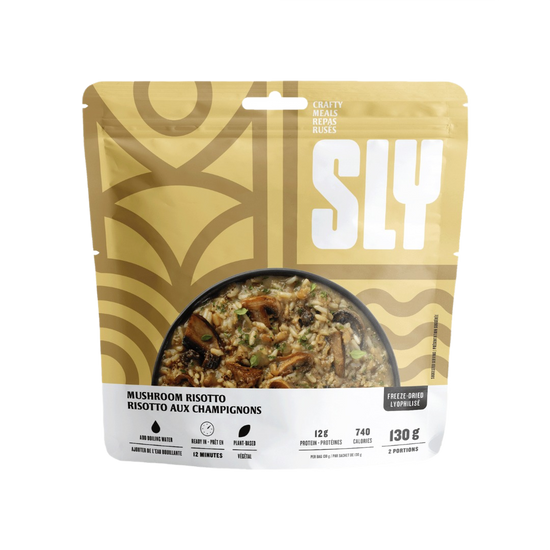
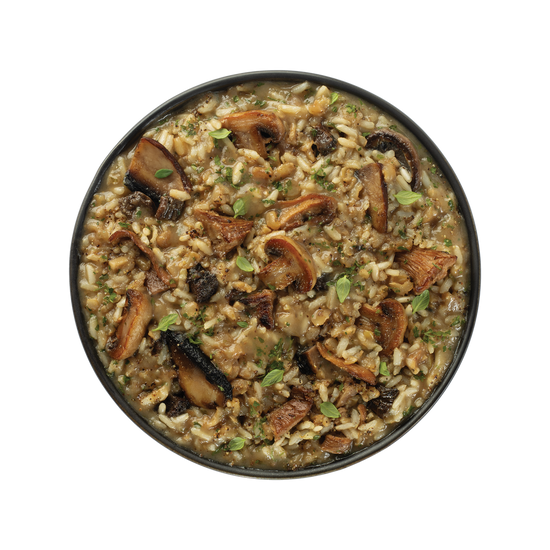
When it comes to supplying troops in the field, military freeze-dried food stands out as the best choice, combining durability, balanced nutrition, and quick preparation. With options like MRE and XMRE ready-to-eat meals, various military foods offer tasty, high-energy meals designed for quick consumption in demanding environments. This flexible selection ensures that troops have access to convenient and nutrient-rich foods, ready to withstand the toughest conditions. In this blog post, we will explore the variety of military foods, delving into why freeze-dried options stand out as the optimal choice for sustaining energy and endurance in challenging environments. List of military food Military food is designed to meet the demands of rigorous missions, offering long shelf life, easy preparation, and essential nutrition. Here is a comprehensive list of the main types of military food used in the field: MRE (Meals Ready to Eat): Complete pre-packaged meals including an entrée, side dish, dessert, and beverage mix, requiring no cooking. Freeze-dried meals: Lightweight and durable, these meals retain nutrients and can be rehydrated quickly with hot water, making them ideal for rapid consumption. Canned foods: High-calorie canned meats, vegetables, and fruits, providing a stable source of nutrition and requiring no refrigeration. Energy and protein bars: Compact and caloric snacks designed to provide quick energy between meals. Dehydrated soups and stews: Just add hot water for a warm and nourishing meal, often lighter than MREs and easy to transport. Instant noodle and rice packets: Lightweight, easy to prepare, they are a good source of carbohydrates for sustained energy. Jerky and dried meats: High in protein and non-perishable, they are ideal for quick snacks or to supplement meals. Electrolyte beverage mixes: Essential for hydration, these powdered mixes replenish electrolytes lost during intense activity. Dried fruit mix: Convenient and high in calories, it provides energy and vitamins through nuts, dried fruits, and seeds. These military foods ensure soldiers have access to nutritious, ready-to-eat options that meet the intense demands of military missions. By offering varied and durable choices, they help maintain strength and morale in the toughest conditions. Types of military food Military food is tailored to support soldiers in diverse and demanding conditions, with options that balance nutrition, convenience, and durability. From Meals Ready to Eat (MREs) to freeze-dried vegan options and ration variations, each type of food addresses unique energy and endurance needs in the field. Discover these types of military food to understand how they support troops in training and combat. Meals Ready to Eat (MREs) MREs are standard military provisions comprising a wide range of foods to meet different tastes and dietary requirements. Each MRE packet includes a main course, a side dish, a dessert, and accessories such as utensils. These meals can be consumed hot or cold, making them convenient for soldiers in the field. Thanks to advancements in food technology, MREs are now available in various international cuisines, which enhances their taste and nutritional value. Additionally, their long shelf life makes them ideal for prolonged missions or when fresh food is unavailable. Freeze-dried vegan foods SLY Foods' freeze-dried vegan meals offer an easy, tasty, and nutritious option for those on military missions. These gourmet plant-based meals are carefully crafted to preserve both flavor and nutrients, making them a practical solution for active lifestyles or quick meals at home. Below is a selection of notable meals, each offering unique flavors and benefits: Bolognese pasta: This Italian-inspired dish contains 32 grams of plant-based protein and 840 calories, making it a balanced and satisfying option for high energy needs. Perfect for a hearty and easy-to-prepare meal. Potato Bourguignon: Rich and comforting, this vegan version of the classic French dish contains 28 grams of protein and 760 calories. This dish is designed to warm you up in colder environments or simply to enjoy a gourmet flavor profile. Pad Thai: With 36 grams of protein and 970 calories, this high-protein Thai-inspired dish is vibrant and delicious, offering a quick burst of authentic flavors, ideal for outdoor adventures or busy days. Lentil Dahl: This Indian-inspired option, with 25 grams of protein and 630 calories, brings warmth and spices. It is rich in nutrients, making it a compact and easy-to-carry meal, ideal for maintaining energy. Mushroom Risotto: a creamy and earthy choice with 11 grams of protein and 720 calories, this dish offers a comforting and gourmet experience on the trail or at home. The rich mushroom flavor creates a satisfying meal to savor at any time. Benefits of freeze-dried vegan mealsThese freeze-dried meals from SLY Foods offer significant advantages for those seeking both convenience and nutrition: Nutrient-rich and lightweight: The freeze-drying process preserves essential nutrients while making meals lightweight and easy to carry, perfect for camping, military use, hiking, and busy schedules. Environmentally friendly: Plant-based ingredients help reduce the ecological footprint and align with an environmentally friendly lifestyle and sustainable development goals. Extended shelf life: Thanks to their long shelf life, these meals provide peace of mind as they are easy to store and always available for a quick and healthy option. SLY Foods' freeze-dried vegan meals combine convenience and quality, offering a portable solution that meets both nutritional needs and taste preferences. Variations of food rations Food rations are essential when fresh food is not accessible. They are designed to meet the nutritional needs of specific operations. They include items such as freeze-dried meats, fruits, and vegetables, thus offering a varied and balanced diet. Rations can be adapted to different climates and missions, including hot or cold environments. For example, tactical environments may require higher caloric intake, and these rations are adjusted accordingly to meet these requirements. Military rations offer specific variations to meet different logistical needs without sacrificing nutritional content. Why are freeze-dried foods best for the military? Freeze-dried foods excel in situations where portability and longevity are crucial. They retain their quality for a long shelf life without requiring refrigeration. This is a significant advantage for military operations in isolated areas. Their lightness reduces the burden on personnel, making transport easier and more efficient. Additionally, their ease of preparation, often requiring only water, streamlines meal logistics for military personnel. The high degree of acceptance among troops and adaptability to various cuisines and dietary needs make these foods a top choice for sustained military nutrition and energy. Understanding freeze-dried foods Freeze-dried military foods are lightweight, durable meals that are easy to store and transport. These meals are essential for military personnel who need reliable nutrition during missions. What is freeze-dried military food? Freeze-dried military foods are lightweight, shelf-stable meals created by removing moisture through freezing and reduced pressure, which prevents microorganism growth and slows spoilage. This process preserves the food's original texture and nutritional value, making it ideal for military field operations where weight and storage are critical. Common examples include stews, pasta, and rice dishes, which can be stored without refrigeration, providing troops with access to nutritious meals during long-duration missions. Learn more about what a freeze-dried meal is in our detailed blog post. Uses of freeze-dried foods Freeze-dried foods are invaluable for military operations, camping, hiking, and even space missions, as they provide essential nutrition in isolated locations where resupply is limited. These lightweight, compact meals require only water for rehydration, making them convenient and giving them a long shelf life, suitable for prolonged missions and emergency situations. Learn more about the uses of freeze-dried foods in our blog post. Nutritional considerations When considering purchasing military food, it is essential to examine its nutritional aspects, such as energy content, vitamins and minerals, nutrient retention, and the ability to create a balanced diet. Understanding these elements will help you make informed choices, especially in situations such as emergency preparedness and survival scenarios. Energy and caloric content Freeze-dried vegan foods are expertly designed to provide the energy and calories needed for demanding activities, ensuring optimal performance even in challenging conditions. For example, a single serving of freeze-dried quinoa and vegetable stew can provide approximately 400 calories, with 15 grams of plant-based protein, 50 grams of complex carbohydrates, and 10 grams of healthy fats. Similarly, a freeze-dried lentil curry can provide 500 calories with 18 grams of protein, offering the sustained energy and nutrients needed for physically intense tasks, making them ideal for active individuals in the field. The recommended nutritional intakes for the military ensure that these meals meet the specific needs of military personnel, contributing to significant energy intake. Vitamins and minerals Adequate intake of vitamins and minerals is essential for maintaining health and supporting bodily functions, especially during physically demanding tasks. Freeze-dried vegan options are designed to provide a balanced blend of these essential nutrients, ensuring optimal performance in the field. Nutrients Key Role Food Examples Quantity per serving Vitamin A Supports vision and immunity Freeze-dried carrots and sweet potatoes 700-900 mcg Vitamin C Boosts immunity and skin health Freeze-dried citrus fruits, bell peppers 75-90 mg Iron Maintains endurance and fights fatigue Freeze-dried lentils, spinach 8-18 mg Calcium Strengthens bones and teeth Freeze-dried kale, almonds 1,000-1,200 mg By incorporating a variety of plant-based and nutrient-rich ingredients, freeze-dried vegan meals ensure that essential vitamins and minerals are available to maintain energy, health, and performance. These options provide a reliable source of nutrition, even for the most rigorous activities. Nutritional retention of freeze-dried military foodFreeze-dried vegan foods retain up to 97% of their original nutrients, making them an excellent choice for preserving essential vitamins and minerals over long storage periods. This preservation process ensures that key nutrients such as vitamin C, iron, and calcium remain intact, promoting energy and health even in challenging conditions. Thanks to their durability and nutrient preservation, freeze-dried vegan meals provide a reliable solution for extended missions or emergency preparedness. Do freeze-dried foods lose nutrients? Check out our detailed blog post for the answer. Balanced Nutrition from Military Rations Freeze-dried vegan meals offer a convenient way to maintain a balanced diet, even in challenging situations, by combining a variety of nutrient-rich options. For example, freeze-dried lentil curry provides protein and iron for muscle repair and endurance, while freeze-dried kale chips offer calcium and vitamin A for strong bones and good immunity. Pairing them with a vitamin C-rich freeze-dried fruit smoothie provides a comprehensive range of nutrients. This thoughtful combination of plant-based meals helps maintain energy, health, and performance during missions or emergency situations. Comparing Freeze-dried, Canned, Fresh, and Dehydrated Foods: Which is Best? When choosing between freeze-dried, canned, fresh, or dehydrated foods, each has unique advantages and limitations depending on the situation. This comparison will help you determine the best option for your storage, portability, nutrition, and preparation needs. Food Type Shelf Life Weight and Portability Nutrient Retention Preparation Required Freeze-Dried Meals 10-25 years Lightweight, highly portable Retains up to 97% of nutrients Requires water for rehydration Canned Foods 2-5 years Heavy, less portable Retains moderate amount of nutrients Ready to eat, no preparation Fresh Foods Days to weeks (perishable) Not portable Highest nutrient content Requires refrigeration Dehydrated Foods 1-2 years Lightweight, portable Retains up to 60% of nutrients Requires water for rehydration Each food type meets specific needs, but freeze-dried foods stand out for their long shelf life, high nutrient retention, and portability, making them ideal for emergency situations and outdoor activities. By understanding these differences, you can choose the best option for your situation, whether for convenience, storage, or nutrition. Power Your Military Missions with Vegan Nutrition Discover nutrient-rich, long-lasting freeze-dried vegan meals, perfect for military missions. Lightweight, easy, and always ready. Benefits of Freeze-Dried Food for Military Personnel Freeze-dried foods for military personnel offer significant advantages, such as extended shelf life and ease of transport. These benefits are ideal for scenarios requiring long-term storage and convenience, such as emergency preparedness and outdoor activities. Extended Shelf Life Freeze-dried vegan foods have an impressive shelf life, often 10-25 years, thanks to the removal of 70-96% of their water content, which inhibits microbial growth and preserves quality. This longevity ensures that nutrient-rich meals, such as freeze-dried lentil stew or vegetable mixes, remain fresh and ready to eat during emergencies or extended storage periods. Perfect for preparedness and outdoor adventures, freeze-dried vegan meals combine durability and nutritional reliability to keep you fueled for the long haul. Learn more about how long freeze-dried foods last in our blog post. Portability and Convenience Freeze-dried meals are exceptionally lightweight and compact, making them perfect for military missions, hiking, or as space food in space missions where portability is essential. Requiring only water for rehydration, they are quick and easy to prepare, providing a practical solution when time and resources are limited. With their space-saving packaging and nutrient-rich content, freeze-dried meals are both convenient and nourishing, no matter where you are. Ease of Preparation Freeze-dried vegan dishes are incredibly easy to prepare, requiring only water for rehydration and enjoyment. Simply add hot or cold water to the food, wait a few minutes for it to absorb the moisture, and watch it regain its original texture and flavor. This hassle-free process makes freeze-dried meals a convenient option for quick and nutritious eating in any situation. Learn more about how to rehydrate freeze-dried foods in our guide. Food for Emergency Situations Freeze-dried foods are a reliable choice for emergency situations, making them perfect as food for military personnel, offering a long shelf life (up to 25 years) and retaining up to 97% of their nutrients. Lightweight, compact, and easy to prepare with water, they ensure access to nutritious meals when resources are scarce. Their durability and convenience make them indispensable for crisis preparedness, allowing you to stay nourished and healthy when it matters most. To learn more about emergency food, check out our detailed blog post. Frequently Asked Questions Freeze-dried military food offers a unique blend of nutritional adequacy and convenience, essential for troop sustenance. From shelf life to nutritional content, these meals play a critical role in military operations. What is the shelf life of freeze-dried rations used by the military? Freeze-dried military rations typically have an extended shelf life of approximately 25 years. This longevity ensures preparedness and sustenance in various conditions without quality deterioration. How does the quality of freeze-dried rations compare to fresh food? While fresh food often has a richer taste and texture, freeze-dried rations prioritize durability and nutritional value. These meals are designed to effectively support military personnel when fresh food is not available. Can civilians purchase military-grade freeze-dried meals? Yes, civilians can purchase military-grade freeze-dried meals from specific suppliers. These products offer the same convenience and shelf life as those designed for rigorous conditions, making them attractive to outdoor enthusiasts and preppers. What is the nutritional content of military freeze-dried meals? These rations meet the recommended nutritional intake for the military and ensure a balance of proteins, fats, and carbohydrates. Meals are formulated to maintain energy and health in demanding environments. How are freeze-dried foods used in military operations? During military operations, freeze-dried foods provide essential nutrition while reducing the logistical burden of transporting fresh produce. Their lightness and non-perishable nature are compatible with long-duration and high-mobility missions. What are the manufacturing processes for military freeze-dried foods? Manufacturing involves rapidly freezing food to extremely low temperatures, followed by sublimation to remove moisture. This process preserves flavors and nutrients, resulting in lightweight products with high shelf stability, suitable for military use. Conclusion Freeze-dried foods have revolutionized military rations by offering lightweight, durable, and nutrient-rich solutions that meet the unique demands of soldiers in the field. This innovative process ensures efficiency and reliability, even in the most challenging conditions. Discover how our expertly crafted freeze-dried meals can support military missions, providing convenience and sustenance when it matters most, because every mission deserves the best. Power Your Military Missions with Vegan Nutrition Discover nutrient-rich, long-lasting freeze-dried vegan meals, perfect for military missions. Lightweight, easy, and always ready.
Sylvain Karpinski
•
Nov 9, 2024

Road Trip Food: Freeze-Dried and More
Road trips are exciting, but it can be difficult to find the right food for the journey. Freeze-dried foods are the ideal solution, as they offer lightweight and durable options that save space while preserving taste and nutrients, making them ideal for on-the-go snacks. Whether you're craving a hearty meal or a quick snack, freeze-dried options offer flavor, convenience, and a shelf life that's hard to beat, ensuring your road trip meals are as enjoyable as the journey itself. In this blog post, we'll explore a variety of road trip foods and discuss how freeze-dried foods stand out among these options. Road Trip Food List When planning your road trip meals, a selection of easy-to-prepare, nutritious, and non-perishable foods can make the trip easier and more enjoyable. Here's a list of foods to include in your road trip checklist: Freeze-dried meals: Perfect for quick and hearty stops, freeze-dried options like pasta marinara, teriyaki chicken, and vegetable risotto only require hot water for a delicious meal. Freeze-dried fruits: Light and naturally sweet, freeze-dried apples, blueberries, and mango slices make a tasty and mess-free snack. Nut and seed mix: Mixed nuts and seeds (almonds, cashews, sunflower seeds), rich in protein and easy to snack on, provide energy and healthy fats. Instant grains: Adaptable staples like instant rice and quinoa can be paired with freeze-dried vegetables or canned proteins for a satisfying meal. Dried meat and hard cheeses: High in protein and durable, options like beef jerky and aged cheeses such as Parmesan make easy and filling snacks. Nut butters: Individual almond or peanut butter packets are perfect for spreading on crackers or boosting any snack. Crackers and flatbreads: Whole-grain crackers or flatbreads are sturdy, making them ideal for pairing with cheese, nut butters, or canned spreads. Trail mix and granola bars: Portable and calorie-dense, trail mixes and granola bars with a blend of nuts, seeds, and dried fruit help maintain energy levels. Dehydrated soups: Just add hot water for an easy-to-reheat meal, ideal for a quick break on a cool evening. Long-lasting condiments: Small packets of olive oil, hot sauce, or honey add variety of flavor without needing refrigeration. With these non-perishable and easy-to-pack items, your road trip meals will be simple, delicious, and stress-free, allowing you to focus on the adventure ahead! Types of Food for Road Trips When planning a road trip, freeze-dried foods offer a diverse range of options that cater to various preferences and dietary needs. You'll find many foods, from complete meals to snacks, providing tasty and convenient choices on the go. In the following sections, we'll explore these diverse options to help you choose the best foods for your road trip. Specialty Food for Road Trips: Vegan, Gluten-Free, and More For those following specific diets, finding freeze-dried road trip foods that meet your nutritional goals without sacrificing flavor is essential. Fortunately, many brands now offer specialized options to cater to various dietary needs, ensuring everyone can enjoy tasty meals outdoors. Here are the most popular freeze-dried foods for special diets on road trips: Vegan options: Sly Foods' Lentil Dhal and Indian Stew provide plant-based protein with rich, warm spices, ideal for a flavorful and satisfying meal. Gluten-free meals: For those with gluten sensitivities, Garden Velouté and Potato Bourguignon offer balanced, flavorful, and safe meals. High protein: Dishes like Chili and Pad Thai contain a significant amount of protein to keep you energized and ready for action. Sly Foods helps you respect your dietary preferences while ensuring your trip remains nourishing, enjoyable, and worry-free. Features of our Freeze-Dried Foods for Road Trips Sly Foods offers a diverse selection of freeze-dried meals designed to meet various dietary needs, whether vegan, high-protein, or gluten-free options. Each meal contains essential nutrients and rich flavors, and is designed for quick, on-the-go preparation, making it ideal for outdoor activities. Here are some of our top choices: Meal Diet Type Protein Calories Description Price Lentil Dhal Vegan, Gluten-free 25g 630 Plant-based protein and fiber from lentils and spices; hearty and nutritious. C$14.99 Indian Stew Vegan, Gluten-free 17g 750 Packed with vegetables, herbs, and spices; balanced and flavorful for outdoor meals. C$15.99 Pesto Pasta Vegan 25g 880 Made with pasta, basil, and olive oil; rich in healthy fats for a comforting meal. C$14.99 Alpine Macaroni Vegan 22g 790 Combines pasta, cheese, and seasonings; high in protein and calcium to provide energy in cooler conditions. C$15.99 Potato Bourguignon Gluten-free, Vegan 28g 760 Made with potatoes, mushrooms, and herbs, it offers sustained energy through protein and complex carbohydrates. C$16.99 These Sly Foods meals cater to dietary preferences without compromising on taste, convenience, or nutrition, allowing adventurers to enjoy nourishing and satisfying meals wherever they go. Individual Ingredients Individual freeze-dried ingredients offer great flexibility for customizing your meals on the road. The most common ingredients are freeze-dried fruits and vegetables, which can be combined to create personalized dishes. These ingredients retain their flavor and nutrients during the freeze-drying process, providing a tasty and nutritious base for recipes. Mix ingredients according to your preferences, whether it's a vegetable omelet or a savory stir-fry. Having unique ingredients on hand allows you to enjoy a wide variety of meals with a little creativity and some water for rehydration. Snacks and Desserts Freeze-dried snacks and desserts are ideal additions to your road trip meals, offering tasty and convenient options for snacking. With a variety of flavors and textures, these treats are perfect for satisfying cravings during a long drive. Fruit and nut mix: A mix of freeze-dried fruits, nuts, and sometimes chocolate provides a balanced snack, combining sweetness and protein for sustained energy. Freeze-dried fruits: Light and naturally sweet, freeze-dried apples, bananas, and strawberries make a nutritious snack. Treats: Freeze-dried cheesecake bites or yogurt-covered fruits offer a satisfying dessert without needing refrigeration. Yogurt bites: Freeze-dried yogurt is creamy and tangy, offering protein and making a delicious snack. Savory snacks: Freeze-dried cheese crisps or vegetable chips add a salty and crunchy snack option to balance out the sweet. Thanks to their lightness and long shelf life, these travel foods are easy to pack, allowing you to have delicious and easy-to-prepare snacks on hand. Fresh Foods Fresh foods like fruits, vegetables, and dairy products can add a touch of freshness to your road trip snacks. While apples, baby carrots, and cheese sticks are easy to pack and eat on the go, they need to be kept cool to stay fresh. Without a reliable cooler, these options can spoil quickly, making them less ideal for long road trips. Understanding Freeze-Dried Foods Freeze-dried foods are perfect for road trips due to their long shelf life, light weight, and ease of preparation. They offer a wide variety of options, from snacks to complete meals, making them adaptable and beneficial for travel. What is Freeze-Dried Road Trip Food? Freeze-dried foods for road trips are lightweight, shelf-stable meals and snacks that only require water to prepare, making them ideal for road trips. From full entrees to fruits and soups, freeze-dried options offer nutritious and tasty choices without the need for a cooler, providing easy and hassle-free meals while traveling. These convenient road trip foods are perfect for long journeys where cooking access is limited, offering both variety and simplicity. To learn more about what a freeze-dried meal is, check out our detailed guide. Uses of Freeze-Dried Foods Freeze-dried foods are very flexible in their use, making them ideal for a wide range of activities, such as space missions and emergency preparedness, road trips, hiking, and camping. Thanks to their lightweight, compact packaging and long shelf life, they provide convenient and nutritious meals that are easy to prepare with water. Discover all the uses of freeze-dried foods in our article. Why are Freeze-Dried Foods Perfect for Road Trips? Freeze-dried foods are the most ideal road trip food because they are lightweight, require no refrigeration, and are ready to eat with minimal preparation, by simply adding water. This convenience saves space and time, allowing you to enjoy your trip more without worrying about food spoilage. With a wide variety of flavors and eco-friendly options, freeze-dried foods are a tasty, hassle-free, and sustainable choice for road trips. Choosing Freeze-Dried Foods for Road Trips When choosing freeze-dried foods for road trips, focus on nutritional content, dietary restrictions, and comparison with fresh or dehydrated foods. These considerations ensure a balanced and suitable diet during the trip. Understanding Nutritional Content and Labels Understanding nutrition labels helps you make healthier choices that keep you energized and balanced on the road. Here's a detailed analysis of the key nutritional elements to consider when choosing your food. Nutritional Element Importance Recommended Amount Tips for Road Trip Foods Calories Provides energy to support activities 500-900 calories per meal Choose energy-dense options for long trips to maintain your energy levels. Protein Promotes muscle repair and satiety At least 10-20 g per snack/meal Look for protein-rich snacks to stay full longer between meals. Carbohydrates Primary source of quick energy 20-40 g per meal, depending on activity levelOpt for complex carbohydrates like whole grains for sustained energy. Sodium Essential electrolyte, but can dehydrate Less than 500mg per serving for meals Choose low-sodium options to maintain hydration during long drives. Fiber Aids digestion and satiety 3-5g per serving Pack high-fiber snacks to support digestion and satiety on the road. By focusing on nutritional elements such as calories, protein, and fiber, you can choose car trip food that keeps you energized, hydrated, and satisfied. Carefully reading labels ensures you maintain a balanced diet throughout your journey. Considering dietary restrictions If you have dietary restrictions, options are still available. Many brands offer vegetarian, vegan, gluten-free, and dairy-free freeze-dried meals. Carefully check ingredients and labels to ensure they meet your needs. It's crucial to cross-reference ingredient lists to avoid allergens and find appropriate alternatives. Some brands specialize in allergy-friendly foods, providing peace of mind for those with specific dietary needs. Always explore freeze-dried food options that cater to your dietary preferences. Hit the road with our plant-based foods! Discover our delicious range of vegan freeze-dried foods, perfect for hassle-free travel. Full of flavor and easy to prepare, they are your go-to for nutritious meals on the go. Comparing fresh, dehydrated, and freeze-dried foods for car trips Choosing the right type of car trip food, whether fresh, dehydrated, or freeze-dried, depends on factors such as shelf life, storage needs, and nutritional retention. Each option offers unique advantages suited to different trip durations and storage conditions. Food Type Shelf Life Moisture Content Nutritional Retention Ideal For Fresh Foods Short (1-7 days) High (contains natural moisture) Excellent, but nutrients decrease over time Short trips; immediate consumption Dehydrated Foods Moderate (6 months-1 year) Moderate (removes 80-90% of moisture) Good, but some nutrients are lost during drying Medium-length trips; compact storage needed Freeze-Dried Foods Long (up to 25 years) Very low (removes 98-99% of moisture) High, preserves most nutrients due to low heat. Long-duration trips; lightweight and easy to prepare While fresh foods provide immediate nutrition, they are better suited for short trips due to their limited shelf life. Freeze-dried foods offer a balanced solution for extended journeys, with lightweight packaging, long shelf life, and excellent nutrient retention, making them an ideal choice for road adventures where storage and longevity are key. Benefits of freeze-dried foods Freeze-dried foods offer numerous benefits for those planning a trip or adventure. Their lightweight nature, long shelf life, and ease of preparation make them ideal companions for outdoor enthusiasts. Safe storage practices ensure these benefits remain intact throughout your journey. The Advantages of Freeze-Dried Foods Freeze-dried foods offer the major advantage of a long shelf life, often up to 25 years, making them perfect for emergency storage and outdoor adventures. They are incredibly lightweight and compact due to the removal of moisture, making them easy to pack and transport. Additionally, freeze-dried foods retain most of their original flavors, nutrients, and textures, providing a nutritious and tasty meal that is easy to rehydrate when needed. We have a detailed blog post on the benefits of freeze-dried foods — check it out to learn more! Safety tips for storing freeze-dried foods on long car trips Proper storage is essential to preserve the quality and longevity of freeze-dried foods on the road. Follow these tips to ensure they remain fresh and safe throughout your trip. Store in a cool, dry place: Keep freeze-dried foods in a dry, temperature-controlled environment to maintain their quality. Use airtight containers: Protect foods from moisture and temperature fluctuations by using airtight containers or bags. Avoid direct sunlight: Place them in a shaded area of your vehicle to prevent heat exposure, which can degrade quality. Check expiration dates: While freeze-dried foods last for years, consuming them before the expiration date ensures optimal flavor and nutrition. Follow storage instructions: For best results, adhere to the storage guidelines on the packaging. By following these safety tips, you can confidently enjoy the convenience and nutritional value of freeze-dried meals on your car trips. Why do travelers, sailors, and space travelers all use freeze-dried foods? Freeze-dried foods have proven invaluable in a variety of challenging environments, making them ideal food for sailors, as well as for space travel. For sailors, freeze-dried options provide essential nutrition with the added benefit of a long shelf life, allowing for safe storage without refrigeration and ensuring meals remain fresh even on extended voyages. In space, astronauts rely on these lightweight, nutrient-dense foods to sustain them in places where traditional cooking is impossible. Whether you're at sea, traveling through space, or on the road, freeze-dried meals offer a convenient, tasty, and practical solution, requiring only water to enjoy a balanced meal. Are you an astronaut? Learn more about space food in our blog post. Frequently Asked Questions In the world of road trips, freeze-dried meals offer convenience and longevity. Preparing these meals requires basic knowledge of rehydration and packaging. You'll also need to consider the shelf life of these foods, as well as any potential legal implications when crossing international borders. What are the best freeze-dried meals for road trips? Popular options often include dishes like beef stroganoff, chili mac, and breakfast skillets. These meals are appreciated for their flavor and ease of preparation. Companies like Mountain House specifically cater to travelers looking for convenient and tasty meals, ensuring you have satisfying options during your trip. How do you prepare freeze-dried foods while traveling? All you need is hot water and a container to rehydrate the food. It's advisable to bring a portable stove or a kettle. Simply pour hot water into the freeze-dried food package, stir, and let it sit for the recommended time on the package. What is the shelf life of freeze-dried foods on a car trip? Freeze-dried foods typically have a shelf life of 25 years when properly stored in sealed packaging. While perfect for long-term storage, be sure to check expiration dates to ensure freshness during your travels. For optimal longevity, always store them in a cool, dry place. How does preparing homemade freeze-dried meals work for long trips? You can customize your meals to your dietary preferences. Using a home freeze dryer allows you to create personalized meals that meet your tastes and nutritional needs. By packaging them in individual portions, you ensure they are travel-ready and easy to prepare. Are there legal restrictions on transporting freeze-dried foods during international travel? Some countries may impose regulations on food imports. It is advisable to check the customs regulations of your destination to avoid any legal complications. Regulations can vary significantly, so it's essential to research and know what is allowed before embarking on your journey. Conclusion Integrating freeze-dried foods into your car trip plans offers unparalleled convenience, saving time and space with lightweight meals that only require hot water for quick preparation. With options for all dietary preferences, you can enjoy varied and nutritious meals without the need for bulky coolers or refrigeration. Ready to elevate your road trip experience? Click below to discover our freeze-dried meal options! Hit the road with our plant-based foods! Discover our delicious range of vegan freeze-dried foods, perfect for hassle-free travel. Full of flavor and easy to prepare, they are your go-to for nutritious meals on the go.
Sylvain Karpinski
•
Nov 2, 2024

Space food: what's the best option?
Imagine biting into a meal designed to survive a journey through space, all while preserving every bit of its flavor and nutritional value. Freeze-dried space foods are not only an achievement of modern food science for astronauts, but they have also become a staple on Earth for adventurers and emergency preparers. This revolutionary technology makes it possible to create lightweight, nutrient-rich meals that are easy to store, transport, and enjoy. In this article, we will explore the different options for space food, highlighting why freeze-dried foods are the best choice. Essential Space Food List Space missions require food that is lightweight, nutrient-dense, and easy to store. Here is an essential list of space-friendly food options, with a particular focus on freeze-dried selections that are ideal for long-duration travel. Freeze-dried fruits and vegetables: They retain their nutritional value and flavor, making them favorites for astronauts who need vitamins in a lightweight form. Thermostabilized meals: Dishes like stews or pasta are heat-treated to kill bacteria, ensuring they are safe and flavorful without refrigeration. Dehydrated soups and stews: Lightweight and easy to rehydrate with water, they provide warmth and comfort during long missions. Vacuum-sealed snacks: Nuts, granola bars, and dried fruit mixes are preserved to stay fresh and are perfect for on-the-go snacking. Long-life tortillas: An alternative to bread, tortillas are easy to eat and minimize mess, a practical choice in zero gravity. Rehydratable protein powders: Essential for muscle maintenance, protein powders are compact and mix easily with water. Powdered drinks: From coffee to electrolyte drinks, they provide hydration and energy while being space-saving. Ready-to-eat breakfast options: Freeze-dried cereals and oatmeal allow astronauts to enjoy familiar meals with minimal preparation. Space food technologies have evolved to meet the nutritional and practical needs of astronauts. Freeze-dried foods, in particular, remain the best option due to their convenience, longevity, and ability to retain nutrients. In the following sections, we will see why these foods are the best choice for space missions. Types of Space Food In space, astronauts need a range of foods to meet their nutritional needs, with freeze-dried foods playing a crucial role due to their long shelf life and ease of storage. This section explores a variety of freeze-dried space foods and other options, adapted to diverse dietary preferences. Freeze-Dried Vegan Meals At SLY Foods, we offer a variety of delicious freeze-dried vegan meals, designed to be practical, tasty, and nutritious. Each meal is lightweight, easy to prepare with hot water, and packed with essential nutrients, making it perfect for space missions. Product Highlights: Bolognese Pasta: Enjoy a protein-rich version of a classic Italian dish with 32g of protein and 840 calories. Perfect for a hearty and satisfying meal. Potato Bourguignon: With 28g of protein and 760 calories, this flavorful and comforting meal is inspired by traditional French cuisine. Chili: With 40g of protein and 795 calories, this spicy and filling option brings warmth and sustenance to any meal. Lentil Dahl: A flavorful blend with 25g of protein and 630 calories, ideal for a nutrient-rich and satisfying meal. Alpine Macaroni: This comforting cheesy dish contains 22g of protein and 790 calories, perfect for those craving a rich and hearty meal. Pad Thai: A delicious option with 36g of protein and 970 calories, offering a taste of Asia in a convenient format. Pesto Pasta: Light and refreshing, with 25g of protein and 880 calories, this meal brings an Italian touch to your mission. Indian Stew: With 17g of protein and 750 calories, this aromatic stew is a delicious choice for a balanced and satisfying meal. Mushroom Risotto: A creamy and comforting meal with 11g of protein and 720 calories, ideal for those looking for a gourmet experience. Creamy Garden Soup: This smooth and flavorful soup, containing 17g of protein and 700 calories, is perfect for a light meal or snack. Benefits of SLY Foods' Freeze-Dried Vegan Meals: High Nutritional Value: Each meal contains plant-based protein and calories to maintain energy. Easy Preparation: Simply add hot water, wait a few minutes, and enjoy a delicious meal. Convenient and Lightweight: Perfect for space missions, travel, hiking, or quick meals at home. Variety of Flavors: A diverse selection from Italian inspiration to Asian fusion, ensuring there's something for every taste. With SLY Foods, vegan meals are easy to make with gourmet options that don't compromise on taste or nutrition. Snacks and Desserts Space mission-friendly snacks and desserts include freeze-dried fruits like strawberries and blueberries, which offer a lightweight, vitamin-rich, and easy-to-eat option. Dehydrated or thermostabilized treats, such as cookies and chocolate bars, provide familiar taste and texture with intermediate moisture levels, ensuring they remain appetizing in space. Together, these carefully selected items provide astronauts with convenient, nutritious, and enjoyable snacks. Thermostabilized Foods Thermostabilized foods are a key component of space food, providing astronauts with safe and durable meals. These foods undergo heat treatment to eliminate bacteria and are packaged in cans or pouches to ensure their durability and ease of use in zero gravity. They offer a variety of options like soups, stews, and pasta dishes, providing both flavor and essential nutrients. Requiring minimal preparation, thermostabilized foods are a reliable and practical choice for long-duration missions. Irradiated Foods Irradiated foods are treated with ionizing radiation to eliminate bacteria, parasites, and other pathogens, ensuring they remain safe for consumption for extended periods. This process does not alter the taste or nutritional value of the food, making it ideal for preserving products such as meat and poultry. Commonly used in space missions, irradiated foods provide astronauts with reliable, high-quality meals that meet strict safety standards. Understanding Freeze-Dried Foods Freeze-dried foods play a crucial role in space missions as space food, offering lightweight and stable nutrition. You will discover what makes freeze-dried foods unique and their various applications. What is Freeze-Dried Space Food? Freeze-dried space foods are specially prepared for the unique conditions of space, where moisture is removed by sublimation, directly transforming ice into vapor while preserving the food's structure and nutrients. This process extends shelf life and reduces weight, making freeze-dried foods ideal for astronauts who need lightweight, nutritious meals that can be rehydrated with minimal water. Learn more about freeze-dried meals in our detailed guide. Uses of Freeze-Dried Foods Freeze-dried foods are not just for space; they also find applications here on Earth. Originally developed for space travel, these foods are now highly valued by hikers, backpackers, and in emergency plans due to their long shelf life and lightness. The development of freeze-dried foods has also benefited people living in isolated areas or with limited access to fresh produce. Additionally, this process allows seasonal foods to be preserved for year-round consumption without the need for refrigeration. This flexibility illustrates the broad impact of space technology on daily life. Discover the uses of freeze-dried foods in our article. Nutrition in Space During space missions, ensuring proper space nutrition is essential for maintaining astronauts' health. The balance between caloric intake and essential vitamins and minerals is crucial for the physical and mental well-being of astronauts during prolonged periods in microgravity. Meeting Astronauts' Dietary Needs Meeting astronauts' dietary needs in space is essential, especially with diverse dietary preferences, including vegan diets. Freeze-dried foods offer a flexible solution by preserving essential nutrients and adapting to various diets, such as vegan, with options like freeze-dried fruits, vegetables, and plant-based proteins. These foods are compact, nutrient-dense, and shelf-stable, addressing the challenges of limited storage and microgravity, while providing balanced nutrition and catering to specific diets to maintain astronauts' health and well-being throughout their mission. Nutritional Retention of Freeze-Dried Foods During a Space Mission Freeze-dried foods are essential for space missions because they retain up to 90-97% of their original nutrients, which is crucial for meeting astronauts' dietary needs over long periods. The freeze-drying process effectively removes moisture without compromising essential vitamins and minerals, ensuring that foods remain nutrient-dense and can be stored for years. This high level of nutritional retention is particularly beneficial for specific dietary needs, including vegan diets, as it allows astronauts to consume nutrient-rich fruits, vegetables, and plant-based proteins that are very similar to fresh foods, contributing to optimal health in the unique conditions of space. Check out our detailed blog post to find out how freeze-dried foods lose nutrients? Fresh, Freeze-Dried, or Dehydrated Foods (Which is Best?) Choosing the right space food involves balancing nutrition, weight, and storage. Here's a quick comparison of fresh, freeze-dried, and dehydrated options to highlight their advantages and limitations for space travel: Feature Fresh Foods Freeze-Dried Meals Dehydrated Foods Nutritional Retention High (if consumed fresh) Up to 90-97% of original nutrients Lower than freeze-drying (loss of heat-sensitive vitamins) Shelf Life Short (days to weeks) Long (years, with proper packaging) Moderate to long (months to years) Weight Heavy (contains water) Light (up to 90% of water removed) Light, but retains water Storage Space Requires refrigeration, bulky Compact, no refrigeration required Compact, may require airtight packaging Ease of PreparationReady to eat, minimal preparation Rehydration necessary but easy Rehydration necessary, may be slower Taste and Texture Fresh taste and texture Retains natural flavor and almost fresh texture when rehydrated. Texture may be altered, taste may change slightly. Suitability for Space Missions Limited (perishable) Ideal (stable, nutrient-dense, lightweight) Moderate (less nutrient retention) While each type of food has its strengths, freeze-dried foods remain the best option as space food for this type of mission due to their superior nutrient retention, lightness, and long shelf life. These qualities make them the optimal choice for preserving astronauts' health and meeting the logistical demands of space travel. Need vegan space food? Ready to face space? Try our vegan freeze-dried meals, designed for cosmic voyages and packed with essential nutrients. Get yours now! Eating Food in Microgravity When eating in microgravity, the absence of gravitational force presents unique challenges. Special considerations regarding food mechanics, food quality, and suitability make freeze-dried foods essential for space missions. The Mechanics of Food Behavior in Space In microgravity, eating can be difficult because food does not stay on utensils and tends to float. Freeze-dried foods are particularly useful under these conditions as they can be rehydrated and consumed directly from sealed pouches, preventing particles from escaping and contaminating equipment. Additionally, freeze-dried meals retain their shape and texture when rehydrated, making them easier to handle with specially designed utensils, such as spoons, allowing astronauts to enjoy nutritious meals without worrying about floating debris. Quality and Shelf Life Considerations Maintaining food quality and safety is crucial in space. Space food must be processed to withstand storage conditions for extended periods while retaining its nutrients. Freeze-dried foods extend shelf life due to their reduced moisture content, which helps prevent spoilage. Foods are stored in vacuum-sealed or foil packaging to preserve freshness and prevent contamination in microgravity. These packages also facilitate transportation and minimize waste. Check out our detailed blog post to learn more about how long freeze-dried foods last. Why are freeze-dried foods perfect for space missions? Freeze-dried foods have become essential for space missions, meeting the unique nutritional and logistical needs of astronauts in microgravity. Here's why they are considered the best choice for long-duration space travel: Lightweight and Compact: Freeze-dried foods are up to 90% lighter than fresh foods, which is essential for minimizing payload weight on space missions. Nutrient Retention: The freeze-drying process retains up to 97% of nutrients, ensuring astronauts receive necessary vitamins and minerals. Extended Shelf Life: With a shelf life of several years, freeze-dried foods remain safe and nutritious for long-duration missions. Easy Preparation: Foods can be rehydrated with minimal water, allowing astronauts to enjoy complete meals without complex preparation. Variety and Flexibility: Freeze-dried meals include various options such as fruits, vegetables, and plant-based foods that cater to different dietary needs. Minimal Debris: Consumed directly from sealed pouches, freeze-dried foods reduce the risk of crumbs and particles floating in microgravity, helping to protect equipment and the environment. Freeze-dried foods offer an optimal balance of nutrition, convenience, and safety, making them indispensable for supporting astronauts during their missions. Are Freeze-Dried Foods Useful for Military and Travelers? Yes, freeze-dried foods are ideal for the military, road trips, and space missions due to their lightness, compact form, and extended shelf life. For the military, they provide essential nutrients and are easily transportable. Similar to car travel food, they offer convenient and varied meal options that only require hot water. In space missions, freeze-dried space food provides astronauts with nutrient-rich meals for long periods, proving their versatility in challenging conditions. To learn more about military food, check out our blog. Frequently Asked Questions Freeze-dried foods for space are practical and long-lasting, making them ideal for astronauts and outdoor enthusiasts. Various options are available for purchase, with some products designed specifically for space missions, while others are intended for the general public. Where can I buy freeze-dried foods designed for astronauts? You can purchase freeze-dried foods designed for astronauts from specialized retailers and online stores that cater to campers and hikers. These products often include items found in space missions, offering an experience similar to what astronauts consume. What is astronaut ice cream and where can I find it? Astronaut ice cream is a popular freeze-dried treat created for space travel, but now available to the general public. You can often find it in museum gift shops, science centers, or online retailers specializing in space-themed products. How do astronauts use freeze-dried foods during missions? Astronauts use freeze-dried foods on missions because they are lightweight and easy to store. Before consumption, they often rehydrate them with hot water, making them appear closer to fresh meals, enhancing their dining experience in space, and boosting their morale. What is the shelf life of freeze-dried space food? Freeze-dried foods for space are known for their long shelf life, often several years if stored properly. This extended preservation is due to the removal of moisture during the freeze-drying process, which prevents the growth of bacteria and mold. What are the drawbacks of eating freeze-dried foods? While freeze-dried foods are convenient, their texture and flavor can differ from fresh foods. The rehydration process can also slightly alter the taste, and long-term reliance on these foods can lead to a less varied diet. Are freeze-dried meals nutritionally adequate compared to fresh foods? Freeze-dried meals retain most of their nutritional content, including essential vitamins and minerals. However, they can sometimes be lower in certain nutrients present in fresh produce. It is important to have a balanced diet to ensure all nutritional needs are met. Conclusion Freeze-dried foods have transformed space travel by providing astronauts with essential nutrients, lightweight portability, and a long shelf life, all crucial elements for long-duration missions. Originally developed for the constraints of space, these foods are now useful in various fields on Earth, whether as convenient snacks for road trips, meals for camping, or emergency supplies. Born from space innovation, freeze-dried foods bridge the gap between convenience and health, showing how advancements in food technology can improve daily life and explorations. Need vegan space food? Ready to face space? Try our vegan freeze-dried meals, designed for cosmic voyages and packed with essential nutrients. Get yours now!
Sylvain Karpinski
•
Oct 26, 2024
Sailor Foods (freeze-dried and others to try)
Setting sail requires intelligent planning, especially regarding sailor provisions, which must be both practical and tasty. Freeze-dried sailor foods have become essential, as they combine lightness and long shelf life, perfect for long journeys where storage and refrigeration options are limited. Thanks to these meals, sailors can enjoy nutritious and delicious dishes even far from the coast, making them the ideal food solution for adventurous sea voyages. List of Sailor Provisions When planning a boat trip, you can enhance your comfort and convenience on board by stocking up on long-distance foods that provide balanced nutrition and require minimal preparation. Here is a comprehensive list of freeze-dried and non-perishable sailor foods to consider: Freeze-dried meals: Ready in minutes with hot water, freeze-dried dishes such as chili mac, vegetable stew, scrambled eggs with vegetables, and spaghetti bolognese offer tasty and satisfying meals without taking up much space. Dried fruits and nuts: For quick and energetic snacks, pack dried fruits like mangoes, pineapples, cranberries, and bananas, as well as nuts like pistachios and almonds. Instant rice, cereals, and pasta: Quick-cook options like instant rice and pasta are flexible bases that pair well with freeze-dried proteins and vegetables. Powdered dairy and eggs: Powdered milk, powdered cheese, and freeze-dried eggs are lightweight and ideal for making creamy sauces, scrambled eggs, or breakfasts without refrigeration. Canned proteins and legumes: Stock up on canned tuna, chicken, sardines, chickpeas, black beans, and lentils for high-protein meals that are easy to prepare and adaptable. Hard cheeses and jerky: Parmesan, gouda, and aged cheddar last longer without refrigeration, while beef or turkey jerky make a great snack or protein source for meals. Nut butters and spreads: Almond butter, peanut butter, and tahini add protein, healthy fats, and flavor to snacks and meals, and they don't require refrigeration. Crackers and flatbreads: Choose hearty options like whole-grain crackers or flatbreads, which can stay fresh for long periods and pair well with spreads, cheeses, or freeze-dried toppings. Cereal bars and trail mix: These pre-made snacks are high in calories and ideal for providing quick energy. They contain a mix of nuts, seeds, dried fruits, and sometimes even pieces of chocolate or freeze-dried yogurt. Root vegetables and squash: Sweet potatoes, onions, garlic, and winter squash are durable and versatile vegetables, useful for soups, stews, and side dishes, even after several days on board. Dehydrated soups and broths: Instant soup mixes and bouillon cubes are lightweight and perfect for warming meals, easily prepared with hot water. Honey and long-lasting condiments: Small jars of honey, hot sauce, soy sauce, and olive oil add flavor to meals and remain stable without refrigeration. Having a variety of these long-lasting foods will not only keep your meals interesting but also provide balanced and nutritious options when you're at sea. These selections offer a convenient way to enjoy delicious, worry-free meals during your maritime adventure. In the next sections, we will discuss freeze-dried sailor foods in detail and explain why they are the best choice for sea voyages. Understanding Freeze-Dried Foods Freeze-dried sailor foods offer practical and sustainable solutions for long-duration voyages. They are a lightweight and space-saving alternative to fresh or canned foods, requiring only water for meal preparation. What is a Freeze-Dried Sailor Food? Freeze-dried sailor foods are specifically designed to preserve nutrients, flavor, and texture by removing moisture through a process called sublimation, making them lightweight and durable. This preservation method creates meals that are easy to store and rehydrate with hot water, offering sailors nutritious and worry-free options for long journeys. With freeze-dried foods, sailors can enjoy a variety of meals without worrying about spoilage or bulky storage, which is perfect for the challenges of life at sea. Learn more about what a freeze-dried meal is in our guide. Uses of Freeze-Dried Meals Freeze-dried foods are highly adaptable, making them ideal for various adventures, including boat trips, road trips, hiking, camping, and even space missions. Thanks to their lightness, compactness, and long shelf life, they can be easily transported and rehydrated with minimal effort, providing nutritious and tasty meals anywhere. This adaptability allows travelers to enjoy diverse meal options that retain essential nutrients, making freeze-dried foods a reliable choice for extended trips where fresh storage and resources are limited. Discover all the uses of freeze-dried foods in our detailed guide. How to Choose the Best for Your Sailing Trip? When planning a boat trip, you might consider fresh produce for its natural appeal, canned goods for their durability, or dehydrated foods for their small footprint. However, these options are often insufficient: fresh produce spoils quickly, canned goods are heavy, and dehydrated foods lose essential nutrients. Freeze-dried sailor foods stand out as the best choice because they are lightweight, nutrient-rich, and have an exceptionally long shelf life, ensuring you are well-fed without compromising on quality or storage space. Nutritional Considerations Choosing appropriate nutritional food for long-distance sailing is crucial for maintaining energy and overall health. This section focuses on specific dietary needs and how to effectively balance macronutrients. Special Sailor Food: Vegan, Gluten-Free, and More For those following specific diets, it's essential to find freeze-dried sailor foods that meet your nutritional goals without sacrificing flavor. Fortunately, many brands now offer specialized options to cater to a variety of dietary needs, ensuring everyone can enjoy tasty meals outdoors. Here are the most popular freeze-dried foods for special diets on boat trips: Vegan Options: Sly Foods' Lentil Dahl and Indian Stew provide plant-based proteins with rich, warm spices, ideal for a flavorful and satisfying meal at sea. Vegetarian Choices: Dishes like Pesto Pasta and Alpine Macaroni offer comforting and protein-rich meals, perfect for those seeking a nutritious boost on active days. Gluten-Free Meals: For sailors sensitive to gluten, the Creamy Garden Soup and Potato Bourguignon offer balanced, tasty, and safe meals. High in Protein: Dishes like Chili (40g protein) and Pad Thai (36g protein) contain a significant amount of protein to keep you energized and ready for action. Sly Foods helps you stay true to your dietary preferences while ensuring your sea journey remains nourishing, enjoyable, and worry-free. Advantages of Our Freeze-Dried Sailor Foods Sly Foods offers a range of freeze-dried meals suitable for various diets, including vegan, high-protein, and gluten-free options. Each meal is nutrient-rich, full of flavor, and designed for easy preparation during on-the-go adventures. Here's a look at some popular choices to help you select the best meal for your dietary preferences. Lentil Dahl: A vegan and gluten-free option with 25g of protein and 630 calories, priced at $14.99 CAD. This dish is packed with plant-based protein and fiber from lentils and spices, making it both hearty and nutritious. Indian Stew: Another vegan, gluten-free meal, offering 17g of protein and 750 calories at $15.99 CAD. Filled with vegetables, herbs, and spices, it makes a balanced and flavorful choice for outdoor meals. Pesto Pasta: A meal containing 25g of protein and 880 calories, priced at $14.99 CAD. Combining pasta, basil, and olive oil, it is rich in healthy fats and a comforting and satisfying option for vegans. Alpine Macaroni: A vegan favorite with 22g of protein and 790 calories, priced at $15.99 CAD. Made with pasta and seasonings, this meal is high in protein and calcium, ideal for maintaining energy during cold periods. Creamy Garden Soup: A gluten-free and vegan option with 17g of protein and 700 calories, priced at $15.99 CAD. Blending various vegetables with cream, it's a light and nutritious choice packed with essential vitamins and minerals. Potato Bourguignon: This gluten-free vegan dish, containing 28g of protein and 760 calories, sells for $16.99 CAD. Made with potatoes, mushrooms, and herbs, this meal provides sustained energy and is rich in protein and complex carbohydrates. Chili: A high-protein, gluten-free choice with 40g of protein and 795 calories, priced at $16.99 CAD. Made with beans and spices, it's ideal for active days, offering a warming and protein-rich option. Pad Thai: A gluten-free and high-protein option, with 36g of protein and 970 calories, priced at $16.99 CAD. This dish combines rice noodles, vegetables, and tofu, making it a flavorful choice for those with high protein needs. Sly Foods' range of freeze-dried meals caters to special diets without sacrificing taste, convenience, or nutrition, allowing outdoor enthusiasts to enjoy satisfying and diet-compliant meals, even in the wild. Balancing Macronutrients Balancing carbohydrates, proteins, and fats is essential for maintaining energy during a sea voyage. Opt for complex carbohydrates like quinoa and oats, which provide steady energy due to their richness in fiber and starch. For proteins, prioritize lentils, chickpeas, or tofu, which are packed with essential amino acids for muscle repair and energy. Avocados, almonds, and chia seeds contain omega-6 and omega-3 fatty acids that effectively fuel your body. Stay hydrated by regularly drinking water and consuming hydrating foods such as cucumbers or oranges. Vegan energy bars made from dates, nuts, and seeds can also provide a convenient mix of macronutrients, ensuring sustained energy for your maritime adventures. By focusing on balancing these macronutrients during your sea voyage, you can enjoy a smooth and energetic sailing experience. Fresh, Dehydrated, or Freeze-Dried Foods (Which is the best food for sea travel?) When preparing for a sea voyage, prioritizing transportable, durable, and nutritionally balanced foods is essential. Fresh, dehydrated, and freeze-dried foods each have distinct advantages and disadvantages. Below is a comprehensive comparison with factual data to help you make an informed decision. Feature Fresh Foods Dehydrated Foods Freeze-Dried Foods Shelf Life1-7 days (in the refrigerator) 6-12 months (in airtight containers) 15-25 years (if stored correctly) Weight 100% of initial weight (including water) 30-50% of initial weight 10-20% of initial weight Nutritional Retention 100% (if consumed fresh) 60-80% (nutrient loss due to heat drying) 90-97% (preserved through light freezing) Preparation Ready to eat Rehydration needed (5-15 minutes) Requires minimal rehydration (2 to 5 minutes) Storage Needs Refrigeration or cool conditions Room temperature (airtight container) Room temperature, minimal space required Cost per serving $0.50-$2 (variable due to spoilage) $1-$3 $2-$5 (more expensive upfront, but no waste) Taste and Texture Crisp and vibrant Altered; softer or chewier Similar to fresh when rehydrated Portability Bulky; requires significant storage space Compact but moderate weight Extremely portable and space-saving Losses Up to 50% spoilage (depending on storage) 10-20% losses if stored incorrectly Minimal losses (unused portions from previous years) Water requirement None 1 cup per serving 0.5-1 cup per serving While fresh foods are appealing for their natural taste and initial nutritional density, their short shelf life and weight make them unsuitable for long sea voyages. Dehydrated foods are lighter but compromise nutrient retention and require more preparation. Freeze-dried sailor foods surpass both types of food due to their long shelf life, 97% nutrient retention, lightness, and low storage volume, making them the ideal choice for a worry-free and nutrient-rich sea adventure. Advantages of freeze-dried foods for sailors Freeze-dried foods offer many advantages for sailors, particularly due to their long shelf life, light weight, and ease of preparation. These characteristics make them a practical choice for long sea voyages, as they are convenient and versatile. Extended shelf life Freeze-dried foods for sailors have an extended shelf life and retain their nutritional qualities for years without refrigeration, making them perfect for long voyages. This preservation process removes moisture while preserving essential vitamins and minerals, ensuring healthy meals that rival fresh foods. The durability of freeze-dried options also minimizes waste, providing a reliable food supply for trips lasting weeks and even months. Check out our detailed blog post to learn more about how long freeze-dried foods last. Lightweight and compact The lightness and compactness of freeze-dried foods are ideal for sailors, as the removal of moisture reduces weight and saves valuable storage space on board. This makes it easy to pack a variety of meals without cluttering limited spaces, which is essential for long voyages where space is at a premium. The compact packaging also facilitates meal planning and inventory management, making freeze-dried meals a practical choice for any type of trip. Sail safely with plant-based foods! Discover our vegan freeze-dried meals, designed for sailors looking for nutritious, light, and sustainable options. Perfect for all sea adventures! Ease of preparation Rehydrating freeze-dried foods is remarkably simple. Just add hot water, and in a few minutes, your meal is ready to enjoy, making it a convenient choice for sailors focusing on navigation or facing challenging weather conditions. This quick preparation method allows for a wide range of meal options, from breakfast to dinner, providing variety and balanced nutrition with minimal effort. Easy preparation enhances your sea voyage experience, ensuring nutritious and tasty meals without hassle. Learn more about how to rehydrate freeze-dried foods in our step-by-step guide. Are freeze-dried foods for sailing suitable for road trips and hiking? Freeze-dried foods for sailors are equally suitable for freeze-dried foods for hiking and road trips, thanks to their lightweight and compact packaging, which is easy to store in a backpack. With a range of balanced flavors and nutrients, these meals are designed to provide energy and convenience, requiring only hot water for preparation, ideal for roadside stops. Their extended shelf life and portability make freeze-dried foods a practical choice for any adventure, whether on water or on the road. Planning a trip? Check out our detailed blog post to learn more about food for car travel. Frequently Asked Questions When choosing freeze-dried foods for sailing, it's important to know where to buy them, what the best recipes are, and how to ensure their quality. You can also consider the options available in Canada, the legality of international travel with these foods, and the most popular products for their taste. What are the best sources for buying freeze-dried foods for sailing? To buy freeze-dried foods suitable for sailing, visit stores specializing in outdoor and expedition gear. Online retailers specializing in outdoor adventures often offer a wide range of freeze-dried options ideal for long voyages. What are the recommended freeze-dried food recipes for long boat trips? High-energy recipes that require minimal preparation are ideal. Options like chicken à la king or beef stroganoff can be satisfying and quick, providing necessary nutrients while being easy to prepare. How to choose quality freeze-dried meals for a sea expedition? Prioritize meals that balance taste, nutrition, and ease of preparation. Look for products with a minimum of artificial preservatives and additives. Checking customer reviews and ratings can help you identify products that consistently receive positive feedback on their quality and taste. What are the best freeze-dried food options available in Canada for sailors? In Canada, look for products available at both local outdoor retailers and major chains that ship nationally. Popular brands often offer a vast selection of freeze-dried foods suitable for various dietary needs and preferences. Is it possible and legal to travel internationally with freeze-dried foods? Traveling internationally with freeze-dried foods generally poses no legal issues, but it is advisable to check the specific customs regulations of your destination country. Keeping foods in their original packaging and having a clear list of their contents can facilitate customs clearance. What are the most popular freeze-dried foods among sailors in terms of taste? Consider products such as three-cheese lasagna or various ready-to-eat pouch meals. These options are often praised for their flavor and simplicity. Taste tests and feedback from other sailors can give you a better idea of which meals you might prefer. Conclusion For a sea voyage, freeze-dried meals offer the perfect balance of variety, nutrition, and convenience, allowing you to maintain an enjoyable, plant-based menu even miles from shore. With options like vegetable stir-fry, lentil stew, and quinoa bowls, you'll enjoy nourishing meals that are lightweight, have a long shelf life, and are quick to rehydrate. Click below to discover our range of vegan freeze-dried products, designed for various diets and ideal for your next sea adventure! Sail safely with plant-based foods! Discover our vegan freeze-dried meals, designed for sailors looking for nutritious, light, and sustainable options. Perfect for all sea adventures!
Sylvain Karpinski
•
Oct 19, 2024

What do you know about freeze-dried foods for hiking?
When planning your next hiking adventure, freeze-dried hiking food is the go-to option for lightweight, high-energy meals. These meals not only simplify meal preparation, but they also provide essential nutrients needed to keep you going strong. With freeze-dried hiking food, you can fuel your journey without being burdened by a heavy pack or complex cooking. The Essentials of Freeze-Dried Hiking Food Freeze-dried hiking food is a popular choice among hikers because of its convenience, nutritional balance, and long shelf life. These meals are lightweight and easy to rehydrate, providing the energy needed on a journey. What is Freeze-Dried Hiking Food? Freeze-dried hiking food is meals that involve removing water from meals while preserving its nutrients and flavor. This preservation method makes the meals lightweight, which is ideal for hiking trips. A typical freeze-dried meal weighs between 5-9 ounces and contains about 500-900 calories, providing a compact energy source for hikers. Check out our detailed blog post to learn more about what freeze-dried meals are. Uses and Applications of Freeze-Dried Food Freeze-dried hiking food is primarily a lightweight food source that provides energy. All you need to do is add water to rehydrate, making meal preparation quick and hassle-free. These meals are perfect for extended hiking trips or situations where cooking is challenging. Freeze-dried foods are also excellent for emergency supplies due to their long shelf life and easy storage. Check out our detailed guide to learn more about the uses of freeze-dried food. Special Dietary Considerations When selecting freeze-dried hiking food, it's essential to consider dietary restrictions and nutritional needs. Ensuring your meals are tailored to special diets, provide balanced nutrition, and meet energy demands is critical for staying healthy and enduring during your adventure. Freeze-Dried Hiking Food for Special Diets: Vegan, Gluten-Free, and More When choosing freeze-dried hiking food that fits particular diets, there are options for everyone, from vegan Lentil Dahl to gluten-free Creamy Garden Soup, all offering convenient and delicious meals outdoors. Many brands cater to specific diets, ensuring that vegans, those sensitive to gluten, and those seeking high-protein meals can find options packed with flavor and nutrition. With these selections, it’s easy to stay nourished and satisfied on any adventure without compromising dietary needs. Benefits of Our Freeze-Dried Meals Sly Foods offers a variety of freeze-dried meals designed to meet the needs of different diets, whether vegan, high-protein, or gluten-free. Each meal is packed with nutrients, rich in flavor, and convenient for adventures. Here's a detailed look at some of their popular products to help you choose the best meal for your dietary requirements. Lentil Dahl: A vegan and gluten-free meal with 25g of protein and 630 calories, priced at CAN$14.99. Made with lentils and spices, this dish is rich in plant-based protein and fiber, making it a hearty and flavorful option for those following a vegan or gluten-free diet (will be gluten-free in one month by using gluten-free soy sauce). Indian Stew: This vegan and gluten-free stew offers 17g of protein and 750 calories, priced at CAN$15.99. Packed with vegetables, herbs, and spices, it provides balanced nutrition and rich, deep flavors for a satisfying outdoor meal (will be gluten-free in one month by using gluten-free soy sauce). Pesto Pasta: A meal containing 25g of protein and 880 calories, priced at CAN$14.99. With ingredients like pasta, basil, and olive oil, this option is rich and filling, providing healthy fats and a comforting flavor profile for vegetarians. Alpine Macaroni: A vegetarian dish with 22g of protein and 790 calories, priced at CAN$15.99. Comprising pasta, cheese, and seasonings, it is high in protein and calcium, making for a comfortable and hearty meal, ideal for sustained energy in colder hiking conditions. Creamy Garden Soup: This gluten-free soup contains 17g of protein and 700 calories, priced at CAN$15.99. Made with various vegetables and cream, it provides a meal that is both light and creamy, rich in essential vitamins and minerals, suitable for gluten-sensitive campers (will be gluten-free in one month by using gluten-free soy sauce). Potato Bourguignon: A gluten-free and vegetarian option, with 28g of protein and 760 calories, priced at CAN$16.99. Made with potatoes, mushrooms, and herbs, it’s a hearty meal rich in protein and complex carbohydrates, providing sustained energy (will be gluten-free in one month by using gluten-free soy sauce). Chili: A high-protein and gluten-free choice, with 40g of protein and 795 calories, priced at CAN$16.99. Made with beans, spices, and vegetables, this dish is ideal for active days, offering both high protein content and a warm, spicy taste (will be gluten-free in one month by using gluten-free soy sauce). Pad Thai: A high-protein, gluten-free meal that contains 36g of protein and 970 calories, priced at CAN$16.99. Composed of rice noodles, vegetables, and tofu, this is a flavorful and calorie-dense option that caters to protein needs and gluten-free diets (will be gluten-free in one month by using gluten-free soy sauce). With options ranging from stews to protein-rich chili, Sly Foods has created a range of freeze-dried meals that caters to a variety of special diets. Each meal combines convenience with nutrition, ensuring that outdoor enthusiasts don't have to compromise on dietary needs or taste when exploring nature. Ensuring Balanced Nutrition For sustained energy, choose freeze-dried hiking meals that offer a balanced mix of carbohydrates, fats, and proteins to support both quick energy and endurance. Many long-distance hiking foods will display a nutritional breakdown that helps you choose meals tailored to your needs, while also considering sodium content to ensure proper hydration. With a balanced diet, these freeze-dried hiking foods can effectively meet the demands of your adventures. Nutritional Considerations for Freeze-Dried Hiking Food Freeze-dried meals are an excellent choice for hiking due to their high caloric density, light weight, and ability to retain essential nutrients. Choosing balanced meals helps maintain energy throughout demanding activities, making them ideal for outdoor adventures. Meal Type Calories per serving Protein (g) Carbohydrates (g) Fats (g) Key Benefits High-Protein Vegan Stews 750-850 30-40 50-70 20-30 Ensures muscle recovery and high energy levels Pasta Dishes 700-900 20-25 90-120 10-15 Balanced carbohydrates and fats for steady energy Legume Curries 600-700 20-30 70-90 5-15 Plant-based protein and complex carbohydrates Noodle 800-950 25-35 80-110 20-30 High calorie content for long hikes and energy boosts Rice and Grain Bowls 700-850 15-25 90-110 15-20 High energy density with balanced macronutrients Incorporating fresh snacks, such as fruits and nuts, with these meals can enhance nutritional variety, boosting both macronutrients and micronutrients for sustained endurance. By choosing the best energy foods for hiking, you stay fueled, reduce fatigue, and contribute to a successful outdoor experience. Hiking Food Ideas Exploring freeze-dried hiking food begins with finding convenient and satisfying options. From nutritious breakfasts to energizing snacks, understanding your choices can make all the difference. Breakfast Starting your day with a nutritious and lightweight meal is essential for any hiker. Freeze-dried hiking food provides convenient and easy-to-prepare options that deliver energy and flavor without adding extra weight to your pack. Here are some perfect freeze-dried breakfast options for hiking: Freeze-dried Oatmeal: Simply add hot water to kickstart your day. You can find freeze-dried oatmeal with added freeze-dried fruits, like berries, for an extra energy boost. Freeze-dried Smoothie Powders: Mix with water for a quick, nutrient-rich smoothie, perfect for breakfast. Freeze-dried Sweet Potato Hash: A savory option that includes freeze-dried sweet potatoes, bell peppers, and onions. Just add hot water for a warming, veggie-packed meal to start. Freeze-dried Quinoa Porridge: Quinoa is a protein-rich grain that makes for a great breakfast. Mix with hot water and add freeze-dried fruits like apples or bananas for added flavor. These hiking food ideas will ensure you're ready for a full day of adventure, providing the energy and nutrition you need while keeping your pack light. Lunch and Dinner When planning for lunch and dinner, freeze-dried hiking food is ideal because it is lightweight, easy to prepare, and provides essential nutrients that you need after a long day of hiking. Here are some hiking foods to take for lunch and dinner: Freeze-dried Chili: Packed with protein and fiber, this freeze-dried option offers a warm, satisfying meal. Freeze-dried Vegetable Stew: A nutritious, plant-based option, packed with freeze-dried vegetables and a savory broth. Freeze-dried Pasta Primavera: Lightweight yet filling, this pasta dish is full of freeze-dried vegetables and herbs. Just add hot water for a comforting, plant-based pasta meal. Freeze-dried Couscous Ratatouille: A Mediterranean-inspired blend of vegetables and herbs with couscous, offering a flavorful and nutrient-rich option. Freeze-dried Mushroom Risotto: A creamy, comforting risotto with freeze-dried mushrooms and grains, making for an energizing meal after a long day. Freeze-dried Bean and Rice Burrito: A Mexican-inspired dish with beans, rice, corn, and spices. Simply add water for a hearty and fulfilling meal that is easy to prepare. These freeze-dried hiking foods are easy to rehydrate and provide you with tasty and fulfilling options that keep you going without unnecessary pack weight. Snacks and Desserts On the trail, snacks and desserts should provide quick energy and satisfaction without adding extra weight. Freeze-dried options are perfect for offering lightweight, nutritious, and flavorful solutions on the go. Here are some possibilities for snacks and desserts for hikers: Freeze-dried Strawberries, Apples, and Bananas: Naturally sweet and lightweight, these fruits offer a burst of flavor and vitamins. Freeze-dried Mixed Berries: These nutrient-rich berries make a great snack or dessert topping, perfect for adding to meals or enjoying on their own. Freeze-dried Coconut Yogurt Bites: A creamy, dairy-free option that provides a satisfying and refreshing snack on the trail. Freeze-dried mango and pineapple slices: Tropical fruits that add a sweet and tangy flavor and a quick energy boost. Freeze-dried brownie bites: Vegan freeze-dried chocolate-flavored brownie bites offer a rich and delicious treat without the added weight. Freeze-dried fruit leather strips: Thin and chewy snacks made from freeze-dried fruit puree, offering a concentrated burst of fruity goodness. These hiking snacks and desserts will keep you energized and satisfied, while keeping your pack light. How to choose the best freeze-dried foods for your hike Choosing the right freeze-dried foods for hiking requires considering factors such as calorie content, weight, and preparation time. Meals should provide a good balance of fats, proteins, and carbohydrates to sustain you during long hikes. Check the sodium content, especially if you're mindful of your salt intake. Evaluate portion sizes to ensure they meet your nutritional needs. Understanding these aspects will help you make informed choices and ensure you stay well-nourished throughout your adventure. Fuel your adventure with freeze-dried meals! Browse our selection of nutrient- and flavor-packed vegan freeze-dried meals for your next adventure. Stock up now from our store - easy to take with you and enjoy! Practical guides for hikers As a hiker, proper preparation and efficient packing of your freeze-dried foods can make a significant difference during long treks. This guide covers cooking instructions, rehydration tips, and energy planning to ensure you have the best support for your adventures. Meal preparation and rehydration To prepare freeze-dried meals, start by checking the cooking instructions on the package. In most cases, you'll need to add boiling water and let the food sit for a specific rehydration time, typically 8–12 minutes. Make sure to use the correct amount of water to maintain the food's flavor and texture. Consider adding a little extra water for vegan soups or stews if you prefer a thinner consistency. Monitor the sodium content, especially if you're sensitive to salt intake. Check out our detailed blog post to learn more about how to rehydrate freeze-dried foods. Equipment for rehydrating your freeze-dried foods With the right gear, rehydrating freeze-dried meals in the wilderness is easy and efficient. Here's a list of essential tools that can enhance your hiking meal preparation experience. Lightweight hiking stove: Perfect for quickly heating water and ideal for most hikes. Reliable pot: A small, durable pot allows for boiling water and direct meal rehydration. Portable water heater: A practical alternative for those seeking even lighter options or for areas where open flames are not permitted. Titanium fork: Lightweight and versatile, this tool is excellent for stirring and eating, combining durability with minimal weight. Insulated food pouch: Keeps your meals warm while rehydrating, preserving heat and ensuring an enjoyable meal. By choosing compact and multi-functional items, you can save space in your backpack while enjoying hot, satisfying meals on the trail. Packing strategies for efficiency To efficiently pack freeze-dried meals for hiking, use resealable bags to maintain meal freshness and prevent spills, portioning each day's meals into bags for breakfast, lunch, and dinner. Pack meals flat and stack them according to your itinerary to save space while ensuring quick access. This approach organizes your bag and maximizes storage without sacrificing the long shelf life of your food. Freeze-dried vs. dehydrated foods: Which is best for hikers? Freeze-dried foods retain flavors better, preserve nutrients more effectively, and rehydrate faster, making them convenient for quick meals, while dehydrated foods are more affordable and often lighter, but take longer to rehydrate. For long trips, freeze-dried meals may be the better choice due to their longer shelf life and ease of use, though dehydrated foods can be ideal for budget-conscious hikers on shorter adventures. To learn more about freeze-dried vs. dehydrated foods, check out our blog post. Freeze-dried foods for sailing Freeze-dried foods are the most ideal foods for sailing, as they have a long shelf life, are lightweight to store, and provide essential nutritional intake for long sea voyages. These meals are easy to prepare with hot water, making them convenient for kitchens with limited space. By storing them in airtight containers and keeping a portable stove on board, sailors can enjoy varied and nutritious meals without worrying about spoilage. Frequently asked questions Exploring the science behind freeze-drying reveals its benefits in preserving nutritional value and extending shelf life. Knowing what to consider when choosing meals enhances your hiking experience by ensuring you pack nutritious and cost-effective options. What are the healthiest freeze-dried meal options for hiking? Focus on meals rich in protein, whole grains, and vegetables. Look for options with low sodium and added sugars. How long can freeze-dried meals be stored before they spoil? Freeze-dried meals, if stored properly, can last up to 25 years. This long shelf life is due to the removal of 99% of moisture during the freeze-drying process. Store meals in a cool, dry, dark place to maintain their quality. What factors should be considered when choosing freeze-dried meals for hiking? Consider calorie content, weight, and nutritional balance. Meals should be calorie-dense yet lightweight. Options typically range between 500-900 calories per pouch, with the best choices maintaining a good balance of macronutrients like protein and carbohydrates. How do freeze-dried foods compare nutritionally to traditional hiker meals? Freeze-dried foods retain similar nutritional value to fresh foods by preserving vitamins and minerals. The process keeps the nutritional content intact by sublimating moisture while maintaining the meal's structure and flavor, often yielding better results than dehydrated products. What are the financial benefits of buying freeze-dried hiker foods in bulk? Bulk purchasing reduces the cost per serving, saving money for frequent travelers. Larger purchases often come with discounts and save on packaging, making it an economical option for those planning multiple trips or needing a long-term emergency food supply. Conclusion Freeze-dried foods for hiking offer a perfect balance of convenience, nutrition, and lasting flavor, making them an ideal choice for extended treks. With options catering to various dietary needs and caloric portions to fuel your journey, these meals provide ample energy. Store them properly, and you'll have a reliable and delicious food source for any adventure, allowing you to focus on the trail ahead. Fuel your adventure with freeze-dried meals! Browse our selection of nutrient- and flavor-packed vegan freeze-dried meals for your next adventure. Stock up now from our store - easy to take with you and enjoy!
Sylvain Karpinski
•
Oct 12, 2024

Freeze-Dried Foods for Camping (Reliable Solution)
When you're preparing for a camping adventure, freeze-dried camping food is the perfect companion to keep you energized without weighing you down. Offering lightweight and nutrient-rich meals, freeze-dried camping food helps you refuel as you explore the great outdoors. Whether it's a quick breakfast or a hearty dinner, these easy-to-prepare meals ensure you can enjoy the adventure without sacrificing taste or nutrition. Understanding Freeze-Dried Camping Food When planning a camping trip, freeze-dried camping food offers a lightweight and nutritious solution. This section explores the definition and uses of freeze-dried foods, highlighting their benefits over other preservation methods, such as rehydration. What Is Freeze-Dried Camping Food? Freeze-dried camping food is a type of meal specifically designed for outdoor adventures, where weight and convenience are crucial. By removing moisture through the freeze-drying process, these meals become lightweight and shelf-stable while retaining their nutritional value and flavor. Freeze-dried camping food is ideal for campers who need quick and easy-to-prepare meals without sacrificing quality. Check out our detailed guide to learn more about what is freeze-dried food. Uses and Applications of Freeze-Dried Foods Freeze-dried camping foods are adaptable and cater to various dietary needs. Popular vegan dishes include meatless chili and vegetable stew. These meals require nothing more than hot water to prepare, making them convenient when cooking equipment is scarce. Beyond being a camping staple, freeze-dried foods are used for emergency preparedness due to their extended shelf life. If stored properly, these meals can last for years, providing peace of mind for outdoor adventures or unexpected situations. Learn more about the uses of freeze-dried foods in our detailed article. Dietary Considerations When choosing freeze-dried camping food, it's essential to consider dietary needs. Options are available for various dietary preferences, ensuring everyone can find something suitable. Special diets and nutritional content are important factors to consider. Freeze-Dried Camping Food and Special Diets: Vegan, Gluten-Free, and More When following a specific diet, it's important to find freeze-dried camping food that meets your nutritional needs without compromising on taste. Fortunately, many brands now offer specialized options for various diets, ensuring everyone can enjoy a delicious meal outdoors. Here are some types of freeze-dried camping food for special diets: Vegan Choices: Sly Foods' Lentil Dhal and Indian Stew are excellent vegan options, packed with plant-based protein and aromatic spices that bring warmth and flavor to your outdoor experience. Gluten-Free Meals: Campers sensitive to gluten can safely enjoy the Creamy Garden Soup and hearty Potato Bourguignon, which offer balanced meals without compromising on taste. High in Protein: For those looking to boost protein intake, options like Chili with 40g of protein and Pad Thai with 36g of protein are ideal for fueling active days outdoors. With Sly Foods, adhering to your dietary needs while camping is easy, allowing for enjoyable, nourishing, and worry-free outdoor moments. Benefits of Our Freeze-Dried Meals Sly Foods offers a variety of freeze-dried meals designed to meet the needs of different diets, from vegan to high-protein to gluten-free. Each meal is packed with nutrients, rich in flavor, and convenient for on-the-go adventures. Here's a detailed look at some of their popular products to help you choose the best meal for your dietary needs. Lentil Dahl: A vegan and gluten-free meal with 25g of protein and 630 calories, priced at CAN$14.99. Made with lentils and spices, this dish is rich in plant-based protein and fiber, making it a hearty and flavorful option for those on vegan or gluten-free diets. (will be gluten-free in one month using gluten-free soy sauce). Indian Stew: This vegan and gluten-free stew offers 17g of protein and 750 calories, priced at CAN$15.99. Filled with vegetables, herbs, and spices, it provides balanced nutrition and rich, deep flavors for a satisfying meal outdoors.(will be gluten-free in one month using gluten-free soy sauce). Pesto Pasta: A meal containing 25g of protein and 880 calories, priced at CAN$14.99. With ingredients like pasta, basil, and olive oil, this option is rich and satisfying, providing healthy fats and a comforting flavor profile for vegetarians. Alpine Macaroni: A dish containing 22g of protein and 790 calories, priced at CAN$15.99. Made with pasta, cheese, and seasonings, it is rich in protein and calcium and is a comfortable and hearty meal, ideal for maintaining energy in colder camping conditions. Potato Bourguignon: A gluten-free and vegan option, with 28g of protein and 760 calories, priced at CAN$16.99. Made with potatoes, mushrooms, and herbs, it's a hearty meal, rich in protein and complex carbohydrates, providing sustained energy. (will be gluten-free in one month using gluten-free soy sauce). Pad Thai: A high-protein gluten-free meal that contains 36g of protein and 970 calories, priced at CAN$16.99. Made with rice noodles, vegetables, and tofu, it is a flavorful and calorie-rich dish, suitable for protein needs and gluten-free diets. (will be gluten-free in one month using gluten-free soy sauce) With options ranging from vegan lentil stews to protein-rich chili, Sly Foods has created a line of freeze-dried meals that cater to a variety of special diets. Each meal combines convenience with thoughtful nutrition, ensuring outdoor enthusiasts don't have to compromise on diet or taste when exploring nature. Nutritional Value of Freeze-Dried Camping Food When choosing freeze-dried camping food, it's essential to understand its nutritional value to ensure you effectively fuel your body during your outdoor adventures. Freeze-dried meals retain most of their nutrients, but it's essential to read labels for calorie, protein, and fat content to meet your dietary needs. Nutrients Purpose Food Examples Recommended For Approximate Amount Per Serving Calories Provides energy for physical activities Pasta dishes, stews High energy, long hikes 400-600 kcal Protein Supports muscle repair and growth Chicken and rice, tofu scramble Strength-intensive activities 15-30g Fat Offers sustained energy Coconut curry, peanut butter bars Longer endurance hikes 10-25g Carbohydrates Primary energy source Rice dishes, pasta dishes Endurance activities 50-80g Vitamins and Minerals Maintains overall health and energy levels Vegetable stews, fruit desserts Daily nutritional balance Variable, often 20-40% of Daily Value Most freeze-dried camping foods are designed to be calorie-dense, making them ideal for energy-demanding outdoor activities. For optimal nutrition, supplement these meals with fresh foods whenever possible to enhance your dietary intake on your adventure. Meal Types and Options When choosing freeze-dried camping food for your camping trips, consider the variety available to ensure every meal is both nutritious and satisfying. From energizing breakfasts to hearty dinners and sweet snacks, there are options for every taste and need. Breakfast Starting your camping day with a nutritious and easy-to-prepare breakfast is essential for maintaining your energy levels. Convenient camping meals like freeze-dried options provide a practical, lightweight choice that rehydrates quickly, making them perfect for outdoor adventures. Here are some camping foods that can be used for breakfast: Freeze-dried fruits: Strawberries, blueberries, bananas, or apples can be eaten alone or added to other meals for natural sweetness and vitamin intake. Freeze-dried oatmeal: Simply add hot water for a warm and nourishing breakfast. Options with added freeze-dried fruits or nuts are perfect for a tasty and nutritious start to the day. Freeze-dried chia pudding mix: Mix with water for a high-protein, satisfying breakfast. Freeze-dried granola with powdered plant-based milk: A crunchy and filling option that only requires water to rehydrate the plant-based milk. These freeze-dried camping foods are quick to prepare, allowing you to get back to your outdoor activities with ease. Enjoy the convenience and nutrition they bring to your camping experience. Lunch and Dinner When planning your camping meals, freeze-dried foods offer a lightweight and convenient solution for lunch and dinner. These meals are designed to retain their flavor and nutrients, making them perfect for refueling after a long day of outdoor activities. Here are some lazy camping dishes that can be used for lunch and dinner: Freeze-dried vegetable pasta: Dishes like pasta primavera or pasta with tomato sauce and mixed vegetables make for a satisfying and filling meal. Freeze-dried rice and vegetable bowls: Rice-based dishes with a mix of freeze-dried vegetables, such as bell peppers, corn, and peas, provide energy and essential nutrients. Freeze-dried Meatless Chili: A hearty vegan chili made with beans, vegetables, and spices, perfect for a warm and protein-rich dinner. Freeze-dried vegetable stew: A comforting meal made with mixed vegetables and flavorful herbs, ideal for a nutrient-rich and satisfying option. Freeze-dried soup: Tomato, minestrone, or vegetable soups are quick to prepare and make a warm and nourishing meal. These freeze-dried options make camping meal prep simple and efficient, allowing you to enjoy flavorful and nutritious lunches and dinners while camping. With their long shelf life and lightweight packaging, they are an ideal choice for any outdoor adventure. Fuel your adventure with freeze-dried meals! Browse our selection of nutrient-packed, flavor-filled vegan freeze-dried meals for your next adventure. Stock up immediately from our store—it's easy to pack and eat! Freeze-Dried Camping Snacks & Desserts Freeze-dried camping snacks and desserts are perfect for camping, offering lightweight, long-lasting options to satisfy cravings without worrying about spoilage. From freeze-dried fruits like apples, strawberries, and bananas to sweet treats such as coconut yogurt bites and fruit crisps, these convenient foods provide an energy boost or a dessert after a day of adventure. Easy to pack and enjoy, they add variety and flavor to any camping trip. How to choose the best freeze-dried foods for camping When choosing freeze-dried camping foods, consider factors like calorie content, nutritional balance, and preparation time. Meals that only require boiling water are generally more convenient. Also, check the shelf life and packaging to ensure the food’s durability throughout your trip. Consider your taste preferences and dietary restrictions when making your meal selections. Read reviews and opt for reputable brands known for their quality, as they offer varied and flavorful selections many find satisfying and enjoyable. Convenience and Preparation Freeze-dried food for camping is incredibly convenient, requiring very little preparation, making it ideal for outdoor adventures. This type of food can last for extended periods when stored correctly and is easy to cook, saving you time while ensuring you have nutritious meals on the go. How to pack and store freeze-dried food for your camping trip When packing freeze-dried food, opt for lightweight packaging to conserve space in your backpack. Many options come in resealable pouches, helping to maintain freshness and prevent spills. Consider separating meals by day into labeled bags for easy access during your trip. Store your camping food in a cool, dry place before your departure. Use airtight containers or vacuum-sealed bags to protect them from moisture during transit. Properly organizing your food enhances accessibility and preserves shelf life, ensuring your meals last longer. Ease of Preparation One of the primary benefits of freeze-dried meals is their effortless preparation. Simply add water, typically boiling, to rehydrate the contents. Most meals are ready to eat within 8-12 minutes. This quick process allows you to focus on your adventure rather than meal prep. Cleanup is minimal, as meals are often cooked directly in their pouches. This convenience reduces the weight and bulk of cooking gear you need to carry, making it an efficient choice for camping or backpacking trips. Cooking Methods and Tips Boiling water is the most common method for preparing freeze-dried camping meals. A portable stove or campfire can serve this purpose. Ensure the water reaches a strong boil for safety. Rehydrating some meals with cold water is also possible, but it may take longer. For optimal results, read the instructions on each package. Stir well after adding water to improve texture. Use a cozy or insulated container to keep the meal warm while it rehydrates, especially in colder environments. How long do freeze-dried foods last for camping? Freeze-dried food for camping typically lasts 1 to 5 years due to its low moisture content, with some lasting even longer if stored properly. To maximize shelf life, store them in cool, dark places, avoiding exposure to heat or moisture. Always check expiration dates before packing to ensure the food remains fresh and safe for your trip. See our detailed guide to learn more about how long do freeze-dried foods last. Freeze-Dried Food for Hiking When preparing for a hiking trip, finding meals that are lightweight, nutritious, and easy to prepare is essential. Freeze-dried food for hiking offers the perfect balance, providing energy-dense options that retain their nutrients and only require hot water to rehydrate. In the next article, we'll explore the best options for freeze-dried food for hiking, focusing on variety, convenience, and how these meals can enhance your outdoor experience. Frequently Asked Questions When considering freeze-dried food for camping, common questions often arise regarding shelf life, quality, and cost. Here's essential information to guide your choices for your next camping adventure. How long do freeze-dried camping meals last? Freeze-dried camping meals typically boast an impressive shelf life, often ranging from 20 to 30 years when stored correctly. This longevity makes them an excellent choice for long-term storage and repeated use over many camping trips. What are the best types of foods to freeze-dry for camping? Foods that perform well with freeze-drying include dishes like chicken and dumplings, chili mac with beef, and breakfast scrambles. These options retain their flavor and nutritional value, making them perfect for campers seeking delicious and easy-to-prepare meals on the go. What are the most common disadvantages of freeze-dried food for camping? Freeze-dried foods often require water for rehydration, which can be inconvenient if water is scarce. Additionally, some people find the texture of freeze-dried foods different from fresh foods, which may not appeal to everyone. How does the cost of freeze-dried food for camping compare to traditional foods? Freeze-dried meals can be more expensive upfront than traditional camping foods due to the significant processing involved. However, they offer benefits such as reduced weight and extended shelf life, which may justify the cost for frequent or long-distance campers. Conclusion When it comes to preparing for a camping adventure, freeze-dried meals are a sensible choice. They offer many benefits. Incorporating freeze-dried food for camping into your trip is a sensible choice, offering convenience, extended shelf life, and excellent nutritional value. With a variety of tasty options available, these lightweight meals are easy to pack and perfect for outdoor adventures. By packing the right freeze-dried meals, you can enhance your camping experience, ensuring you're well-nourished and ready for the journey ahead. Fuel your adventure with freeze-dried meals! Browse our selection of nutrient-packed, flavor-filled vegan freeze-dried meals for your next adventure. Stock up immediately from our store—it's easy to pack and eat!
Sylvain Karpinski
•
Oct 12, 2024
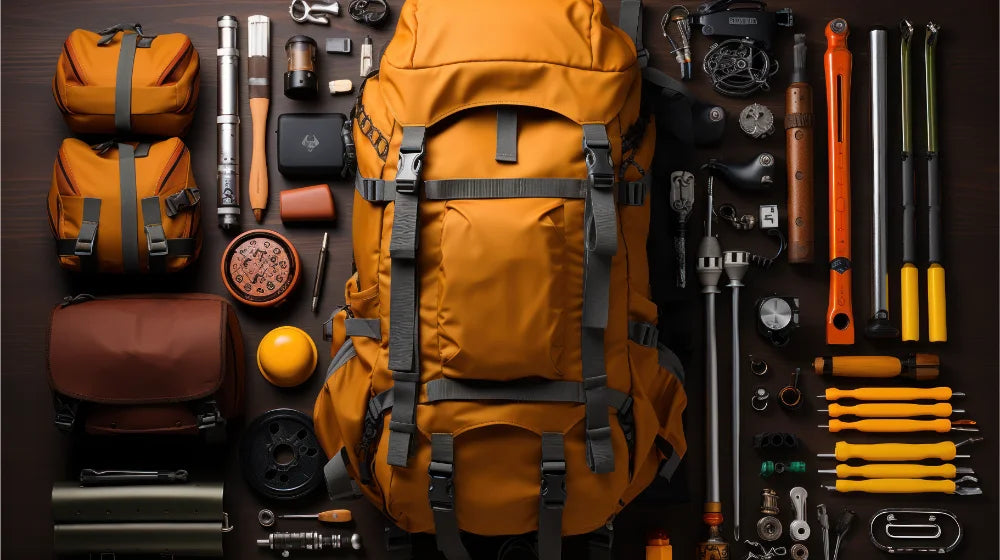
What to bring camping (the ultimate checklist)
Planning what to bring camping goes beyond just gear; it's about choosing the essentials for a hassle-free outdoor adventure. From a first aid kit to trash bags and meal preparation items, being well-prepared is key. When it comes to food, freeze-dried meals are a great choice for what to bring camping as they provide a lightweight, nutritious solution that requires minimal preparation. what to bring camping? When deciding what to bring camping, having the right gear ensures a comfortable and safe adventure. From shelter to cooking tools, careful planning of what you need for camping can make all the difference in your outdoor experience. 1. Shelter and comfort A reliable tent is essential for protection. Opt for a tent suitable for the number of campers and with features such as waterproofing and ventilation. As ground insulation is crucial, bring a sleeping pad or inflatable mattress to stay warm and comfortable. Don't forget a sleeping bag suited to the temperatures you will encounter. A camping pillow adds comfort and ensures a restful night. Also consider packing a compact camping chair and a folding table if your campsite does not have a picnic setup. 2. Clothing and footwear When choosing what to bring camping, selecting the right clothes and footwear is essential to staying comfortable and safe outdoors. Here’s how to layer and choose footwear effectively: Base layers: Opt for moisture-wicking materials to draw sweat away from your skin. Insulating layers: Use fleece or down for warmth in cooler temperatures. Outer layer: A waterproof and wind-resistant jacket provides protection. Footwear: Sturdy hiking boots provide ankle support and good grip on challenging terrain. Socks: Bring extra pairs, with wool socks for added warmth. Accessories: Bring a hat and gloves for sun protection or warmth during cool nights. By carefully planning what to bring camping, you'll be ready for varying weather conditions, making your experience more enjoyable and less stressful. 3. Navigation and tools Knowing what to bring camping can make all the difference in your outdoor experience, and navigation tools are essential for staying on track and well-prepared. Map and compass: The basics for finding your way in nature. GPS device: Improves accuracy, especially on longer or less familiar hikes. Multi-tool or pocket knife: Useful for everything from food preparation to gear repair. Headlamp or flashlight: Essential for night navigation. Don't forget spare batteries. Basic climbing gear: Ropes may be needed depending on your activities. Wood axe or hand saw: Useful for gathering firewood at camp. Duct tape: A versatile tool for quick repairs. By carefully choosing what to bring camping, you'll be well-prepared for navigation and unexpected situations, ensuring a safer and smoother adventure. 4. Choosing the right food for camping Non-perishable foods are ideal, such as canned goods, pasta, and cereals. High-energy snacks like nuts and freeze-dried fruits keep you going during hikes. Plan balanced meals with protein, like beans, combined with carbohydrates for sustained energy. Properly storing food will prevent attracting wildlife. Use airtight bags or containers to protect your supplies. When choosing camping meals, consider your dietary needs and opt for meals that are easy to prepare with limited camping tools. 5. Freeze-dried foods for camping Freeze-dried foods for camping are popular for their lightness and long shelf life. Options range from entrees to desserts, and many brands offer a variety of flavors to suit all preferences. These meals usually only require adding hot water, making them easy to prepare. Look for those that are rich in nutrients to maintain your energy. Check portion sizes to ensure they meet your dietary needs for the duration of your trip. 6. Essential cooking equipment To efficiently prepare your meals during your camping trip, bring a portable stove or campfire, along with fuel and a lighter or waterproof matches. Be sure to bring sturdy pots, pans, utensils, a sharp knife, a folding cutting board, and reusable dinnerware. A fire starter is also useful for lighting your stove or campfire. 7. Portable cooking appliances Compact cooking appliances such as a camping stove or a portable grill make outdoor meal preparation easier. Choose models that match your camping fuel preferences, whether propane or charcoal. Many models are lightweight and designed for easy transport. Be sure to bring necessary accessories, such as a gas canister adapter. Portable coffee makers or presses can give you a comforting taste of home during your trip. 8. Personal items and hygiene Maintaining personal hygiene is key to a comfortable camping experience, even when facilities are limited. Here is a list of essential items to bring camping: Toothbrush and toothpaste: Maintain good oral hygiene with compact and essential tools. Biodegradable soap: Environmentally friendly for handwashing or dishwashing. Quick-drying microfiber towel: Lightweight and versatile for drying or as an emergency blanket. Hand sanitizer and wipes: Essential for maintaining cleanliness when water is scarce. Extra toilet paper: Always necessary, especially in campsites without adequate facilities. Portable toilet: An excellent backup solution if your campsite does not have latrines. Sunscreen and insect repellent: Protect your skin from sunburn and insect bites. By keeping personal items simple yet essential, you ensure a cleaner and more comfortable camping trip, regardless of the conditions. 9. First aid and safety kits A comprehensive first aid kit is necessary for treating minor injuries. It should contain bandages, antiseptic wipes, and pain medication. Customize the kit by adding personal medications or items specific to your health needs. Safety items such as a whistle, emergency blanket, and signal mirror are recommended for unexpected situations. A small roll of adhesive bandages, gauze pads, and medical tape complete your kit for more serious incidents. Importance of freeze-dried foods for camping For campers wondering what foods to bring camping without a fridge, freeze-dried meal ideas for camping without a fridge provide a practical and nutritious solution. These camping meals are lightweight, easy to pack, and retain most of their nutritional value without requiring refrigeration. Furthermore, they require minimal preparation, making them an ideal choice for those who want their camping meals to be easy to prepare and take with them. What are freeze-dried foods? Freeze-dried meals are lightweight meals created by removing moisture from food through a freezing and vacuum process, which helps preserve nutrients and flavor. These fridge-free camping meal ideas have a long shelf life and are easy to rehydrate by simply adding water. They are very popular for camping and hiking due to their convenience and portability. Camping food list When planning a camping trip, it is essential to have a well-stocked camping meal list to ensure you have enough energy for your adventures. A variety of options, including freeze-dried meals, can make meal preparation simple and enjoyable. Here is a comprehensive list of foods to consider for your trip: Freeze-dried main meals: Options like primavera pasta and vegetable lasagna offer both variety and nutrition. Freeze-dried snacks: Include freeze-dried fruits like apples, strawberries, or bananas for an easy and light snack. Freeze-dried desserts: Satisfy your sweet cravings with fruit chips. Breakfast options: Oatmeal, granola, and mixed pancake powder. Dinners: Rice, pasta, instant noodles (check for vegan options), canned beans, and freeze-dried meal pouches containing plant-based ingredients. Condiments and spices: Salt, pepper, hot sauce, olive oil, and sugar packets. Drinks: Instant coffee, tea, hot chocolate (vegan mix), powdered juice mixes, and electrolyte tablets. Hydration: Don't forget water purification tablets or a filtration system to stay hydrated. Desserts and treats: Dark chocolate and freeze-dried fruit candies. By incorporating various freeze-dried meals into your camping food menu, you can simplify your planning process while ensuring a variety of meals that meet different dietary needs. Whether you crave a hearty meal or a light snack, freeze-dried options are convenient, portable, and nutritious for your outdoor adventure. Complete your list with freeze-dried meals! Lightweight, easy to prepare, and perfect for all adventures. Get your essential camping meals now. Click to buy! Nutritional retention of freeze-dried foods Freeze-dried foods are known for their excellent ability to retain nutrients compared to other preservation methods. The freeze-drying process involves freezing food and then removing moisture by sublimation, preserving most vitamins, minerals, and macronutrients. This method is particularly advantageous because it retains the food's flavor and texture while preserving key nutrients. Below is an analysis of the nutritional retention of freeze-dried foods compared to fresh and dehydrated foods: NutrientsFreeze-Dried Meal Dehydrated Foods Fresh Foods Vitamin C 90-95% retention 40-50% retained 100% Vitamin A 85-90% retained 60-65% retained 100% Protein 95-97% retention 85-90% retained 100% Carbohydrates 95-98% retention 90-95% retention 100% Fats 95-98% retention 80-85% retention 100% Fiber 90-95% retention 80-85% retention 100% Minerals (iron, calcium) 95-97% retention 70-80% retained 100% As the table shows, freeze-drying is highly effective at preserving the nutritional content of foods, especially when compared to dehydration. While fresh foods are naturally the most nutrient-rich, freeze-dried foods offer an almost equivalent nutritional profile with the added benefits of long shelf life and portability. For campers and adventurers, freeze-dried meals are an excellent choice for maintaining a balanced diet on the go. Packaging and Portability Convenience Freeze-dried meals are packaged in lightweight, vacuum-sealed bags with oxygen absorbers, which extends their shelf life for years—sometimes up to 30 years. This makes them ideal for long trips or emergency situations, while their compact and portable design makes them easy to store in a backpack without adding bulk. This convenience frees up space for other essential items, making them perfect for travel and outdoor adventures. Ease of Preparation Freeze-dried meals are easy to prepare, requiring only hot water and a few minutes, making them perfect when considering what to bring camping without a refrigerator. This convenience allows you to enjoy a warm, nutritious meal with minimal effort, using basic equipment like a portable stove, giving you more time to explore and relax. Ideal for seasoned campers and novices alike, freeze-dried food simplifies meal preparation. Frequently Asked Questions When camping without a refrigerator, choosing the right foods for practicality and nutritional value is essential. This section provides specific options for meals and snacks that do not require refrigeration, ensuring you have a comprehensive list for your trip. What foods keep well without refrigeration during a camping trip? For your camping trip, consider bringing canned goods like beans and vegetables, as they are non-perishable and nutrient-rich. Dried fruits, nuts, and seeds make excellent snacks. They are compact and energy-dense. Whole-grain crackers and hard cheeses like Parmesan can also last several days without refrigeration. What are some no-cook, non-perishable meal options for camping? Peanut butter and jelly sandwiches with long-lasting bread, oatmeal with dried fruits, and instant noodles make great meal options. You can also try trail mixes with nuts and dried berries. These options require no cooking and provide a good balance of carbohydrates and protein. What are the best foods to take camping that don't require cooking? Prioritize foods like canned soups and pre-cooked rice pouches. These can be eaten directly or warmed over a campfire. Additionally, energy bars and granola bars are convenient snacks that require no preparation and are easy to carry. How do I create a comprehensive camping food list that excludes refrigerated items? Start by listing non-perishable staples such as pasta, rice, and canned beans. Incorporate long-lasting vegetables like carrots and bell peppers. For snacks, plan for nuts, dried goods, and fruit and vegetable blends. Plan your meals around these items to ensure a balanced diet throughout your trip. What are some good non-refrigerated meal recommendations for a camping adventure? For breakfast, oatmeal with nuts and dried fruit is a solid choice. For dinner, pasta with a jar of sauce or instant mashed potatoes with canned gravy work well. Supplement meals with snacks such as fruit cups and peanut butter. What should be included in a no-refrigeration grocery list for a camping trip? Your list should include canned goods, pasta, and grains. Include dehydrated or freeze-dried meals for easy preparation. Stock up on snacks like energy bars and nuts. Don't forget small packets of condiments and spices for flavor. Ensure a balanced mix of carbohydrates, proteins, and fats to meet energy needs. Conclusion Preparing for a camping trip requires thoughtful planning and efficient packing. Prioritize essential gear, choose non-perishable foods and freeze-dried meals, as they are the best option, and ensure you have the right cooking utensils and necessary hygiene items. By double-checking your packing list and adapting it to your location and trip duration, you'll enjoy a seamless and enjoyable outdoor adventure. Complete your list with freeze-dried meals! Lightweight, easy to prepare, and perfect for all adventures. Get your essential camping meals now. Click to buy!
Sylvain Karpinski
•
Oct 12, 2024

Various Uses for Freeze-Dried Foods
Freeze-dried foods, a concentrated form of flexibility, have become an essential part of modern life due to their unique ability to preserve nutrients while extending shelf life. The uses of freeze-dried foods range from convenient meal preparation for busy individuals to lightweight and durable options for outdoor adventurers and emergency kits. Whether you're looking to stock your pantry with healthy, long-lasting options or simplify your meals, the diverse uses of freeze-dried foods offer unparalleled convenience and flavor, without compromise. 7 Uses for Freeze-Dried Foods Freeze-dried foods offer flexibility, portability, and a long shelf life, making them a popular choice in various scenarios such as outdoor adventures and emergency preparedness. One of the main uses of freeze-dried foods is their ability to retain most of their nutritional quality and flavor, making them a reliable option in a wide range of contexts. In the following sections, we will explore the diverse uses of freeze-dried meals and the benefits they can bring to different aspects of daily life. 1. Camping and Outdoor Activities When camping, you want freeze-dried camping foods that are simple and quick to prepare. Freeze-dried foods allow you to enjoy flavorful dishes without lengthy cooking. By adding hot water directly to the pouch, you can have a satisfying meal in minutes. This convenience means less time spent on meal prep and more time enjoying the outdoors. You won't have to worry about refrigeration, simplifying your packing list. This is particularly useful in remote areas where access to fresh ingredients may be limited. The compactness of freeze-dried foods also allows you to pack more options for your trip, providing variety without added weight. 2. Freeze-Dried Foods for Hiking For hikers, freeze-dried foods are invaluable due to their lightweight and compact nature, making them perfect for long treks. They provide essential nutrients and energy without adding extra weight to your gear, and their easy preparation requires minimal equipment. Whether you're on the go or camping, freeze-dried foods for hiking ensure you have a warm, nutritious meal wherever there's water. 3. Sailor's Meals Sailing presents unique challenges, especially concerning food storage. Freeze-dried foods offer a practical solution as they do not require refrigeration, a significant advantage when power options are limited. Their compact packaging allows for easy storage and use over long periods. The preservation of taste and nutrients helps maintain a balanced diet, essential for sustained focus and energy at sea. Additionally, their long shelf life reduces the need for frequent resupply, allowing sailors to plan long voyages with peace of mind. To learn more about food for sailing, check out our guide. 4. Road Trips Road trips are one of the uses of freeze-dried foods due to their easy storage and quick preparation with hot water. Freeze-dried foods offer a wide variety of meal options, making them perfect for quick stops where kitchens aren't always available. Whether for breakfast, lunch, or dinner, freeze-dried foods provide flexibility, allowing you to enjoy balanced meals without waiting in a restaurant or extensive planning. Check out our detailed article to learn more about travel foods. 5. Space Missions Astronauts rely on freeze-dried foods for their durability and efficiency. In the harsh environment of space, space food must be lightweight, compact, and non-perishable, all characteristics of freeze-dried meals. They retain their nutritional value, ensuring astronauts get the vitamins and minerals they need during missions. 6. Freeze-Dried Foods for the Military The uses of freeze-dried foods in the military are invaluable due to their lightweight nature, long shelf life, and ability to withstand harsh conditions, making them easy to transport during operations. These foods for the military provide essential calories and nutrients for sustained energy and performance, with the added benefit of quick preparation in unpredictable field conditions. This practicality allows soldiers to maintain strength and morale without sacrificing taste or nutrition. 7. Emergency Situations In emergency situations, access to food that remains viable for long periods is essential. Emergency foods are ideal for emergency preparedness as they do not require refrigeration and can be safely stored for years. This ensures you have a reliable food source in the event of natural disasters or unforeseen circumstances. Principles of Freeze-Drying Understanding the basics of freeze-drying is essential to know how this process preserves food. It involves sublimation and two important drying phases to retain the nutritional content and flavor of the product. What is Freeze-Dried Food? Freeze-dried food is produced through a process that removes almost all of its water while preserving its nutrients, flavor, and texture. By using sublimation, which transitions water from ice to vapor, this method ensures that essential vitamins and flavors are maintained. The result is lightweight, durable food that does not require refrigeration, making it ideal for various uses of freeze-dried foods, including emergency supplies, outdoor adventures, and long-term storage. Check out our article to learn more about what a freeze-dried meal is. Rehydration Process of Freeze-Dried Foods Rehydrating freeze-dried foods is a simple process that allows the food to return to its original form, texture, and flavor. By following a few simple steps, you can enjoy freeze-dried meals as if they were freshly prepared. Choose the right amount: Measure the desired amount of freeze-dried food, as it expands when water is added. Add water: Depending on the type of food, add hot water (for meals) or cold water (for fruits and vegetables). Ensure there is enough water for the food to be fully submerged or saturated. Let soak: Allow the freeze-dried food to rest for a few minutes while it absorbs the water. Most foods need 8 to 12 minutes to rehydrate completely. Stir or fluff: Once the water is absorbed, gently stir or fluff the food to achieve a consistent texture. Check consistency: If the food still seems dry or too soft, you can add a little more water and wait a little longer until it reaches the desired consistency. Rehydrating freeze-dried foods is a quick and convenient way to enjoy fresh-tasting meals that retain their original nutrients, making it one of the most practical uses of freeze-dried foods. Whether you're preparing a meal at home or on the go, rehydrating freeze-dried foods is an easy step to enjoy delicious and nutritious dishes, perfectly illustrating the flexibility of freeze-dried food uses in everyday life. Check out our guide to learn how to rehydrate freeze-dried foods. Ready to try our freeze-dried food uses? Whether for quick meals or outdoor adventures, our vegan freeze-dried options are perfect for all uses. Click to learn more! Applications of Freeze-Dried Foods Freeze-dried foods offer unique advantages and flexible uses in various culinary applications. Whether you're preparing vegan stews or snacks, these rehydrated ingredients are convenient and long-lasting without sacrificing nutrition or flavor. In the next section, we'll look at how to use freeze-dried foods in different applications, highlighting their versatility and ease of preparation. Cooking with Freeze-Dried Ingredients Using freeze-dried foods in your kitchen enhances flavors and simplifies meal preparation. These ingredients can be quickly rehydrated in vegan stews and soups, giving them a rich, consistent taste. With freeze-dried vegetables, you can easily create hearty dishes without worrying about spoilage. The light weight of these ingredients also makes them ideal for campers and hikers who need convenient meal solutions. Baking Applications Freeze-dried fruits bring unique flavors and textures to baking projects. Use them in cakes, muffins, or breads to add bursts of flavor and color. Unlike fresh fruits, they don't add excessive moisture, helping maintain the desired consistency for your baked goods. These fruits can also be ground into a fine powder and used as a natural flavoring or as a coloring agent in doughs and glazes. Drinks and Smoothies Enhance your drinks and smoothies with freeze-dried fruits and vegetables. These ingredients blend seamlessly into beverages, offering concentrated flavors while retaining their nutritional benefits. You can easily store and transport these lightweight ingredients, ensuring fresh taste without refrigeration. Add freeze-dried berries to your smoothies for a nutrient boost and unique color. Snacks and Spice Mixes Freeze-dried foods are excellent additions to fruit and vegetable mixes and vegan snack recipes. They offer a crispy texture and a natural sweet or savory flavor without the added sugars found in many snacks. These snacks are perfect for a diet, as they provide essential vitamins and minerals in a convenient, non-perishable form. Long-Term Food Storage Freeze-dried foods are an effective option for those looking to store food long-term. They can last for months, even years, without losing their nutritional value or flavor, making them suitable for emergency food supplies. Store them in airtight containers to preserve freshness, and you'll have access to nutritious meals when needed. Benefits for Businesses and Individuals From commercial kitchens to home kitchens, freeze-dried foods offer practical advantages that meet a wide variety of needs. They reduce waste by allowing you to use only what you need without worrying about spoilage, and they don't require refrigeration, saving energy. Whether minimizing shipping costs in a commercial setting or offering creative options for family cooking, the uses of freeze-dried foods are both flexible and practical for everyday life. Freeze-Dried vs. Dehydrated Foods: Key Differences and Uses of EachFreeze-dried and dehydrated foods are two popular preservation methods, but they differ in terms of processing, nutrient retention, and practical use. Understanding these distinctions can help you make the best choice for your needs, whether for long-term storage or an everyday snack. Aspect Freeze-dried meals Dehydrated foods Nutrient Retention Retains up to 97% of nutrients Retains 50 to 70% of nutrients Moisture Content Around 2% 30-50% Texture and Taste Rehydrates to resemble fresh food Texture and taste may be altered Shelf Life Longer (up to 25 years) Shorter (1-5 years) Best Use Long-term storage, emergency kits, camping Everyday snacks, economical options Freeze-dried foods are ideal for long-term storage, emergency kits, and preserving original taste and texture when rehydrated. Dehydrated foods, on the other hand, are a more affordable option for everyday snacks, although their texture and taste may differ from fresh foods. To learn more about freeze-dried vs. dehydrated foods, see our detailed article. Frequently Asked Questions Understanding freeze-dried foods means exploring their storage potential, differences from other preservation methods, and the advantages and disadvantages they offer. This information will help you make informed decisions when considering freeze-dried foods to meet your needs. How long can freeze-dried foods be stored? Freeze-dried foods can often be stored for 20 to 30 years under proper conditions. The key to a long shelf life is to keep them in a cool, dry place in sealed packaging to prevent moisture and air exposure. What are the potential side effects of eating freeze-dried foods? Generally, freeze-dried foods are safe and retain most of their nutritional value. However, they can be high in sodium if not rehydrated properly, which can impact people with dietary restrictions. It is essential to rehydrate them correctly to preserve their flavor and texture. Why is freeze-drying considered a beneficial method of food preservation? Freeze-drying preserves most of the nutritional value and flavor of food because it removes moisture without using high heat. This method preserves vitamins, minerals, and the structural integrity of food, making it an excellent choice for long-term storage and maintaining quality. What are the main differences between freeze-dried and dehydrated foods? The main difference lies in water content and preservation method. Freeze-dried foods retain about 1-3% moisture, while dehydrated foods contain 10-20%. Freeze-drying uses sublimation, turning ice directly into vapor, which better preserves flavors and nutrients than dehydration, which uses water evaporation. Can freeze-dried foods degrade over time and how can their shelf life be maximized? Yes, freeze-dried foods can degrade if not stored properly. To maximize their shelf life, store them in airtight containers, away from light, heat, and moisture. Oxygen absorbers can also help maintain freshness by reducing oxidation inside the packaging. What are the disadvantages or limitations of freeze-drying foods? Freeze-drying can be expensive, both in terms of machinery and energy. Additionally, the process can result in a lighter, chewier texture that may not be desirable for all foods. Some flavors may also become concentrated, affecting the taste after rehydration. Conclusion The uses of freeze-dried foods are incredibly flexible, offering convenience and practicality in various situations such as outdoor adventures, emergency preparedness, and long-term storage. Their lightness and ability to retain most of their nutritional value make them a reliable option for those seeking healthy and portable food solutions. Whether you're planning a hike or preparing for emergencies, freeze-dried foods offer an easy-to-store, nutrient-rich option that meets various needs. Ready to try our freeze-dried foods? Whether for quick meals or outdoor adventures, our vegan freeze-dried options are perfect for all uses. Click to learn more!
Sylvain Karpinski
•
Oct 12, 2024

How to Rehydrate Freeze-Dried Foods (Complete Guide)
Rehydrating freeze-dried food is essential for adventurers who want to enjoy lightweight and durable meals on the go. By simply adding water, you can restore food to its original texture and taste, making it feel freshly prepared. Mastering how to rehydrate freeze-dried food allows you to have a delicious and nutritious meal, no matter where your adventures take you. In this article, we will discuss the process of how to rehydrate freeze-dried food, including important considerations before and after rehydration, as well as the essential equipment needed to effectively rehydrate freeze-dried meals. How to rehydrate freeze-dried food? Rehydrating freeze-dried food involves several specific steps to ensure the food returns to its desired texture and taste. The following sub-sections will guide you through the process of how to rehydrate freeze-dried food, from identifying the type of food to preparing it for consumption. By following these steps, you will achieve the best possible results when rehydrating your meals. 1. Determine the type of food Before you begin, identify the type of freeze-dried food you have. Different foods, such as proteins, fruits, or vegetables, may require different rehydration techniques. Knowing the category allows you to tailor your approach. The condition of the food before freezing also matters. Whether the food was cooked or raw affects how you should rehydrate it. This small step can significantly impact the outcome. 2. Measure the freeze-dried food Precisely measuring the amount of freeze-dried food ensures you use the correct amount of water for optimal rehydration. Use a kitchen scale for accurate measurements. This step is crucial, as too much or too little water will affect the texture. Many freeze-dried food packages provide guidance on the ideal water-to-food ratio. Adhering to these recommendations helps achieve a texture and taste closer to fresh. 3. Boil or heat water (optional) Depending on the type of food, you may choose to use hot water. For cooked foods, using hot water speeds up rehydration. Boil the water if you are working with dense foods to help them absorb water more effectively. If your food needs to be rehydrated cold, skip this step. Using hot or cold water is often a choice that depends on the desired final texture and the type of food. 4. Add water to the food Adding water is the most critical part of the process. Fully cover the food to ensure even rehydration. In some cases, it's advisable to methodically sprinkle or spray room temperature water for lighter foods like fruits or vegetables. Follow the package instructions or aim for a slight puddle of water at the bottom. This allows all surfaces to effectively absorb moisture. 5. Wait for rehydration It is essential to allow time for rehydration. This period can vary significantly depending on the type of food. For some vegetables, 8 to 12 minutes is sufficient. Patience allows textures to develop properly. If you are working with a longer rehydration time, cover the food. This will prevent any drying out or unwanted contamination during the process. 6. Stir or shake the food Stirring or shaking helps ensure even rehydration of your freeze-dried meals. While the food rests in the water, gently stir for a few minutes, which is especially important for small vegetables or fruits where uneven rehydration can be an issue. This action disperses the water more evenly and speeds up the rehydration process. For best results, use a spoon or similar tool to stir. 7. Drain excess water (if necessary) Once rehydration is complete, it may be necessary to drain excess water. This step is particularly important for foods that absorb water quickly, such as fruits with high sugar content. Use a colander or similar tool to effectively remove the water. Excess water can alter the texture and taste of the final product. This step ensures that the product remains close to fresh in terms of flavor and texture. 8. Check texture and serve Finally, check the texture of your food before serving. Properly rehydrated food should be as fresh as possible, without hard or dry spots. If necessary, you can add more water and wait a little longer if the texture is not right. Once satisfied, use your freeze-dried food like fresh food, incorporating it into recipes or serving it directly to enjoy the result. Understanding freeze-drying Freeze-drying is a method that extends the shelf life of food while preserving its nutritional value. This process is commonly used to preserve meals, allowing them to remain viable for long periods. What is freeze-dried food? Freeze-dried food is food that has been preserved by removing almost all of its moisture through a process called lyophilization. Freeze-dried foods are therefore lightweight, easy to store, and ideal for long-term storage, especially for adventurers. Understanding how to rehydrate freeze-dried food is essential to restore its original texture and flavor when you are ready to consume it. Consult our detailed guide to learn more about what a freeze-dried meal is. Methods for rehydrating freeze-dried food Rehydrating freeze-dried food is a simple process, but choosing the right method ensures the best results in terms of taste and texture. In this section, we present the most effective techniques for rehydrating freeze-dried food to restore it to its original state. Water spray: Lightly spray freeze-dried fruits or vegetables with room temperature water while stirring for even absorption. Soaking in hot water: For cooked freeze-dried foods, soaking in hot water speeds up the rehydration process and restores the original texture. Soaking in cold water: Soaking in cold water is ideal for raw freeze-dried products such as fruits or vegetables. It allows them to rehydrate slowly without altering their flavor. Resting: Some freeze-dried foods, like heartier meals, may require a longer soaking time to fully absorb moisture. Follow package instructions: Always check the package for the recommended water-to-food ratio to ensure the best rehydration results. By using these methods, you can learn how to rehydrate freeze-dried food and enjoy delicious meals with good texture. Whether at home or on an outdoor adventure, these techniques will bring your meals back to life. Rehydration of freeze-dried food The process of rehydrating freeze-dried food involves adding the appropriate amount of water and allowing it time to be absorbed. Different methods apply to various types of food, which impacts flavor and texture. Precise rehydration requires attention to detail, including the type of food and the liquid used. Rehydrating freeze-dried fruits and vegetables Rehydrating freeze-dried fruits and vegetables generally involves adding room temperature or cold water. Fruits and vegetables typically rehydrate in 8 to 12 minutes, depending on their size. For best results, follow the water-to-food ratio on the package and stir gently to ensure even rehydration. Freeze-dried strawberries can benefit from a brief soak to become softer. In contrast, freeze-dried vegetables like corn may require a longer soaking time, up to several hours, to be fully rehydrated. Make sure there is no residual water before serving. Rehydrating freeze-dried vegan foods Rehydrating freeze-dried vegan foods is quick and easy, typically taking only 8 to 12 minutes. For most products, add a 1:1 ratio of hot water to the freeze-dried food, then cover and let sit, stirring occasionally for even absorption. Some heartier foods, like legumes or grains, may require a little more time (up to 15 minutes) for complete rehydration, but this simple process allows you to prepare a delicious and nutrient-rich meal in minutes. Optimizing flavor and texture To enhance the flavor of food, consider using flavored liquids, such as fruit juices for fruits or seasoned vegan broths for vegetables, during the freeze-dried food rehydration process. Spices and herbs can also be added directly to the rehydration liquid to give more taste to the food. Controlling texture during the freeze-dried food rehydration process ensures optimal results. The goal is to achieve soft food, but without mushiness. Taste regularly to ensure all elements meet your taste expectations. Adjust seasonings as necessary to maintain consistency and satisfaction of the final dish. Master rehydration with our freeze-dried vegan meals! Discover our easy-to-rehydrate vegan freeze-dried meals. Ready for your next adventure? Click to shop! Considerations before rehydration Before rehydrating freeze-dried food, it's important to understand a few key factors to save time and achieve the best results. To effectively rehydrate freeze-dried food, you need to choose the right water preparation method, calculate the correct water-to-food ratio, and use accurate measuring tools. By avoiding common mistakes, you can ensure your meals are always delicious and perfectly rehydrated. Choosing the right water usage method The choice of water treatment method influences the texture and flavor of freeze-dried foods; hot water accelerates rehydration and enhances the flavors of soups and stews, while cold water preserves the crispness of vegetables. The water temperature should therefore be adjusted according to the type of food. This helps to approximate the qualities of fresh food and avoid undesirable textures. Determining the water-to-food ratio Determining the correct water-to-food ratio is essential for optimal rehydration results. Start by following the manufacturer's instructions on the packaging or, if not available, add water gradually to avoid overly mushy textures. Adjusting the ratio in small increments allows for fine-tuning without wasting food, leading to consistently good results. Importance of precise measuring cup Accurate measuring cups are essential for learning how to rehydrate freeze-dried food, as incorrect water-to-food ratios can affect taste and texture. Invest in high-quality cups with precise increments in metric and imperial units for versatility, especially when rehydrating sensitive foods. Regularly inspect your measuring tools for wear and tear to ensure consistent and reliable results. 7 common mistakes to avoid when rehydrating freeze-dried food To get the best results when learning how to rehydrate freeze-dried food, it is essential to avoid common mistakes that can affect both texture and flavor. Below are the main mistakes to avoid and how to prevent them. Common mistakes to avoid include: Adding all the water at once: Gradually introduce water to control the texture and avoid oversaturating the food, especially in meals containing varied ingredients like vegetables. Ignoring Climate or Altitude Differences: Freeze-dried foods may require longer rehydration times in dry or high-altitude regions. Using Incorrect Water Temperature: Hot water is ideal for cooked dishes, while cold water is better for fruits and vegetables, as it preserves their texture and flavor. Over-Soaking Foods: Closely monitor soaking times to avoid leaving food in water for too long, as it can become soggy and unappetizing. Not stirring or agitating the food: Stirring food during rehydration ensures even absorption, preventing some parts from remaining dry while others become too soft. Ignoring Package Instructions: Always follow the instructions on the package to maintain the ideal water-to-food ratio and achieve the best results. Using Unfiltered or Impure Water: If you're outdoors, be sure to use clean, filtered water to avoid contaminants that could impact food safety and quality. By avoiding these common mistakes, you'll understand how to rehydrate freeze-dried foods for delicious, well-textured meals. Paying attention to these factors ensures a smooth rehydration process, wherever you are. Tips After Rehydration After successfully rehydrating freeze-dried foods, you need to consider the best way to serve and store them. By paying attention to these aspects, you will maximize the flavor, nutritional value, and shelf life of your rehydrated meals. Serving and Presentation Suggestions After rehydration, you might wonder how to consume freeze-dried foods in a variety of dishes. They can be added to soups, stews, or salads, while fruits are perfect for desserts or breakfasts like vegan oatmeal. In an emergency, combine different rehydrated foods to create a balanced meal. Proper Storage of Rehydrated Foods and Shelf Life Freeze-dried foods, before rehydration, have an impressive shelf life due to the moisture removal process. When properly stored in airtight containers, away from moisture, light, and heat, freeze-dried foods can last 10 to 25 years. This makes them an ideal option for long-term food storage, emergency preparedness, and outdoor adventures, providing convenient and nutritious meals for extended periods. Check out our detailed blog to learn more about how long freeze-dried foods last. Once rehydrated, freeze-dried foods should be treated like any freshly prepared dish. Rehydrated foods should be stored in airtight containers and refrigerated to preserve freshness. Most rehydrated meals can be safely stored for 3 to 5 days, depending on the ingredients. Be sure to consume them within this timeframe to prevent spoilage and always check for changes in smell or texture before eating. Equipment for Food Rehydration When rehydrating freeze-dried foods, using the right equipment can significantly impact the quality of your results. Whether it's a reliable pot or a freeze dryer, these tools are essential for restoring food to its original texture and flavor. Using the Right Pot Knowing how to consume freeze-dried foods starts with choosing the right pot for effective rehydration. Non-stick pans ensure even heating, while pots with airtight lids help trap steam during soaking. Opt for durable materials like stainless steel or ceramic, especially for foods with varying acidity, and choose a pot size appropriate for the food volume to ensure even water and heat distribution. Materials Needed to Rehydrate Freeze-Dried Foods Having the right materials makes the process of rehydrating freeze-dried foods easier and more efficient. Below are some essential tools to help you effectively rehydrate your meals. Measuring Cups and Spoons: These ensure you use the correct water-to-food ratio for optimal rehydration. Kitchen Scale: Ideal for accurately measuring freeze-dried food portions to avoid waste and achieve consistent results. Mixing Bowl: A large, deep bowl is ideal for soaking freeze-dried foods and stirring them to ensure uniform water absorption. Spoon or Spatula: Useful for stirring during rehydration, ensuring all parts of the food are evenly hydrated. Kettle or Pot: For heating water if hot water is needed to rehydrate certain foods, such as meats or cooked dishes. Airtight Containers: Once rehydrated, these containers help store leftovers while preserving their freshness for a few days. With the right equipment at hand, rehydrating freeze-dried foods becomes a simple and efficient process. These tools will help you achieve the best texture and flavor for your meals. Uses and Applications of Freeze-Dried Foods Freeze-dried foods offer flexibility and convenience in a wide range of situations, making them a popular choice for adventurers and those looking to store food long-term. Below are some key uses and applications of freeze-dried foods. Outdoor Adventures: Lightweight and easy to transport, freeze-dried meals are ideal for camping, hiking, and backpacking where space and weight are limited. Emergency Preparedness: Freeze-dried foods have a long shelf life, making them a top choice for emergency kits and disaster preparedness. Everyday Cooking: Freeze-dried ingredients, like fruits and vegetables, can be added to smoothies, soups, and vegan stews for quick and convenient meals. Space Saving: Freeze-dried foods take up less space, making them perfect for small kitchens or for long-term storage without clutter. Convenience: These foods are easy to pack and require minimal preparation, making them perfect for road trips or travel where fresh food isn't always accessible. Freeze-dried foods are an adaptable solution for various needs, whether for outdoor activities, emergency preparedness, or even daily cooking. By mastering how to rehydrate freeze-dried foods, you can enjoy convenient and nutritious meals wherever you are. Learn more about the uses of freeze-dried foods in our detailed blog post. Frequently Asked Questions When rehydrating freeze-dried foods, consider the type of food, the methods used, and the desired outcome. Some foods require more precise measurements and methods to effectively regain their texture and flavor. What is the correct water-to-freeze-dried food ratio for rehydration? The usual ratio is 1:1, meaning an equal part of water to freeze-dried food. However, this ratio can vary depending on the type of food and personal preferences. Check the packaging, as many brands provide specific instructions that optimize the rehydration process. Is it possible to rehydrate freeze-dried foods with cold water? Yes, cold water can be used, but it may take longer. Foods like fruits and vegetables can be rehydrated with cold water, but patience is required. The texture may not be as soft as with hot or warm water. What are the steps to effectively rehydrate freeze-dried fruits, such as strawberries? Start by placing the fruits in a container, then pour hot water over them. Allow the fruits to soak completely. Once the strawberries are fully plump, drain any excess water. This process usually takes between 8 and 12 minutes. Can freeze-dried foods be eaten without rehydration? Freeze-dried foods can be eaten dry, but their texture is different. They often resemble crispy snacks and retain most of their nutritional content. The flavor may be milder than rehydrated versions. How long does it take to rehydrate freeze-dried meals overnight? Overnight rehydration typically involves placing the food in a bowl with enough water to cover it completely. Cover and refrigerate, allowing it to soak more slowly and achieve a softer texture by morning. Conclusion Rehydrating freeze-dried foods is a game-changer for adventurers, providing lightweight, durable meals with minimal effort. By knowing the right methods, tools, and tips, you can transform these preserved foods into delicious and nutritious dishes. Whether you're exploring the great outdoors or preparing for emergencies, knowing how to rehydrate freeze-dried foods ensures you always have a satisfying meal ready to enjoy. Master Rehydration with Our Vegan Freeze-Dried Meals! Discover our easy-to-rehydrate vegan freeze-dried meals. Ready for your next adventure? Click to shop!
Sylvain Karpinski
•
Oct 12, 2024
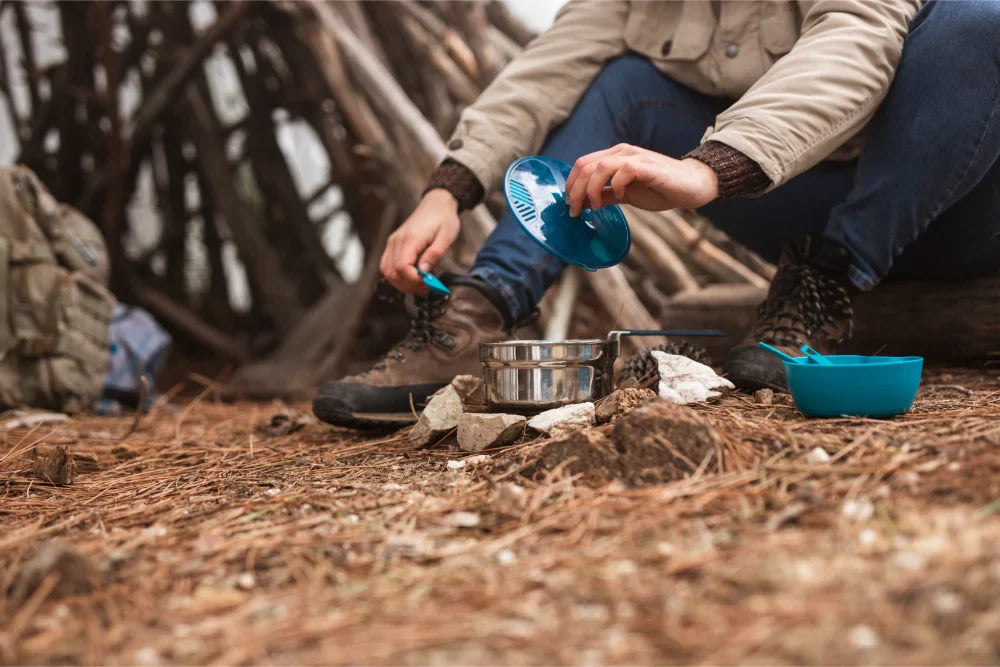
How Long Does Freeze-Dried Food Last? (EXPLAINED)
Imagine a meal that stays fresh and flavorful for decades, perfect for your next adventure or emergency preparedness. That's exactly what freeze-dried foods offer, but how long do freeze-dried foods last? In this article, we'll explore everything you need to know about its impressive shelf life and the factors that influence it, so you can make informed decisions for your outdoor adventures or long-term storage. How long do freeze-dried foods last? Freeze-dried foods are known for their impressive longevity. When stored correctly, these freeze-dried meals last between 25 and 30 years, which is significantly longer than most traditional food preservation methods. Adequate storage conditions include a cool, dry environment and airtight packaging to protect food from moisture and light. The almost complete removal of water not only prevents food spoilage, but also prevents the growth of microorganisms that cause degradation. This makes freeze-dried foods particularly useful for emergency preparedness, camping trips, and long-term storage. The estimated shelf life is 25-30 years, but optimal storage conditions can sometimes extend it even further. Principles of freeze-drying Understanding the basics of freeze-drying involves knowing what freeze-dried food is, how long freeze-dried foods last, and the typical shelf life of different types of freeze-dried foods. This process is a highly effective preservation technique that ensures longevity without compromising nutritional quality. What is a freeze-dried meal? Freeze-dried meals are produced through a process called sublimation, where frozen water is directly removed as vapor, preserving the food's nutritional value and texture. This method allows foods such as fruits and vegetables to remain lightweight, easy to store, and ready for rehydration. If you're wondering how long freeze-dried foods last, the answer lies in their ability to stay fresh for decades without additives, making them perfect for adventurers and emergency situations. Here's a guide to learn more about what a freeze-dried meal is. Shelf life of different freeze-dried foods The shelf life of freeze-dried foods can vary significantly depending on the type of food and how it is stored. Below is a table showing the estimated shelf life of various freeze-dried products, giving you a clear idea of how long each option will last under optimal conditions. Type of freeze-dried food Estimated shelf life Optimal storage conditions Key notes Fruits (pears, watermelons, etc.) 15 to 20 years Cool, dry, airtight containers Shelf life varies by type of fruit Vegetables (e.g., peas, carrots) 25 to 30 years Sealed, moisture-free environments Nutrients and texture are well preserved Complete meal packages 20 to 25 years Cool, dry, airtight environments Perfect for long-term emergency storage Grains (e.g., rice, oats) 20 to 30 years Airtight containers, cool storage Excellent for bulk storage Herbs and spices 10 to 15 years Sealed, dry containers Flavor may diminish over time Maintaining adequate conditions is essential to extend the shelf life of freeze-dried foods, ensuring they remain safe and ready to eat for years. 5 Factors influencing the shelf life of freeze-dried foods The shelf life of freeze-dried foods depends on several factors, including storage temperature, humidity, oxygen levels, location, and the type of containers used. Knowing how these elements affect preservation can help you determine how long freeze-dried foods last and ensure you maximize the longevity of your supplies. 1. Storage temperature It is essential to store freeze-dried foods at a stable and cool temperature. Heat accelerates chemical reactions and can lead to food spoilage. Ideally, store your food in an environment with a temperature between 10°C and 21°C (50°F and 70°F). Temperature fluctuations increase the risk of spoilage; therefore, avoid storing your products near heat sources or appliances. Consistent temperatures ensure that nutrients and flavors remain intact over time. Monitoring the climate in your storage area can provide protection against undesirable temperature spikes. 2. Water content Moisture is a critical element that can significantly affect how long freeze-dried foods last. Even a small amount of water can lead to spoilage. It is essential to store food in an airtight container to prevent moisture penetration. Desiccants or moisture absorbers can provide additional protection to maintain dry conditions. Monitor humidity levels, especially in basements and attics, which tend to be more humid. Using a hygrometer can help you monitor and maintain optimal conditions for long-term storage. 3. Oxygen content Exposure to oxygen can cause oxidation and spoilage of freeze-dried foods, thus reducing their shelf life. The use of oxygen absorbers effectively removes residual air in sealed packages, helping to extend their shelf life. However, estimating the shelf life of freeze-dried foods without oxygen absorbers is not accurate. Without them, even small amounts of oxygen can lead to a loss of flavor and nutritional quality over time. Therefore, it is essential to use appropriate oxygen barriers, such as vacuum sealing for long-term storage. 4. Storage location The storage location is just as important as the conditions, as it has a direct impact on how long freeze-dried foods last. If you're wondering how to store freeze-dried foods? Choose a dry, cool, and stable place, away from pest-prone areas. Garages can experience greater temperature changes and humidity levels than indoor pantries. Ensure the location is not exposed to direct sunlight or drastic environmental changes. A consistent environment will more effectively preserve the longevity of your food. Shelves can also help you store your products and keep them off the floor, where moisture can seep in. 5. Storage containers The choice of storage containers plays an essential role in how long freeze-dried foods last. Use containers specifically designed for long-term food storage. Mylar bags, plastic buckets with an airtight lid, or glass jars with an airtight seal are excellent choices. Mylar bags combined with oxygen absorbers offer great protection against light and air. Careful selection and maintenance of containers help prevent contaminants from compromising quality. Regular inspection of your containers for damage or wear ensures maximum protection of stored food. The best freeze-dried foods for long-term storage When considering freeze-dried foods for long-term storage, prioritize options that offer durability, nutritional value, and a variety of flavors to ensure balanced meals. Evaluating your pantry's specific needs will guide you in choosing the most appropriate options. Freeze-dried vegetables It is essential to include a mix of freeze-dried vegetables in your reserves. Vegetables such as peas, carrots, and bell peppers retain much of their nutritional value after the freeze-drying process. These options provide essential vitamins and minerals, which are vital for maintaining health over long periods. One of the advantages of freeze-dried vegetables is their flexibility. You can easily add them to soups, stews, or pasta dishes, enhancing both flavor and nutrition. When stored in sealed Mylar bags or #10 cans with oxygen absorbers, these vegetables have a shelf life of over 20 years, ensuring the viability of your supply for decades. Choose low-fat products to maximize their longevity. Freeze-dried fruits Freeze-dried fruits are a tasty and nutritious option for long-term food storage. Here's why they make an excellent addition to your emergency supplies or camping gear: Long shelf life: When properly packaged, freeze-dried fruits such as strawberries, apples, and bananas can last for over 25 years. Nutritional value: The freeze-drying process preserves the natural sweetness, vitamin C, and essential nutrients, making these fruits a healthy option. Versatility: Perfect as snacks or as additions to cereals and desserts, freeze-dried fruits add variety to your meals. Airtight packaging: Storing them in airtight containers protects them from moisture, further extending their shelf life. By incorporating freeze-dried fruits into your supplies, you'll enjoy a tasty and healthy option that can last for decades. Nutrient-rich meals Having complete, nutrient-rich meals allows you to maintain a balanced diet, even in an emergency. Options such as freeze-dried stews, pastas, and rice dishes are not only simple to prepare but also retain up to 97% of their nutritional value. These meals demonstrate the longevity of freeze-dried foods, which remain fresh for up to 25 years if stored correctly. By incorporating these ready-to-eat options, you save preparation time while ensuring variety in your diet. Storing them in Mylar bags with oxygen absorbers helps preserve their freshness and longevity. Stock up on long-lasting vegan freeze-dried foods! Enjoy long-lasting, nutritious, and delicious vegan meals. Perfect for adventurers and active lifestyles. Click now to discover our selection! Tips and considerations When storing freeze-dried foods, certain practices can help preserve their longevity. It's essential to avoid common mistakes and understand how long freeze-dried foods last compared to dehydrated foods. 10 tips for extending the shelf life of freeze-dried foods Knowing how to properly store freeze-dried foods is essential to keep them fresh for as long as possible. Here are some tips to optimize their shelf life. Store in a cool, dark place: Maintain a stable, cool environment away from direct sunlight to prevent degradation. Use oxygen absorbers: Adding oxygen absorbers helps remove excess air, which increases product shelf stability and prevents spoilage. Ensure airtight containers: Use airtight containers to protect freeze-dried food from moisture and air exposure. Invest in Mylar bags: Mylar bags with a heat seal offer optimal protection against environmental factors. Label with purchase dates: Label packages with purchase dates to easily track freshness and manage rotation. Regularly check packaging: Frequently inspect packaging for any failures and to ensure seal integrity is maintained. Keep away from moisture: Store products in low-humidity areas to prevent moisture infiltration, which can reduce the shelf life of freeze-dried foods. Avoid temperature variations: Ensure the storage area maintains a consistent temperature to prevent spoilage from extreme fluctuations. Store in bulk for efficiency: Storing larger quantities of freeze-dried food in the same container helps reduce air exposure when packages are opened. Rotate your stock: Regularly rotate your freeze-dried food stock to use older products first and keep the freshest items available. By following these tips, you can maximize how long freeze-dried food lasts and ensure it remains fresh and ready for use at any time. Common Mistakes That Shorten Freeze-Dried Food Shelf Life To maximize the shelf life of freeze-dried foods, careful attention to storage practices is essential. Even small errors can significantly reduce how long freeze-dried food lasts, leading to wasted product and diminished nutritional value. By avoiding these mistakes, you'll get the most out of your freeze-dried food. Air exposure: Allowing freeze-dried food to come into contact with air compromises its quality. Once exposed, it should be consumed within a month to prevent spoilage. Incorrect storage location: Placing freeze-dried food near heat sources or in direct sunlight accelerates nutrient degradation and food spoilage. Inadequate packaging: Simple plastic bags don’t provide the necessary protection against elements, allowing air and moisture to shorten food’s shelf life. Lack of moisture protection: Failing to use airtight containers allows moisture to penetrate, which reduces the lifespan of freeze-dried food. No light barrier: Light exposure can degrade nutrients. Therefore, storing food in light-blocking containers is crucial for maintaining quality. Irregular temperature: Frequent temperature changes can cause product deterioration. Consistent cool temperatures are key for product longevity. By avoiding these common mistakes, you can significantly extend how long freeze-dried food lasts, preserving its freshness, flavor, and nutritional value. Proper storage practices will ensure that your food supply is ready whenever you need it, whether for outdoor adventures or emergency preparedness. Shelf Life Comparison: Freeze-Dried vs. Dehydrated Foods When it comes to long-term food storage, freeze-dried and dehydrated foods offer different shelf lives, textures, and nutritional retention. Here's a comparison of different types of foods processed with freeze-drying and dehydrating to help you choose the best method for your needs. Type of Food Freeze-Dried Shelf Life Dehydrated Shelf Life Key Differences Fruits (e.g., Strawberries, Apples) 25-30 years 10-15 years Freeze-dried fruits better retain original flavor and texture. Vegetables (e.g., Peas, Carrots) 25-30 years 10-15 years Freeze-dried vegetables maintain shape and nutrients better. Full Meals (e.g., Stews, Pasta) 20-25 years 5-10 years Freeze-dried meals maintain taste and consistency better after rehydration. Herbs and Spices 10-15 years 3-5 years Freeze-dried herbs retain flavor for longer. Freeze-dried foods generally last longer and retain more flavor, texture, and nutrients than their dehydrated counterparts. The choice between the two depends on the food type and intended storage duration. How to use freeze-dried food Rehydrating freeze-dried food is simple: just add water and let it absorb, with warm water speeding up the process and cold water taking longer. Some foods like soups need simmering, while fruits and snacks often rehydrate after a brief soak. Adjust the texture to your liking and experiment to find the best approach for each food. Consult our guide and learn how to rehydrate freeze-dried foods. Frequently Asked Questions When it comes to storing freeze-dried food, proper practices are key to preserving its longevity. Additionally, understanding the differences between freeze-dried and dehydrated foods can help you make informed storage decisions. What are the best practices for storing freeze-dried food to maximize its shelf life? To maximize the shelf life of freeze-dried food, store it in a cool, dry place away from direct sunlight. Airtight containers with oxygen absorbers can prevent moisture and air from degrading the food's quality. Proper storage can ensure your food remains edible for decades. How does the shelf life of freeze-dried food compare to that of dehydrated food? Freeze-dried food generally lasts significantly longer than dehydrated food. While freeze-dried food can last 25 to 30 years when stored correctly, dehydrated food typically lasts no more than 15 years. The critical difference lies in the amount of moisture left in the food after the preservation process. Are there any freeze-dried foods that have a shorter or longer shelf life than others? Fruits like apples, pears, and peaches can last between 15-20 years. Dishes containing meat or dairy may have a slightly shorter shelf life due to their composition. Always check packaging guidelines for specific foods. Can freeze-dried food go bad, and if so, what are the signs? While freeze-dried food lasts a long time, it can go bad if exposed to moisture or air. Signs of spoilage include an off-odor, discoloration, or unusual texture. If you notice these signs, it's best to discard the food for safety. What factors can affect the shelf life of freeze-dried food once opened? Once opened, exposure to air and moisture can affect the shelf life of freeze-dried food. Reseal the package tightly and use a desiccant packet to absorb any moisture. Store in an airtight container to extend its life. Are there any foods that are not suitable for freeze-drying, and why? Foods high in oil or fat, such as peanut butter or cheese, do not freeze-dry well. The oils can go rancid over time, affecting shelf life and taste. Foods with high sugar content can also pose issues due to textural changes during the freeze-drying process. Conclusion Freeze-dried food is an exceptional choice for long-term storage, offering a shelf life of up to 30 years when stored in cool, dry conditions and airtight containers. From fruits and vegetables to complete meals, freeze-dried foods retain their nutritional value, making them perfect for emergency preparedness or outdoor adventures. By knowing how to store freeze-dried food correctly, you can enjoy its convenience, portability, and longevity for years to come. Stock up on vegan freeze-dried foods that last! Enjoy long-lasting, nutritious, and delicious vegan meals. Perfect for adventurers and active lifestyles. Click now to discover our selection!
Sylvain Karpinski
•
Oct 12, 2024

Do freeze-dried foods lose nutrients?
When people think about freeze-dried foods, many wonder about their nutritional value. The good news is that freeze-drying focuses on preserving nutrients in freeze-dried foods, meaning you don't have to worry about freeze-dried foods losing nutrients. While some vitamins, like vitamin C, may be slightly reduced, overall, freeze-dried foods retain the majority of their nutrients, making them a convenient and healthy option with no significant losses. Understanding Freeze-Drying Freeze-drying is a process that removes moisture from food while preserving its structure and nutrients. Through sublimation, the ice in the food turns directly into vapor, which helps preserve the flavor and nutritional quality of the food more effectively than other methods. If you're looking to find out how freeze-dried foods lose their nutrients, keep reading this article! Do freeze-dried foods lose nutrients? Yes, but they retain up to 97% of nutrients. Freeze-drying largely preserves the nutritional content of food. When you wonder whether freeze-dried foods lose nutrients or not, it's important to note that most nutrients remain intact and offer similar benefits to fresh foods. Essential vitamins and minerals are preserved more effectively than in other drying methods, which often deplete these components. However, it should be noted that some nutrient loss may occur, particularly with vitamin C and certain B vitamins, which are sensitive to air exposure. Nevertheless, freeze-dried fruits and vegetables often retain a greater portion of their nutritional content than traditionally dried products, making them a healthier choice for packaged cooked meals. Check out our blog post to learn more about what a freeze-dried meal is. The benefits of freeze-dried foods Freeze-dried foods offer a range of benefits that make them very practical for many uses. Below are the main advantages that distinguish them from other preservation methods: Extended shelf life: By removing moisture, freeze-dried foods inhibit bacterial growth, allowing them to last for months, or even years, without refrigeration. Portability: These foods are lightweight, with their weight reduced by approximately 75% due to water removal, making them easy to transport and store. Preservation of flavor and texture: Freeze-dried foods can be rehydrated to closely resemble their original state, retaining their taste and texture, making them adaptable to different recipes. Preservation of nutritional value: Freeze-dried foods do not lose their nutrients such as vitamins, minerals, and proteins, making them a reliable method that focuses on preserving nutrients in freeze-dried foods over time. Freeze-dried foods offer long-term preservation and great flexibility without compromising quality, making them a practical choice in many situations. Whether for emergency preparedness or daily convenience, their benefits are undeniable. Check out our detailed guide to learn more about the benefits of freeze-dried foods. Nutritional impacts of freeze-drying While freeze-drying is an excellent way to preserve vitamins and proteins, some wonder how freeze-dried foods lose nutrients during the process. Although freeze-drying slightly affects fiber content and enzymatic activity, it retains most essential nutrients. In the following sections, we will highlight how different nutrients are affected in freeze-dried foods. Retention of vitamins and minerals Freeze-drying helps retain most of the essential nutrients in food. You can expect vitamins like vitamin C and minerals to remain largely intact in fruits and vegetables. This is because the freeze-drying process uses sublimation, which removes moisture without using high temperatures that could degrade sensitive nutrients. Vitamin C, an essential antioxidant, can sometimes decrease due to its sensitivity to oxygen and light. Despite this, freeze-dried foods do not lose vitamins and retain a significant portion of their original content, compared to other drying methods. Stability of proteins and fats Proteins in freeze-dried foods remain stable and are not affected by the freeze-drying process. The protein structure is preserved thanks to the absence of high temperatures in this unique preservation method. Fats in food are less likely to be altered during freeze-drying. This is essential for preserving essential fatty acids and nutritional quality. Despite this, you may notice minor changes in taste or texture due to oxidation, but this does not affect the nutrient loss of freeze-dried foods, as they are generally well preserved. Impact on fiber and antioxidants Some may wonder how freeze-dried foods retain their nutritional value in terms of fiber and antioxidants. Although fiber content is significantly maintained, its texture can sometimes be altered, with its volume slightly reduced, but it remains available as necessary nutrients. As for antioxidants, compounds such as phenolic acids and carotenoids remain stable throughout the freeze-drying process, thus preserving their antioxidant and anti-inflammatory benefits. The impact on food enzymes Food enzymes can be affected by freeze-drying, although this impact varies. Enzymes are essential for maintaining food quality and enabling metabolic reactions. The low temperatures involved freeze them in place, often rendering them inactive. You should note that enzymatic activity can resume upon rehydration. However, certain enzymatic processes such as browning or degradation of antioxidants in fruits and vegetables can be inhibited, thus extending shelf life while not affecting the nutrient loss of freeze-dried foods for an extended period. Health considerations for freeze-dried foods Freeze-dried foods offer many health benefits. They tend to retain most of their nutrients, making them an attractive choice for those looking to maintain a nutrient-rich diet. While some still wonder whether freeze-dried foods lose nutrients or not, the process actually preserves much of the original nutritional content. In addition, the reduction in water content significantly reduces the risk of microbial development and foodborne illnesses. Calorie and sugar content When you consume freeze-dried meals, you get a concentrated form of the original product. This means that the calorie and sugar content is often higher per gram than for fresh products. For anyone concerned about weight management, it is essential to pay attention to portion sizes. Although freeze-dried fruits are nutrient-rich, they can be high in natural sugars. Despite the increase in sugars and calories, these foods do not contain the added sugars found in many processed snacks, making them a healthier choice. Reduced risk of foodborne illnesses The freeze-drying process removes almost all moisture, which is essential for preventing the proliferation of bacteria. Consequently, the risk of contracting foodborne illnesses is much lower when consuming these foods. The absence of moisture inhibits microbial growth, making freeze-dried products safer than fresh products or even some dehydrated products. People who are concerned about getting cancer from spoiled or contaminated food can consider this method a safer alternative to other food preservation methods. Freeze-dried vs. dehydrated foods: Which retains more nutrients? When it comes to choosing between freeze-dried and dehydrated foods, understanding the nutrient retention of each method can help you make an informed decision. Both processes preserve food for longer, but freeze-drying generally performs better in terms of preserving nutritional value. Nutrient Type Freeze-Dried Meals Dehydrated Foods Vitamin C Retains up to 90% of Vitamin C Significant loss due to heat Vitamin A Retains most of its Vitamin A content Loss of Vitamin A during dehydration B Vitamins High retention, especially B1 (thiamine) Moderate loss of B vitamins due to heat Vitamin E Retains the majority of Vitamin E Loss of Vitamin E due to heat Vitamin K High retention of Vitamin K Loss during the drying process Phytochemicals Retains the majority of phytochemicals Loss of phytochemicals Minerals (e.g., potassium) High retention of minerals Similar mineral retention Fiber No significant loss No significant loss Antioxidants Maintains antioxidant properties well Loss of some antioxidants Proteins Preserves almost all protein content Protein loss Carbohydrates No significant loss No significant loss Fats Retains almost all fats Minimal fat loss Water content Removes 98 to 99% of water Removes 90 to 95% of water How do freeze-dried foods lose nutrients during the freeze-drying process compared to other methods? While nutrient loss is negligible, freeze-dried foods retain the majority of vitamins and antioxidants due to the low temperatures used. In contrast, dehydrated foods often lose more heat-sensitive nutrients, especially vitamins C and B, because they are processed at higher temperatures. Check out our detailed guide to learn more about freeze-dried vs. dehydrated foods. Retain your nutrients with freeze-dried vegan meals! Discover how freeze-drying preserves nutrients. Try our delicious nutrient-rich vegan meals today, perfect for healthy eating on the go! Factors affecting the quality of freeze-dried foods The quality of freeze-dried foods depends on several factors, from initial processing to storage conditions. These factors influence the preservation of nutrients such as vitamins A and C, phenolic acids and anthocyanins, as well as the texture and taste of the food. Understanding these factors helps ensure that your freeze-dried foods do not lose their nutrients. Texture and taste considerationsThe freeze-drying process involves sublimation, which can impact the final product's texture and taste. Preserving natural flavors and a crunchy texture is essential for quality. Key components such as reducing water content play a significant role. In the case of freeze-dried fruits, for example, anthocyanins can influence the preservation of taste and color, enhancing the product's appeal. By paying attention to these elements, you ensure that the freeze-drying process yields a product with desirable taste and texture. Effect of Pre-treatment Methods Pre-treatment methods such as blanching can greatly influence the quality and nutrient loss of your freeze-dried foods. Blanching vegetables can help preserve color, flavor, and nutrients, especially vitamins A and C. Controlling phenolic acid levels also helps maintain nutrient integrity. Adequate pre-treatment not only improves nutritional value but also affects the rehydration capability of the final product, which is crucial for consumer satisfaction. How to Store Freeze-Dried Foods for Maximum Preservation? Proper storage of freeze-dried foods is essential to ensure they retain their quality and nutritional value. By following specific storage rules, you can prevent spoilage and preserve as many nutrients as possible. Here are some tips for storing freeze-dried foods: Use vacuum-sealed containers: They protect food from oxygen exposure, which can lead to nutrient loss. Vacuum sealing creates an airtight environment, reducing oxidation. Oxygen absorbers: Adding oxygen absorbers to your storage containers helps further reduce oxidation, ensuring nutrient preservation for longer periods. Store in a cool, dry environment: Temperature and humidity greatly affect nutrient retention. Storing freeze-dried foods in a cool, dry place helps prevent moisture absorption, which could compromise both nutrient content and the food's shelf life. Avoid direct sunlight: Exposure to direct sunlight can accelerate nutrient degradation in freeze-dried foods. Keeping containers in a dark or shaded area helps preserve their quality. Freeze-dried foods lose nutrients over time. By controlling exposure to oxygen, moisture, and light, you can maximize the nutritional value of freeze-dried foods. By following these simple steps, you ensure that food remains fit for consumption and as nutrient-rich as possible. The Importance of Moisture Control in Preserving Freeze-Dried Foods Maintaining low humidity is crucial for preserving nutrients like vitamins and anthocyanins in freeze-dried foods. But do freeze-dried foods lose nutrients? If moisture control is not precise, nutrient degradation can occur, reducing the food's shelf life. Adequate drying ensures minimal water content, preserving both structure and nutritional value, which helps maintain quality and longevity over time. Frequently Asked Questions Freeze-drying is a widespread food preservation method that retains most nutrients, extends shelf life, and requires proper storage to maintain quality. Below are some specific aspects of freeze-drying and its effects on food. How Does Freeze-Drying Affect the Nutritional Content of Food? Freeze-drying preserves most of the nutritional content of food. Essential nutrients, including proteins and vitamins, are largely retained. The process removes water through sublimation, preventing degradation that might occur with other preservation methods. What Are the Health Effects of Regular Consumption of Freeze-Dried Foods? Consuming freeze-dried foods can be part of a healthy diet if balanced with fresh options. These foods retain their nutrients, making them similar to their fresh counterparts in this regard. However, it is essential to ensure variety and moderation as part of your overall eating habits. How Long Do Freeze-Dried Food Products Last? Freeze-dried foods have an impressive shelf life, often 25 years or more when stored correctly. This is due to the removal of moisture, which prevents microbial growth and spoilage, making them an excellent option for long-term storage. Are There Nutritional Differences Between Freeze-Dried and Dehydrated Foods? The nutritional difference lies mainly in water-soluble vitamins. Freeze-drying tends to preserve more nutrients than dehydration because it uses lower temperatures. Therefore, the nutritional profile of freeze-dried foods is often better preserved, especially for sensitive vitamins. Can the Freeze-Drying Process Affect the Protein Content of Food? Protein content is generally well preserved during freeze-drying. This method ensures that proteins remain intact and little affected, unlike some heat-based preservation methods that can denature proteins and reduce their nutritional value. How Should Freeze-Dried Foods Be Stored to Preserve Their Quality? Proper storage is essential to maintain the quality of freeze-dried foods. Store them in a cool, dry place, in airtight containers, to avoid exposure to moisture and oxygen. This will preserve the nutritional quality of the food and extend its shelf life. Conclusion Freeze-dried foods are a convenient and reliable way to preserve most nutrients, making them ideal for long-term storage and outdoor activities. While there may be a slight loss of nutrients, especially water-soluble vitamins like vitamin C, the overall nutritional value remains high. By incorporating freeze-dried foods, you can maintain a balanced diet even when fresh produce is not available. Preserve Your Nutrients with Freeze-Dried Vegan Meals! Discover how freeze-drying preserves nutrients. Try our delicious, nutrient-rich vegan meals today, perfect for healthy eating on the go!
Sylvain Karpinski
•
Oct 12, 2024

Here are the benefits of freeze-dried foods!
Freeze-dried foods offer numerous benefits, especially nutritionally. The freeze-drying process preserves essential vitamins, minerals, and nutrients, ensuring you get a nutrient-rich meal, even after long-term storage. One of the key advantages of freeze-dried foods is their ability to retain nutritional value over time, making them an ideal choice for outdoor adventures, emergency preparedness, and healthy meal planning, without compromising on flavor or texture. What are freeze-dried foods? Freeze-dried foods undergo a process where water is removed through sublimation, by freezing the food and placing it in a vacuum chamber where ice transforms directly into vapor, bypassing the liquid phase. This preserves the food's structure and nutrients, and after a secondary drying phase to remove remaining moisture, freeze-dried foods have an extended shelf life while retaining most of their original flavor and nutritional value. Common freeze-dried meals include fruits, vegetables, and complete meals. Below are all the benefits of freeze-dried foods. To learn more about what a freeze-dried meal is, check out our detailed article. The Benefits of Freeze-Dried Foods When considering the benefits of freeze-dried foods, several key advantages stand out, such as their long shelf life and excellent nutrient retention. This storage solution offers a wide variety of food options while minimizing weight and bulk, making it ideal for both everyday use and emergency preparedness. Long-term food storage solutions Freeze-dried foods offer an exceptional long-term storage solution, with an extended shelf life due to the removal of nearly all moisture, allowing them to last for months or even years without spoilage. They are ideal for emergency kits or situations where access to fresh food is limited and require minimal storage space, as they do not need refrigeration. This compact and non-perishable option is convenient for scenarios such as camping or disaster preparedness. To learn more about how long freeze-dried foods last. Check out our blog post! Nutrient retention in freeze-dried foods Freeze-drying is one of the most effective methods for nutrient preservation. It retains up to 97% of the vitamins, minerals, and antioxidants in foods. The freezing process followed by sublimation helps maintain nutritional value by minimizing the degradation of heat-sensitive nutrients like vitamin C and B vitamins, which are often lost in canning or dehydration methods. Freeze-dried fruits and vegetables retain essential compounds such as fiber and antioxidants, giving them a nutritional profile almost identical to fresh produce. The benefits of freeze-dried foods include their long shelf life and nutritional density, making them a reliable option for maintaining a healthy diet over time. Do freeze-dried foods lose nutrients? Find out the answer in our guide. Diversity of food options Freeze-dried foods offer an impressive range of choices, catering to different tastes and dietary needs. This flexibility makes them easier to integrate into daily meals or long-term storage plans, without sacrificing variety. Fruits and vegetables: Freeze-dried options include apples, berries, spinach, and many more, offering a nutritious alternative to fresh produce. Complete meals: Many brands offer complete freeze-dried meals, such as pasta dishes, soups, and vegan stews, which are easy and quick to prepare. Special diets: Whether you follow a vegan or gluten-free diet, freeze-dried foods can meet various dietary restrictions. With such a range of options, freeze-dried foods allow you to enjoy varied and nutritious meals, even in situations where fresh food is not readily available. This variety enhances convenience while meeting your nutritional preferences. If you want to try vegan freeze-dried foods, feel free to grab one of our diverse options. How does freeze-drying preserve the protein content in foods? Freeze-drying effectively preserves the protein content of vegan foods, such as legumes and plant-based protein sources, by using low temperatures and rapidly removing moisture, which maintains the structure and potency of proteins. This process ensures that protein-rich vegan options retain their nutritional integrity over time, making them reliable for long-term storage. With freeze-dried vegan foods, you can confidently store plant-based proteins without compromising the essential protein intake for a balanced diet. Reduced weight and volume One of the main advantages of freeze-dried foods is their reduced weight and volume, as the process removes up to 99% of moisture, making them lightweight and easy to transport. This portability is ideal for backpacks, travel, or emergency kits, as it reduces shipping costs and simplifies handling. With space-saving storage, freeze-dried foods are an efficient solution for those who prioritize convenience, whether for hiking or emergency preparedness. Maintaining a balanced diet Freeze-dried foods play an important role in maintaining a balanced diet due to their nutritional preservation, convenience, and versatility. The freeze-drying process effectively preserves the nutritional quality of foods, making them an excellent option for individuals seeking to integrate healthy options into their diet. This method involves removing moisture from food at low temperatures, which helps retain essential vitamins and minerals that are often lost during traditional drying methods. For example, studies have shown that freeze-drying preserves heat-sensitive nutrients such as vitamins A and C, as well as phytochemicals like carotenoids and flavonoids, which are essential for overall health(Odukoya et al., 2019; Karwacka et al., 2022; Thuy et al., 2019). Furthermore, the versatility of freeze-dried foods allows them to be incorporated into various diets, including vegetarian and vegan diets. Freeze-dried fruits and vegetables can serve as healthy snacks or be added to smoothies, soups, and other dishes, enhancing nutritional content and flavor(Ciurzyńska et al., 2019; Crapo et al., 2010). The convenience of these products also supports active lifestyles, allowing individuals to maintain a balanced diet without having to prepare many meals(Chantagith et al., 2021). In addition to their nutritional benefits, freeze-dried foods can contribute to a more sustainable food system. Food preservation through freeze-drying reduces waste by extending the shelf life of perishable goods, allowing consumers to enjoy seasonal produce throughout the year(Waghmare et al., 2021; Wu et al., 2019). This aligns with the growing consumer demand for healthy, convenient, and sustainable food options. Comparative analysis of freeze-dried products Freeze-drying offers numerous advantages, particularly regarding shelf life and nutrient retention. This analysis explores the benefits of freeze-dried foods by comparing freeze-dried fruits and vegetables to their fresh counterparts, focusing on texture, taste, and nutritional value. Freeze-dried fruits vs. Fresh fruits Freeze-dried fruits, like strawberries, differ from fresh fruits primarily in texture, as freeze-drying removes up to 98% of the water, resulting in a light and crispy snack, ideal for long-term storage. Nutritionally, they retain most vitamins and minerals, though there may be a slight loss of vitamin C. Due to their extended shelf life and resistance to microbial growth, freeze-dried fruits are convenient for emergency supplies and adventures. Freeze-dried vegetables compared to their fresh counterparts Freeze-dried vegetables offer a convenient alternative to fresh produce, retaining most of their essential nutrients while extending their shelf life. The freeze-drying process prevents microbial growth, making them ideal for long-term storage or outdoor use. Comparison of freeze-dried and fresh foods: Vegetables Fresh (per 100g) Freeze-dried (per 100g) Overall nutrient loss (%) Main nutritional difference Carrots 41 kcal, 5 mg vitamin C 370 kcal, 3 mg vitamin C 10-20% Higher caloric density in freeze-dried, slight loss of vitamin C Spinach 23 kcal, 28 mg vitamin C 298 kcal, 24 mg vitamin C 10-15% Nutrient concentration increases in freeze-dried products due to water removal. Peppers 31 kcal, 80 mg vitamin C 282 kcal, 70 mg vitamin C 10-15% Freeze-drying preserves most vitamin C, while increasing caloric density. Broccoli 34 kcal, 89 mg vitamin C 300 kcal, 84 mg vitamin C 10-20% Nutrients remain largely intact, but calorie concentration is higher. Freeze-dried vegetables offer a nutritious and convenient alternative to fresh produce, making them ideal for long-term storage and outdoor activities. By rehydrating them, you can restore much of their original texture and enjoy the benefits of healthy vegetables at any time. Enjoy the pure benefits of our freeze-dried foods Discover the benefits of freeze-dried foods with our nutrient-rich, lightweight, tasty vegan meals, perfect for wherever life takes you! Try them today! Macronutrient Comparison in Freeze-Dried and Fresh Foods Freeze-dried foods offer the advantage of retaining essential macronutrients like proteins, fats, and carbohydrates, all while being lightweight and portable. This makes freeze-dried options ideal for outdoor activities without compromising on nutrition. The table below highlights the macronutrient comparison between fresh and freeze-dried foods: Food Product Fresh (per 100g) Freeze-Dried (per 100g) Key Benefits of Freeze-Dried Strawberries 32 kcal, 0.7g protein, 7.7g carbs 365 kcal, 3.6g protein, 82g carbs Lightweight, retains fiber and sugars, easy to carry for snacking Cheese 402 kcal, 33g fat, 25g protein 615 kcal, 48g fat, 37g protein High protein retention, concentrated nutrients for easy storage Peas 81 kcal, 0.4g fat, 5.4g protein 358 kcal, 1.4g fat, 24g protein Rich in fiber and protein, convenient for quick meal prep Lentils 116 kcal, 0.4g fat, 9g protein 352 kcal, 1.3g fat, 27g protein Excellent protein source, ideal for vegan diets, contains fiber Mushrooms 22 kcal, 0.3g fat, 3.1g protein 296 kcal, 1.6g fat, 27g protein High in protein and minerals, lightweight and easy to rehydrate Spinach 23 kcal, 0.4g fat, 2.9g protein 298 kcal, 1.1g fat, 30g protein Retains iron and fiber, perfect for adding nutrition to meals Freeze-dried foods offer concentrated nutrition and are perfect for an on-the-go lifestyle. Their lightweight nature and long shelf life make them an excellent option for outdoor activities, without sacrificing essential macronutrients. Ease of Use and Preparation Freeze-dried foods offer ease of use and preparation, making them an ideal choice for quick meals and simple storage. From purchase to plate, the process is straightforward and requires minimal effort, seamlessly integrating into daily routines or emergency plans. These foods provide a convenient, time-saving option for many situations. The Freeze-Drying Process The freeze-drying process, which preserves taste, nutrients, and texture, underpins the many benefits of freeze-dried foods, making them ideal for long-term storage and outdoor use. The process involves rapid freezing to maintain structure, followed by placing the food in a vacuum chamber where ice sublimes directly into vapor, and finally, a drying phase that results in a lightweight, shelf-stable product. This method ensures minimal nutrient loss and high flavor retention. Discover how freeze-dried food is processed. Convenient for Meal Planning One of the advantages of freeze-dried food is that it facilitates meal planning by providing quick storage and preparation options. With their extended shelf life, freeze-dried foods are perfect for stocking your pantry without worrying about spoilage, allowing you to plan meals well in advance. Whether for daily use, camping, or emergency kits, the lightweight and compact nature of freeze-dried foods simplifies meal preparation and reduces last-minute grocery runs. You can also experiment with a variety of recipes, as freeze-dried fruits and vegetables can be easily rehydrated and used in various dishes. Frequently Asked Questions Exploring freeze-dried foods reveals a wealth of nutritional benefits and practical advantages. These foods excel in maintaining nutritional value and shelf life, offering a convenient option for long-term storage and easy transport. What are the nutritional benefits of consuming freeze-dried foods? Freeze-dried foods retain most of their nutritional content, with up to 98% of their original nutrients. This method ensures that vitamins and minerals remain intact, making them a healthy food option. The preservation of nutrients can be particularly beneficial for fruits and vegetables, which are often included in freeze-dried assortments. How does the shelf life of freeze-dried foods compare to other preservation methods? Freeze-dried foods have a significantly longer shelf life than other methods, with some products lasting up to 25 years or more if stored correctly. This longevity is achieved by removing moisture, which prevents microbial growth and spoilage. Proper storage in airtight containers further enhances their stability, making them ideal for emergency supplies and extended storage. What are the key advantages of using a home freeze dryer? Having a home freeze dryer allows you to preserve a wide variety of foods without the need for additives or preservatives. You have complete control over ingredients and can create custom freeze-dried meals. Home freeze-drying is particularly advantageous for those looking to preserve leftovers or seasonal produce, which helps reduce waste and saves money over time. Are there any health considerations when regularly incorporating freeze-dried foods into one's diet? When incorporating freeze-dried foods into your diet, be mindful of the potential for added sugars or sodium in commercially prepared products. Reading labels can help you make healthier choices. Also, ensure a balanced diet by combining freeze-dried foods with fresh or frozen options to maintain a variety of nutrients and dietary fiber. How does freeze-drying preserve food quality compared to traditional dehydration? Freeze-drying preserves food quality by retaining its original size, shape, and nutritional value while removing moisture. In contrast, traditional dehydration often involves applying heat, which can lead to nutrient degradation and altered texture. Freeze-dried foods maintain their integrity and can be rehydrated without significant loss of taste or texture. Can freeze-dried foods retain their taste and texture after rehydration? After rehydration, freeze-dried foods typically regain a taste and texture similar to their fresh counterparts. This is because the freeze-drying process preserves the structural integrity of the food, unlike other drying methods that can alter it. Rehydrated fruits, vegetables, and meats can be used in cooking just as you would with fresh ingredients. Are freeze-dried foods a good source of fiber and micronutrients? Freeze-dried foods generally retain their original fiber and micronutrient content. The removal of water in freeze-dried products helps to preserve essential nutrients such as fiber, vitamins, and minerals. This makes them a good option for nutrient-dense snacks or meals, especially when you need a quick and convenient nutritional boost. Conclusion The benefits of freeze-dried foods are undeniable, including extended shelf life, excellent nutrient retention, and unparalleled portability. Whether you're preparing for emergency situations, embarking on outdoor adventures, or simply seeking convenient meal options, freeze-dried foods offer a reliable and practical solution. Discover their flexibility and stay tuned to learn how freeze-dried options can enhance your lifestyle. Experience the Pure Goodness of Our Freeze-Dried Foods Discover the advantages of freeze-dried foods with our nutrient-rich, lightweight, and delicious vegan meals, perfect for wherever life takes you! Try them today! References Odukoya, J., Charles, U., & Odukoya, J. (2019). Response of nutritional and phytochemical constituents of bitter leaf to some drying methods. International Research Journal of Pure and Applied Chemistry, 1-10. Link Here Karwacka, M., Rybak, K., Sergiy, S., Galus, S., & Janowicz, M. (2022). Analysis of selected functional properties, resource demands, and energy consumption of freeze-dried vegetable snacks. Journal of Food Processing and Preservation, 46(7). Link Here Thuy, N., Hang, L., Triep, T., Tan, N., & Tai, N. (2019). Development and nutritional analysis of healthy chicken soup supplemented with vegetables in vietnam. Food Research, 4(1), 113-120. Link Here Ciurzyńska, A., Cieśluk, P., Barwińska, M., Marczak, W., Ordyniak, A., Lenart, A., ... & Janowicz, M. (2019). Eating habits and sustainable food production in the development of innovative “healthy” snacks. Sustainability, 11(10), 2800. Link Here Crapo, C., Oliveira, A., Nguyen, D., Bechtel, P., & Fong, Q. (2010). Development of a method to produce freeze-dried cubes from 3 pacific salmon species. Journal of Food Science, 75(5). Link Here Chantagith, N., Katkaew, N., & Rattanapitigorn, P. (2021). Pasting behavior and viscoelastic properties of fresh, chilled, and rehydrated freeze-dried gel beads from blends of tapioca flour, soy flour, and cane sugar. Chiang Mai University Journal of Natural Sciences, 20(4). Link Here Waghmare, R., Choudhary, P., Moses, J., Anandharamakrishnan, C., & Stapley, A. (2021). Trends in approaches to assist freeze-drying of food: a cohort study on innovations. Food Reviews International, 38(sup1), 552-573. Link Here Wu, X., Zhang, M., & Bhandari, B. (2019). A novel infrared freeze drying (irfd) technology for reducing energy consumption and retaining the quality of cordyceps militaris. Innovative Food Science & Emerging Technologies, 54, 34-42. Link Here
Sylvain Karpinski
•
Oct 12, 2024

The steps How freeze-dried meals are processed
When you're looking to preserve food while maintaining its nutrient content, freeze-dried meals stand out as an effective option. Freeze-drying is a dehydration process by sublimation that removes water from food while preserving its flavor and nutritional value. Freeze-dried foods are therefore ideal for outdoor enthusiasts and adventurers looking for nutritious and durable meals for camping or emergency situations. In this article, we will explain what freeze-dried meals are, the process of making freeze-dried foods, and more. Understanding Freeze-Drying Freeze-drying is a method used to preserve food, medications, and other materials by removing moisture. This technique allows for the preservation of the product's original qualities and extends its shelf life. What is Freeze-Drying? Freeze-drying is a dehydration process commonly used to preserve perishable products. It involves freezing the product, reducing the pressure, and then removing the ice by sublimation. This method is effective for preserving the chemical and physical properties of the treated item. Freeze-drying is used in various fields, including food preservation and pharmaceuticals. It allows for long-term storage without the need for refrigeration. This method is useful for ensuring the stability and longevity of products by minimizing microbial activity and chemical changes. Not sure what freeze-dried meals are? Learn more about what freeze-dried meals are in our blog post. How Does Freeze-Drying Work? Freeze-drying is a preservation method that removes water from food while preserving its nutritional value and structure. The process involves freezing the product, placing it under a vacuum where the ice sublimes (goes directly from a solid to a gas state), and applying controlled heat to ensure complete drying without damaging the food. This technique, which includes freezing, primary drying, and secondary drying, results in lightweight, long-lasting products that retain their original taste, texture, and nutrients, demonstrating the effectiveness of freeze-drying. In the next sections, we will discuss food freeze-drying in detail. Keep reading! Freeze-Drying Process The freeze-drying process is a sophisticated method that involves precise temperature and pressure control to directly transform ice into vapor. This method stops spoilage while preserving the food's structure for extended storage. 1. Temperature Regulation Temperature plays an essential role in the production of freeze-dried meals. Initially, food is frozen to a solid state to fix its structure. This step requires very low temperatures to ensure stability. The goal is to transform the water in the food into ice. After freezing, the temperature is gradually increased, just enough to allow sublimation without melting the ice, which helps in the efficient removal of water. Maintaining low temperatures prevents thermal degradation and ensures the preservation of nutrients and flavors. For home freeze-drying, it is essential to have appropriate equipment that precisely controls the temperature to achieve optimal results. 2. The Role of Pressure Pressure control is a key element of the freeze-drying process. When food is frozen, it is subjected to a vacuum that reduces atmospheric pressure, thus facilitating the sublimation of ice. By lowering the pressure, water molecules acquire the necessary energy to go directly from ice to vapor, without passing through the liquid phase. This reduced-pressure environment is essential to prevent the collapse of the food's structure. The equipment used for home freeze-drying must be able to maintain a stable vacuum to effectively remove water and prevent food deterioration. Good pressure management ensures that freeze-drying does not compromise the texture or nutritional value of the food. 3. Duration and Phases The freeze-drying process is divided into specific phases, each playing a crucial role in food preservation. Understanding how a freeze-dried meal is made and knowing these phases and their duration is essential to achieve the best results, whether at home or in a commercial setting. Duration and phases of freeze-drying: Freezing Phase: The first phase involves freezing the material to very low temperatures. This step prepares the product for sublimation by solidifying the amount of water it contains. Primary Drying (Sublimation): During this phase, most of the water is removed by sublimation. This phase is often the longest as it is very sensitive to temperature and pressure, which must be carefully controlled to achieve optimal results. Secondary Drying (Desorption): The final phase targets residual water molecules, further reducing the amount of water it contains. Although shorter in duration, it is essential to ensure long-term preservation and shelf life stability. By understanding the duration and phases of food freeze-drying, you can optimize the process to preserve food quality and maximize its shelf life, whether for home or commercial use. You Have to Try Our Well-Processed Freeze-Dried Meals! Discover how freeze-drying works and try our nutrient-rich freeze-dried vegan meals. DIY Freeze-Drying Home freeze-drying allows you to preserve food at home using various techniques, but how do freeze-dried foods perform in these DIY methods compared to commercial processes? While not as precise, these methods can still effectively extend the shelf life of various foods. DIY Freeze-Drying Techniques: Using a Freeze Dryer: The most effective method for home freeze-drying is using a freeze dryer. This equipment mimics commercial freeze-drying by freezing food and using a vacuum to remove moisture by sublimation. While this method produces high-quality results, the equipment can be expensive. Freezing Method: For a simpler approach, you can freeze food by placing it in a single layer on a baking sheet and leaving it in the freezer for several weeks. Once frozen, store the food in airtight containers to slowly remove moisture. While this method is slow, it works well for small quantities of food. Dry Ice Method: Another option is to use dry ice to freeze-dry food. Place the food in a container surrounded by dry ice and leave it in a well-ventilated area for 24 to 48 hours. The dry ice will sublime, removing moisture from the food and preserving it. Vacuum Chamber Method: After freezing the food, place it in a vacuum chamber to remove moisture more quickly. This technique is faster than the freezing method, but it requires specialized equipment, making it less accessible for some. Home freeze-drying offers a variety of techniques for preserving food at home, with options ranging from economical methods to those requiring more equipment. Each approach allows you to store food long-term while preserving its nutritional value. Benefits and Considerations Freeze-dried meals offer many advantages that make them an attractive option for long-term storage and outdoor adventures. However, it is important to consider certain factors to ensure you make the best choice based on your needs. Benefits of Freeze-Dried Foods Freeze-dried meals offer practical benefits, combining a long shelf life with impressive nutrient retention by preserving essential vitamins and minerals without high heat, which ensures that quality and flavor remain intact. By removing almost all moisture, freeze-dried meals resist spoilage, making them ideal for emergency kits, camping, and long-term storage without refrigeration. Their light weight and compact form make them easy to store and transport, providing nutritious and convenient meals whenever needed. See our guide to learn more about the benefits of freeze-dried foods. Are Freeze-Dried Foods Healthy? Freeze-dried foods are increasingly recognized for their health benefits, primarily due to their ability to retain most of their nutritional content, including essential vitamins, minerals, and antioxidants. The freeze-drying process involves the sublimation of ice from frozen foods, which removes moisture without significantly affecting the food's structure or nutritional value. Unlike high-temperature preservation methods, the low temperatures used in freeze-drying help maintain the physical and chemical stability of food, ensuring that vital nutrients remain intact for extended storage periods(Tastemirova et al., 2020; Egas-Astudillo et al., 2020). Freeze-dried foods are a healthy option due to their high nutritional retention, protection against microbial growth, and long shelf life. However, it is important to pay close attention to the freeze-drying process to maximize nutrient preservation and provide the best possible product to consumers(Tastemirova et al., 2020; Egas-Astudillo et al., 2020). Frequently Asked Questions Understanding freeze-drying means exploring the benefits of using a freeze-drying machine, its effects on candy, and the long-term storage process. You will also learn about home freeze-drying, the suitability of different fruits, and the nutritional comparison between freeze-dried ice cream and regular ice cream. What are the benefits of using a freeze-drying machine? A freeze-drying machine preserves food by removing moisture, which significantly extends its shelf life. This method retains a higher percentage of nutrients than other drying methods. It also reduces the weight of food, making it ideal for storage and transport. How does freeze-drying candy affect its quality and taste? Freeze-drying candy changes its texture and intensifies flavors. The resulting candy is often crunchy, with a more concentrated sweet taste due to the removal of water. This process enhances the sensory experience while preserving the original taste profile. What is the process for freeze-drying food for long-term storage? The freeze-drying process involves freezing the food, reducing the surrounding pressure, and adding heat to allow the frozen water in the food to sublimate directly into vapor. This process ensures minimal nutrient loss and is ideal for safely preserving various foods over long periods. What are the steps involved in home freeze-drying?To freeze-dry at home, you need a freeze dryer, which you can use by placing frozen food on trays. The machine handles the pressure reduction and gradual heating. Ensure that the food is then stored hermetically to prevent exposure to moisture and preserve its quality and longevity. Can any type of fruit be freeze-dried, and how does it differ from fresh fruit? Yes, you can freeze-dry most fruits like strawberries, bananas, and apples. Freeze-dried fruits retain much of their nutritional content and are a long-lasting alternative to fresh options. They are lightweight, have intensified flavor, and a crispy texture, which distinctly differentiates them from their fresh counterparts. What is the nutritional value of freeze-dried ice cream compared to regular ice cream? Freeze-dried ice cream retains most of the nutritional content of regular ice cream, including calories and sugar. The freeze-drying process preserves vitamins and minerals, but the absence of moisture creates a unique texture. It provides a satisfying treat without requiring refrigeration. Conclusion Freeze-dried foods offer exceptional benefits in terms of shelf life, convenience, and nutritional retention. Able to last up to 20 years while preserving up to 97% of their nutrients, they are ideal for long-term storage and emergency preparations. Whether you use them for daily meals or outdoor adventures, freeze-dried foods are a reliable, nutritious, and flexible solution. You must try our well-processed freeze-dried meals! Discover how freeze-drying works and try our nutrient-rich freeze-dried vegan meals. References Tastemirova, U., Ciproviča, I., & Shingisov, A. (2020). The comparison of the spray-drying and freeze-drying techniques for camel milk : a review, 35, 102-105. Link here Egas-Astudillo, L., Martínez-Navarrete, N. and Camacho, M. (2020). Impact of biopolymers added to grapefruit puree and storage temperature of freeze-drying on process time reduction and product quality. Food and Bioproducts Processing, 120, 143-150. Link here
Sylvain Karpinski
•
Sep 27, 2024
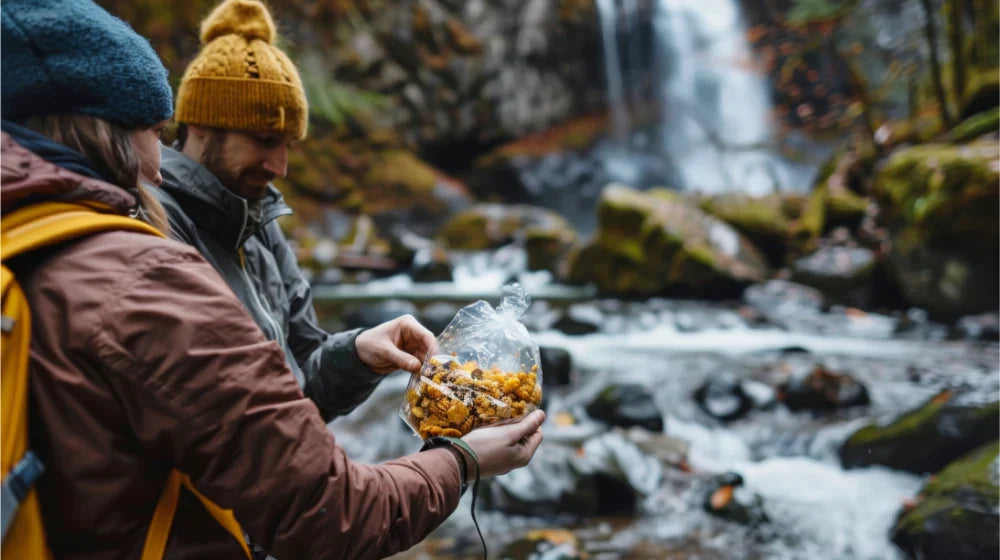
All you need to know about a freeze-dried meal
When planning outdoor adventures, freeze-dried food becomes the ultimate solution, offering lightweight, nutrient-rich meals with an impressive shelf life. Through a moisture-removal process, freeze-dried food retains the taste and nutritional value of fresh food while being easy to store and prepare. Just add water and you have a convenient, delicious meal, ready to fuel your adventure. The Basics of Freeze-Drying Freeze-drying is a highly effective preservation method that removes moisture while retaining the nutrition and flavor of a freeze-dried meal. This process significantly extends shelf life, making freeze-dried food ideal for outdoor adventurers. What is Freeze-Dried Food? Freeze-dried meals are products that have been dehydrated through a process of freezing and sublimation. This method preserves texture, taste, and nutritional value. By removing moisture while the food remains frozen, it avoids the common shrinkage and hardening of conventional drying methods. The result is a lightweight, stable product that can last for years if stored correctly. The Freeze-Drying Process The freeze-drying process begins by freezing the food to extremely low temperatures, typically between -30°F and -50°F. The next step is sublimation, where the frozen water in the food goes directly from a solid to a gaseous state in a vacuum chamber, bypassing the liquid phase. Maintaining low pressures during this phase is essential to prevent melting and ensure the preservation of the food's structure and nutrients. Finally, a secondary drying phase removes any remaining moisture, leaving the food lightweight and stable. Check out our guide to learn more about the complete freeze-drying process for a meal. Uses and Applications of Freeze-Dried Meals Freeze-dried food is flexible and widely used in various sectors due to its lightness, durable qualities, and nutrient-retention capabilities. It is popular for outdoor activities like camping, essential for space missions, and a reliable option for emergency preparedness. In addition, it is used in the pharmaceutical industry to preserve sensitive materials and is convenient for home kitchens, making it a practical solution in everyday life and specialized fields. Feel free to inquire about the uses of freeze-dried foods. The History of Freeze-Dried Foods The freeze-drying process dates back to the 15th century when the Incas used natural methods in the Andes to preserve food. However, the modern technology of freeze-dried food was developed during World War II to preserve blood plasma and later extended to food preservation. Therefore, if one wonders when and who invented freeze-dried foods, it is a combination of ancient ingenuity and modern science. The Benefits of Freeze-Dried Foods Freeze-dried dishes offer a range of benefits, including an extended shelf life and impressive nutritional retention. These aspects make them ideal for long-term storage and emergency preparedness. Extended Shelf Life One of the main advantages of freeze-dried meals is their long shelf life. By removing up to 99% of moisture, they become highly resistant to spoilage and can last for months or even years. The absence of water significantly reduces the risk of bacterial growth, making these foods ideal for emergency kits and long-term storage solutions. Since they do not require refrigeration, you can store them in various environments, saving space in your freezer. Check out our detailed guide and learn how long freeze-dried foods last. Nutritional Retention of a Freeze-Dried Meal A freeze-dried meal retains most of its essential nutrients, including delicate vitamins like A and C, making it a healthy option for long-term storage. The freeze-drying process preserves taste, texture, and nutritional value, maintaining the food's original form and concentrating flavors. A freeze-dried dish is therefore suitable for various recipes, from snacks to full meals, without compromising on quality. In addition to an extended shelf life and nutritional retention, freeze-dried food offers many incredible benefits. Check out our blog post to discover all the benefits of freeze-dried foods. Types of Freeze-Dried Products Freeze-drying is a popular choice for preserving a wide range of products. It helps retain flavor and nutritional value while significantly extending shelf life. You'll find a variety of freeze-dried fruits, vegetables, snacks, and desserts that meet both practical preservation needs and gourmet cravings. Fruits and Vegetables Freeze-dried fruits like strawberries and bananas, as well as vegetables like peas and bell peppers, retain their flavor, nutrients, and crunch, making them perfect for snacking or adding to meals like cereals, soups, and salads. Their lightness and long shelf life make them ideal for camping, emergency preparedness, or long-term storage. Whether used in cooking or as snacks, freeze-dried vegan meals offer convenience and nutrition when fresh options are unavailable. Snacks and Desserts A range of vegan snacks and desserts are also freeze-dried, offering tasty options for those with a sweet tooth. Freeze-dried vegan desserts such as coconut bites and fruit smoothie bars allow you to enjoy these treats without refrigeration. They retain their vibrant flavors and satisfying textures after rehydration, making them a delicious plant-based pleasure. In the snack category, freeze-dried fruit and vegetable chips are very popular. They offer a crispy and flavorful option that is both nutritious and satisfying. These snacks are perfect for quick meals, and their lightness makes them easy to carry. Need freeze-dried food for your next adventure? Ready for lightweight, nutritious meals that last? Explore our selection of freeze-dried meals and stock up on quality, fresh-tasting products, anytime, anywhere! How to Prepare Freeze-Dried Foods? Preparing freeze-dried foods involves rehydrating them for consumption, understanding the DIY freeze-drying processes, and using the right equipment for home freeze-drying. This practice helps preserve food longer and maintain its quality. How to Prepare Freeze-Dried Meals (Rehydration Methods) Preparing a freeze-dried dish is incredibly simple and convenient, making it a perfect option for outdoor adventurers and emergency situations. The process generally involves rehydrating the food with water to restore its original taste and texture. Here are the 5 steps to effectively freeze-dry food: Boil water: Heat the necessary amount of water according to the package instructions. Hot water speeds up the rehydration process for most meals. Pour water over the meal: Slowly pour hot water into the freeze-dried meal pouch or bowl, ensuring all parts of the food are evenly covered. Stir the food: Stir the food well to ensure even distribution of water, making sure all parts begin to absorb moisture. Close or cover the container: After adding water, reseal the pouch or cover the bowl to trap steam and facilitate the rehydration process. Let it sit for the recommended time (usually 8 to 12 minutes). Check and enjoy: Open the container, stir the meal one last time, and check that it has reached the desired consistency. If the food is fully rehydrated, it’s ready to eat! With these simple steps, you can enjoy a tasty and nutritious meal in just minutes, whether you're on the trail or at home. A freeze-dried dish is quick, hassle-free, and perfect for any situation requiring an easy-to-prepare option. If you're planning an adventure or just looking for information, we have a dedicated blog post on how to rehydrate freeze-dried foods. DIY Freeze-Drying Steps Creating freeze-dried dishes at home involves a series of steps. Start by freezing the food to a temperature of at least -30°F. This first step can be done in a regular home freezer, but a specialized freeze-drying machine yields better results. After freezing, use a vacuum pump to lower the pressure and facilitate the sublimation of the ice. Completing the process requires patience, but it offers notable advantages for DIY enthusiasts. Freeze-Drying Equipment When heading into the wilderness, having the right freeze-drying equipment is essential for storing and preparing freeze-dried backpacker meals. Portable tools such as vacuum sealers, Mylar bags, oxygen absorbers, and compact stoves ensure fresh and easy-to-carry meals, while accessories like collapsible kettles, resealable pouches, and silica gel packets facilitate rehydration. Equipping yourself with these tools ensures you have reliable and nutritious freeze-dried meals throughout your journey, making outdoor adventures more enjoyable. Comparison with Other Preservation Methods When comparing food preservation methods, you will find that freeze-dried dishes have distinct advantages and challenges compared to methods such as dehydration and canning. Each method affects food quality, shelf life, and nutrient retention in its own unique way. Freeze-Drying vs. Dehydration Dehydration and freeze-drying are common food preservation methods, but they differ significantly. Dehydration removes 80 to 95% of moisture using heat, which can lead to a loss of nutrients and flavors, although it is a cheaper and more accessible option for home use. Freeze-drying, on the other hand, uses a cold vacuum process to remove 98 to 99% of moisture, which better preserves nutrients, flavor, and texture, and offers a shelf life 7 to 8 times longer. While freeze-dried dishes are more expensive, their superior quality and resistance to spoilage make them ideal for long-term storage and outdoor adventures. Both methods benefit from oxygen absorbers to extend shelf life, but a freeze-dried meal, with its low moisture content, offers better resistance to spoilage. Check out our detailed blog to learn more about freeze-dried vs. dehydrated meals and choose what suits you best. Freeze-Dried Foods vs. Canned FoodsWhen it comes to preserving food for long-term storage or outdoor adventures, freeze-dried meals and canned foods are two popular options. Understanding the differences between these methods can help you choose the best solution for your needs. Criteria Freeze-dried foods Canned foods Preservation method Removes moisture through sublimation, thus preserving food. Preserved using heat and pressure, often with liquids Taste and texture Maintains original taste and texture May contain added preservatives or salt, altering the taste. Additives/preservatives Generally none required Often contains preservatives or salt Weight Lightweight due to moisture removal Heavier due to liquid retention Shelf life 25-30 years with proper storage 1-5 years depending on food type Nutritional value Retains most nutrients and flavors Loss of nutrients due to heating Portability Very light and easy to pack Heavier, less practical for long-distance transport Convenience Quick rehydration with water Ready to eat, but may require heating Both freeze-dried meals for hikers and canned foods offer unique advantages, from their long shelf life to their convenience. Your choice will depend on whether you prioritize portability and nutrition or prefer ready-to-eat meals with minimal preparation. Environmental and Economic Impact of Freeze-dried Foods From an environmental perspective, freeze-drying can contribute to sustainable development by reducing food waste. Preserving food through freeze-drying allows for longer storage times, which can lead to a decrease in spoilage and waste, both at the consumer and retailer level. Research indicates that frozen foods, including freeze-dried products, can reduce household food waste by 47% compared to fresh produce(Martindale & Schiebel, 2017; Martindale, 2016). This reduction is crucial for addressing the global food waste crisis, which has significant environmental consequences, including increased greenhouse gas emissions from food decomposition(Martindale & Schiebel, 2017; Martindale, 2016). From an economic perspective, freeze-drying is recognized as a more energy-intensive process than conventional drying methods, consuming approximately 20-25% of the total energy used in the food industry(Merone et al., 2020). However, the high quality of freeze-dried products and their extended shelf life can justify the initial energy costs. The process yields products with lower density and higher rehydration rates, which improves consumer acceptability and marketing opportunities(Rayaprolu, 2015; Oyinloye & Yoon, 2020). Check out our detailed blog post to learn more about the environmental and economic impact of freeze-dried foods. Frequently Asked Questions Choosing a freeze-dried meal requires understanding its benefits and considering factors such as nutritional value, shelf life, and the possibility of using DIY methods. It's important to know if all foods can be freeze-dried and what to look for when buying these products. What are the advantages of choosing freeze-dried foods? Freeze-dried foods are lightweight and portable, making them ideal for camping, hiking, and emergency storage. They retain much of their original flavor, texture, and nutritional value. These foods require minimal preparation, as often only water is needed to rehydrate them, making them even more convenient. How does the freeze-drying process affect the nutritional value of food? Freeze-drying can preserve up to 98% of the nutrients in food. By removing moisture without using heat, the process preserves nutrients, making it one of the best preservation methods compared to canning or dehydrating, where some nutrients are often lost. What criteria should be considered when choosing a brand of freeze-dried foods? Look for transparency in ingredient lists, ensuring there are no additives or preservatives. Consider the shelf life, as some foods may last longer than others. Evaluate customer reviews and check if the brand prioritizes maintaining flavor and nutritional content. The packaging method is also important for maintaining product quality. Can any type of food be freeze-dried, or are there limitations? Most fruits, vegetables, and meats can be freeze-dried. However, some high-fat foods, such as avocados or peanut butter, do not freeze-dry well due to their oil content, which reduces their shelf life or compromises their texture. Freeze-drying is better suited for foods whose flavor and consistency do not depend on fats. What is the shelf life of freeze-dried food products? Shelf life can vary depending on the type of food. For example, freeze-dried fruits such as berries and stone fruits can last 15-20 years under optimal storage conditions. For optimal quality, they should be stored for up to 12 years. Always consult the product packaging for accurate shelf life information. How do home freeze-drying methods compare to commercial techniques? Home freeze-drying can be more accessible and affordable thanks to modern appliances, but commercial methods generally yield more consistent results with professional-grade equipment. Quality and shelf life may vary, but home methods allow for greater control over ingredients and customization to individual dietary preferences. Conclusion Freeze-dried foods are the ideal solution for adventurers and emergency preparers, as they are both practical and nutritious. Their lightness and long shelf life make them ideal for hiking, camping, or storage for later use, with a variety of options from fruits to complete meals. With freeze-dried foods, you can retain essential nutrients and enjoy tasty meals, wherever your adventures take you. Are you vegan and want to try vegan freeze-dried meals on your next adventure? Visit our store! Need freeze-dried food for your next adventure? Ready for lightweight, nutritious meals that last? Explore our selection of freeze-dried meals and stock up on quality products with fresh taste, anytime, anywhere! References Andrade, M., Filho, J., Rodrigues, É., Pereira, M., Silva, A., & Mello, S. (2022). Development of freeze-dried products based on frog meat for special diets: microbiological and sensory characteristics. Revista Ciência Agronômica, 53. Link here Bhatta, S., Janežić, T., & Ratti, C. (2020). Freeze-drying of plant-based foods. Foods, 9(1), 87. Link here Dziki, D., Polak, R., Rudy, S., Krzykowski, A., Gawlik-Dziki, U., Różyło, R., ... & Combrzyński, M. (2018). Simulation of process kinetics and analysis of physicochemical properties in freeze-drying of kale. International Agrophysics, 32(1), 49-56.Link here Karwacka, M., Gumkowska, M., Rybak, K., Ciurzyńska, A., & Janowicz, M. (2021). Impact of sodium alginate and dried apple pomace powder as carrier on properties of freeze-dried vegetable snacks. Polish Journal of Food and Nutrition Sciences, 451-461. Link here Karwacka, M., Rybak, K., Sergiy, S., Galus, S., & Janowicz, M. (2022). Analysis of selected functional properties, resource demands, and energy consumption of freeze-dried vegetable snacks. Journal of Food Processing and Preservation, 46(7). Link here Martindale, W. (2016). The potential for food preservation to reduce food waste. Proceedings of the Nutrition Society, 76(1), 28-33. Link here Martindale, W., & Schiebel, W. (2017). The impact of food preservation on food waste. British Food Journal, 119(12), 2510-2518. Link here Merone, D., Colucci, D., Fissore, D., Sanjuán, N., & Cárcel, J. (2020). Energy and environmental analysis of ultrasound-assisted atmospheric freeze-drying of food. Journal of Food Engineering, 283, 110031.Link here Oyinloye, T., & Yoon, W. (2020). Effect of freeze-drying on quality and grinding process of food products: a review. Processes, 8(3), 354. Link here Rayaprolu, S. (2015). Physical and textural attributes of freeze-dried genetically modified and non-genetically modified soy beans. Journal of Food and Nutrition Sciences, 3(3), 119. Link here Çorapçı, B., & Güneri, N. (2020). Comparative evaluation of nutritional composition and physicochemical properties of fresh, freeze-dried, and rehydrated minced rainbow trout (oncorhynchus mykiss walbaum, 1792). Food Science and Technology, 40(suppl 1), 163-169. Link here
Sylvain Karpinski
•
Sep 25, 2024

Join the SLY community
Discover our new products, adventure tips, and exclusive offers.