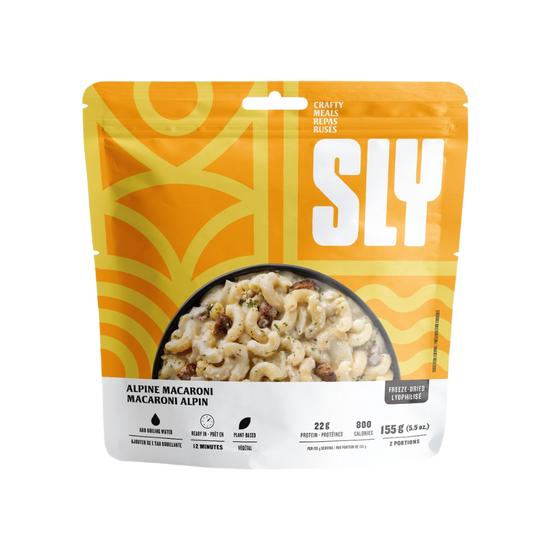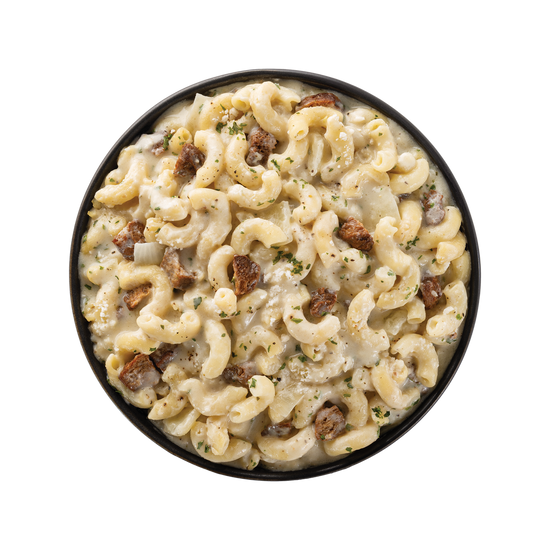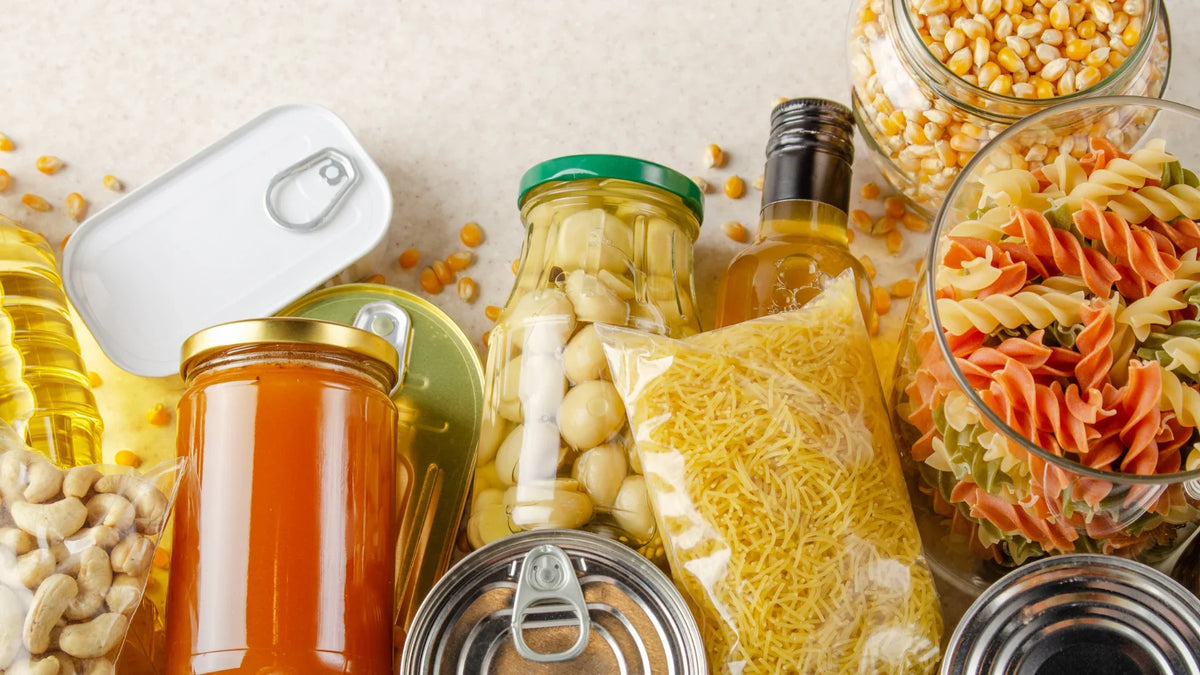
A prolonged power outage, winter storm, or natural disaster can quickly disrupt access to food and drinking water. Having an emergency food supply at home allows you to cope with unexpected events without immediately depending on stores or essential services.
But what foods should you keep in case of emergency? How much food should you plan for three days? And how to build a food supply that lasts a long time?
In Canada, authorities recommend being able to meet your basic needs for at least 72 hours. For food, this means planning enough drinking water and non-perishable foods, ideally easy to consume without electricity or cooking equipment.
Here are the essential foods to keep in your pantry, the quantities to plan and our tips for preparing an emergency food supply tailored to your needs.
What are the essential foods to have in case of emergency?
The best emergency foods are those that last a long time, provide enough energy and require little preparation.
In an emergency, it is particularly important to be able to rely on foods that require neither refrigeration nor cooking. Canned goods, dried fruits, nuts, cereals and freeze-dried meals are all interesting options.
List of emergency foods to keep at home
| Foods | Why choose them? | Preparation |
|---|---|---|
| 1. Drinking water | Essential for drinking, preparing meals and ensuring hygiene. | Ready to consume |
| 2. Canned legumes | Beans, lentils and chickpeas provide protein, fiber and carbohydrates. | Can be eaten cold |
| 3. Canned vegetables | Allow you to vary meals and provide different nutrients. | Ready to consume |
| 4. Canned fruits and fruit cups | Practical for completing a meal or a snack. | Ready to consume |
| 5. Nuts and seeds | Concentrated sources of energy and fats. | No preparation |
| 6. Nut butters | Easy to spread and energetic. | No preparation |
| 7. Dried fruits | Raisins, dates and apricots provide a quick source of energy. | No preparation |
| 8. Crackers and rusks | Practical to accompany canned goods or spreads. | No preparation |
| 9. Energy bars | Easy to transport, store and consume. | No preparation |
| 10. Cereals and oatmeal | Sources of carbohydrates for breakfasts and snacks. | Depending on the product |
| 11. Rice, pasta and quinoa | Economical and versatile bases for making meals. | Cooking required |
| 12. Canned soups and meals | Simple solutions to get a meal without cooking. | Often consumable cold |
| 13. Long-life plant-based drinks | Useful for cereals, drinks and certain recipes. | Ready to consume before opening |
| 14. Freeze-dried fruits and vegetables | Light, compact and easy to store. | Depending on the product |
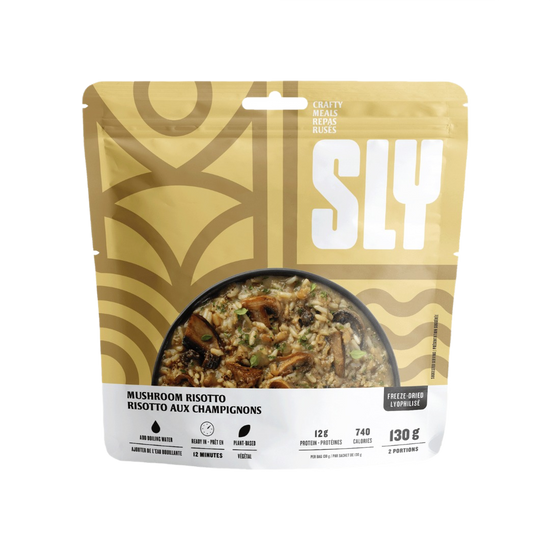
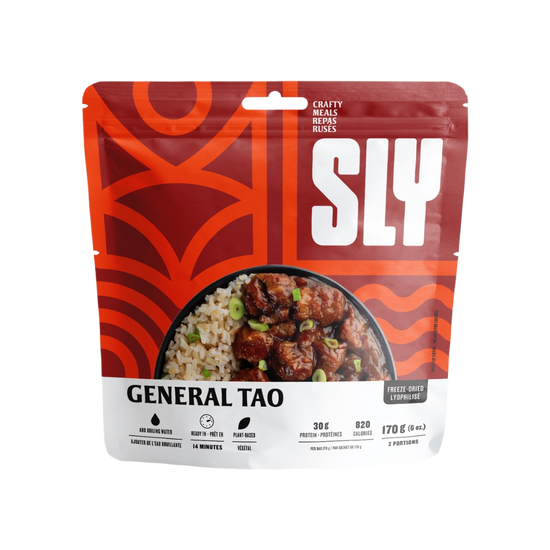
| 15. Freeze-dried meals | Complete meals easy to store and quick to prepare. | Drinking water and generally hot water |
Our advice: combine several food categories rather than relying on a single type of food. Canned goods and ready-to-eat snacks are particularly useful if you have neither electricity nor a way to heat water. Freeze-dried meals complete your supply when you have the water and equipment necessary to prepare them.

How much food and water should you plan for 72 hours?
An emergency food supply should allow each person to eat and stay hydrated for at least three days.
How much water should you store?
Health Canada also recommends planning, if possible, up to 2 additional liters per person per day for food preparation and hygiene.
| Number of people | Basic supply for 72h | With extra water for cooking and hygiene |
|---|---|---|
| 1 person | 6 liters | 12 liters |
| 2 people | 12 liters | 24 liters |
| 3 people | 18 liters | 36 liters |
| 4 people | 24 liters | 48 liters |
These quantities are preparation guidelines. Adapt them to the needs of your household, the heat, your state of health and the presence of children or animals.
If you plan freeze-dried meals, do not forget to include the water necessary for their rehydration in your calculations.
How many meals should you plan?
To build a 72-hour emergency food supply, start by planning three meals per day per person, to which you will add snacks.
For a family of four, this represents:
- 12 breakfasts
- 12 lunches
- 12 dinners
- Snacks and extra food according to everyone's needs.
However, counting portions is not enough. Also check their energy and nutritional value. A light soup, for example, does not necessarily replace a full meal.
Prioritize a mix of carbohydrates, proteins and fats to get filling meals.
Example of an emergency food supply for three days
Don't know where to start? Here is a menu example for one person, to adapt according to your dietary preferences and energy needs.
| Breakfast | Lunch | Dinner | |
|---|---|---|---|
| D1 | Cereals, long-life plant-based drink and dried fruits | Canned chickpeas, crackers and canned vegetables | Canned beans, long-life tortillas and fruit cup |
| D2 | Energy bars, nuts and dried fruits | Peanut butter toast and canned fruits | Freeze-dried meal, with drinking water and heating method |
| D3 | Oatmeal with freeze-dried fruits | Canned lentil salad and crackers | Rice and canned vegetables, with a safe cooking source |
Add snacks to complete the energy intake of each day.
This example allows you to alternate between ready-to-eat meals and preparations that require hot water or cooking.
Important: always plan enough foods that can be consumed without cooking to cope with a power outage or the inability to use a stove. A camping stove or barbecue should never be used indoors to avoid the risk of carbon monoxide poisoning.
How to build an emergency food supply?
Preparing a survival food supply does not necessarily mean buying large quantities of specialized foods.
Most essential products are already found at the grocery store. The goal is to gradually build a practical, varied supply adapted to your daily life.
1. Start with a 72-hour supply
Before thinking about several weeks of autonomy, prepare a supply that covers the basic needs of your household for three days.
Choose foods that you like and know how to prepare. You will thus have more ease in integrating them into your usual meals and renewing your stock.
2. Prioritize non-perishable foods
A non-perishable food can generally be stored at room temperature before opening, without refrigeration.
Canned goods, dry pasta, rice, cereals and certain freeze-dried meals are part of the possible options.
This does not mean they last indefinitely. Their shelf life depends on their composition, their packaging and storage conditions.
3. Plan for no-cook foods
In case of a power outage, your oven, your stove or your microwave could be unusable.
To avoid depending solely on meals to prepare, keep ready-to-eat foods, such as canned legumes, dried fruits, nuts and energy bars.
If you have backup cooking equipment, check that it can be used safely in the intended conditions.
4. Take into account dietary needs
Allergies, intolerances and special diets must be taken into account before an emergency situation.
For example, a person who avoids gluten could prioritize certain legumes, rice or meals specifically identified as gluten-free.
People with special medical needs should also plan the foods adapted to their health recommendations.
Also think about infants, children and pets, who may need specific supplies.
5. Store and renew your supplies correctly
Keep your foods in a cool, dry place away from light, ideally in their original packaging.
To avoid waste, apply the first in, first out method: consume the oldest products and replace them with recent products.
Check your supply at least once a year, especially the packaging, the indicated dates and the condition of the stored water.
The Government of Quebec also recommends reviewing the contents of your emergency kit annually.

Why include freeze-dried meals in your emergency supply?
Canned goods and dry foods make an excellent base for a food supply. But freeze-dried meals can offer an additional advantage: having cooked, compact meals that are easy to store for several years.
A long shelf life
Freeze-drying is a process that consists of freezing foods, then removing a large part of their water under vacuum.
By limiting the amount of water available, this process helps prolong their shelf life.
Unlike fresh foods, freeze-dried meals do not need to be refrigerated before opening, provided you follow the manufacturer's recommendations.
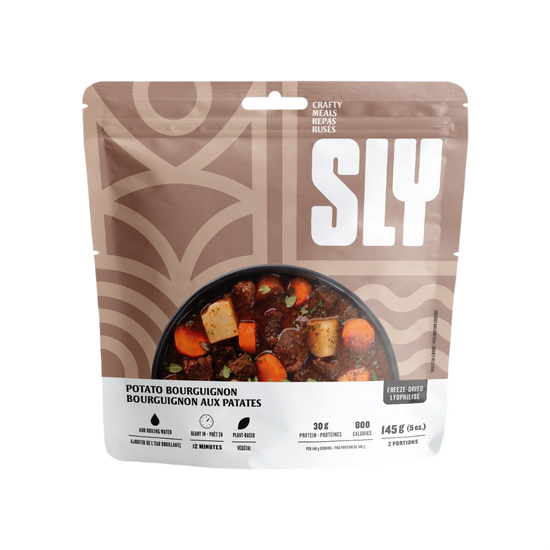
At SLY, freeze-dried meals can last up to 5 years without refrigeration, in a cool and dry place.
This allows you to build a supply of ready-to-prepare meals without having to constantly renew your stocks.
To better understand this preservation method, discover how freeze-drying works.
Light and compact meals
By removing a large part of the water contained in the foods, freeze-drying considerably reduces their weight.
Meals thus occupy relatively little space, which makes them interesting for small homes, cottages, recreational vehicles and evacuation kits.
They are also practical when you need to transport your food, especially on hikes or camping.
Simple preparation
Freeze-dried meals offer the possibility to prepare a full meal without having to cook several ingredients separately.
At SLY, recipes are cooked before being freeze-dried. You then just need to add the amount of hot water indicated on the packaging, mix and let the meal rehydrate.
This simplicity can be appreciated when cooking possibilities are limited.
Attention: freeze-dried meals do not replace drinking water supplies. Make sure you have enough water and a safe way to heat it.
A nutritious and varied option
Freeze-drying helps preserve many nutrients and the taste qualities of food.
However, the nutritional value of a meal depends mainly on its recipe: the amount of protein, carbohydrates, and fat, and the total energy intake.
Before adding a freeze-dried meal to your emergency supply, consult its nutritional table and check that it meets your needs.
At SLY, recipes based on vegetables, legumes, grains, and plant-based proteins allow you to vary your meals while benefiting from the convenience of freeze-dried foods.
Canned, dehydrated, or freeze-dried foods: which should you choose?
There are several ways to store food for a long time. Each method has advantages depending on your budget, available space, and preparation facilities.
| Criterion | Canned foods | Dehydrated foods | Freeze-dried meals |
|---|---|---|---|
| Storage | Long, depending on the product | Long, depending on the product and packaging | Long, depending on the product and packaging |
| Refrigeration before opening | No, for long-life canned goods | Generally no | No |
| Weight | Relatively heavy | Light | Very light |
| Preparation | Often ready to eat | Variable, sometimes cooking required | Generally rehydration |
| Water needed for preparation | Often none | Variable | Yes |
| Cost | Generally affordable | Variable | Often higher |
| Main advantage | Self-sufficiency without cooking | Storage of dry products | Convenient and compact meals |
The best choice is to combine several types of food.
Canned goods and ready-to-eat products offer a reliable solution when electricity or drinking water is limited.
Dehydrated foods allow you to store versatile ingredients.
Freeze-dried meals, meanwhile, make it easier to prepare complete meals when the necessary resources are available.
Would you like to learn more about the subject? Check out our article on the differences between freeze-dried and dehydrated foods.
Which freeze-dried meals should you choose for an emergency food supply?
To build an emergency food supply, choose nutritious meals that are easy to prepare and that you will actually want to eat.
At SLY, several recipes can suit different tastes and dietary needs.
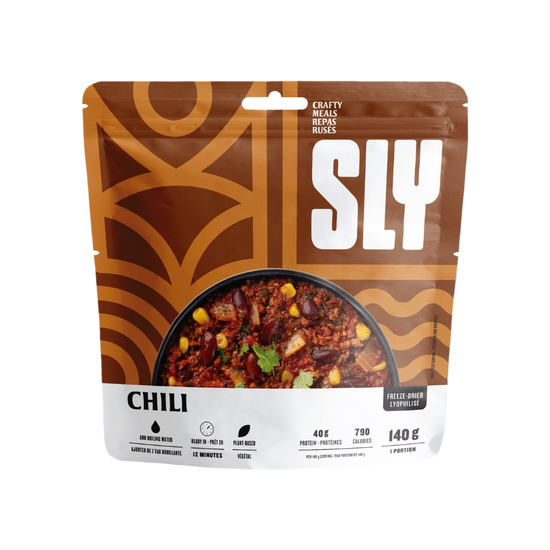
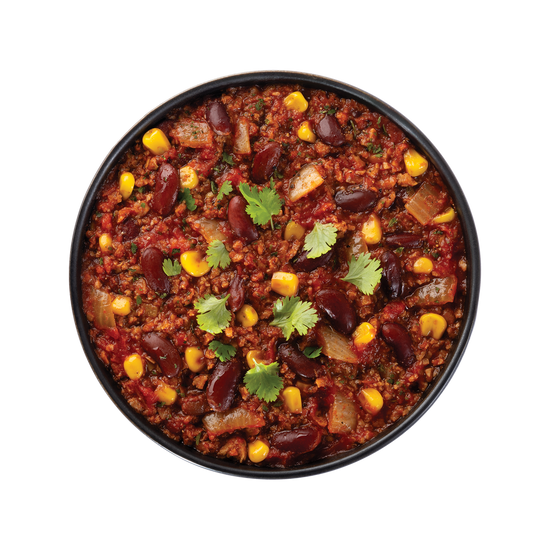
Chili is a filling option, based on legumes, ideal when you want a high-protein meal.
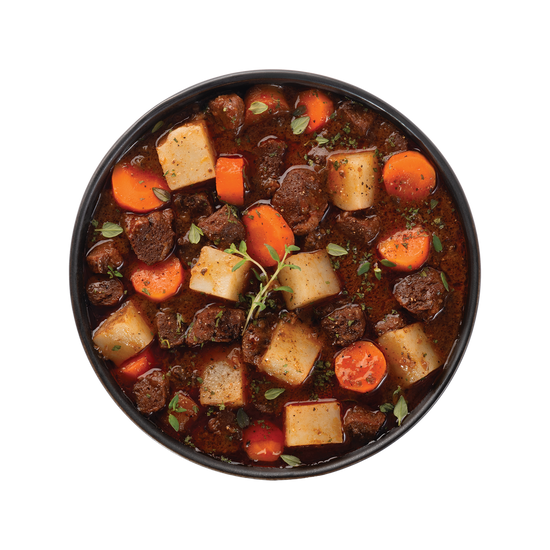
Beef Bourguignon with potatoes offers a comforting alternative with potatoes, mushrooms, and slow-cooked flavors.
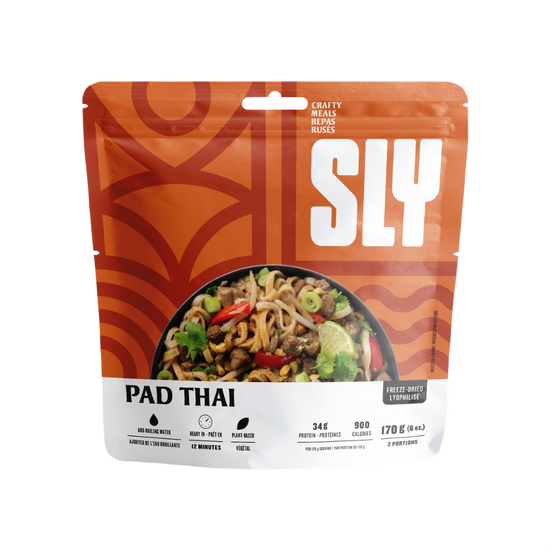
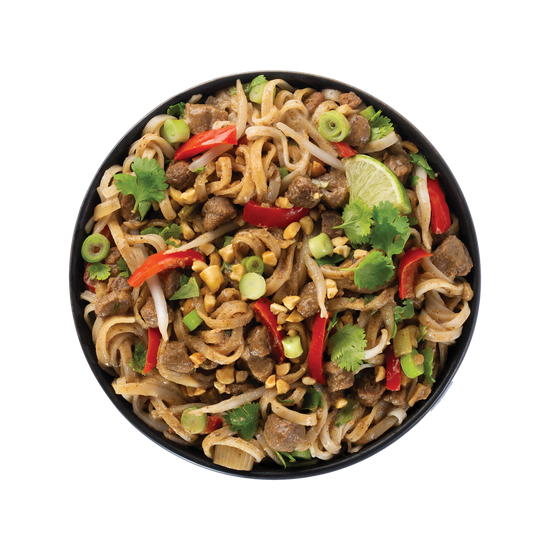
Pad Thai allows you to vary your meals with a recipe inspired by Asian cuisine.
These meals can be stored at home for emergencies, but can also be used on camping trips, hikes, or at the cottage.
The advantage of such a supply is that it is not only used for emergencies: you can also incorporate these meals into your daily life and gradually replace the ones you consume.
Discover SLY freeze-dried meals
How to store your food in case of a power outage?
A power outage can compromise the storage of fresh and refrigerated foods.
According to Health Canada, a refrigerator that remains closed generally keeps food cold for about four hours. A full freezer can keep food frozen for about 48 hours, compared to 24 hours for a half-full freezer. These times vary depending on conditions.
To limit food waste, keep the refrigerator and freezer doors closed as much as possible.
If the outage lasts longer, choose non-perishable foods from your supply. Do not consume potentially dangerous foods by relying solely on their smell or appearance.
This is precisely the type of situation where a supply consisting of canned goods, snacks, and long-life meals becomes particularly useful.
Frequently asked questions about emergency foods
What are the best survival foods?
The best survival foods are those that store for a long time, provide enough energy, and require little preparation. Canned legumes, nuts, dried fruit, energy bars, and freeze-dried meals are good options. Ideally, combine several categories.
What food should you store for 72 hours?
For a 72-hour supply, plan enough food to cover three meals a day per person, as well as snacks. Choose non-perishable foods, a good portion of which can be eaten without cooking. Add at least 6 liters of drinking water per person, and more depending on preparation and hygiene needs.
Which foods store the longest?
Dry cereals, legumes, certain canned goods, and freeze-dried foods can be stored for long periods. However, their actual shelf life varies depending on the ingredients, packaging, and storage conditions. Always consult the manufacturer's instructions.
Can you eat freeze-dried meals without electricity?
Yes, if you have drinking water and a safe way to heat it when the instructions require it. Freeze-dried meals do not need electricity to be stored. However, their preparation generally requires hot water. They should therefore be accompanied by ready-to-eat foods in an emergency supply.
Where to store your emergency food supply?
Choose a dry, cool, and easily accessible place, away from direct light and significant temperature fluctuations. Avoid flood-prone areas and regularly check the condition of the packaging. Also keep a portion of your kit easily portable if you need to evacuate.
Should you plan a food supply for more than 72 hours?
Three days is a recommended baseline by Canadian authorities. If you have enough space and resources, a larger supply can be useful, especially in remote regions or those exposed to prolonged interruptions of essential services.
Prepare your food supply before you need it
Good preparation starts with simple steps: store enough drinking water, choose non-perishable foods, and plan meals suited to your household's needs.
Canned goods, cereals, nuts, and dried fruit make up an accessible and affordable base. In addition, freeze-dried meals allow you to have cooked, nutritious, and easy-to-store meals on hand.
The main thing is not to accumulate as much food as possible, but to build a diversified supply, suited to your needs and easy to replenish.
Whether to deal with a power outage, prepare for a trip to the cottage, or simply gain peace of mind, a few well-chosen provisions can make all the difference.
Stock up on SLY freeze-dried meals
Sources and references
To learn more about the subject and help you prepare your emergency food supply, here are some official resources:
- Government of Quebec — Create your family emergency plan and emergency kit
- Government of Quebec — Drinking water contamination or shortage
- Health Canada — Food and drinking water safety in emergency situations