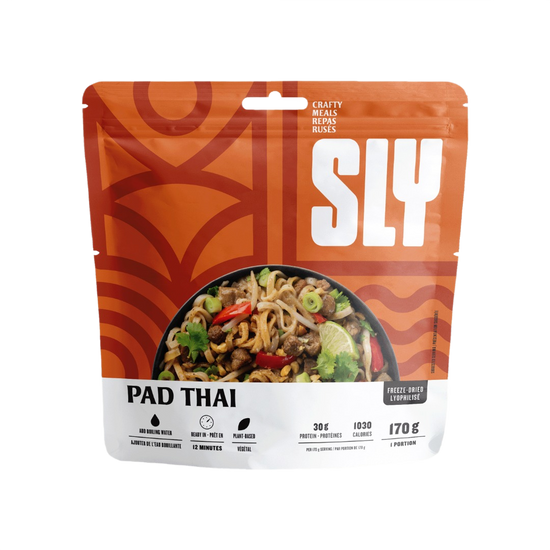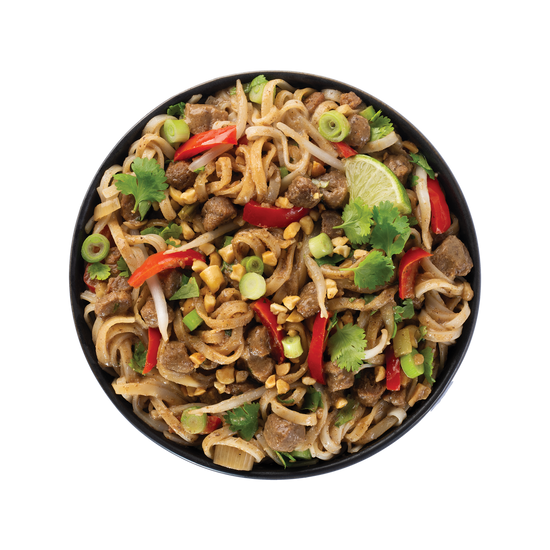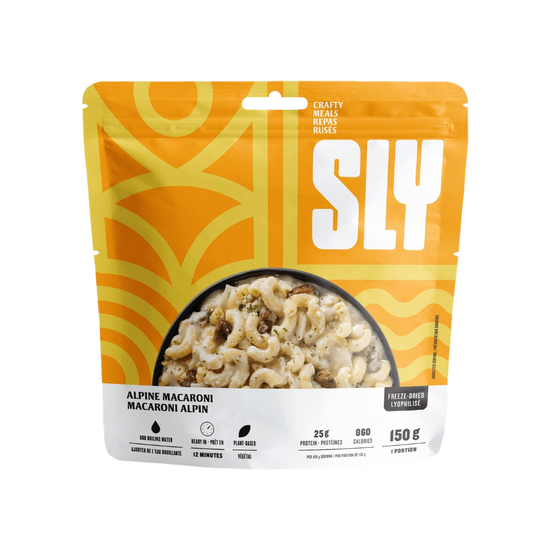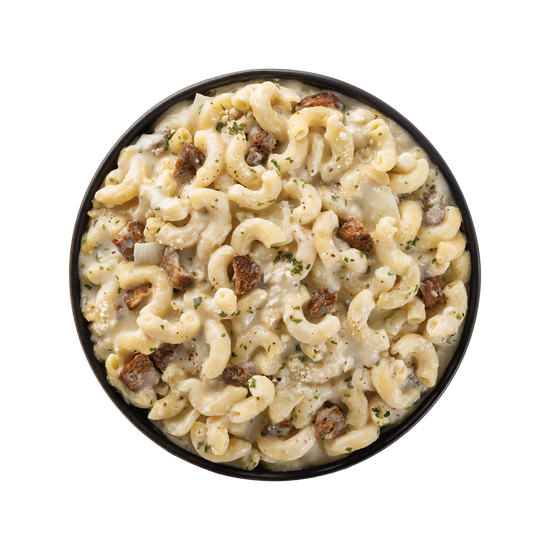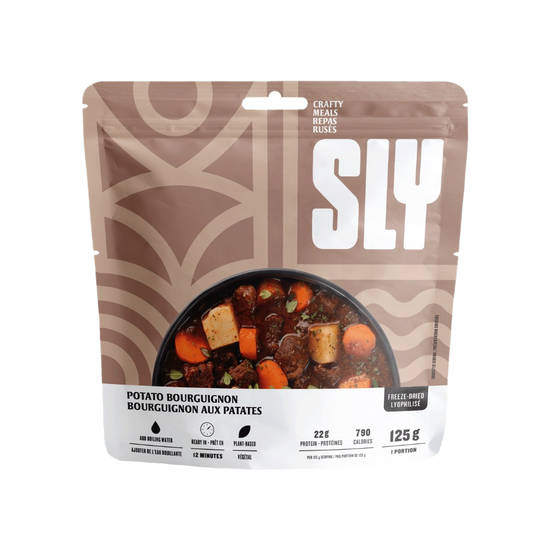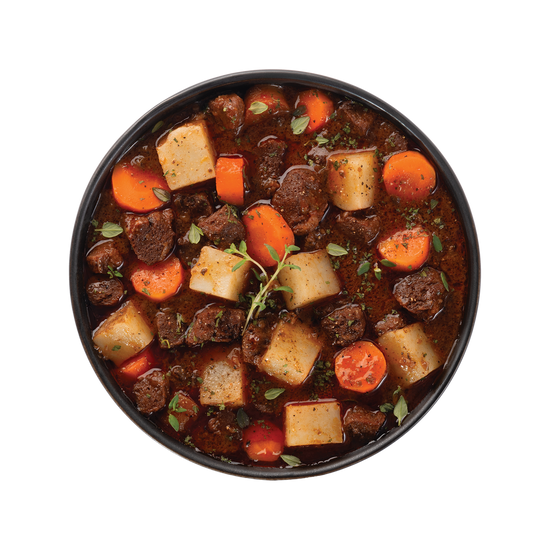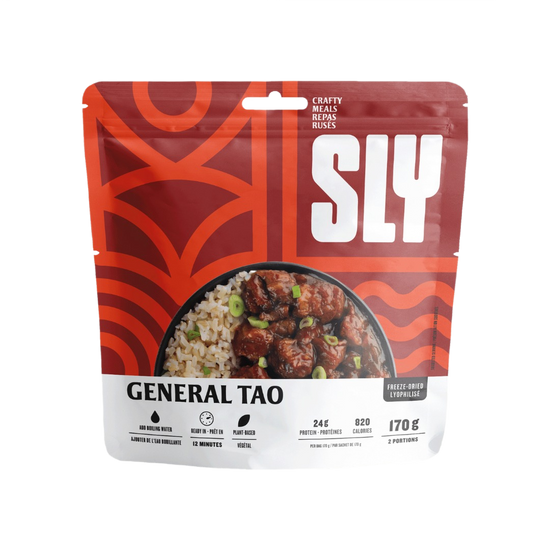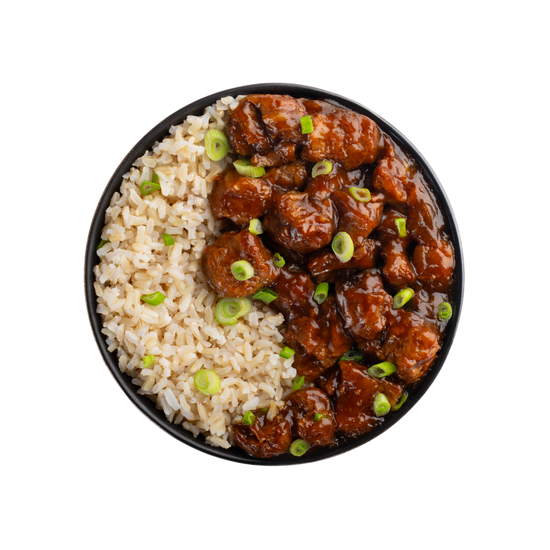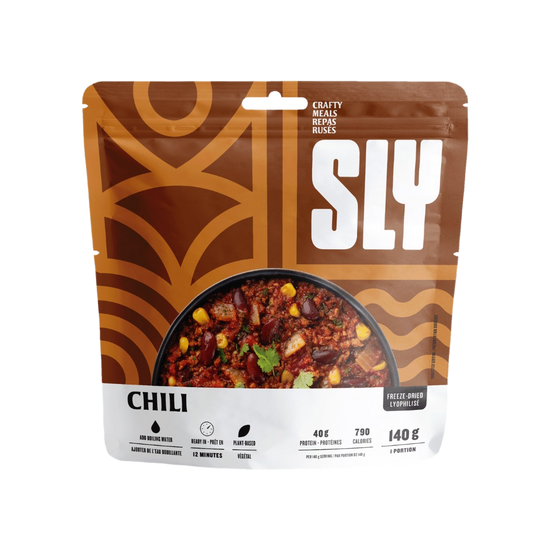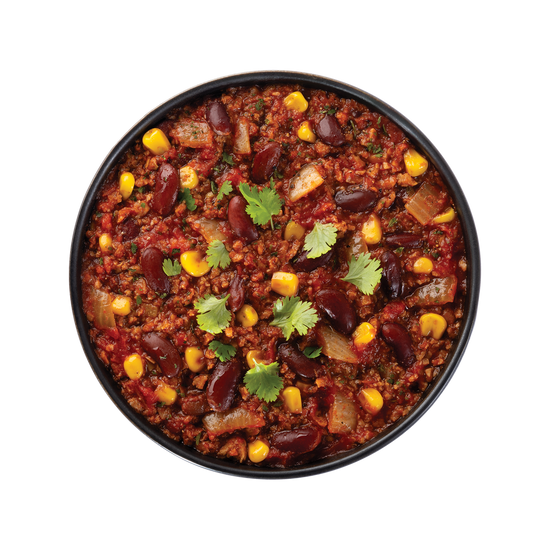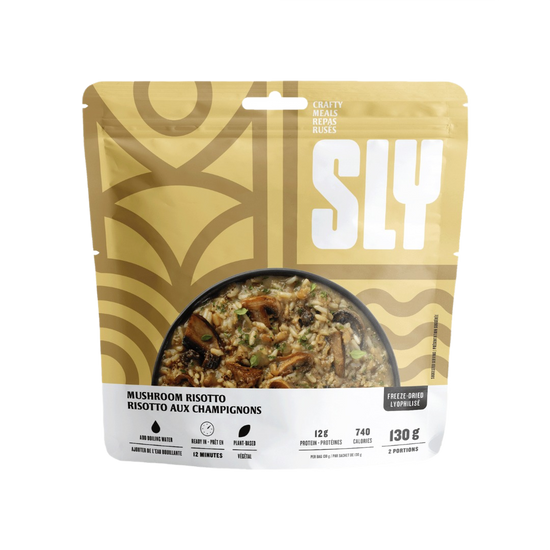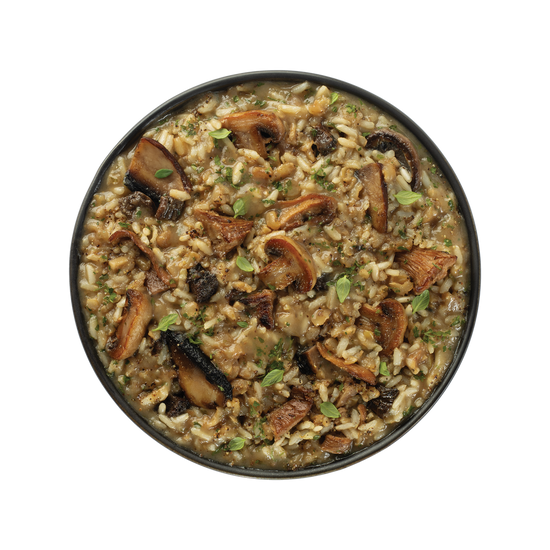
Freeze-dried foods, a concentrated form of flexibility, have become an essential part of modern life due to their unique ability to preserve nutrients while extending shelf life. The uses of freeze-dried foods range from convenient meal preparation for busy individuals to lightweight and durable options for outdoor adventurers and emergency kits. Whether you're looking to stock your pantry with healthy, long-lasting options or simplify your meals, the diverse uses of freeze-dried foods offer unparalleled convenience and flavor, without compromise.
7 Uses for Freeze-Dried Foods
Freeze-dried foods offer flexibility, portability, and a long shelf life, making them a popular choice in various scenarios such as outdoor adventures and emergency preparedness. One of the main uses of freeze-dried foods is their ability to retain most of their nutritional quality and flavor, making them a reliable option in a wide range of contexts.
In the following sections, we will explore the diverse uses of freeze-dried meals and the benefits they can bring to different aspects of daily life.
1. Camping and Outdoor Activities
When camping, you want freeze-dried camping foods that are simple and quick to prepare. Freeze-dried foods allow you to enjoy flavorful dishes without lengthy cooking. By adding hot water directly to the pouch, you can have a satisfying meal in minutes. This convenience means less time spent on meal prep and more time enjoying the outdoors.
You won't have to worry about refrigeration, simplifying your packing list. This is particularly useful in remote areas where access to fresh ingredients may be limited. The compactness of freeze-dried foods also allows you to pack more options for your trip, providing variety without added weight.
2. Freeze-Dried Foods for Hiking
For hikers, freeze-dried foods are invaluable due to their lightweight and compact nature, making them perfect for long treks. They provide essential nutrients and energy without adding extra weight to your gear, and their easy preparation requires minimal equipment. Whether you're on the go or camping, freeze-dried foods for hiking ensure you have a warm, nutritious meal wherever there's water.
3. Sailor's Meals
Sailing presents unique challenges, especially concerning food storage. Freeze-dried foods offer a practical solution as they do not require refrigeration, a significant advantage when power options are limited. Their compact packaging allows for easy storage and use over long periods.
The preservation of taste and nutrients helps maintain a balanced diet, essential for sustained focus and energy at sea. Additionally, their long shelf life reduces the need for frequent resupply, allowing sailors to plan long voyages with peace of mind.
To learn more about food for sailing, check out our guide.
4. Road Trips
Road trips are one of the uses of freeze-dried foods due to their easy storage and quick preparation with hot water. Freeze-dried foods offer a wide variety of meal options, making them perfect for quick stops where kitchens aren't always available. Whether for breakfast, lunch, or dinner, freeze-dried foods provide flexibility, allowing you to enjoy balanced meals without waiting in a restaurant or extensive planning.
Check out our detailed article to learn more about travel foods.
5. Space Missions
Astronauts rely on freeze-dried foods for their durability and efficiency. In the harsh environment of space, space food must be lightweight, compact, and non-perishable, all characteristics of freeze-dried meals. They retain their nutritional value, ensuring astronauts get the vitamins and minerals they need during missions.
6. Freeze-Dried Foods for the Military
The uses of freeze-dried foods in the military are invaluable due to their lightweight nature, long shelf life, and ability to withstand harsh conditions, making them easy to transport during operations. These foods for the military provide essential calories and nutrients for sustained energy and performance, with the added benefit of quick preparation in unpredictable field conditions. This practicality allows soldiers to maintain strength and morale without sacrificing taste or nutrition.
7. Emergency Situations
In emergency situations, access to food that remains viable for long periods is essential. Emergency foods are ideal for emergency preparedness as they do not require refrigeration and can be safely stored for years. This ensures you have a reliable food source in the event of natural disasters or unforeseen circumstances.

Principles of Freeze-Drying
Understanding the basics of freeze-drying is essential to know how this process preserves food. It involves sublimation and two important drying phases to retain the nutritional content and flavor of the product.
What is Freeze-Dried Food?
Freeze-dried food is produced through a process that removes almost all of its water while preserving its nutrients, flavor, and texture. By using sublimation, which transitions water from ice to vapor, this method ensures that essential vitamins and flavors are maintained. The result is lightweight, durable food that does not require refrigeration, making it ideal for various uses of freeze-dried foods, including emergency supplies, outdoor adventures, and long-term storage.
Check out our article to learn more about what a freeze-dried meal is.
Rehydration Process of Freeze-Dried Foods
Rehydrating freeze-dried foods is a simple process that allows the food to return to its original form, texture, and flavor. By following a few simple steps, you can enjoy freeze-dried meals as if they were freshly prepared.
- Choose the right amount: Measure the desired amount of freeze-dried food, as it expands when water is added.
- Add water: Depending on the type of food, add hot water (for meals) or cold water (for fruits and vegetables). Ensure there is enough water for the food to be fully submerged or saturated.
- Let soak: Allow the freeze-dried food to rest for a few minutes while it absorbs the water. Most foods need 8 to 12 minutes to rehydrate completely.
- Stir or fluff: Once the water is absorbed, gently stir or fluff the food to achieve a consistent texture.
- Check consistency: If the food still seems dry or too soft, you can add a little more water and wait a little longer until it reaches the desired consistency.
Rehydrating freeze-dried foods is a quick and convenient way to enjoy fresh-tasting meals that retain their original nutrients, making it one of the most practical uses of freeze-dried foods. Whether you're preparing a meal at home or on the go, rehydrating freeze-dried foods is an easy step to enjoy delicious and nutritious dishes, perfectly illustrating the flexibility of freeze-dried food uses in everyday life.
Check out our guide to learn how to rehydrate freeze-dried foods.
Ready to try our freeze-dried food uses?
Whether for quick meals or outdoor adventures, our vegan freeze-dried options are perfect for all uses. Click to learn more!
Applications of Freeze-Dried Foods
Freeze-dried foods offer unique advantages and flexible uses in various culinary applications. Whether you're preparing vegan stews or snacks, these rehydrated ingredients are convenient and long-lasting without sacrificing nutrition or flavor. In the next section, we'll look at how to use freeze-dried foods in different applications, highlighting their versatility and ease of preparation.
Cooking with Freeze-Dried Ingredients
Using freeze-dried foods in your kitchen enhances flavors and simplifies meal preparation. These ingredients can be quickly rehydrated in vegan stews and soups, giving them a rich, consistent taste. With freeze-dried vegetables, you can easily create hearty dishes without worrying about spoilage. The light weight of these ingredients also makes them ideal for campers and hikers who need convenient meal solutions.
Baking Applications
Freeze-dried fruits bring unique flavors and textures to baking projects. Use them in cakes, muffins, or breads to add bursts of flavor and color. Unlike fresh fruits, they don't add excessive moisture, helping maintain the desired consistency for your baked goods. These fruits can also be ground into a fine powder and used as a natural flavoring or as a coloring agent in doughs and glazes.
Drinks and Smoothies
Enhance your drinks and smoothies with freeze-dried fruits and vegetables. These ingredients blend seamlessly into beverages, offering concentrated flavors while retaining their nutritional benefits. You can easily store and transport these lightweight ingredients, ensuring fresh taste without refrigeration. Add freeze-dried berries to your smoothies for a nutrient boost and unique color.
Snacks and Spice Mixes
Freeze-dried foods are excellent additions to fruit and vegetable mixes and vegan snack recipes. They offer a crispy texture and a natural sweet or savory flavor without the added sugars found in many snacks. These snacks are perfect for a diet, as they provide essential vitamins and minerals in a convenient, non-perishable form.
Long-Term Food Storage
Freeze-dried foods are an effective option for those looking to store food long-term. They can last for months, even years, without losing their nutritional value or flavor, making them suitable for emergency food supplies. Store them in airtight containers to preserve freshness, and you'll have access to nutritious meals when needed.
Benefits for Businesses and Individuals
From commercial kitchens to home kitchens, freeze-dried foods offer practical advantages that meet a wide variety of needs. They reduce waste by allowing you to use only what you need without worrying about spoilage, and they don't require refrigeration, saving energy. Whether minimizing shipping costs in a commercial setting or offering creative options for family cooking, the uses of freeze-dried foods are both flexible and practical for everyday life.

Freeze-Dried vs. Dehydrated Foods: Key Differences and Uses of Each
Freeze-dried and dehydrated foods are two popular preservation methods, but they differ in terms of processing, nutrient retention, and practical use. Understanding these distinctions can help you make the best choice for your needs, whether for long-term storage or an everyday snack.
| Aspect | Freeze-dried meals | Dehydrated foods |
|---|---|---|
| Nutrient Retention | Retains up to 97% of nutrients | Retains 50 to 70% of nutrients |
| Moisture Content | Around 2% | 30-50% |
| Texture and Taste | Rehydrates to resemble fresh food | Texture and taste may be altered |
| Shelf Life | Longer (up to 25 years) | Shorter (1-5 years) |
| Best Use | Long-term storage, emergency kits, camping | Everyday snacks, economical options |
Freeze-dried foods are ideal for long-term storage, emergency kits, and preserving original taste and texture when rehydrated. Dehydrated foods, on the other hand, are a more affordable option for everyday snacks, although their texture and taste may differ from fresh foods.
To learn more about freeze-dried vs. dehydrated foods, see our detailed article.
Frequently Asked Questions
Understanding freeze-dried foods means exploring their storage potential, differences from other preservation methods, and the advantages and disadvantages they offer. This information will help you make informed decisions when considering freeze-dried foods to meet your needs.
How long can freeze-dried foods be stored?
Freeze-dried foods can often be stored for 20 to 30 years under proper conditions. The key to a long shelf life is to keep them in a cool, dry place in sealed packaging to prevent moisture and air exposure.
What are the potential side effects of eating freeze-dried foods?
Generally, freeze-dried foods are safe and retain most of their nutritional value. However, they can be high in sodium if not rehydrated properly, which can impact people with dietary restrictions. It is essential to rehydrate them correctly to preserve their flavor and texture.
Why is freeze-drying considered a beneficial method of food preservation?
Freeze-drying preserves most of the nutritional value and flavor of food because it removes moisture without using high heat. This method preserves vitamins, minerals, and the structural integrity of food, making it an excellent choice for long-term storage and maintaining quality.
What are the main differences between freeze-dried and dehydrated foods?
The main difference lies in water content and preservation method. Freeze-dried foods retain about 1-3% moisture, while dehydrated foods contain 10-20%. Freeze-drying uses sublimation, turning ice directly into vapor, which better preserves flavors and nutrients than dehydration, which uses water evaporation.
Can freeze-dried foods degrade over time and how can their shelf life be maximized?
Yes, freeze-dried foods can degrade if not stored properly. To maximize their shelf life, store them in airtight containers, away from light, heat, and moisture. Oxygen absorbers can also help maintain freshness by reducing oxidation inside the packaging.
What are the disadvantages or limitations of freeze-drying foods?
Freeze-drying can be expensive, both in terms of machinery and energy. Additionally, the process can result in a lighter, chewier texture that may not be desirable for all foods. Some flavors may also become concentrated, affecting the taste after rehydration.
Conclusion
The uses of freeze-dried foods are incredibly flexible, offering convenience and practicality in various situations such as outdoor adventures, emergency preparedness, and long-term storage. Their lightness and ability to retain most of their nutritional value make them a reliable option for those seeking healthy and portable food solutions. Whether you're planning a hike or preparing for emergencies, freeze-dried foods offer an easy-to-store, nutrient-rich option that meets various needs.
Ready to try our freeze-dried foods?
Whether for quick meals or outdoor adventures, our vegan freeze-dried options are perfect for all uses. Click to learn more!