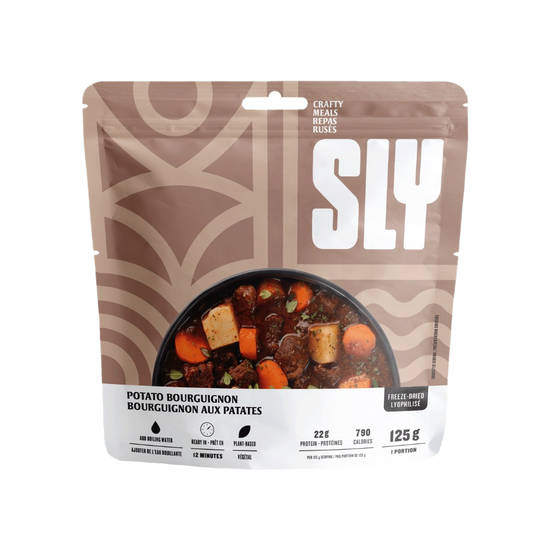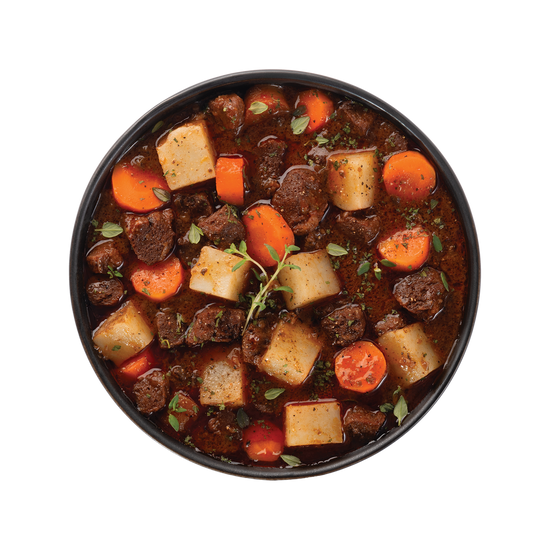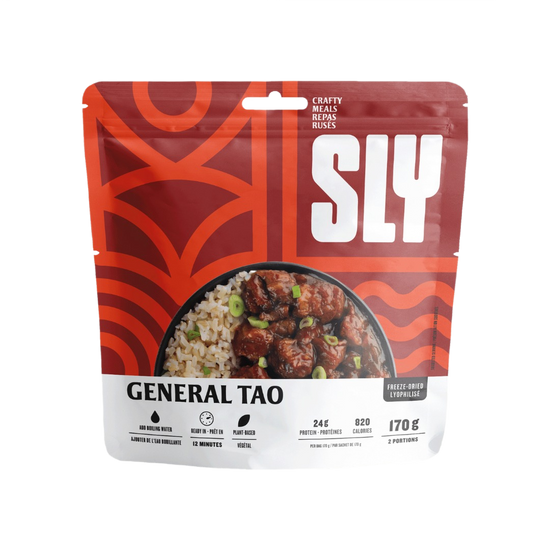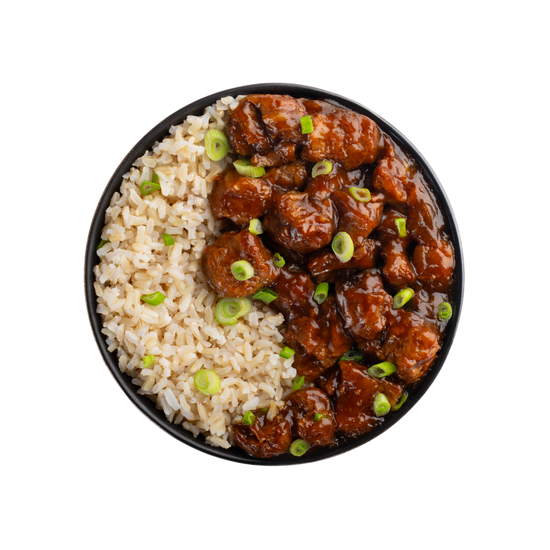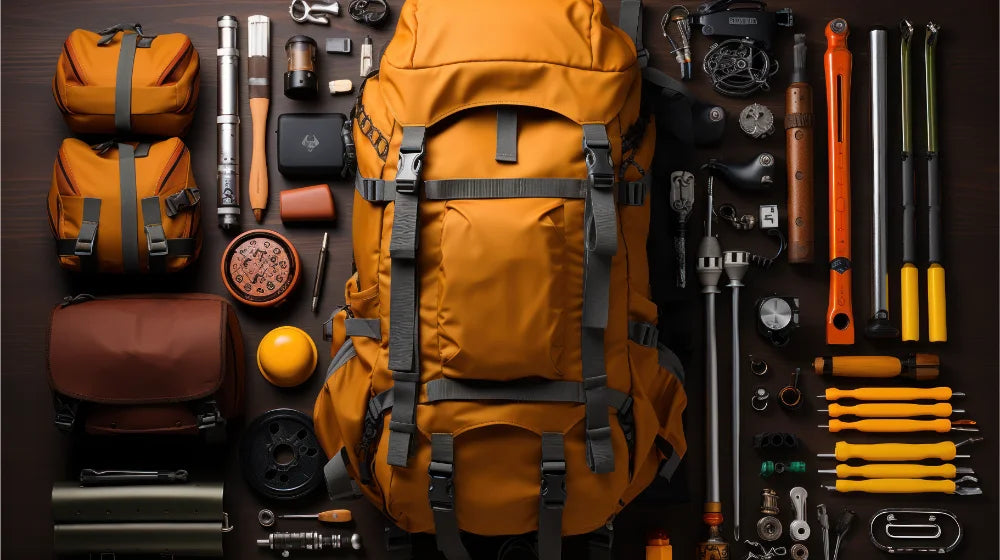
Planning what to bring camping goes beyond just gear; it's about choosing the essentials for a hassle-free outdoor adventure. From a first aid kit to trash bags and meal preparation items, being well-prepared is key. When it comes to food, freeze-dried meals are a great choice for what to bring camping as they provide a lightweight, nutritious solution that requires minimal preparation.
what to bring camping?
When deciding what to bring camping, having the right gear ensures a comfortable and safe adventure. From shelter to cooking tools, careful planning of what you need for camping can make all the difference in your outdoor experience.
1. Shelter and comfort
A reliable tent is essential for protection. Opt for a tent suitable for the number of campers and with features such as waterproofing and ventilation. As ground insulation is crucial, bring a sleeping pad or inflatable mattress to stay warm and comfortable.
Don't forget a sleeping bag suited to the temperatures you will encounter. A camping pillow adds comfort and ensures a restful night. Also consider packing a compact camping chair and a folding table if your campsite does not have a picnic setup.
2. Clothing and footwear
When choosing what to bring camping, selecting the right clothes and footwear is essential to staying comfortable and safe outdoors. Here’s how to layer and choose footwear effectively:
- Base layers: Opt for moisture-wicking materials to draw sweat away from your skin.
- Insulating layers: Use fleece or down for warmth in cooler temperatures.
- Outer layer: A waterproof and wind-resistant jacket provides protection.
- Footwear: Sturdy hiking boots provide ankle support and good grip on challenging terrain.
- Socks: Bring extra pairs, with wool socks for added warmth.
- Accessories: Bring a hat and gloves for sun protection or warmth during cool nights.
By carefully planning what to bring camping, you'll be ready for varying weather conditions, making your experience more enjoyable and less stressful.
3. Navigation and tools
Knowing what to bring camping can make all the difference in your outdoor experience, and navigation tools are essential for staying on track and well-prepared.
- Map and compass: The basics for finding your way in nature.
- GPS device: Improves accuracy, especially on longer or less familiar hikes.
- Multi-tool or pocket knife: Useful for everything from food preparation to gear repair.
- Headlamp or flashlight: Essential for night navigation. Don't forget spare batteries.
- Basic climbing gear: Ropes may be needed depending on your activities.
- Wood axe or hand saw: Useful for gathering firewood at camp.
- Duct tape: A versatile tool for quick repairs.
By carefully choosing what to bring camping, you'll be well-prepared for navigation and unexpected situations, ensuring a safer and smoother adventure.
4. Choosing the right food for camping
Non-perishable foods are ideal, such as canned goods, pasta, and cereals. High-energy snacks like nuts and freeze-dried fruits keep you going during hikes. Plan balanced meals with protein, like beans, combined with carbohydrates for sustained energy.
Properly storing food will prevent attracting wildlife. Use airtight bags or containers to protect your supplies. When choosing camping meals, consider your dietary needs and opt for meals that are easy to prepare with limited camping tools.
5. Freeze-dried foods for camping
Freeze-dried foods for camping are popular for their lightness and long shelf life. Options range from entrees to desserts, and many brands offer a variety of flavors to suit all preferences.
These meals usually only require adding hot water, making them easy to prepare. Look for those that are rich in nutrients to maintain your energy. Check portion sizes to ensure they meet your dietary needs for the duration of your trip.
6. Essential cooking equipment
To efficiently prepare your meals during your camping trip, bring a portable stove or campfire, along with fuel and a lighter or waterproof matches. Be sure to bring sturdy pots, pans, utensils, a sharp knife, a folding cutting board, and reusable dinnerware. A fire starter is also useful for lighting your stove or campfire.
7. Portable cooking appliances
Compact cooking appliances such as a camping stove or a portable grill make outdoor meal preparation easier. Choose models that match your camping fuel preferences, whether propane or charcoal.
Many models are lightweight and designed for easy transport. Be sure to bring necessary accessories, such as a gas canister adapter. Portable coffee makers or presses can give you a comforting taste of home during your trip.
8. Personal items and hygiene
Maintaining personal hygiene is key to a comfortable camping experience, even when facilities are limited. Here is a list of essential items to bring camping:
- Toothbrush and toothpaste: Maintain good oral hygiene with compact and essential tools.
- Biodegradable soap: Environmentally friendly for handwashing or dishwashing.
- Quick-drying microfiber towel: Lightweight and versatile for drying or as an emergency blanket.
- Hand sanitizer and wipes: Essential for maintaining cleanliness when water is scarce.
- Extra toilet paper: Always necessary, especially in campsites without adequate facilities.
- Portable toilet: An excellent backup solution if your campsite does not have latrines.
- Sunscreen and insect repellent: Protect your skin from sunburn and insect bites.
By keeping personal items simple yet essential, you ensure a cleaner and more comfortable camping trip, regardless of the conditions.
9. First aid and safety kits
A comprehensive first aid kit is necessary for treating minor injuries. It should contain bandages, antiseptic wipes, and pain medication. Customize the kit by adding personal medications or items specific to your health needs.
Safety items such as a whistle, emergency blanket, and signal mirror are recommended for unexpected situations. A small roll of adhesive bandages, gauze pads, and medical tape complete your kit for more serious incidents.

Importance of freeze-dried foods for camping
For campers wondering what foods to bring camping without a fridge, freeze-dried meal ideas for camping without a fridge provide a practical and nutritious solution. These camping meals are lightweight, easy to pack, and retain most of their nutritional value without requiring refrigeration. Furthermore, they require minimal preparation, making them an ideal choice for those who want their camping meals to be easy to prepare and take with them.
What are freeze-dried foods?
Freeze-dried meals are lightweight meals created by removing moisture from food through a freezing and vacuum process, which helps preserve nutrients and flavor. These fridge-free camping meal ideas have a long shelf life and are easy to rehydrate by simply adding water. They are very popular for camping and hiking due to their convenience and portability.
Camping food list
When planning a camping trip, it is essential to have a well-stocked camping meal list to ensure you have enough energy for your adventures. A variety of options, including freeze-dried meals, can make meal preparation simple and enjoyable. Here is a comprehensive list of foods to consider for your trip:
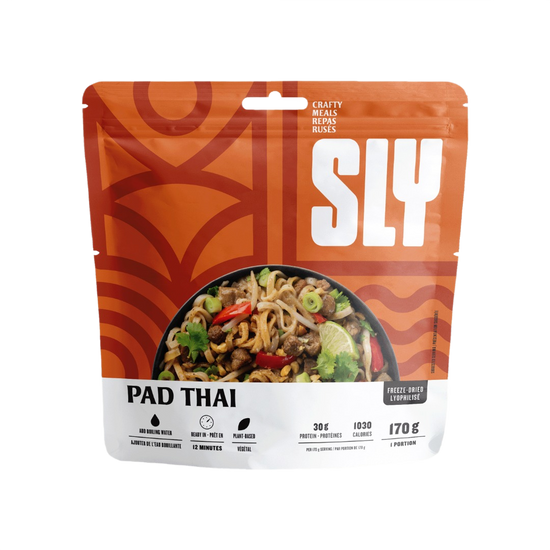
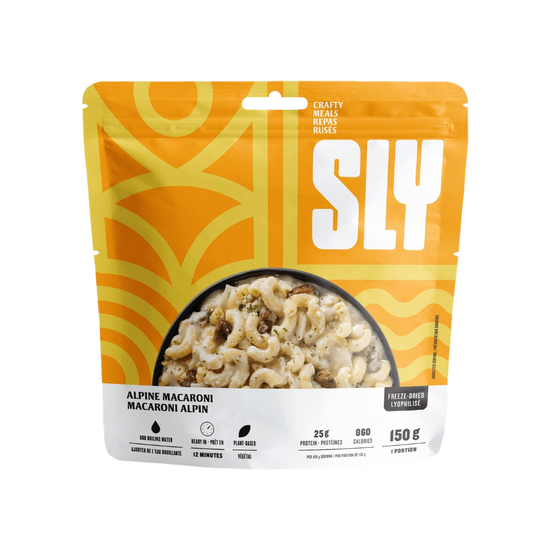
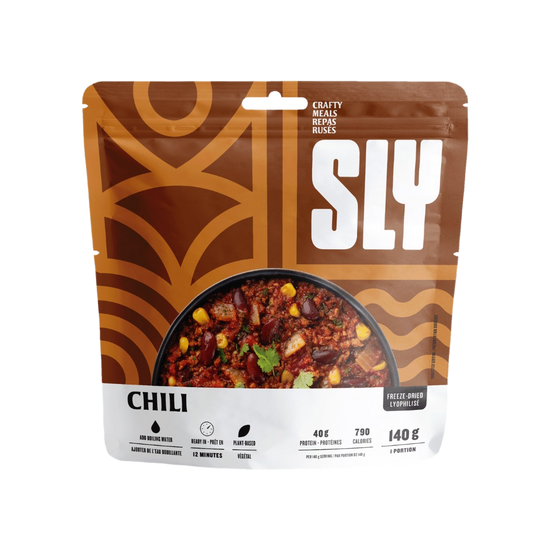
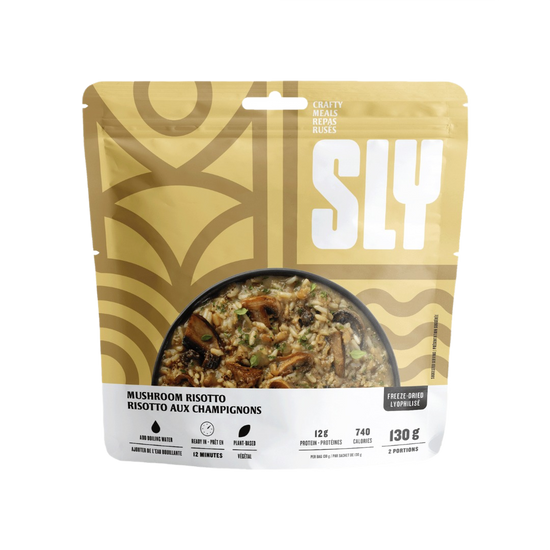
- Freeze-dried main meals: Options like primavera pasta and vegetable lasagna offer both variety and nutrition.
- Freeze-dried snacks: Include freeze-dried fruits like apples, strawberries, or bananas for an easy and light snack.
- Freeze-dried desserts: Satisfy your sweet cravings with fruit chips.
- Breakfast options: Oatmeal, granola, and mixed pancake powder.
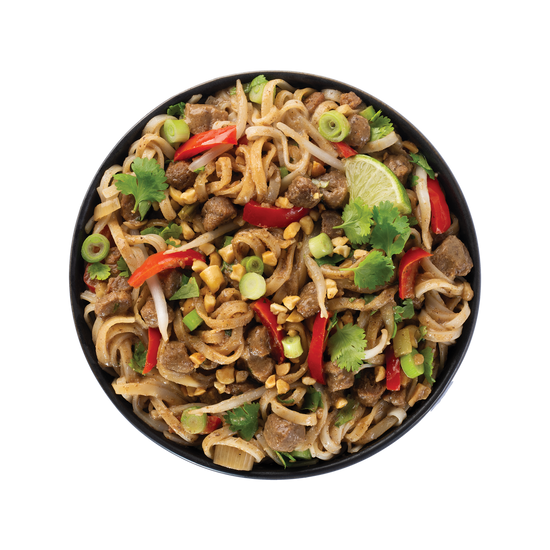
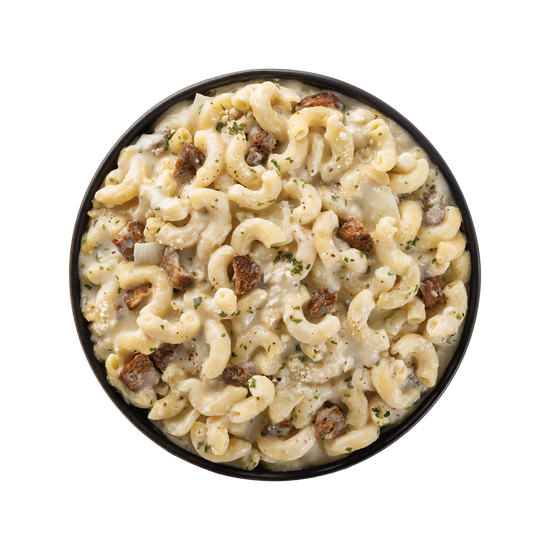
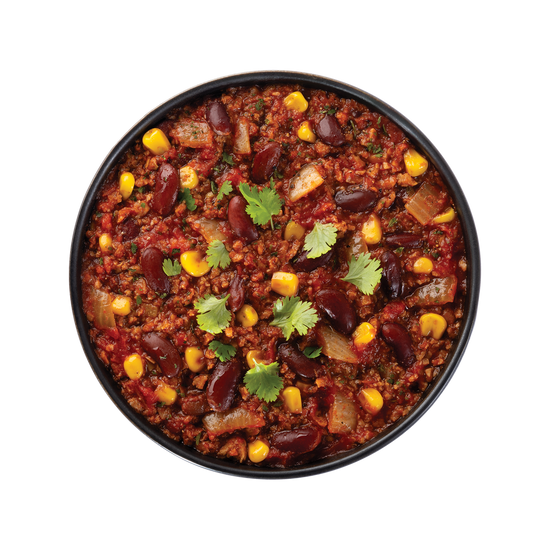
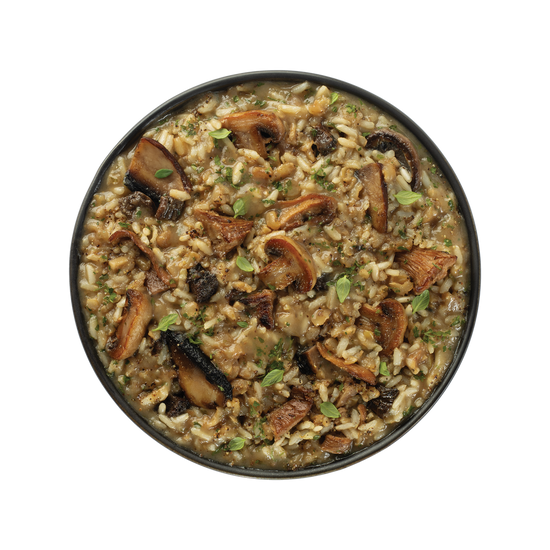
- Dinners: Rice, pasta, instant noodles (check for vegan options), canned beans, and freeze-dried meal pouches containing plant-based ingredients.
- Condiments and spices: Salt, pepper, hot sauce, olive oil, and sugar packets.
- Drinks: Instant coffee, tea, hot chocolate (vegan mix), powdered juice mixes, and electrolyte tablets.
- Hydration: Don't forget water purification tablets or a filtration system to stay hydrated.
- Desserts and treats: Dark chocolate and freeze-dried fruit candies.
By incorporating various freeze-dried meals into your camping food menu, you can simplify your planning process while ensuring a variety of meals that meet different dietary needs. Whether you crave a hearty meal or a light snack, freeze-dried options are convenient, portable, and nutritious for your outdoor adventure.
Complete your list with freeze-dried meals!
Lightweight, easy to prepare, and perfect for all adventures. Get your essential camping meals now. Click to buy!
Nutritional retention of freeze-dried foods
Freeze-dried foods are known for their excellent ability to retain nutrients compared to other preservation methods. The freeze-drying process involves freezing food and then removing moisture by sublimation, preserving most vitamins, minerals, and macronutrients. This method is particularly advantageous because it retains the food's flavor and texture while preserving key nutrients.
Below is an analysis of the nutritional retention of freeze-dried foods compared to fresh and dehydrated foods:
| Nutrients | Freeze-Dried Meal | Dehydrated Foods | Fresh Foods |
|---|---|---|---|
| Vitamin C | 90-95% retention | 40-50% retained | 100% |
| Vitamin A | 85-90% retained | 60-65% retained | 100% |
| Protein | 95-97% retention | 85-90% retained | 100% |
| Carbohydrates | 95-98% retention | 90-95% retention | 100% |
| Fats | 95-98% retention | 80-85% retention | 100% |
| Fiber | 90-95% retention | 80-85% retention | 100% |
| Minerals (iron, calcium) | 95-97% retention | 70-80% retained | 100% |
As the table shows, freeze-drying is highly effective at preserving the nutritional content of foods, especially when compared to dehydration. While fresh foods are naturally the most nutrient-rich, freeze-dried foods offer an almost equivalent nutritional profile with the added benefits of long shelf life and portability. For campers and adventurers, freeze-dried meals are an excellent choice for maintaining a balanced diet on the go.

Packaging and Portability Convenience
Freeze-dried meals are packaged in lightweight, vacuum-sealed bags with oxygen absorbers, which extends their shelf life for years—sometimes up to 30 years. This makes them ideal for long trips or emergency situations, while their compact and portable design makes them easy to store in a backpack without adding bulk. This convenience frees up space for other essential items, making them perfect for travel and outdoor adventures.
Ease of Preparation
Freeze-dried meals are easy to prepare, requiring only hot water and a few minutes, making them perfect when considering what to bring camping without a refrigerator. This convenience allows you to enjoy a warm, nutritious meal with minimal effort, using basic equipment like a portable stove, giving you more time to explore and relax. Ideal for seasoned campers and novices alike, freeze-dried food simplifies meal preparation.
Frequently Asked Questions
When camping without a refrigerator, choosing the right foods for practicality and nutritional value is essential. This section provides specific options for meals and snacks that do not require refrigeration, ensuring you have a comprehensive list for your trip.
What foods keep well without refrigeration during a camping trip?
For your camping trip, consider bringing canned goods like beans and vegetables, as they are non-perishable and nutrient-rich. Dried fruits, nuts, and seeds make excellent snacks. They are compact and energy-dense. Whole-grain crackers and hard cheeses like Parmesan can also last several days without refrigeration.
What are some no-cook, non-perishable meal options for camping?
Peanut butter and jelly sandwiches with long-lasting bread, oatmeal with dried fruits, and instant noodles make great meal options. You can also try trail mixes with nuts and dried berries. These options require no cooking and provide a good balance of carbohydrates and protein.
What are the best foods to take camping that don't require cooking?
Prioritize foods like canned soups and pre-cooked rice pouches. These can be eaten directly or warmed over a campfire. Additionally, energy bars and granola bars are convenient snacks that require no preparation and are easy to carry.
How do I create a comprehensive camping food list that excludes refrigerated items?
Start by listing non-perishable staples such as pasta, rice, and canned beans. Incorporate long-lasting vegetables like carrots and bell peppers. For snacks, plan for nuts, dried goods, and fruit and vegetable blends. Plan your meals around these items to ensure a balanced diet throughout your trip.
What are some good non-refrigerated meal recommendations for a camping adventure?
For breakfast, oatmeal with nuts and dried fruit is a solid choice. For dinner, pasta with a jar of sauce or instant mashed potatoes with canned gravy work well. Supplement meals with snacks such as fruit cups and peanut butter.
What should be included in a no-refrigeration grocery list for a camping trip?
Your list should include canned goods, pasta, and grains. Include dehydrated or freeze-dried meals for easy preparation. Stock up on snacks like energy bars and nuts. Don't forget small packets of condiments and spices for flavor. Ensure a balanced mix of carbohydrates, proteins, and fats to meet energy needs.
Conclusion
Preparing for a camping trip requires thoughtful planning and efficient packing. Prioritize essential gear, choose non-perishable foods and freeze-dried meals, as they are the best option, and ensure you have the right cooking utensils and necessary hygiene items. By double-checking your packing list and adapting it to your location and trip duration, you'll enjoy a seamless and enjoyable outdoor adventure.
Complete your list with freeze-dried meals!
Lightweight, easy to prepare, and perfect for all adventures. Get your essential camping meals now. Click to buy!