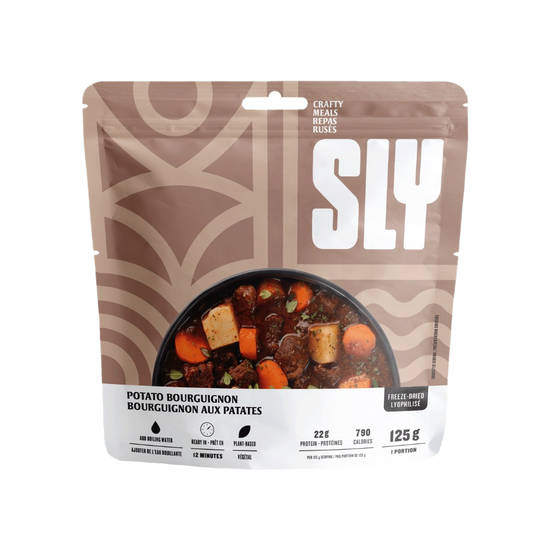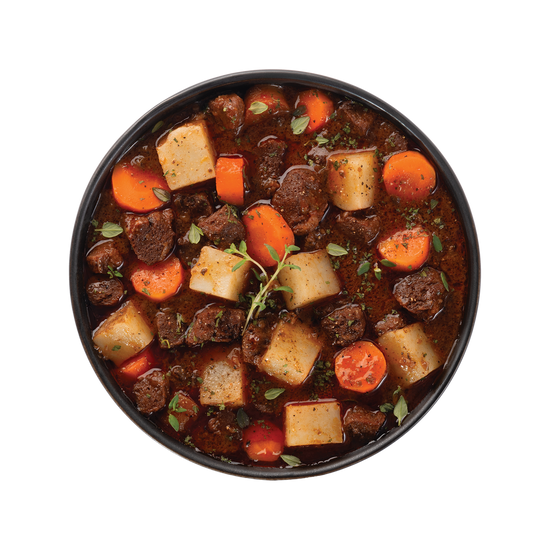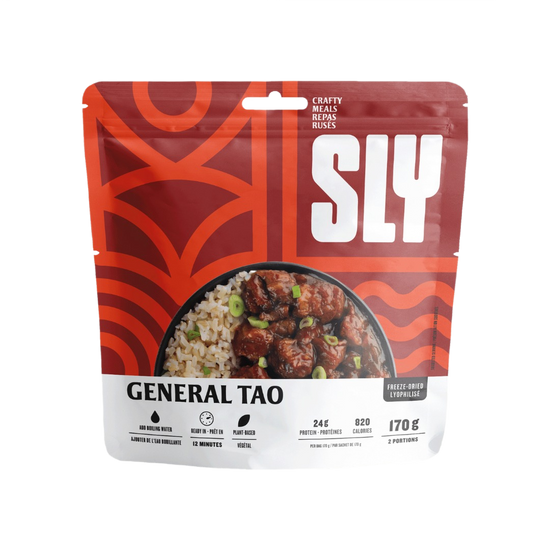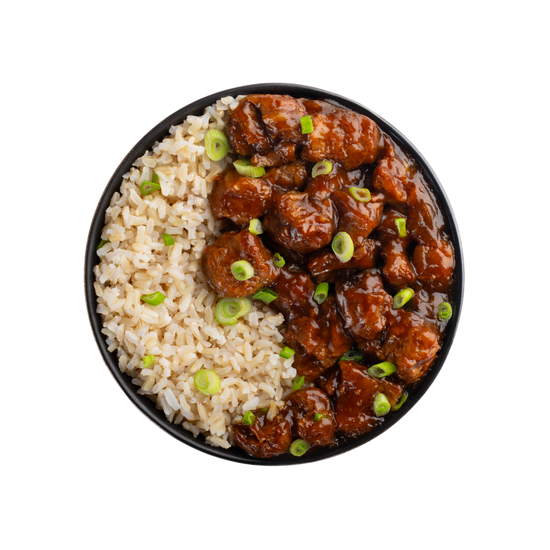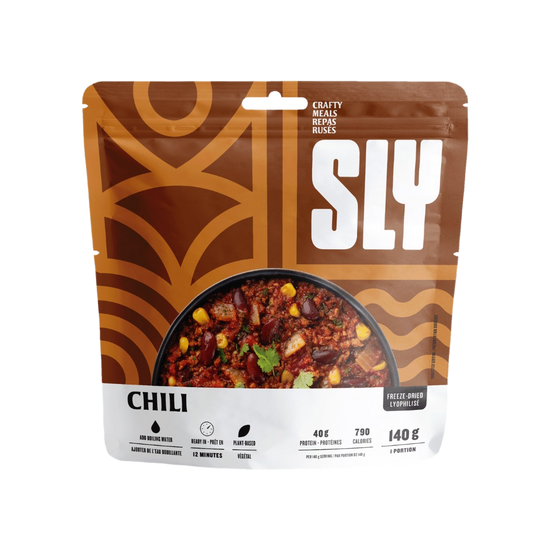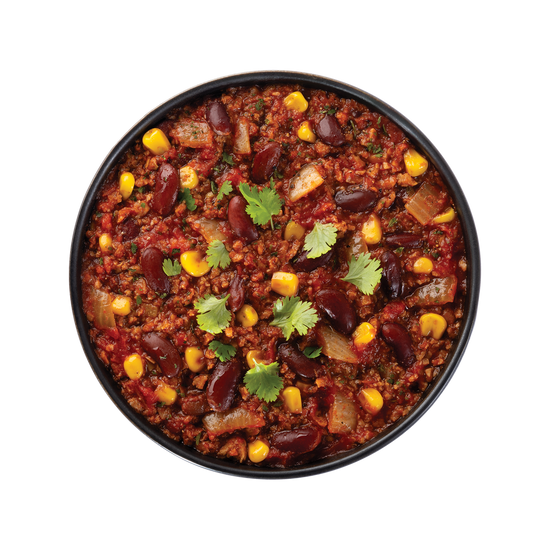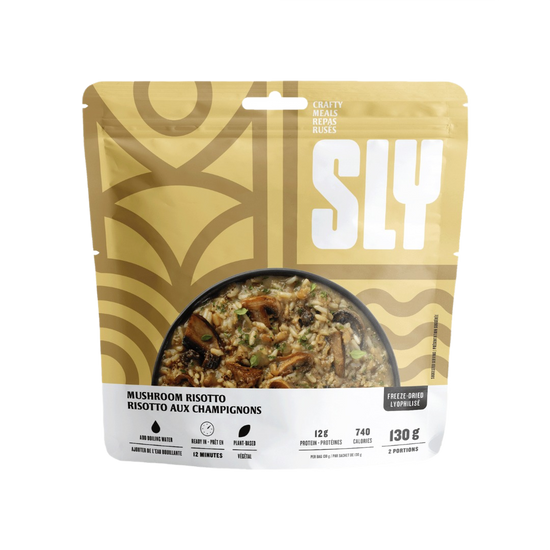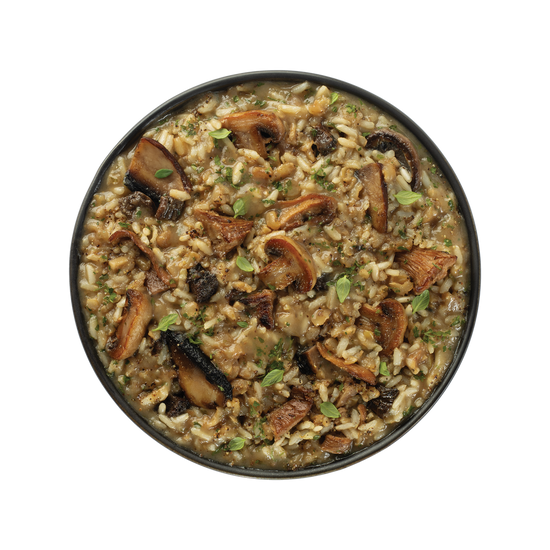
Freeze-dried foods offer numerous benefits, especially nutritionally. The freeze-drying process preserves essential vitamins, minerals, and nutrients, ensuring you get a nutrient-rich meal, even after long-term storage. One of the key advantages of freeze-dried foods is their ability to retain nutritional value over time, making them an ideal choice for outdoor adventures, emergency preparedness, and healthy meal planning, without compromising on flavor or texture.
What are freeze-dried foods?
Freeze-dried foods undergo a process where water is removed through sublimation, by freezing the food and placing it in a vacuum chamber where ice transforms directly into vapor, bypassing the liquid phase. This preserves the food's structure and nutrients, and after a secondary drying phase to remove remaining moisture, freeze-dried foods have an extended shelf life while retaining most of their original flavor and nutritional value. Common freeze-dried meals include fruits, vegetables, and complete meals. Below are all the benefits of freeze-dried foods.
To learn more about what a freeze-dried meal is, check out our detailed article.

The Benefits of Freeze-Dried Foods
When considering the benefits of freeze-dried foods, several key advantages stand out, such as their long shelf life and excellent nutrient retention. This storage solution offers a wide variety of food options while minimizing weight and bulk, making it ideal for both everyday use and emergency preparedness.
Long-term food storage solutions
Freeze-dried foods offer an exceptional long-term storage solution, with an extended shelf life due to the removal of nearly all moisture, allowing them to last for months or even years without spoilage. They are ideal for emergency kits or situations where access to fresh food is limited and require minimal storage space, as they do not need refrigeration. This compact and non-perishable option is convenient for scenarios such as camping or disaster preparedness.
To learn more about how long freeze-dried foods last. Check out our blog post!
Nutrient retention in freeze-dried foods
Freeze-drying is one of the most effective methods for nutrient preservation. It retains up to 97% of the vitamins, minerals, and antioxidants in foods. The freezing process followed by sublimation helps maintain nutritional value by minimizing the degradation of heat-sensitive nutrients like vitamin C and B vitamins, which are often lost in canning or dehydration methods. Freeze-dried fruits and vegetables retain essential compounds such as fiber and antioxidants, giving them a nutritional profile almost identical to fresh produce. The benefits of freeze-dried foods include their long shelf life and nutritional density, making them a reliable option for maintaining a healthy diet over time.
Do freeze-dried foods lose nutrients? Find out the answer in our guide.
Diversity of food options
Freeze-dried foods offer an impressive range of choices, catering to different tastes and dietary needs. This flexibility makes them easier to integrate into daily meals or long-term storage plans, without sacrificing variety.
- Fruits and vegetables: Freeze-dried options include apples, berries, spinach, and many more, offering a nutritious alternative to fresh produce.
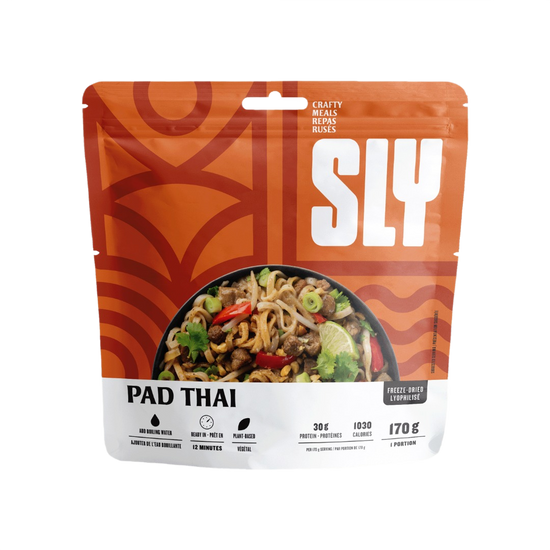
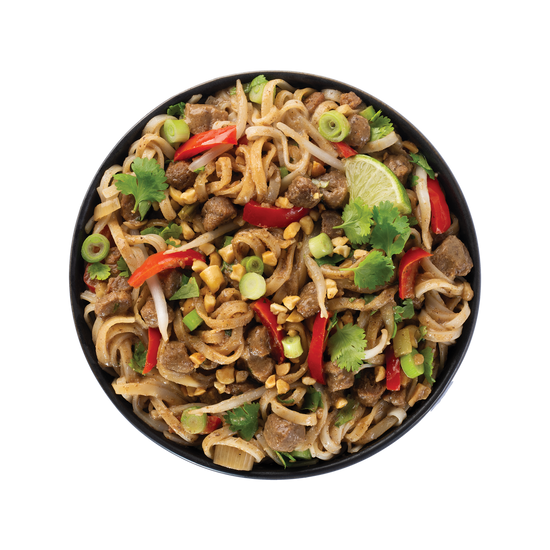
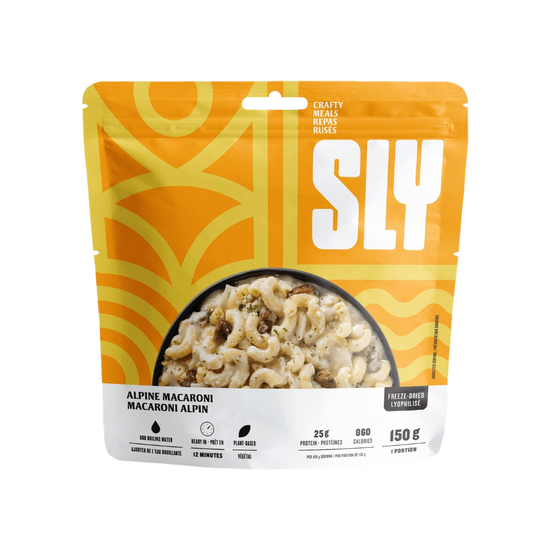
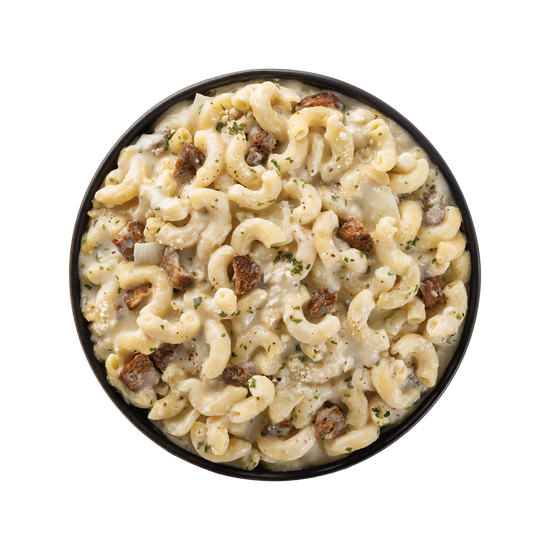
- Complete meals: Many brands offer complete freeze-dried meals, such as pasta dishes, soups, and vegan stews, which are easy and quick to prepare.
- Special diets: Whether you follow a vegan or gluten-free diet, freeze-dried foods can meet various dietary restrictions.
With such a range of options, freeze-dried foods allow you to enjoy varied and nutritious meals, even in situations where fresh food is not readily available. This variety enhances convenience while meeting your nutritional preferences.
If you want to try vegan freeze-dried foods, feel free to grab one of our diverse options.
How does freeze-drying preserve the protein content in foods?
Freeze-drying effectively preserves the protein content of vegan foods, such as legumes and plant-based protein sources, by using low temperatures and rapidly removing moisture, which maintains the structure and potency of proteins. This process ensures that protein-rich vegan options retain their nutritional integrity over time, making them reliable for long-term storage. With freeze-dried vegan foods, you can confidently store plant-based proteins without compromising the essential protein intake for a balanced diet.
Reduced weight and volume
One of the main advantages of freeze-dried foods is their reduced weight and volume, as the process removes up to 99% of moisture, making them lightweight and easy to transport. This portability is ideal for backpacks, travel, or emergency kits, as it reduces shipping costs and simplifies handling. With space-saving storage, freeze-dried foods are an efficient solution for those who prioritize convenience, whether for hiking or emergency preparedness.
Maintaining a balanced diet
Freeze-dried foods play an important role in maintaining a balanced diet due to their nutritional preservation, convenience, and versatility. The freeze-drying process effectively preserves the nutritional quality of foods, making them an excellent option for individuals seeking to integrate healthy options into their diet. This method involves removing moisture from food at low temperatures, which helps retain essential vitamins and minerals that are often lost during traditional drying methods. For example, studies have shown that freeze-drying preserves heat-sensitive nutrients such as vitamins A and C, as well as phytochemicals like carotenoids and flavonoids, which are essential for overall health(Odukoya et al., 2019; Karwacka et al., 2022; Thuy et al., 2019).
Furthermore, the versatility of freeze-dried foods allows them to be incorporated into various diets, including vegetarian and vegan diets. Freeze-dried fruits and vegetables can serve as healthy snacks or be added to smoothies, soups, and other dishes, enhancing nutritional content and flavor(Ciurzyńska et al., 2019; Crapo et al., 2010). The convenience of these products also supports active lifestyles, allowing individuals to maintain a balanced diet without having to prepare many meals(Chantagith et al., 2021).
In addition to their nutritional benefits, freeze-dried foods can contribute to a more sustainable food system. Food preservation through freeze-drying reduces waste by extending the shelf life of perishable goods, allowing consumers to enjoy seasonal produce throughout the year(Waghmare et al., 2021; Wu et al., 2019). This aligns with the growing consumer demand for healthy, convenient, and sustainable food options.

Comparative analysis of freeze-dried products
Freeze-drying offers numerous advantages, particularly regarding shelf life and nutrient retention. This analysis explores the benefits of freeze-dried foods by comparing freeze-dried fruits and vegetables to their fresh counterparts, focusing on texture, taste, and nutritional value.
Freeze-dried fruits vs. Fresh fruits
Freeze-dried fruits, like strawberries, differ from fresh fruits primarily in texture, as freeze-drying removes up to 98% of the water, resulting in a light and crispy snack, ideal for long-term storage. Nutritionally, they retain most vitamins and minerals, though there may be a slight loss of vitamin C. Due to their extended shelf life and resistance to microbial growth, freeze-dried fruits are convenient for emergency supplies and adventures.
Freeze-dried vegetables compared to their fresh counterparts
Freeze-dried vegetables offer a convenient alternative to fresh produce, retaining most of their essential nutrients while extending their shelf life. The freeze-drying process prevents microbial growth, making them ideal for long-term storage or outdoor use.
Comparison of freeze-dried and fresh foods:
| Vegetables | Fresh (per 100g) | Freeze-dried (per 100g) | Overall nutrient loss (%) | Main nutritional difference |
|---|---|---|---|---|
| Carrots | 41 kcal, 5 mg vitamin C | 370 kcal, 3 mg vitamin C | 10-20% | Higher caloric density in freeze-dried, slight loss of vitamin C |
| Spinach | 23 kcal, 28 mg vitamin C | 298 kcal, 24 mg vitamin C | 10-15% | Nutrient concentration increases in freeze-dried products due to water removal. |
| Peppers | 31 kcal, 80 mg vitamin C | 282 kcal, 70 mg vitamin C | 10-15% | Freeze-drying preserves most vitamin C, while increasing caloric density. |
| Broccoli | 34 kcal, 89 mg vitamin C | 300 kcal, 84 mg vitamin C | 10-20% | Nutrients remain largely intact, but calorie concentration is higher. |
Freeze-dried vegetables offer a nutritious and convenient alternative to fresh produce, making them ideal for long-term storage and outdoor activities. By rehydrating them, you can restore much of their original texture and enjoy the benefits of healthy vegetables at any time.
Enjoy the pure benefits of our freeze-dried foods
Discover the benefits of freeze-dried foods with our nutrient-rich, lightweight, tasty vegan meals, perfect for wherever life takes you! Try them today!
Macronutrient Comparison in Freeze-Dried and Fresh Foods
Freeze-dried foods offer the advantage of retaining essential macronutrients like proteins, fats, and carbohydrates, all while being lightweight and portable. This makes freeze-dried options ideal for outdoor activities without compromising on nutrition. The table below highlights the macronutrient comparison between fresh and freeze-dried foods:
| Food Product | Fresh (per 100g) | Freeze-Dried (per 100g) | Key Benefits of Freeze-Dried |
|---|---|---|---|
| Strawberries | 32 kcal, 0.7g protein, 7.7g carbs | 365 kcal, 3.6g protein, 82g carbs | Lightweight, retains fiber and sugars, easy to carry for snacking |
| Cheese | 402 kcal, 33g fat, 25g protein | 615 kcal, 48g fat, 37g protein | High protein retention, concentrated nutrients for easy storage |
| Peas | 81 kcal, 0.4g fat, 5.4g protein | 358 kcal, 1.4g fat, 24g protein | Rich in fiber and protein, convenient for quick meal prep |
| Lentils | 116 kcal, 0.4g fat, 9g protein | 352 kcal, 1.3g fat, 27g protein | Excellent protein source, ideal for vegan diets, contains fiber |
| Mushrooms | 22 kcal, 0.3g fat, 3.1g protein | 296 kcal, 1.6g fat, 27g protein | High in protein and minerals, lightweight and easy to rehydrate |
| Spinach | 23 kcal, 0.4g fat, 2.9g protein | 298 kcal, 1.1g fat, 30g protein | Retains iron and fiber, perfect for adding nutrition to meals |
Freeze-dried foods offer concentrated nutrition and are perfect for an on-the-go lifestyle. Their lightweight nature and long shelf life make them an excellent option for outdoor activities, without sacrificing essential macronutrients.

Ease of Use and Preparation
Freeze-dried foods offer ease of use and preparation, making them an ideal choice for quick meals and simple storage. From purchase to plate, the process is straightforward and requires minimal effort, seamlessly integrating into daily routines or emergency plans. These foods provide a convenient, time-saving option for many situations.
The Freeze-Drying Process
The freeze-drying process, which preserves taste, nutrients, and texture, underpins the many benefits of freeze-dried foods, making them ideal for long-term storage and outdoor use. The process involves rapid freezing to maintain structure, followed by placing the food in a vacuum chamber where ice sublimes directly into vapor, and finally, a drying phase that results in a lightweight, shelf-stable product. This method ensures minimal nutrient loss and high flavor retention.
Discover how freeze-dried food is processed.
Convenient for Meal Planning
One of the advantages of freeze-dried food is that it facilitates meal planning by providing quick storage and preparation options. With their extended shelf life, freeze-dried foods are perfect for stocking your pantry without worrying about spoilage, allowing you to plan meals well in advance. Whether for daily use, camping, or emergency kits, the lightweight and compact nature of freeze-dried foods simplifies meal preparation and reduces last-minute grocery runs. You can also experiment with a variety of recipes, as freeze-dried fruits and vegetables can be easily rehydrated and used in various dishes.
Frequently Asked Questions
Exploring freeze-dried foods reveals a wealth of nutritional benefits and practical advantages. These foods excel in maintaining nutritional value and shelf life, offering a convenient option for long-term storage and easy transport.
What are the nutritional benefits of consuming freeze-dried foods?
Freeze-dried foods retain most of their nutritional content, with up to 98% of their original nutrients. This method ensures that vitamins and minerals remain intact, making them a healthy food option. The preservation of nutrients can be particularly beneficial for fruits and vegetables, which are often included in freeze-dried assortments.
How does the shelf life of freeze-dried foods compare to other preservation methods?
Freeze-dried foods have a significantly longer shelf life than other methods, with some products lasting up to 25 years or more if stored correctly. This longevity is achieved by removing moisture, which prevents microbial growth and spoilage. Proper storage in airtight containers further enhances their stability, making them ideal for emergency supplies and extended storage.
What are the key advantages of using a home freeze dryer?
Having a home freeze dryer allows you to preserve a wide variety of foods without the need for additives or preservatives. You have complete control over ingredients and can create custom freeze-dried meals. Home freeze-drying is particularly advantageous for those looking to preserve leftovers or seasonal produce, which helps reduce waste and saves money over time.
Are there any health considerations when regularly incorporating freeze-dried foods into one's diet?
When incorporating freeze-dried foods into your diet, be mindful of the potential for added sugars or sodium in commercially prepared products. Reading labels can help you make healthier choices. Also, ensure a balanced diet by combining freeze-dried foods with fresh or frozen options to maintain a variety of nutrients and dietary fiber.
How does freeze-drying preserve food quality compared to traditional dehydration?
Freeze-drying preserves food quality by retaining its original size, shape, and nutritional value while removing moisture. In contrast, traditional dehydration often involves applying heat, which can lead to nutrient degradation and altered texture. Freeze-dried foods maintain their integrity and can be rehydrated without significant loss of taste or texture.
Can freeze-dried foods retain their taste and texture after rehydration?
After rehydration, freeze-dried foods typically regain a taste and texture similar to their fresh counterparts. This is because the freeze-drying process preserves the structural integrity of the food, unlike other drying methods that can alter it. Rehydrated fruits, vegetables, and meats can be used in cooking just as you would with fresh ingredients.
Are freeze-dried foods a good source of fiber and micronutrients?
Freeze-dried foods generally retain their original fiber and micronutrient content. The removal of water in freeze-dried products helps to preserve essential nutrients such as fiber, vitamins, and minerals. This makes them a good option for nutrient-dense snacks or meals, especially when you need a quick and convenient nutritional boost.
Conclusion
The benefits of freeze-dried foods are undeniable, including extended shelf life, excellent nutrient retention, and unparalleled portability. Whether you're preparing for emergency situations, embarking on outdoor adventures, or simply seeking convenient meal options, freeze-dried foods offer a reliable and practical solution. Discover their flexibility and stay tuned to learn how freeze-dried options can enhance your lifestyle.
Experience the Pure Goodness of Our Freeze-Dried Foods
Discover the advantages of freeze-dried foods with our nutrient-rich, lightweight, and delicious vegan meals, perfect for wherever life takes you! Try them today!
References
- Odukoya, J., Charles, U., & Odukoya, J. (2019). Response of nutritional and phytochemical constituents of bitter leaf to some drying methods. International Research Journal of Pure and Applied Chemistry, 1-10. Link Here
- Karwacka, M., Rybak, K., Sergiy, S., Galus, S., & Janowicz, M. (2022). Analysis of selected functional properties, resource demands, and energy consumption of freeze-dried vegetable snacks. Journal of Food Processing and Preservation, 46(7). Link Here
- Thuy, N., Hang, L., Triep, T., Tan, N., & Tai, N. (2019). Development and nutritional analysis of healthy chicken soup supplemented with vegetables in vietnam. Food Research, 4(1), 113-120. Link Here
- Ciurzyńska, A., Cieśluk, P., Barwińska, M., Marczak, W., Ordyniak, A., Lenart, A., ... & Janowicz, M. (2019). Eating habits and sustainable food production in the development of innovative “healthy” snacks. Sustainability, 11(10), 2800. Link Here
- Crapo, C., Oliveira, A., Nguyen, D., Bechtel, P., & Fong, Q. (2010). Development of a method to produce freeze-dried cubes from 3 pacific salmon species. Journal of Food Science, 75(5). Link Here
- Chantagith, N., Katkaew, N., & Rattanapitigorn, P. (2021). Pasting behavior and viscoelastic properties of fresh, chilled, and rehydrated freeze-dried gel beads from blends of tapioca flour, soy flour, and cane sugar. Chiang Mai University Journal of Natural Sciences, 20(4). Link Here
- Waghmare, R., Choudhary, P., Moses, J., Anandharamakrishnan, C., & Stapley, A. (2021). Trends in approaches to assist freeze-drying of food: a cohort study on innovations. Food Reviews International, 38(sup1), 552-573. Link Here
- Wu, X., Zhang, M., & Bhandari, B. (2019). A novel infrared freeze drying (irfd) technology for reducing energy consumption and retaining the quality of cordyceps militaris. Innovative Food Science & Emerging Technologies, 54, 34-42. Link Here