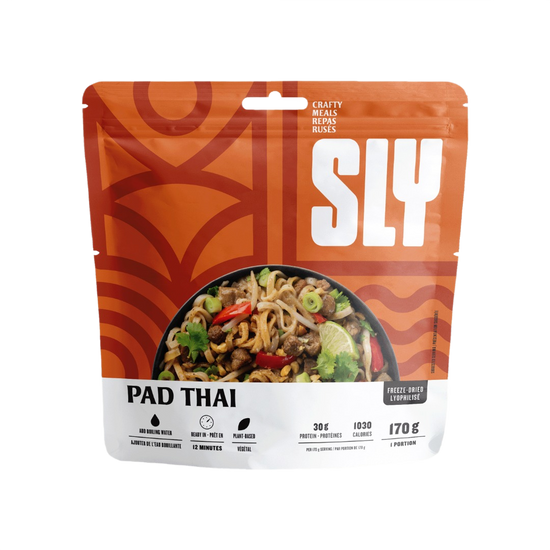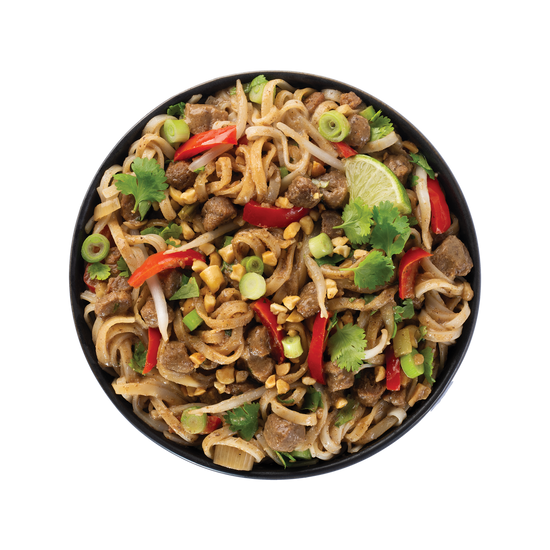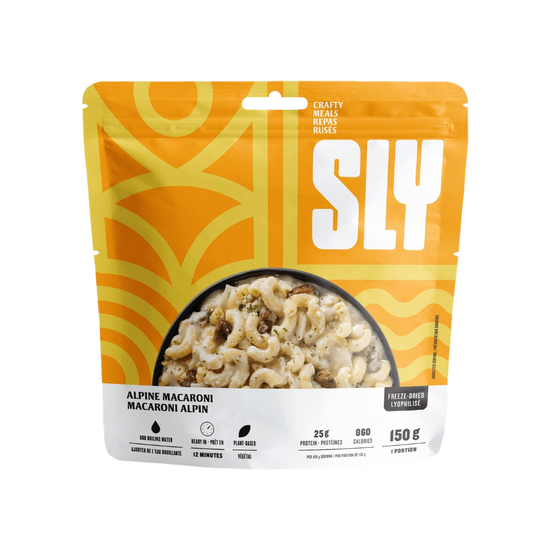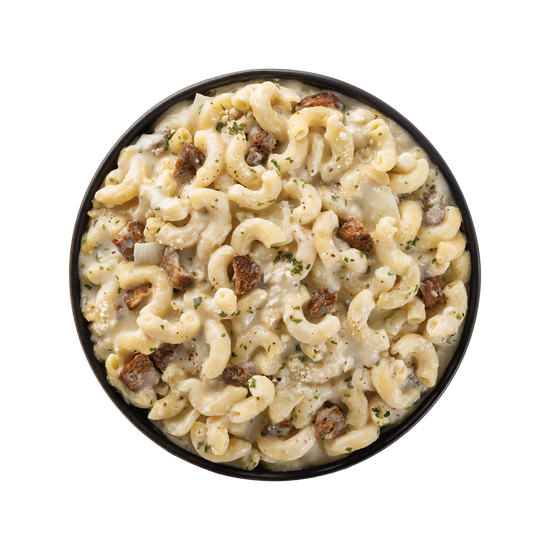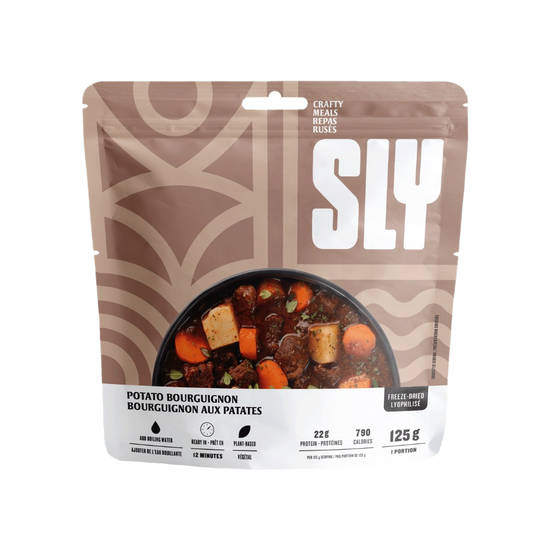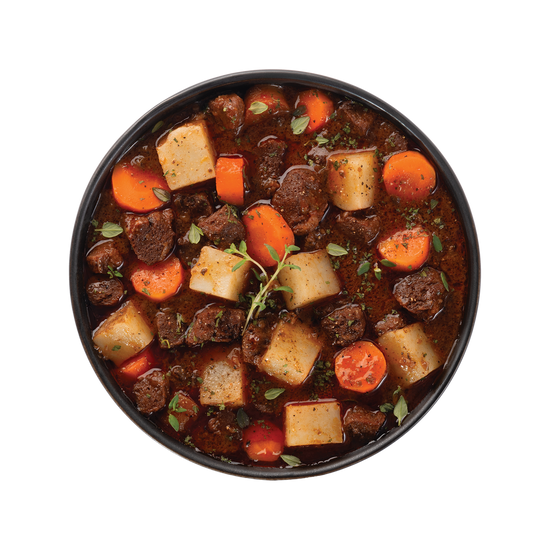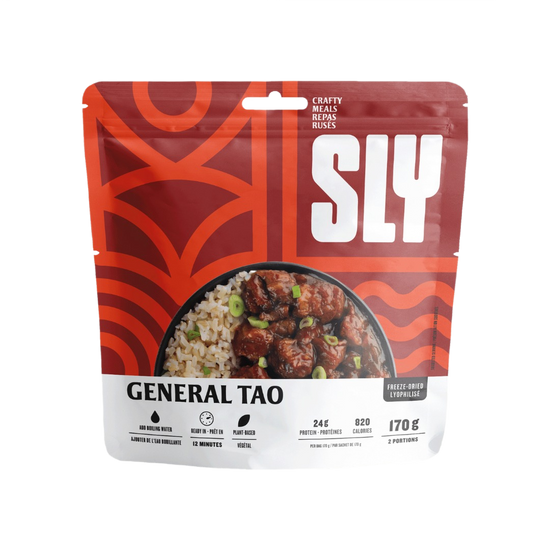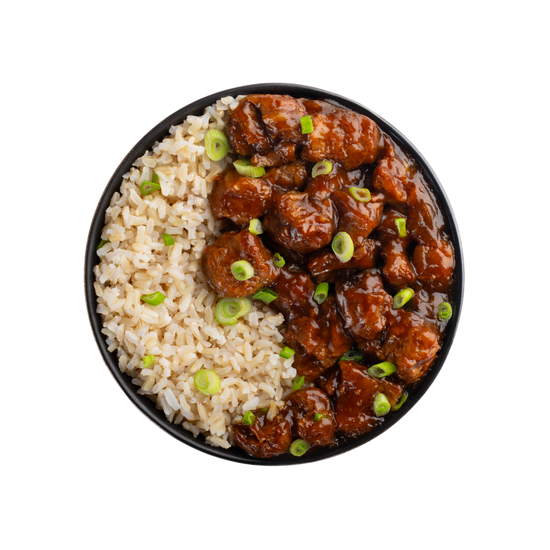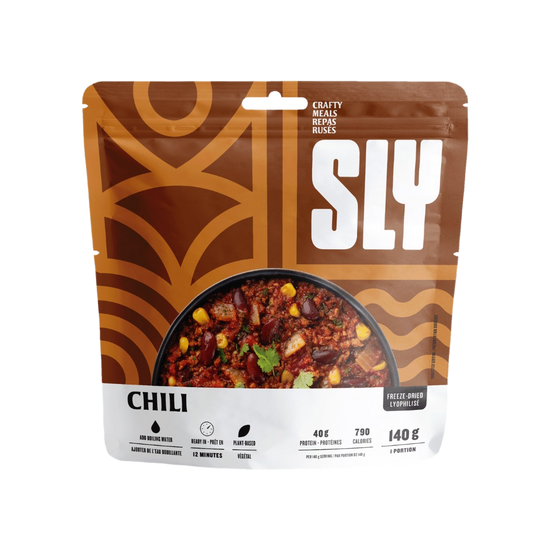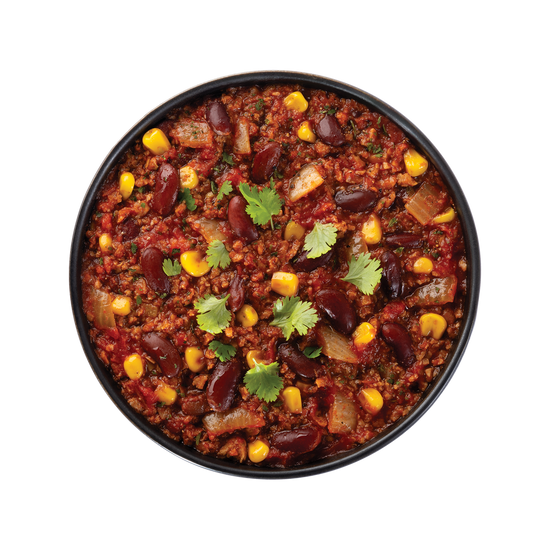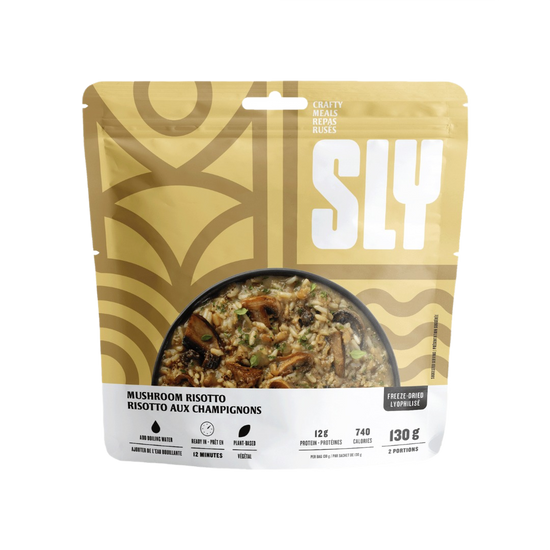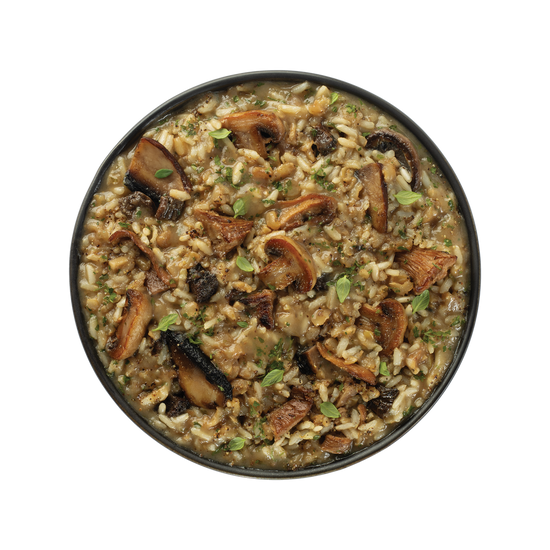
When people think about freeze-dried foods, many wonder about their nutritional value. The good news is that freeze-drying focuses on preserving nutrients in freeze-dried foods, meaning you don't have to worry about freeze-dried foods losing nutrients. While some vitamins, like vitamin C, may be slightly reduced, overall, freeze-dried foods retain the majority of their nutrients, making them a convenient and healthy option with no significant losses.
Understanding Freeze-Drying
Freeze-drying is a process that removes moisture from food while preserving its structure and nutrients. Through sublimation, the ice in the food turns directly into vapor, which helps preserve the flavor and nutritional quality of the food more effectively than other methods. If you're looking to find out how freeze-dried foods lose their nutrients, keep reading this article!
Do freeze-dried foods lose nutrients?
Yes, but they retain up to 97% of nutrients. Freeze-drying largely preserves the nutritional content of food. When you wonder whether freeze-dried foods lose nutrients or not, it's important to note that most nutrients remain intact and offer similar benefits to fresh foods. Essential vitamins and minerals are preserved more effectively than in other drying methods, which often deplete these components.
However, it should be noted that some nutrient loss may occur, particularly with vitamin C and certain B vitamins, which are sensitive to air exposure. Nevertheless, freeze-dried fruits and vegetables often retain a greater portion of their nutritional content than traditionally dried products, making them a healthier choice for packaged cooked meals.
Check out our blog post to learn more about what a freeze-dried meal is.
The benefits of freeze-dried foods
Freeze-dried foods offer a range of benefits that make them very practical for many uses. Below are the main advantages that distinguish them from other preservation methods:
- Extended shelf life: By removing moisture, freeze-dried foods inhibit bacterial growth, allowing them to last for months, or even years, without refrigeration.
- Portability: These foods are lightweight, with their weight reduced by approximately 75% due to water removal, making them easy to transport and store.
- Preservation of flavor and texture: Freeze-dried foods can be rehydrated to closely resemble their original state, retaining their taste and texture, making them adaptable to different recipes.
- Preservation of nutritional value: Freeze-dried foods do not lose their nutrients such as vitamins, minerals, and proteins, making them a reliable method that focuses on preserving nutrients in freeze-dried foods over time.
Freeze-dried foods offer long-term preservation and great flexibility without compromising quality, making them a practical choice in many situations. Whether for emergency preparedness or daily convenience, their benefits are undeniable.
Check out our detailed guide to learn more about the benefits of freeze-dried foods.

Nutritional impacts of freeze-drying
While freeze-drying is an excellent way to preserve vitamins and proteins, some wonder how freeze-dried foods lose nutrients during the process. Although freeze-drying slightly affects fiber content and enzymatic activity, it retains most essential nutrients. In the following sections, we will highlight how different nutrients are affected in freeze-dried foods.
Retention of vitamins and minerals
Freeze-drying helps retain most of the essential nutrients in food. You can expect vitamins like vitamin C and minerals to remain largely intact in fruits and vegetables. This is because the freeze-drying process uses sublimation, which removes moisture without using high temperatures that could degrade sensitive nutrients.
Vitamin C, an essential antioxidant, can sometimes decrease due to its sensitivity to oxygen and light. Despite this, freeze-dried foods do not lose vitamins and retain a significant portion of their original content, compared to other drying methods.
Stability of proteins and fats
Proteins in freeze-dried foods remain stable and are not affected by the freeze-drying process. The protein structure is preserved thanks to the absence of high temperatures in this unique preservation method.
Fats in food are less likely to be altered during freeze-drying. This is essential for preserving essential fatty acids and nutritional quality. Despite this, you may notice minor changes in taste or texture due to oxidation, but this does not affect the nutrient loss of freeze-dried foods, as they are generally well preserved.
Impact on fiber and antioxidants
Some may wonder how freeze-dried foods retain their nutritional value in terms of fiber and antioxidants. Although fiber content is significantly maintained, its texture can sometimes be altered, with its volume slightly reduced, but it remains available as necessary nutrients. As for antioxidants, compounds such as phenolic acids and carotenoids remain stable throughout the freeze-drying process, thus preserving their antioxidant and anti-inflammatory benefits.
The impact on food enzymes
Food enzymes can be affected by freeze-drying, although this impact varies. Enzymes are essential for maintaining food quality and enabling metabolic reactions. The low temperatures involved freeze them in place, often rendering them inactive.
You should note that enzymatic activity can resume upon rehydration. However, certain enzymatic processes such as browning or degradation of antioxidants in fruits and vegetables can be inhibited, thus extending shelf life while not affecting the nutrient loss of freeze-dried foods for an extended period.

Health considerations for freeze-dried foods
Freeze-dried foods offer many health benefits. They tend to retain most of their nutrients, making them an attractive choice for those looking to maintain a nutrient-rich diet. While some still wonder whether freeze-dried foods lose nutrients or not, the process actually preserves much of the original nutritional content. In addition, the reduction in water content significantly reduces the risk of microbial development and foodborne illnesses.
Calorie and sugar content
When you consume freeze-dried meals, you get a concentrated form of the original product. This means that the calorie and sugar content is often higher per gram than for fresh products. For anyone concerned about weight management, it is essential to pay attention to portion sizes. Although freeze-dried fruits are nutrient-rich, they can be high in natural sugars. Despite the increase in sugars and calories, these foods do not contain the added sugars found in many processed snacks, making them a healthier choice.
Reduced risk of foodborne illnesses
The freeze-drying process removes almost all moisture, which is essential for preventing the proliferation of bacteria. Consequently, the risk of contracting foodborne illnesses is much lower when consuming these foods. The absence of moisture inhibits microbial growth, making freeze-dried products safer than fresh products or even some dehydrated products. People who are concerned about getting cancer from spoiled or contaminated food can consider this method a safer alternative to other food preservation methods.
Freeze-dried vs. dehydrated foods: Which retains more nutrients?
When it comes to choosing between freeze-dried and dehydrated foods, understanding the nutrient retention of each method can help you make an informed decision. Both processes preserve food for longer, but freeze-drying generally performs better in terms of preserving nutritional value.
| Nutrient Type | Freeze-Dried Meals | Dehydrated Foods |
|---|---|---|
| Vitamin C | Retains up to 90% of Vitamin C | Significant loss due to heat |
| Vitamin A | Retains most of its Vitamin A content | Loss of Vitamin A during dehydration |
| B Vitamins | High retention, especially B1 (thiamine) | Moderate loss of B vitamins due to heat |
| Vitamin E | Retains the majority of Vitamin E | Loss of Vitamin E due to heat |
| Vitamin K | High retention of Vitamin K | Loss during the drying process |
| Phytochemicals | Retains the majority of phytochemicals | Loss of phytochemicals |
| Minerals (e.g., potassium) | High retention of minerals | Similar mineral retention |
| Fiber | No significant loss | No significant loss |
| Antioxidants | Maintains antioxidant properties well | Loss of some antioxidants |
| Proteins | Preserves almost all protein content | Protein loss |
| Carbohydrates | No significant loss | No significant loss |
| Fats | Retains almost all fats | Minimal fat loss |
| Water content | Removes 98 to 99% of water | Removes 90 to 95% of water |
How do freeze-dried foods lose nutrients during the freeze-drying process compared to other methods? While nutrient loss is negligible, freeze-dried foods retain the majority of vitamins and antioxidants due to the low temperatures used. In contrast, dehydrated foods often lose more heat-sensitive nutrients, especially vitamins C and B, because they are processed at higher temperatures.
Check out our detailed guide to learn more about freeze-dried vs. dehydrated foods.
Retain your nutrients with freeze-dried vegan meals!
Discover how freeze-drying preserves nutrients. Try our delicious nutrient-rich vegan meals today, perfect for healthy eating on the go!
Factors affecting the quality of freeze-dried foods
The quality of freeze-dried foods depends on several factors, from initial processing to storage conditions. These factors influence the preservation of nutrients such as vitamins A and C, phenolic acids and anthocyanins, as well as the texture and taste of the food. Understanding these factors helps ensure that your freeze-dried foods do not lose their nutrients.
Texture and taste considerations
The freeze-drying process involves sublimation, which can impact the final product's texture and taste. Preserving natural flavors and a crunchy texture is essential for quality. Key components such as reducing water content play a significant role. In the case of freeze-dried fruits, for example, anthocyanins can influence the preservation of taste and color, enhancing the product's appeal. By paying attention to these elements, you ensure that the freeze-drying process yields a product with desirable taste and texture.
Effect of Pre-treatment Methods
Pre-treatment methods such as blanching can greatly influence the quality and nutrient loss of your freeze-dried foods. Blanching vegetables can help preserve color, flavor, and nutrients, especially vitamins A and C. Controlling phenolic acid levels also helps maintain nutrient integrity. Adequate pre-treatment not only improves nutritional value but also affects the rehydration capability of the final product, which is crucial for consumer satisfaction.

How to Store Freeze-Dried Foods for Maximum Preservation?
Proper storage of freeze-dried foods is essential to ensure they retain their quality and nutritional value. By following specific storage rules, you can prevent spoilage and preserve as many nutrients as possible.
Here are some tips for storing freeze-dried foods:
- Use vacuum-sealed containers: They protect food from oxygen exposure, which can lead to nutrient loss. Vacuum sealing creates an airtight environment, reducing oxidation.
- Oxygen absorbers: Adding oxygen absorbers to your storage containers helps further reduce oxidation, ensuring nutrient preservation for longer periods.
- Store in a cool, dry environment: Temperature and humidity greatly affect nutrient retention. Storing freeze-dried foods in a cool, dry place helps prevent moisture absorption, which could compromise both nutrient content and the food's shelf life.
- Avoid direct sunlight: Exposure to direct sunlight can accelerate nutrient degradation in freeze-dried foods. Keeping containers in a dark or shaded area helps preserve their quality.
Freeze-dried foods lose nutrients over time. By controlling exposure to oxygen, moisture, and light, you can maximize the nutritional value of freeze-dried foods. By following these simple steps, you ensure that food remains fit for consumption and as nutrient-rich as possible.
The Importance of Moisture Control in Preserving Freeze-Dried Foods
Maintaining low humidity is crucial for preserving nutrients like vitamins and anthocyanins in freeze-dried foods. But do freeze-dried foods lose nutrients? If moisture control is not precise, nutrient degradation can occur, reducing the food's shelf life. Adequate drying ensures minimal water content, preserving both structure and nutritional value, which helps maintain quality and longevity over time.
Frequently Asked Questions
Freeze-drying is a widespread food preservation method that retains most nutrients, extends shelf life, and requires proper storage to maintain quality. Below are some specific aspects of freeze-drying and its effects on food.
How Does Freeze-Drying Affect the Nutritional Content of Food?
Freeze-drying preserves most of the nutritional content of food. Essential nutrients, including proteins and vitamins, are largely retained. The process removes water through sublimation, preventing degradation that might occur with other preservation methods.
What Are the Health Effects of Regular Consumption of Freeze-Dried Foods?
Consuming freeze-dried foods can be part of a healthy diet if balanced with fresh options. These foods retain their nutrients, making them similar to their fresh counterparts in this regard. However, it is essential to ensure variety and moderation as part of your overall eating habits.
How Long Do Freeze-Dried Food Products Last?
Freeze-dried foods have an impressive shelf life, often 25 years or more when stored correctly. This is due to the removal of moisture, which prevents microbial growth and spoilage, making them an excellent option for long-term storage.
Are There Nutritional Differences Between Freeze-Dried and Dehydrated Foods?
The nutritional difference lies mainly in water-soluble vitamins. Freeze-drying tends to preserve more nutrients than dehydration because it uses lower temperatures. Therefore, the nutritional profile of freeze-dried foods is often better preserved, especially for sensitive vitamins.
Can the Freeze-Drying Process Affect the Protein Content of Food?
Protein content is generally well preserved during freeze-drying. This method ensures that proteins remain intact and little affected, unlike some heat-based preservation methods that can denature proteins and reduce their nutritional value.
How Should Freeze-Dried Foods Be Stored to Preserve Their Quality?
Proper storage is essential to maintain the quality of freeze-dried foods. Store them in a cool, dry place, in airtight containers, to avoid exposure to moisture and oxygen. This will preserve the nutritional quality of the food and extend its shelf life.
Conclusion
Freeze-dried foods are a convenient and reliable way to preserve most nutrients, making them ideal for long-term storage and outdoor activities. While there may be a slight loss of nutrients, especially water-soluble vitamins like vitamin C, the overall nutritional value remains high. By incorporating freeze-dried foods, you can maintain a balanced diet even when fresh produce is not available.
Preserve Your Nutrients with Freeze-Dried Vegan Meals!
Discover how freeze-drying preserves nutrients. Try our delicious, nutrient-rich vegan meals today, perfect for healthy eating on the go!