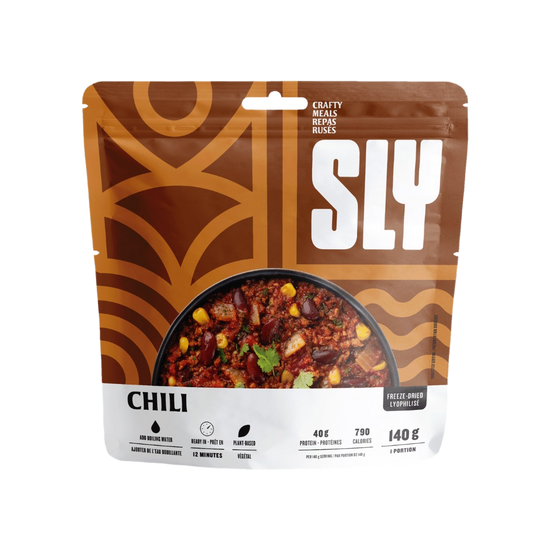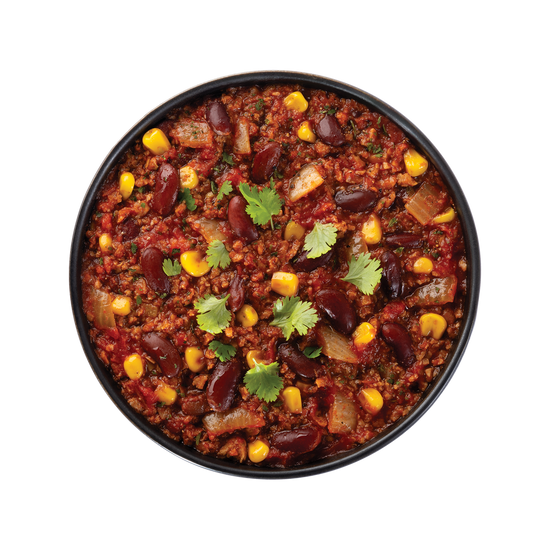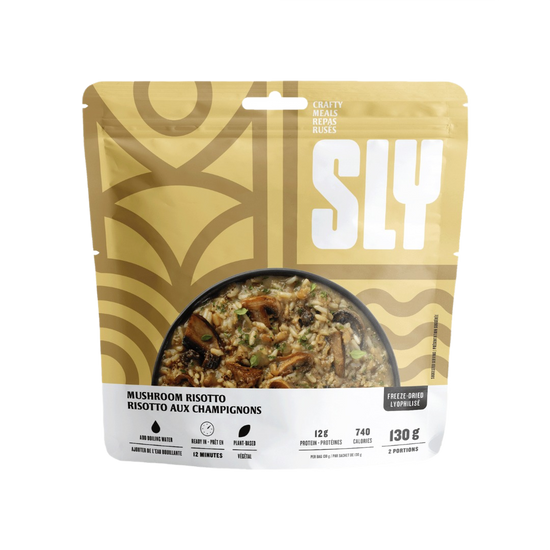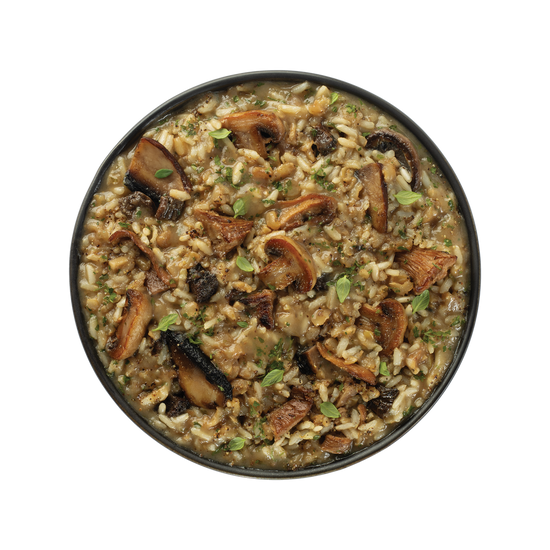
When you're looking to preserve food while maintaining its nutrient content, freeze-dried meals stand out as an effective option. Freeze-drying is a dehydration process by sublimation that removes water from food while preserving its flavor and nutritional value. Freeze-dried foods are therefore ideal for outdoor enthusiasts and adventurers looking for nutritious and durable meals for camping or emergency situations.
In this article, we will explain what freeze-dried meals are, the process of making freeze-dried foods, and more.
Understanding Freeze-Drying
Freeze-drying is a method used to preserve food, medications, and other materials by removing moisture. This technique allows for the preservation of the product's original qualities and extends its shelf life.
What is Freeze-Drying?
Freeze-drying is a dehydration process commonly used to preserve perishable products. It involves freezing the product, reducing the pressure, and then removing the ice by sublimation. This method is effective for preserving the chemical and physical properties of the treated item.
Freeze-drying is used in various fields, including food preservation and pharmaceuticals. It allows for long-term storage without the need for refrigeration. This method is useful for ensuring the stability and longevity of products by minimizing microbial activity and chemical changes.
Not sure what freeze-dried meals are? Learn more about what freeze-dried meals are in our blog post.
How Does Freeze-Drying Work?
Freeze-drying is a preservation method that removes water from food while preserving its nutritional value and structure. The process involves freezing the product, placing it under a vacuum where the ice sublimes (goes directly from a solid to a gas state), and applying controlled heat to ensure complete drying without damaging the food. This technique, which includes freezing, primary drying, and secondary drying, results in lightweight, long-lasting products that retain their original taste, texture, and nutrients, demonstrating the effectiveness of freeze-drying.
In the next sections, we will discuss food freeze-drying in detail. Keep reading!

Freeze-Drying Process
The freeze-drying process is a sophisticated method that involves precise temperature and pressure control to directly transform ice into vapor. This method stops spoilage while preserving the food's structure for extended storage.
1. Temperature Regulation
Temperature plays an essential role in the production of freeze-dried meals. Initially, food is frozen to a solid state to fix its structure. This step requires very low temperatures to ensure stability. The goal is to transform the water in the food into ice. After freezing, the temperature is gradually increased, just enough to allow sublimation without melting the ice, which helps in the efficient removal of water.
Maintaining low temperatures prevents thermal degradation and ensures the preservation of nutrients and flavors. For home freeze-drying, it is essential to have appropriate equipment that precisely controls the temperature to achieve optimal results.
2. The Role of Pressure
Pressure control is a key element of the freeze-drying process. When food is frozen, it is subjected to a vacuum that reduces atmospheric pressure, thus facilitating the sublimation of ice. By lowering the pressure, water molecules acquire the necessary energy to go directly from ice to vapor, without passing through the liquid phase.
This reduced-pressure environment is essential to prevent the collapse of the food's structure. The equipment used for home freeze-drying must be able to maintain a stable vacuum to effectively remove water and prevent food deterioration. Good pressure management ensures that freeze-drying does not compromise the texture or nutritional value of the food.
3. Duration and Phases
The freeze-drying process is divided into specific phases, each playing a crucial role in food preservation. Understanding how a freeze-dried meal is made and knowing these phases and their duration is essential to achieve the best results, whether at home or in a commercial setting.
Duration and phases of freeze-drying:
- Freezing Phase: The first phase involves freezing the material to very low temperatures. This step prepares the product for sublimation by solidifying the amount of water it contains.
- Primary Drying (Sublimation): During this phase, most of the water is removed by sublimation. This phase is often the longest as it is very sensitive to temperature and pressure, which must be carefully controlled to achieve optimal results.
- Secondary Drying (Desorption): The final phase targets residual water molecules, further reducing the amount of water it contains. Although shorter in duration, it is essential to ensure long-term preservation and shelf life stability.
By understanding the duration and phases of food freeze-drying, you can optimize the process to preserve food quality and maximize its shelf life, whether for home or commercial use.
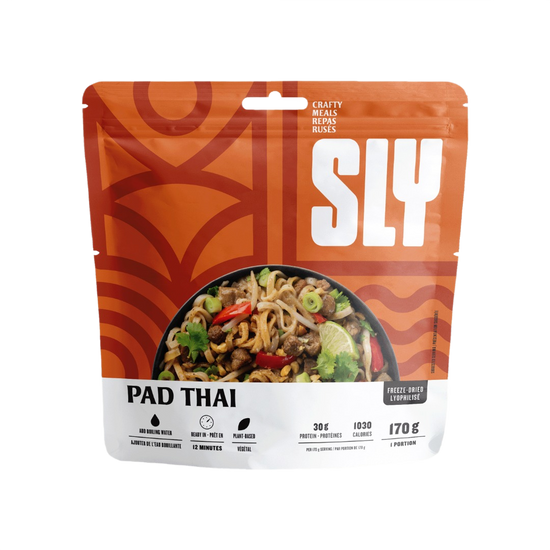
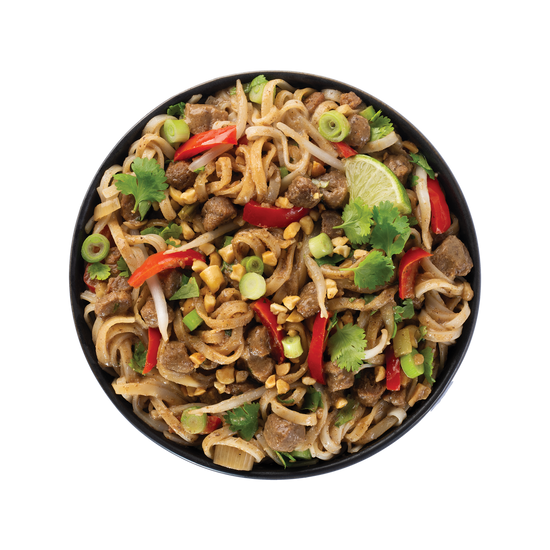
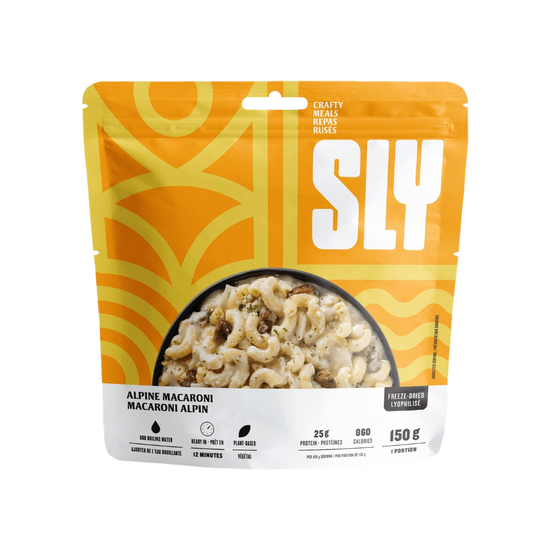
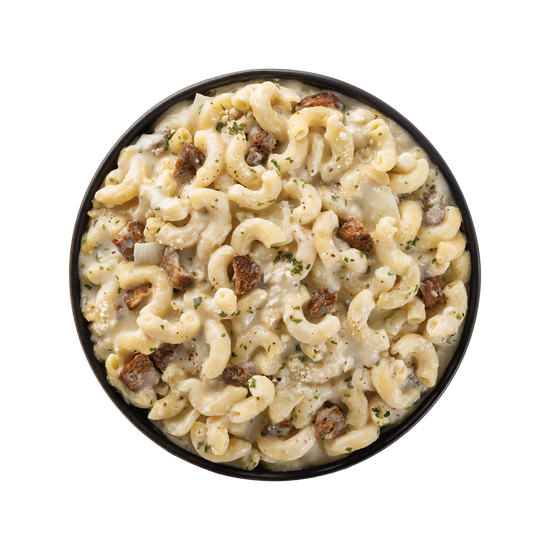
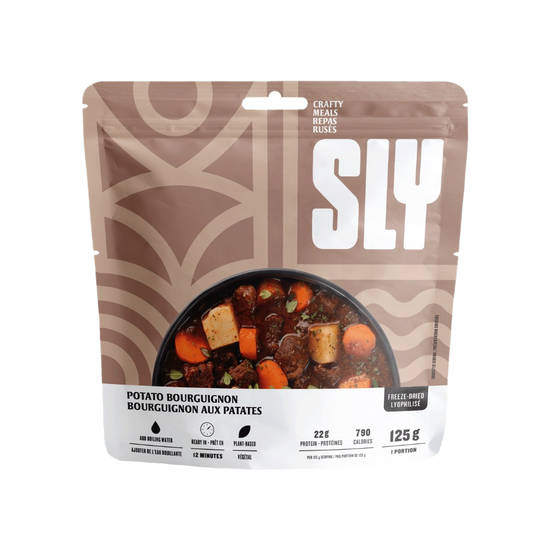
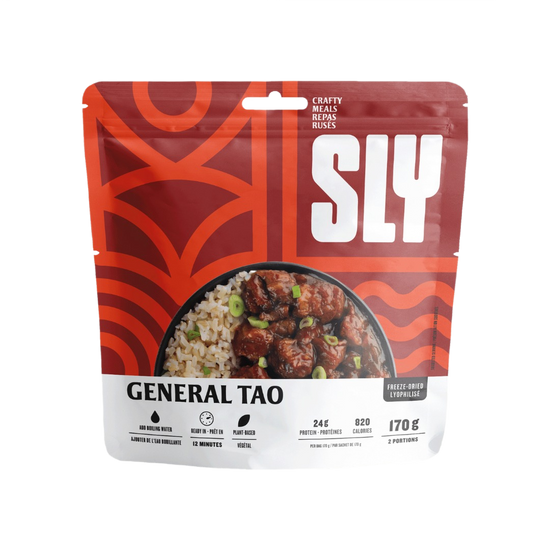
You Have to Try Our Well-Processed Freeze-Dried Meals!
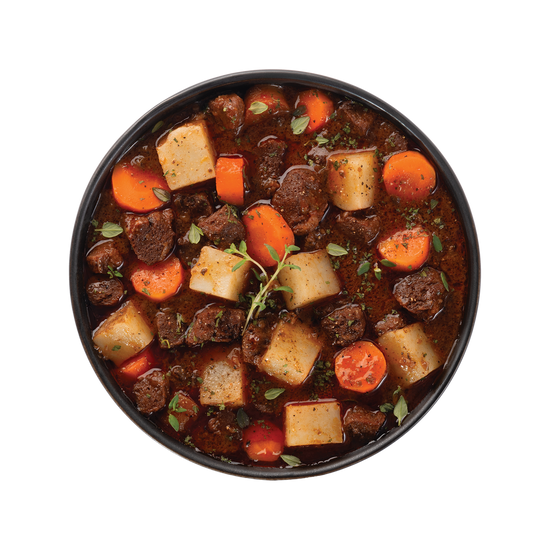
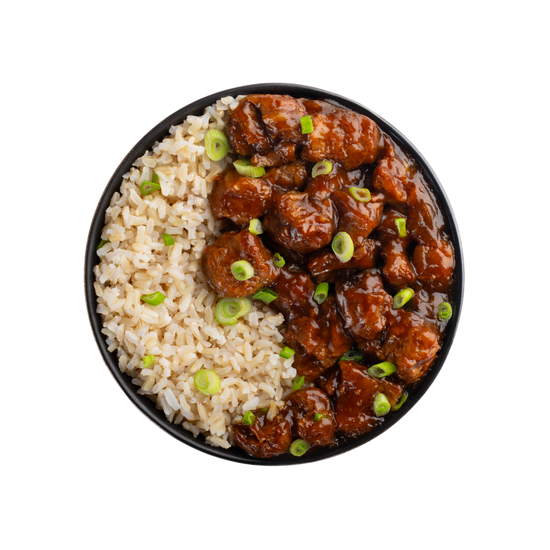
Discover how freeze-drying works and try our nutrient-rich freeze-dried vegan meals.
DIY Freeze-Drying
Home freeze-drying allows you to preserve food at home using various techniques, but how do freeze-dried foods perform in these DIY methods compared to commercial processes? While not as precise, these methods can still effectively extend the shelf life of various foods.
DIY Freeze-Drying Techniques:
- Using a Freeze Dryer: The most effective method for home freeze-drying is using a freeze dryer. This equipment mimics commercial freeze-drying by freezing food and using a vacuum to remove moisture by sublimation. While this method produces high-quality results, the equipment can be expensive.
- Freezing Method: For a simpler approach, you can freeze food by placing it in a single layer on a baking sheet and leaving it in the freezer for several weeks. Once frozen, store the food in airtight containers to slowly remove moisture. While this method is slow, it works well for small quantities of food.
- Dry Ice Method: Another option is to use dry ice to freeze-dry food. Place the food in a container surrounded by dry ice and leave it in a well-ventilated area for 24 to 48 hours. The dry ice will sublime, removing moisture from the food and preserving it.
- Vacuum Chamber Method: After freezing the food, place it in a vacuum chamber to remove moisture more quickly. This technique is faster than the freezing method, but it requires specialized equipment, making it less accessible for some.
Home freeze-drying offers a variety of techniques for preserving food at home, with options ranging from economical methods to those requiring more equipment. Each approach allows you to store food long-term while preserving its nutritional value.

Benefits and Considerations
Freeze-dried meals offer many advantages that make them an attractive option for long-term storage and outdoor adventures. However, it is important to consider certain factors to ensure you make the best choice based on your needs.
Benefits of Freeze-Dried Foods
Freeze-dried meals offer practical benefits, combining a long shelf life with impressive nutrient retention by preserving essential vitamins and minerals without high heat, which ensures that quality and flavor remain intact. By removing almost all moisture, freeze-dried meals resist spoilage, making them ideal for emergency kits, camping, and long-term storage without refrigeration. Their light weight and compact form make them easy to store and transport, providing nutritious and convenient meals whenever needed.
See our guide to learn more about the benefits of freeze-dried foods.
Are Freeze-Dried Foods Healthy?
Freeze-dried foods are increasingly recognized for their health benefits, primarily due to their ability to retain most of their nutritional content, including essential vitamins, minerals, and antioxidants. The freeze-drying process involves the sublimation of ice from frozen foods, which removes moisture without significantly affecting the food's structure or nutritional value. Unlike high-temperature preservation methods, the low temperatures used in freeze-drying help maintain the physical and chemical stability of food, ensuring that vital nutrients remain intact for extended storage periods(Tastemirova et al., 2020; Egas-Astudillo et al., 2020).
Freeze-dried foods are a healthy option due to their high nutritional retention, protection against microbial growth, and long shelf life. However, it is important to pay close attention to the freeze-drying process to maximize nutrient preservation and provide the best possible product to consumers(Tastemirova et al., 2020; Egas-Astudillo et al., 2020).
Frequently Asked Questions
Understanding freeze-drying means exploring the benefits of using a freeze-drying machine, its effects on candy, and the long-term storage process. You will also learn about home freeze-drying, the suitability of different fruits, and the nutritional comparison between freeze-dried ice cream and regular ice cream.
What are the benefits of using a freeze-drying machine?
A freeze-drying machine preserves food by removing moisture, which significantly extends its shelf life. This method retains a higher percentage of nutrients than other drying methods. It also reduces the weight of food, making it ideal for storage and transport.
How does freeze-drying candy affect its quality and taste?
Freeze-drying candy changes its texture and intensifies flavors. The resulting candy is often crunchy, with a more concentrated sweet taste due to the removal of water. This process enhances the sensory experience while preserving the original taste profile.
What is the process for freeze-drying food for long-term storage?
The freeze-drying process involves freezing the food, reducing the surrounding pressure, and adding heat to allow the frozen water in the food to sublimate directly into vapor. This process ensures minimal nutrient loss and is ideal for safely preserving various foods over long periods.
What are the steps involved in home freeze-drying?
To freeze-dry at home, you need a freeze dryer, which you can use by placing frozen food on trays. The machine handles the pressure reduction and gradual heating. Ensure that the food is then stored hermetically to prevent exposure to moisture and preserve its quality and longevity.
Can any type of fruit be freeze-dried, and how does it differ from fresh fruit?
Yes, you can freeze-dry most fruits like strawberries, bananas, and apples. Freeze-dried fruits retain much of their nutritional content and are a long-lasting alternative to fresh options. They are lightweight, have intensified flavor, and a crispy texture, which distinctly differentiates them from their fresh counterparts.
What is the nutritional value of freeze-dried ice cream compared to regular ice cream?
Freeze-dried ice cream retains most of the nutritional content of regular ice cream, including calories and sugar. The freeze-drying process preserves vitamins and minerals, but the absence of moisture creates a unique texture. It provides a satisfying treat without requiring refrigeration.
Conclusion
Freeze-dried foods offer exceptional benefits in terms of shelf life, convenience, and nutritional retention. Able to last up to 20 years while preserving up to 97% of their nutrients, they are ideal for long-term storage and emergency preparations. Whether you use them for daily meals or outdoor adventures, freeze-dried foods are a reliable, nutritious, and flexible solution.
You must try our well-processed freeze-dried meals!
Discover how freeze-drying works and try our nutrient-rich freeze-dried vegan meals.
References
- Tastemirova, U., Ciproviča, I., & Shingisov, A. (2020). The comparison of the spray-drying and freeze-drying techniques for camel milk : a review, 35, 102-105. Link here
- Egas-Astudillo, L., Martínez-Navarrete, N. and Camacho, M. (2020). Impact of biopolymers added to grapefruit puree and storage temperature of freeze-drying on process time reduction and product quality. Food and Bioproducts Processing, 120, 143-150. Link here