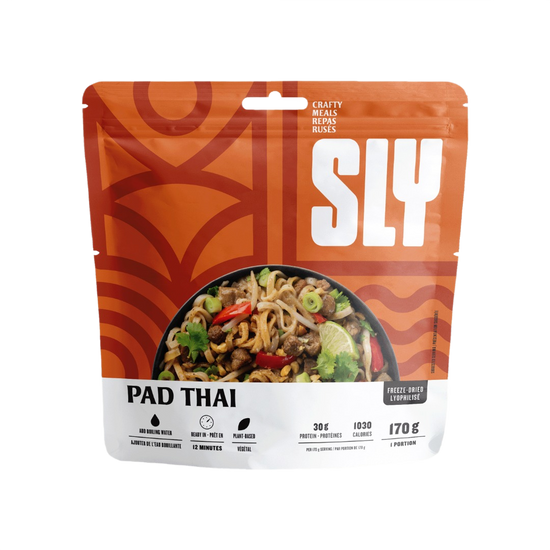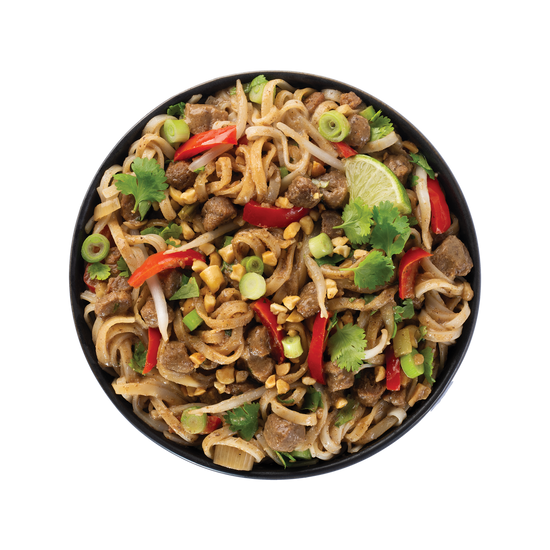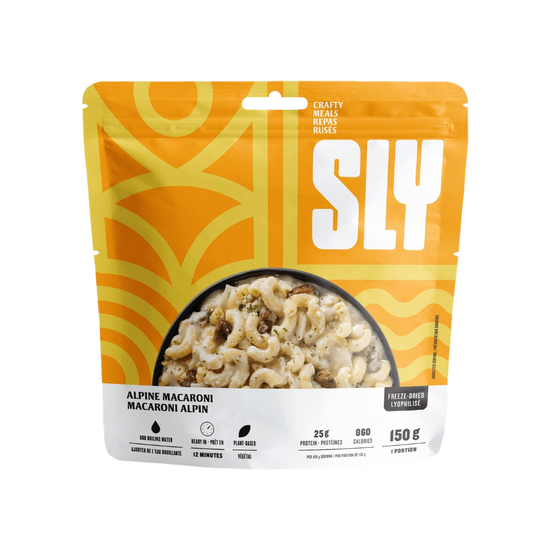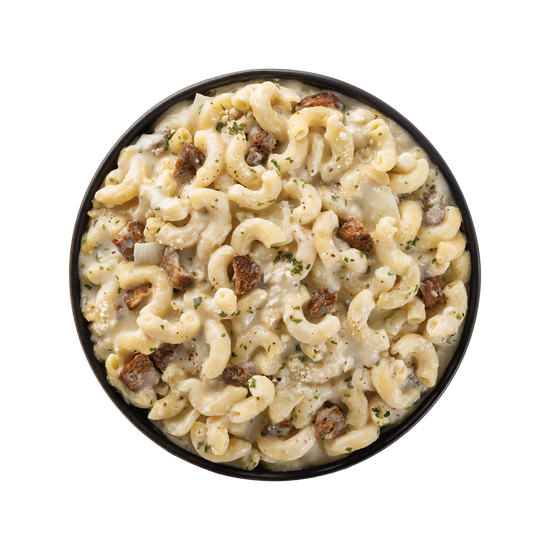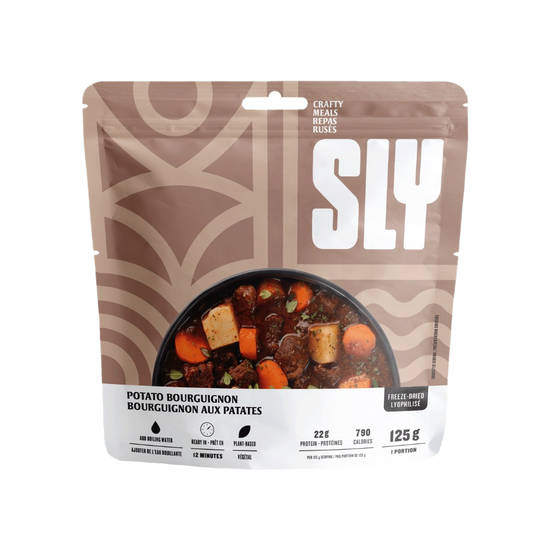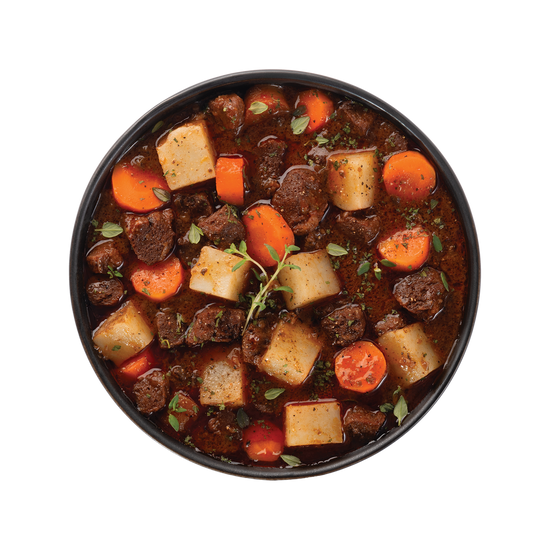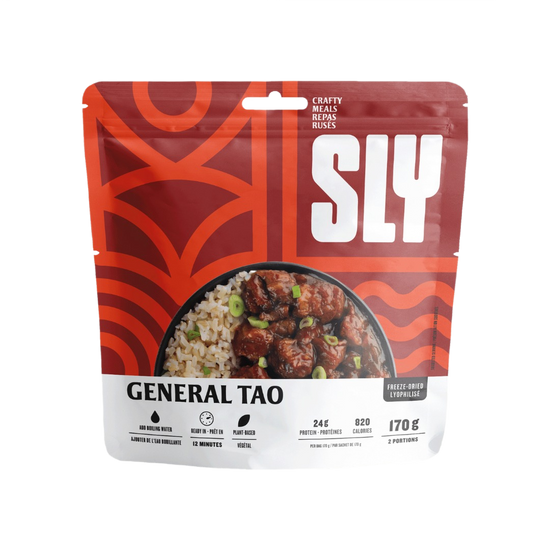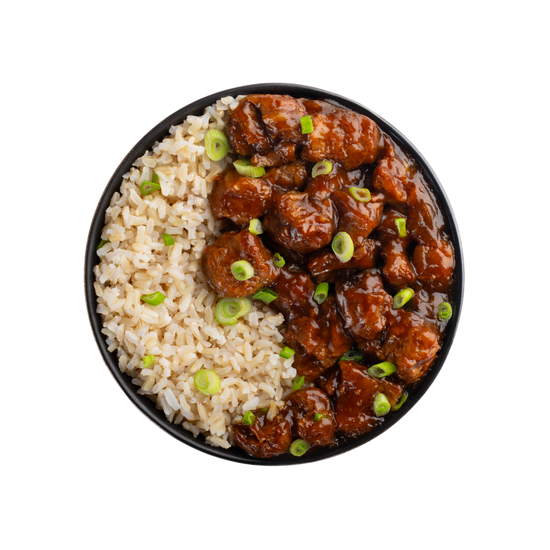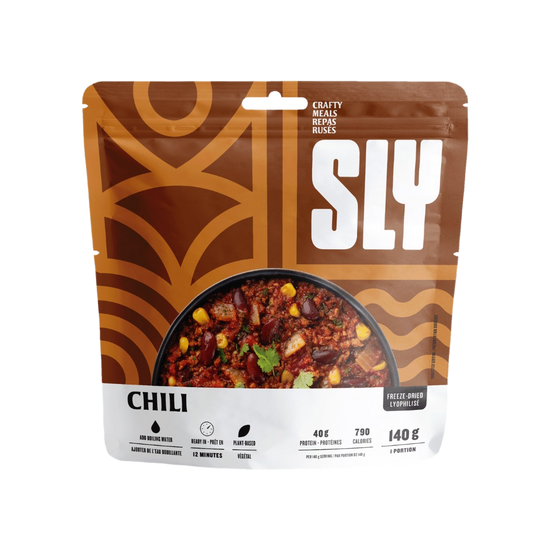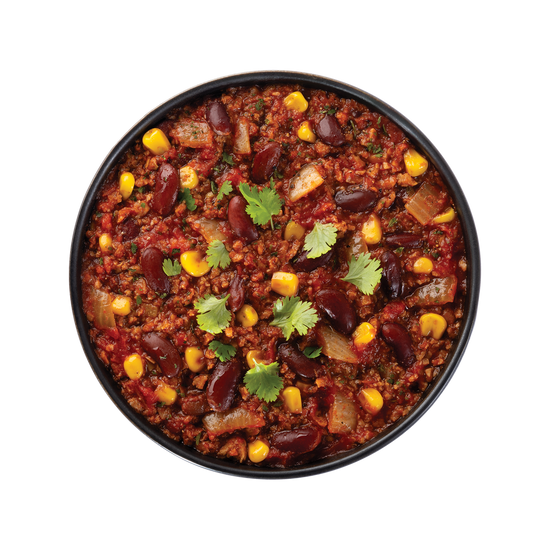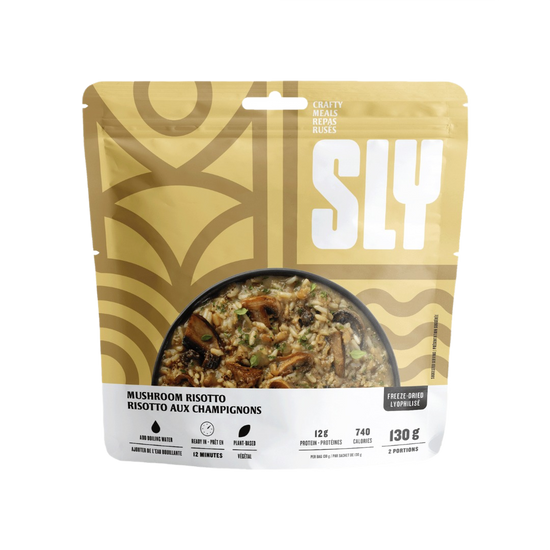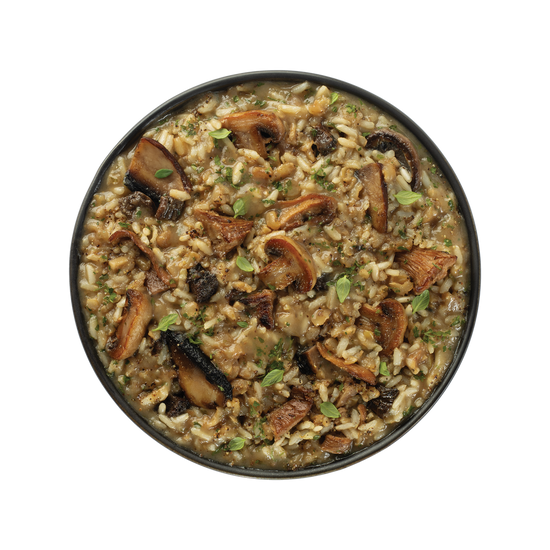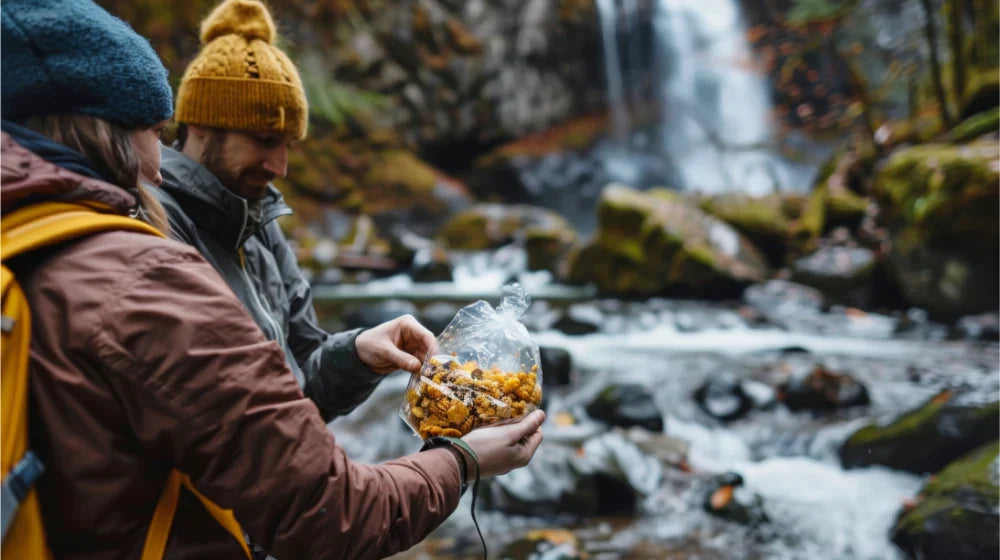
When planning outdoor adventures, freeze-dried food becomes the ultimate solution, offering lightweight, nutrient-rich meals with an impressive shelf life. Through a moisture-removal process, freeze-dried food retains the taste and nutritional value of fresh food while being easy to store and prepare. Just add water and you have a convenient, delicious meal, ready to fuel your adventure.
The Basics of Freeze-Drying
Freeze-drying is a highly effective preservation method that removes moisture while retaining the nutrition and flavor of a freeze-dried meal. This process significantly extends shelf life, making freeze-dried food ideal for outdoor adventurers.
What is Freeze-Dried Food?
Freeze-dried meals are products that have been dehydrated through a process of freezing and sublimation. This method preserves texture, taste, and nutritional value. By removing moisture while the food remains frozen, it avoids the common shrinkage and hardening of conventional drying methods. The result is a lightweight, stable product that can last for years if stored correctly.

The Freeze-Drying Process
The freeze-drying process begins by freezing the food to extremely low temperatures, typically between -30°F and -50°F. The next step is sublimation, where the frozen water in the food goes directly from a solid to a gaseous state in a vacuum chamber, bypassing the liquid phase. Maintaining low pressures during this phase is essential to prevent melting and ensure the preservation of the food's structure and nutrients. Finally, a secondary drying phase removes any remaining moisture, leaving the food lightweight and stable.
Check out our guide to learn more about the complete freeze-drying process for a meal.
Uses and Applications of Freeze-Dried Meals
Freeze-dried food is flexible and widely used in various sectors due to its lightness, durable qualities, and nutrient-retention capabilities. It is popular for outdoor activities like camping, essential for space missions, and a reliable option for emergency preparedness. In addition, it is used in the pharmaceutical industry to preserve sensitive materials and is convenient for home kitchens, making it a practical solution in everyday life and specialized fields.
Feel free to inquire about the uses of freeze-dried foods.
The History of Freeze-Dried Foods
The freeze-drying process dates back to the 15th century when the Incas used natural methods in the Andes to preserve food. However, the modern technology of freeze-dried food was developed during World War II to preserve blood plasma and later extended to food preservation. Therefore, if one wonders when and who invented freeze-dried foods, it is a combination of ancient ingenuity and modern science.
The Benefits of Freeze-Dried Foods
Freeze-dried dishes offer a range of benefits, including an extended shelf life and impressive nutritional retention. These aspects make them ideal for long-term storage and emergency preparedness.
Extended Shelf Life
One of the main advantages of freeze-dried meals is their long shelf life. By removing up to 99% of moisture, they become highly resistant to spoilage and can last for months or even years. The absence of water significantly reduces the risk of bacterial growth, making these foods ideal for emergency kits and long-term storage solutions. Since they do not require refrigeration, you can store them in various environments, saving space in your freezer.
Check out our detailed guide and learn how long freeze-dried foods last.
Nutritional Retention of a Freeze-Dried Meal
A freeze-dried meal retains most of its essential nutrients, including delicate vitamins like A and C, making it a healthy option for long-term storage. The freeze-drying process preserves taste, texture, and nutritional value, maintaining the food's original form and concentrating flavors. A freeze-dried dish is therefore suitable for various recipes, from snacks to full meals, without compromising on quality.
In addition to an extended shelf life and nutritional retention, freeze-dried food offers many incredible benefits. Check out our blog post to discover all the benefits of freeze-dried foods.

Types of Freeze-Dried Products
Freeze-drying is a popular choice for preserving a wide range of products. It helps retain flavor and nutritional value while significantly extending shelf life. You'll find a variety of freeze-dried fruits, vegetables, snacks, and desserts that meet both practical preservation needs and gourmet cravings.
Fruits and Vegetables
Freeze-dried fruits like strawberries and bananas, as well as vegetables like peas and bell peppers, retain their flavor, nutrients, and crunch, making them perfect for snacking or adding to meals like cereals, soups, and salads. Their lightness and long shelf life make them ideal for camping, emergency preparedness, or long-term storage. Whether used in cooking or as snacks, freeze-dried vegan meals offer convenience and nutrition when fresh options are unavailable.
Snacks and Desserts
A range of vegan snacks and desserts are also freeze-dried, offering tasty options for those with a sweet tooth. Freeze-dried vegan desserts such as coconut bites and fruit smoothie bars allow you to enjoy these treats without refrigeration. They retain their vibrant flavors and satisfying textures after rehydration, making them a delicious plant-based pleasure.
In the snack category, freeze-dried fruit and vegetable chips are very popular. They offer a crispy and flavorful option that is both nutritious and satisfying. These snacks are perfect for quick meals, and their lightness makes them easy to carry.
Need freeze-dried food for your next adventure?
Ready for lightweight, nutritious meals that last? Explore our selection of freeze-dried meals and stock up on quality, fresh-tasting products, anytime, anywhere!
How to Prepare Freeze-Dried Foods?
Preparing freeze-dried foods involves rehydrating them for consumption, understanding the DIY freeze-drying processes, and using the right equipment for home freeze-drying. This practice helps preserve food longer and maintain its quality.
How to Prepare Freeze-Dried Meals (Rehydration Methods)
Preparing a freeze-dried dish is incredibly simple and convenient, making it a perfect option for outdoor adventurers and emergency situations. The process generally involves rehydrating the food with water to restore its original taste and texture.
Here are the 5 steps to effectively freeze-dry food:
- Boil water: Heat the necessary amount of water according to the package instructions. Hot water speeds up the rehydration process for most meals.
- Pour water over the meal: Slowly pour hot water into the freeze-dried meal pouch or bowl, ensuring all parts of the food are evenly covered.
- Stir the food: Stir the food well to ensure even distribution of water, making sure all parts begin to absorb moisture.
- Close or cover the container: After adding water, reseal the pouch or cover the bowl to trap steam and facilitate the rehydration process. Let it sit for the recommended time (usually 8 to 12 minutes).
- Check and enjoy: Open the container, stir the meal one last time, and check that it has reached the desired consistency. If the food is fully rehydrated, it’s ready to eat!
With these simple steps, you can enjoy a tasty and nutritious meal in just minutes, whether you're on the trail or at home. A freeze-dried dish is quick, hassle-free, and perfect for any situation requiring an easy-to-prepare option.
If you're planning an adventure or just looking for information, we have a dedicated blog post on how to rehydrate freeze-dried foods.
DIY Freeze-Drying Steps
Creating freeze-dried dishes at home involves a series of steps. Start by freezing the food to a temperature of at least -30°F. This first step can be done in a regular home freezer, but a specialized freeze-drying machine yields better results. After freezing, use a vacuum pump to lower the pressure and facilitate the sublimation of the ice. Completing the process requires patience, but it offers notable advantages for DIY enthusiasts.
Freeze-Drying Equipment
When heading into the wilderness, having the right freeze-drying equipment is essential for storing and preparing freeze-dried backpacker meals. Portable tools such as vacuum sealers, Mylar bags, oxygen absorbers, and compact stoves ensure fresh and easy-to-carry meals, while accessories like collapsible kettles, resealable pouches, and silica gel packets facilitate rehydration. Equipping yourself with these tools ensures you have reliable and nutritious freeze-dried meals throughout your journey, making outdoor adventures more enjoyable.

Comparison with Other Preservation Methods
When comparing food preservation methods, you will find that freeze-dried dishes have distinct advantages and challenges compared to methods such as dehydration and canning. Each method affects food quality, shelf life, and nutrient retention in its own unique way.
Freeze-Drying vs. Dehydration
Dehydration and freeze-drying are common food preservation methods, but they differ significantly. Dehydration removes 80 to 95% of moisture using heat, which can lead to a loss of nutrients and flavors, although it is a cheaper and more accessible option for home use. Freeze-drying, on the other hand, uses a cold vacuum process to remove 98 to 99% of moisture, which better preserves nutrients, flavor, and texture, and offers a shelf life 7 to 8 times longer. While freeze-dried dishes are more expensive, their superior quality and resistance to spoilage make them ideal for long-term storage and outdoor adventures.
Both methods benefit from oxygen absorbers to extend shelf life, but a freeze-dried meal, with its low moisture content, offers better resistance to spoilage.
Check out our detailed blog to learn more about freeze-dried vs. dehydrated meals and choose what suits you best.
Freeze-Dried Foods vs. Canned Foods
When it comes to preserving food for long-term storage or outdoor adventures, freeze-dried meals and canned foods are two popular options. Understanding the differences between these methods can help you choose the best solution for your needs.
| Criteria | Freeze-dried foods | Canned foods |
|---|---|---|
| Preservation method | Removes moisture through sublimation, thus preserving food. | Preserved using heat and pressure, often with liquids |
| Taste and texture | Maintains original taste and texture | May contain added preservatives or salt, altering the taste. |
| Additives/preservatives | Generally none required | Often contains preservatives or salt |
| Weight | Lightweight due to moisture removal | Heavier due to liquid retention |
| Shelf life | 25-30 years with proper storage | 1-5 years depending on food type |
| Nutritional value | Retains most nutrients and flavors | Loss of nutrients due to heating |
| Portability | Very light and easy to pack | Heavier, less practical for long-distance transport |
| Convenience | Quick rehydration with water | Ready to eat, but may require heating |
Both freeze-dried meals for hikers and canned foods offer unique advantages, from their long shelf life to their convenience. Your choice will depend on whether you prioritize portability and nutrition or prefer ready-to-eat meals with minimal preparation.
Environmental and Economic Impact of Freeze-dried Foods
From an environmental perspective, freeze-drying can contribute to sustainable development by reducing food waste. Preserving food through freeze-drying allows for longer storage times, which can lead to a decrease in spoilage and waste, both at the consumer and retailer level. Research indicates that frozen foods, including freeze-dried products, can reduce household food waste by 47% compared to fresh produce(Martindale & Schiebel, 2017; Martindale, 2016). This reduction is crucial for addressing the global food waste crisis, which has significant environmental consequences, including increased greenhouse gas emissions from food decomposition(Martindale & Schiebel, 2017; Martindale, 2016).
From an economic perspective, freeze-drying is recognized as a more energy-intensive process than conventional drying methods, consuming approximately 20-25% of the total energy used in the food industry(Merone et al., 2020). However, the high quality of freeze-dried products and their extended shelf life can justify the initial energy costs. The process yields products with lower density and higher rehydration rates, which improves consumer acceptability and marketing opportunities(Rayaprolu, 2015; Oyinloye & Yoon, 2020).
Check out our detailed blog post to learn more about the environmental and economic impact of freeze-dried foods.
Frequently Asked Questions
Choosing a freeze-dried meal requires understanding its benefits and considering factors such as nutritional value, shelf life, and the possibility of using DIY methods. It's important to know if all foods can be freeze-dried and what to look for when buying these products.
What are the advantages of choosing freeze-dried foods?
Freeze-dried foods are lightweight and portable, making them ideal for camping, hiking, and emergency storage. They retain much of their original flavor, texture, and nutritional value. These foods require minimal preparation, as often only water is needed to rehydrate them, making them even more convenient.
How does the freeze-drying process affect the nutritional value of food?
Freeze-drying can preserve up to 98% of the nutrients in food. By removing moisture without using heat, the process preserves nutrients, making it one of the best preservation methods compared to canning or dehydrating, where some nutrients are often lost.
What criteria should be considered when choosing a brand of freeze-dried foods?
Look for transparency in ingredient lists, ensuring there are no additives or preservatives. Consider the shelf life, as some foods may last longer than others. Evaluate customer reviews and check if the brand prioritizes maintaining flavor and nutritional content. The packaging method is also important for maintaining product quality.
Can any type of food be freeze-dried, or are there limitations?
Most fruits, vegetables, and meats can be freeze-dried. However, some high-fat foods, such as avocados or peanut butter, do not freeze-dry well due to their oil content, which reduces their shelf life or compromises their texture. Freeze-drying is better suited for foods whose flavor and consistency do not depend on fats.
What is the shelf life of freeze-dried food products?
Shelf life can vary depending on the type of food. For example, freeze-dried fruits such as berries and stone fruits can last 15-20 years under optimal storage conditions. For optimal quality, they should be stored for up to 12 years. Always consult the product packaging for accurate shelf life information.
How do home freeze-drying methods compare to commercial techniques?
Home freeze-drying can be more accessible and affordable thanks to modern appliances, but commercial methods generally yield more consistent results with professional-grade equipment. Quality and shelf life may vary, but home methods allow for greater control over ingredients and customization to individual dietary preferences.
Conclusion
Freeze-dried foods are the ideal solution for adventurers and emergency preparers, as they are both practical and nutritious. Their lightness and long shelf life make them ideal for hiking, camping, or storage for later use, with a variety of options from fruits to complete meals. With freeze-dried foods, you can retain essential nutrients and enjoy tasty meals, wherever your adventures take you.
Are you vegan and want to try vegan freeze-dried meals on your next adventure? Visit our store!
Need freeze-dried food for your next adventure?
Ready for lightweight, nutritious meals that last? Explore our selection of freeze-dried meals and stock up on quality products with fresh taste, anytime, anywhere!
References
- Andrade, M., Filho, J., Rodrigues, É., Pereira, M., Silva, A., & Mello, S. (2022). Development of freeze-dried products based on frog meat for special diets: microbiological and sensory characteristics. Revista Ciência Agronômica, 53. Link here
- Bhatta, S., Janežić, T., & Ratti, C. (2020). Freeze-drying of plant-based foods. Foods, 9(1), 87. Link here
- Dziki, D., Polak, R., Rudy, S., Krzykowski, A., Gawlik-Dziki, U., Różyło, R., ... & Combrzyński, M. (2018). Simulation of process kinetics and analysis of physicochemical properties in freeze-drying of kale. International Agrophysics, 32(1), 49-56.Link here
- Karwacka, M., Gumkowska, M., Rybak, K., Ciurzyńska, A., & Janowicz, M. (2021). Impact of sodium alginate and dried apple pomace powder as carrier on properties of freeze-dried vegetable snacks. Polish Journal of Food and Nutrition Sciences, 451-461. Link here
- Karwacka, M., Rybak, K., Sergiy, S., Galus, S., & Janowicz, M. (2022). Analysis of selected functional properties, resource demands, and energy consumption of freeze-dried vegetable snacks. Journal of Food Processing and Preservation, 46(7). Link here
- Martindale, W. (2016). The potential for food preservation to reduce food waste. Proceedings of the Nutrition Society, 76(1), 28-33. Link here
- Martindale, W., & Schiebel, W. (2017). The impact of food preservation on food waste. British Food Journal, 119(12), 2510-2518. Link here
- Merone, D., Colucci, D., Fissore, D., Sanjuán, N., & Cárcel, J. (2020). Energy and environmental analysis of ultrasound-assisted atmospheric freeze-drying of food. Journal of Food Engineering, 283, 110031.Link here
- Oyinloye, T., & Yoon, W. (2020). Effect of freeze-drying on quality and grinding process of food products: a review. Processes, 8(3), 354. Link here
- Rayaprolu, S. (2015). Physical and textural attributes of freeze-dried genetically modified and non-genetically modified soy beans. Journal of Food and Nutrition Sciences, 3(3), 119. Link here
- Çorapçı, B., & Güneri, N. (2020). Comparative evaluation of nutritional composition and physicochemical properties of fresh, freeze-dried, and rehydrated minced rainbow trout (oncorhynchus mykiss walbaum, 1792). Food Science and Technology, 40(suppl 1), 163-169. Link here