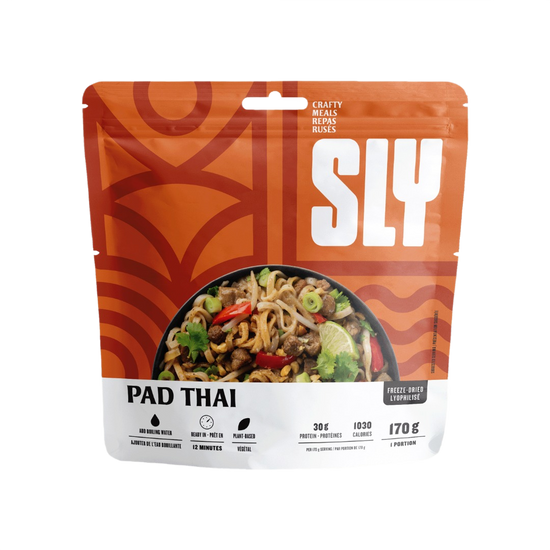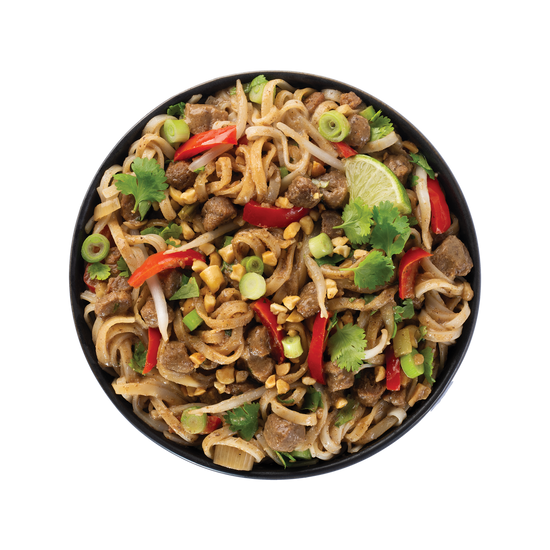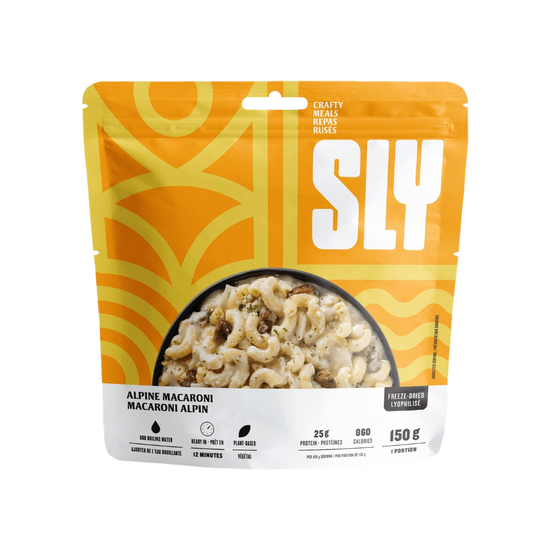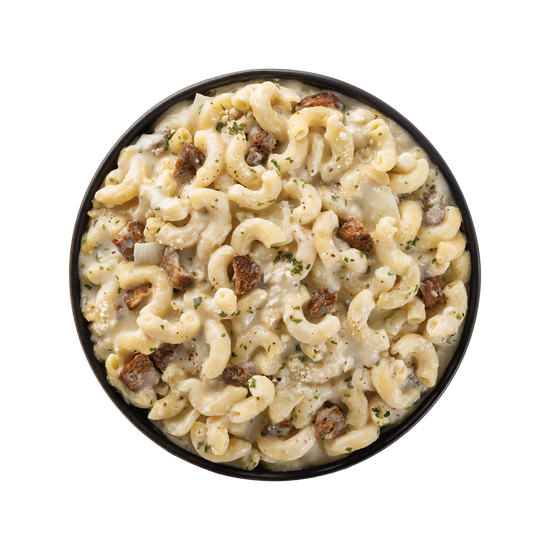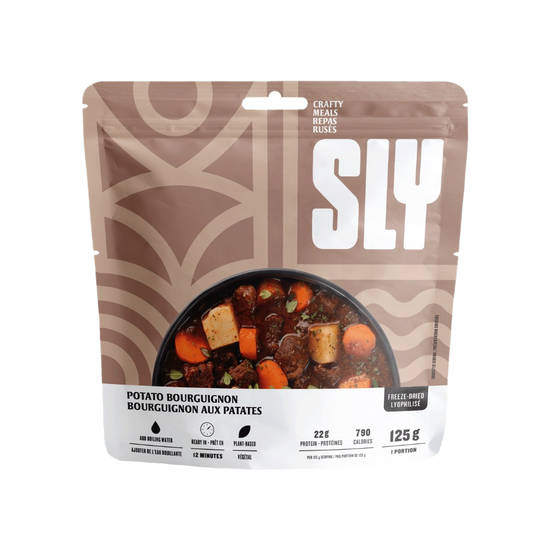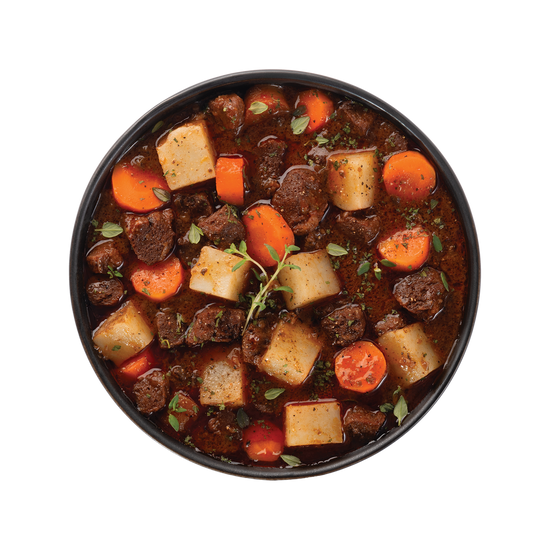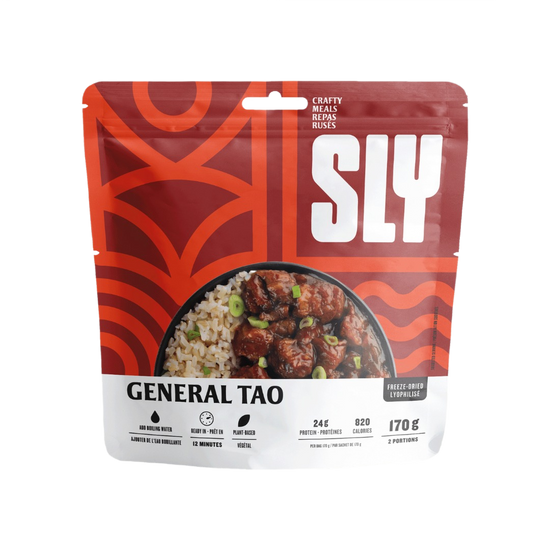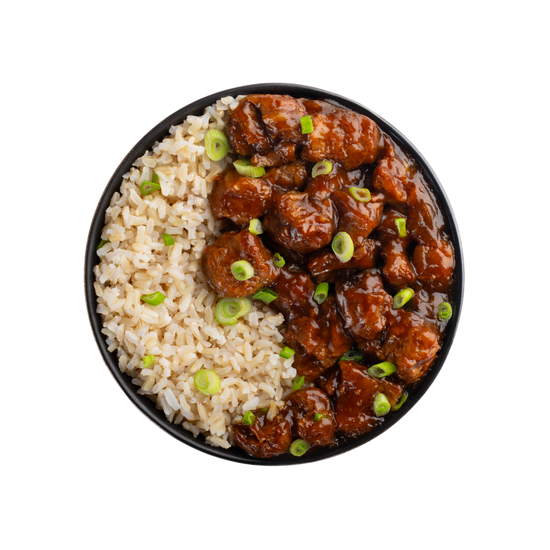
Imagine a meal that stays fresh and flavorful for decades, perfect for your next adventure or emergency preparedness. That's exactly what freeze-dried foods offer, but how long do freeze-dried foods last? In this article, we'll explore everything you need to know about its impressive shelf life and the factors that influence it, so you can make informed decisions for your outdoor adventures or long-term storage.
How long do freeze-dried foods last?
Freeze-dried foods are known for their impressive longevity. When stored correctly, these freeze-dried meals last between 25 and 30 years, which is significantly longer than most traditional food preservation methods. Adequate storage conditions include a cool, dry environment and airtight packaging to protect food from moisture and light.
The almost complete removal of water not only prevents food spoilage, but also prevents the growth of microorganisms that cause degradation. This makes freeze-dried foods particularly useful for emergency preparedness, camping trips, and long-term storage. The estimated shelf life is 25-30 years, but optimal storage conditions can sometimes extend it even further.
Principles of freeze-drying
Understanding the basics of freeze-drying involves knowing what freeze-dried food is, how long freeze-dried foods last, and the typical shelf life of different types of freeze-dried foods. This process is a highly effective preservation technique that ensures longevity without compromising nutritional quality.
What is a freeze-dried meal?
Freeze-dried meals are produced through a process called sublimation, where frozen water is directly removed as vapor, preserving the food's nutritional value and texture. This method allows foods such as fruits and vegetables to remain lightweight, easy to store, and ready for rehydration. If you're wondering how long freeze-dried foods last, the answer lies in their ability to stay fresh for decades without additives, making them perfect for adventurers and emergency situations.
Here's a guide to learn more about what a freeze-dried meal is.
Shelf life of different freeze-dried foods
The shelf life of freeze-dried foods can vary significantly depending on the type of food and how it is stored. Below is a table showing the estimated shelf life of various freeze-dried products, giving you a clear idea of how long each option will last under optimal conditions.
| Type of freeze-dried food | Estimated shelf life | Optimal storage conditions | Key notes |
|---|---|---|---|
| Fruits (pears, watermelons, etc.) | 15 to 20 years | Cool, dry, airtight containers | Shelf life varies by type of fruit |
| Vegetables (e.g., peas, carrots) | 25 to 30 years | Sealed, moisture-free environments | Nutrients and texture are well preserved |
| Complete meal packages | 20 to 25 years | Cool, dry, airtight environments | Perfect for long-term emergency storage |
| Grains (e.g., rice, oats) | 20 to 30 years | Airtight containers, cool storage | Excellent for bulk storage |
| Herbs and spices | 10 to 15 years | Sealed, dry containers | Flavor may diminish over time |
Maintaining adequate conditions is essential to extend the shelf life of freeze-dried foods, ensuring they remain safe and ready to eat for years.

5 Factors influencing the shelf life of freeze-dried foods
The shelf life of freeze-dried foods depends on several factors, including storage temperature, humidity, oxygen levels, location, and the type of containers used. Knowing how these elements affect preservation can help you determine how long freeze-dried foods last and ensure you maximize the longevity of your supplies.
1. Storage temperature
It is essential to store freeze-dried foods at a stable and cool temperature. Heat accelerates chemical reactions and can lead to food spoilage. Ideally, store your food in an environment with a temperature between 10°C and 21°C (50°F and 70°F).
Temperature fluctuations increase the risk of spoilage; therefore, avoid storing your products near heat sources or appliances. Consistent temperatures ensure that nutrients and flavors remain intact over time. Monitoring the climate in your storage area can provide protection against undesirable temperature spikes.
2. Water content
Moisture is a critical element that can significantly affect how long freeze-dried foods last. Even a small amount of water can lead to spoilage. It is essential to store food in an airtight container to prevent moisture penetration.
Desiccants or moisture absorbers can provide additional protection to maintain dry conditions. Monitor humidity levels, especially in basements and attics, which tend to be more humid. Using a hygrometer can help you monitor and maintain optimal conditions for long-term storage.
3. Oxygen content
Exposure to oxygen can cause oxidation and spoilage of freeze-dried foods, thus reducing their shelf life. The use of oxygen absorbers effectively removes residual air in sealed packages, helping to extend their shelf life. However, estimating the shelf life of freeze-dried foods without oxygen absorbers is not accurate. Without them, even small amounts of oxygen can lead to a loss of flavor and nutritional quality over time. Therefore, it is essential to use appropriate oxygen barriers, such as vacuum sealing for long-term storage.
4. Storage location
The storage location is just as important as the conditions, as it has a direct impact on how long freeze-dried foods last. If you're wondering how to store freeze-dried foods? Choose a dry, cool, and stable place, away from pest-prone areas. Garages can experience greater temperature changes and humidity levels than indoor pantries.
Ensure the location is not exposed to direct sunlight or drastic environmental changes. A consistent environment will more effectively preserve the longevity of your food. Shelves can also help you store your products and keep them off the floor, where moisture can seep in.
5. Storage containers
The choice of storage containers plays an essential role in how long freeze-dried foods last. Use containers specifically designed for long-term food storage. Mylar bags, plastic buckets with an airtight lid, or glass jars with an airtight seal are excellent choices.
Mylar bags combined with oxygen absorbers offer great protection against light and air. Careful selection and maintenance of containers help prevent contaminants from compromising quality. Regular inspection of your containers for damage or wear ensures maximum protection of stored food.

The best freeze-dried foods for long-term storage
When considering freeze-dried foods for long-term storage, prioritize options that offer durability, nutritional value, and a variety of flavors to ensure balanced meals. Evaluating your pantry's specific needs will guide you in choosing the most appropriate options.
Freeze-dried vegetables
It is essential to include a mix of freeze-dried vegetables in your reserves. Vegetables such as peas, carrots, and bell peppers retain much of their nutritional value after the freeze-drying process. These options provide essential vitamins and minerals, which are vital for maintaining health over long periods. One of the advantages of freeze-dried vegetables is their flexibility. You can easily add them to soups, stews, or pasta dishes, enhancing both flavor and nutrition.
When stored in sealed Mylar bags or #10 cans with oxygen absorbers, these vegetables have a shelf life of over 20 years, ensuring the viability of your supply for decades. Choose low-fat products to maximize their longevity.
Freeze-dried fruits
Freeze-dried fruits are a tasty and nutritious option for long-term food storage. Here's why they make an excellent addition to your emergency supplies or camping gear:
- Long shelf life: When properly packaged, freeze-dried fruits such as strawberries, apples, and bananas can last for over 25 years.
- Nutritional value: The freeze-drying process preserves the natural sweetness, vitamin C, and essential nutrients, making these fruits a healthy option.
- Versatility: Perfect as snacks or as additions to cereals and desserts, freeze-dried fruits add variety to your meals.
- Airtight packaging: Storing them in airtight containers protects them from moisture, further extending their shelf life.
By incorporating freeze-dried fruits into your supplies, you'll enjoy a tasty and healthy option that can last for decades.
Nutrient-rich meals
Having complete, nutrient-rich meals allows you to maintain a balanced diet, even in an emergency. Options such as freeze-dried stews, pastas, and rice dishes are not only simple to prepare but also retain up to 97% of their nutritional value. These meals demonstrate the longevity of freeze-dried foods, which remain fresh for up to 25 years if stored correctly. By incorporating these ready-to-eat options, you save preparation time while ensuring variety in your diet. Storing them in Mylar bags with oxygen absorbers helps preserve their freshness and longevity.
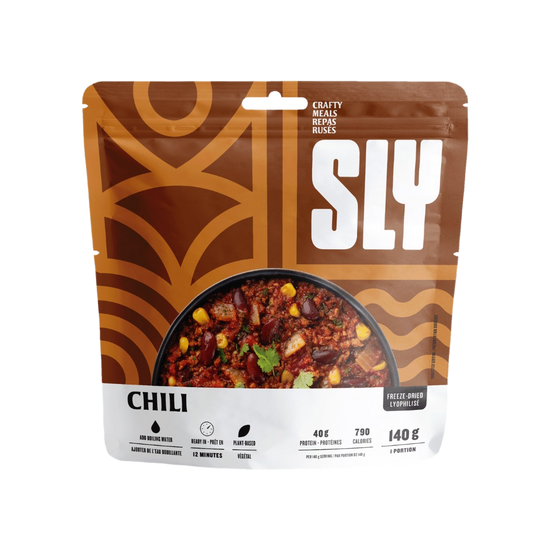
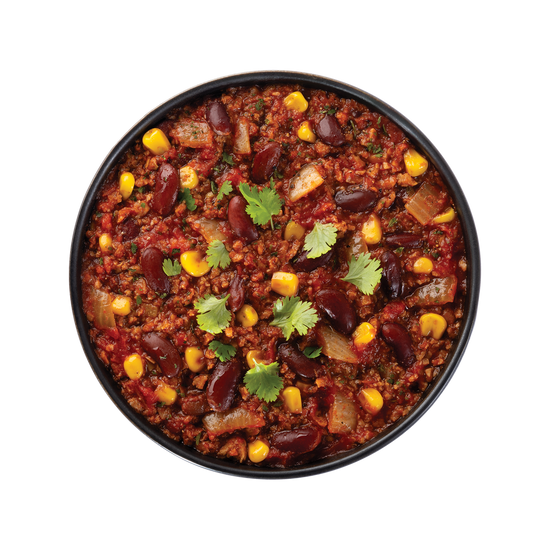
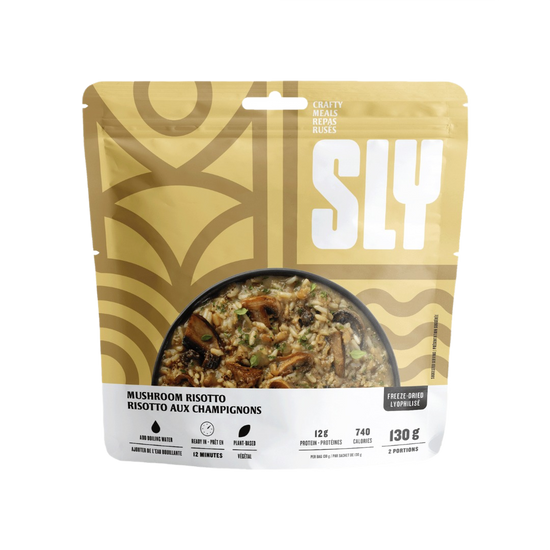
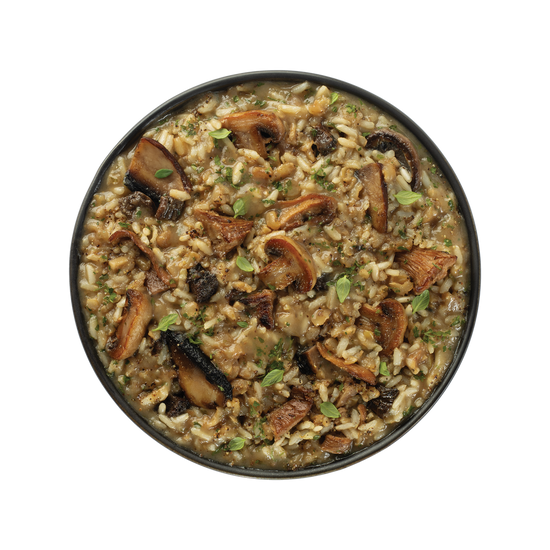
Stock up on long-lasting vegan freeze-dried foods!
Enjoy long-lasting, nutritious, and delicious vegan meals. Perfect for adventurers and active lifestyles. Click now to discover our selection!
Tips and considerations
When storing freeze-dried foods, certain practices can help preserve their longevity. It's essential to avoid common mistakes and understand how long freeze-dried foods last compared to dehydrated foods.
10 tips for extending the shelf life of freeze-dried foods
Knowing how to properly store freeze-dried foods is essential to keep them fresh for as long as possible. Here are some tips to optimize their shelf life.
- Store in a cool, dark place: Maintain a stable, cool environment away from direct sunlight to prevent degradation.
- Use oxygen absorbers: Adding oxygen absorbers helps remove excess air, which increases product shelf stability and prevents spoilage.
- Ensure airtight containers: Use airtight containers to protect freeze-dried food from moisture and air exposure.
- Invest in Mylar bags: Mylar bags with a heat seal offer optimal protection against environmental factors.
- Label with purchase dates: Label packages with purchase dates to easily track freshness and manage rotation.
- Regularly check packaging: Frequently inspect packaging for any failures and to ensure seal integrity is maintained.
- Keep away from moisture: Store products in low-humidity areas to prevent moisture infiltration, which can reduce the shelf life of freeze-dried foods.
- Avoid temperature variations: Ensure the storage area maintains a consistent temperature to prevent spoilage from extreme fluctuations.
- Store in bulk for efficiency: Storing larger quantities of freeze-dried food in the same container helps reduce air exposure when packages are opened.
- Rotate your stock: Regularly rotate your freeze-dried food stock to use older products first and keep the freshest items available.
By following these tips, you can maximize how long freeze-dried food lasts and ensure it remains fresh and ready for use at any time.

Common Mistakes That Shorten Freeze-Dried Food Shelf Life
To maximize the shelf life of freeze-dried foods, careful attention to storage practices is essential. Even small errors can significantly reduce how long freeze-dried food lasts, leading to wasted product and diminished nutritional value. By avoiding these mistakes, you'll get the most out of your freeze-dried food.
- Air exposure: Allowing freeze-dried food to come into contact with air compromises its quality. Once exposed, it should be consumed within a month to prevent spoilage.
- Incorrect storage location: Placing freeze-dried food near heat sources or in direct sunlight accelerates nutrient degradation and food spoilage.
- Inadequate packaging: Simple plastic bags don’t provide the necessary protection against elements, allowing air and moisture to shorten food’s shelf life.
- Lack of moisture protection: Failing to use airtight containers allows moisture to penetrate, which reduces the lifespan of freeze-dried food.
- No light barrier: Light exposure can degrade nutrients. Therefore, storing food in light-blocking containers is crucial for maintaining quality.
- Irregular temperature: Frequent temperature changes can cause product deterioration. Consistent cool temperatures are key for product longevity.
By avoiding these common mistakes, you can significantly extend how long freeze-dried food lasts, preserving its freshness, flavor, and nutritional value. Proper storage practices will ensure that your food supply is ready whenever you need it, whether for outdoor adventures or emergency preparedness.
Shelf Life Comparison: Freeze-Dried vs. Dehydrated Foods
When it comes to long-term food storage, freeze-dried and dehydrated foods offer different shelf lives, textures, and nutritional retention. Here's a comparison of different types of foods processed with freeze-drying and dehydrating to help you choose the best method for your needs.
| Type of Food | Freeze-Dried Shelf Life | Dehydrated Shelf Life | Key Differences |
|---|---|---|---|
| Fruits (e.g., Strawberries, Apples) | 25-30 years | 10-15 years | Freeze-dried fruits better retain original flavor and texture. |
| Vegetables (e.g., Peas, Carrots) | 25-30 years | 10-15 years | Freeze-dried vegetables maintain shape and nutrients better. |
| Full Meals (e.g., Stews, Pasta) | 20-25 years | 5-10 years | Freeze-dried meals maintain taste and consistency better after rehydration. |
| Herbs and Spices | 10-15 years | 3-5 years | Freeze-dried herbs retain flavor for longer. |
Freeze-dried foods generally last longer and retain more flavor, texture, and nutrients than their dehydrated counterparts. The choice between the two depends on the food type and intended storage duration.
How to use freeze-dried food
Rehydrating freeze-dried food is simple: just add water and let it absorb, with warm water speeding up the process and cold water taking longer. Some foods like soups need simmering, while fruits and snacks often rehydrate after a brief soak. Adjust the texture to your liking and experiment to find the best approach for each food.
Consult our guide and learn how to rehydrate freeze-dried foods.
Frequently Asked Questions
When it comes to storing freeze-dried food, proper practices are key to preserving its longevity. Additionally, understanding the differences between freeze-dried and dehydrated foods can help you make informed storage decisions.
What are the best practices for storing freeze-dried food to maximize its shelf life?
To maximize the shelf life of freeze-dried food, store it in a cool, dry place away from direct sunlight. Airtight containers with oxygen absorbers can prevent moisture and air from degrading the food's quality. Proper storage can ensure your food remains edible for decades.
How does the shelf life of freeze-dried food compare to that of dehydrated food?
Freeze-dried food generally lasts significantly longer than dehydrated food. While freeze-dried food can last 25 to 30 years when stored correctly, dehydrated food typically lasts no more than 15 years. The critical difference lies in the amount of moisture left in the food after the preservation process.
Are there any freeze-dried foods that have a shorter or longer shelf life than others?
Fruits like apples, pears, and peaches can last between 15-20 years. Dishes containing meat or dairy may have a slightly shorter shelf life due to their composition. Always check packaging guidelines for specific foods.
Can freeze-dried food go bad, and if so, what are the signs?
While freeze-dried food lasts a long time, it can go bad if exposed to moisture or air. Signs of spoilage include an off-odor, discoloration, or unusual texture. If you notice these signs, it's best to discard the food for safety.
What factors can affect the shelf life of freeze-dried food once opened?
Once opened, exposure to air and moisture can affect the shelf life of freeze-dried food. Reseal the package tightly and use a desiccant packet to absorb any moisture. Store in an airtight container to extend its life.
Are there any foods that are not suitable for freeze-drying, and why?
Foods high in oil or fat, such as peanut butter or cheese, do not freeze-dry well. The oils can go rancid over time, affecting shelf life and taste. Foods with high sugar content can also pose issues due to textural changes during the freeze-drying process.
Conclusion
Freeze-dried food is an exceptional choice for long-term storage, offering a shelf life of up to 30 years when stored in cool, dry conditions and airtight containers. From fruits and vegetables to complete meals, freeze-dried foods retain their nutritional value, making them perfect for emergency preparedness or outdoor adventures. By knowing how to store freeze-dried food correctly, you can enjoy its convenience, portability, and longevity for years to come.
Stock up on vegan freeze-dried foods that last!
Enjoy long-lasting, nutritious, and delicious vegan meals. Perfect for adventurers and active lifestyles. Click now to discover our selection!