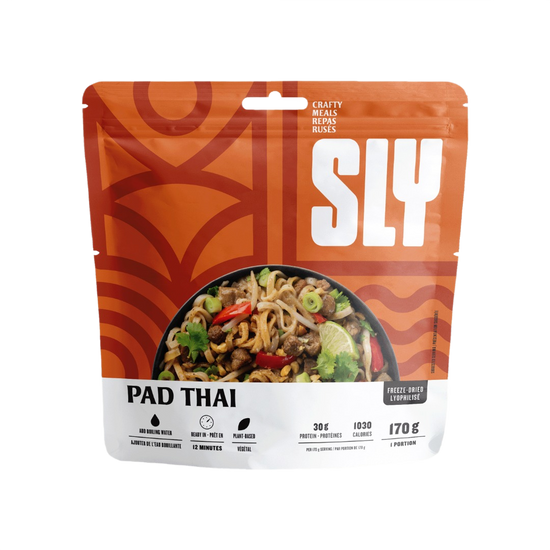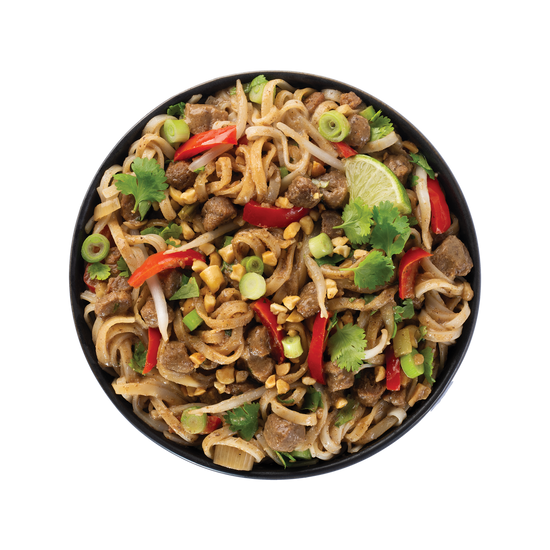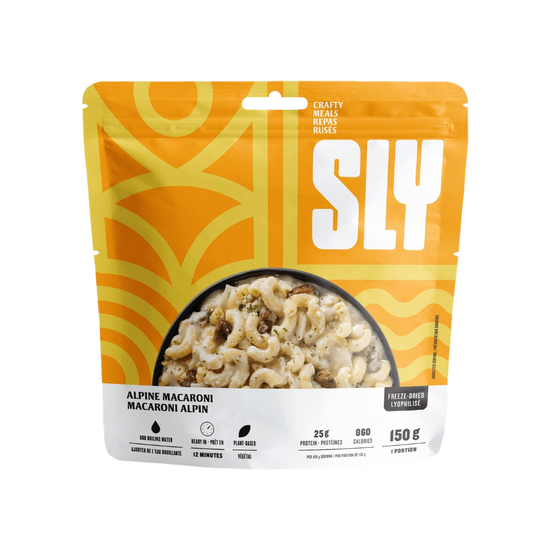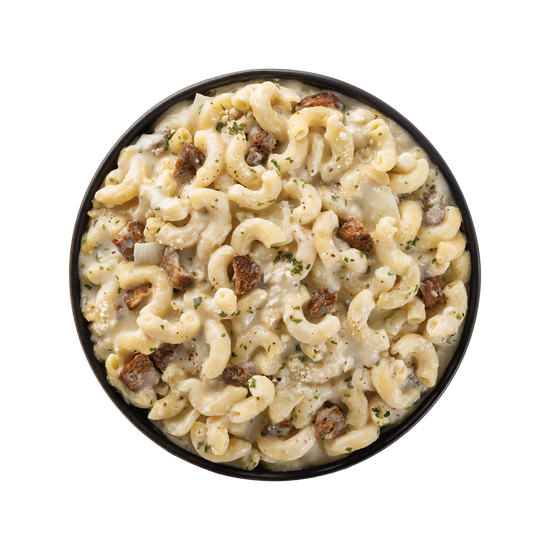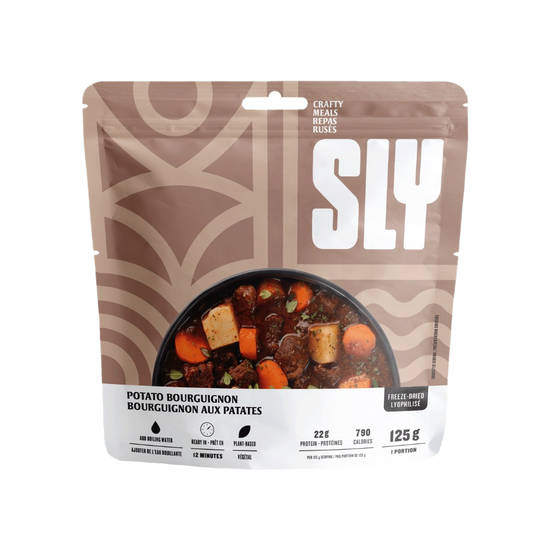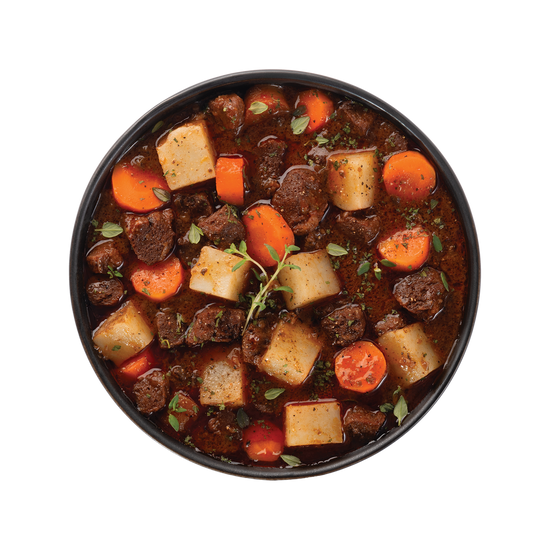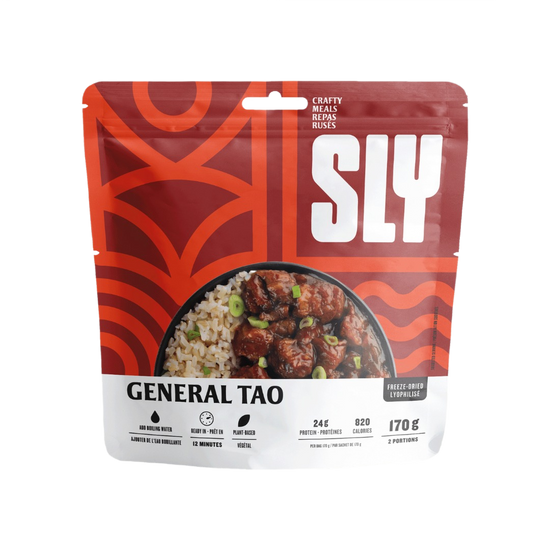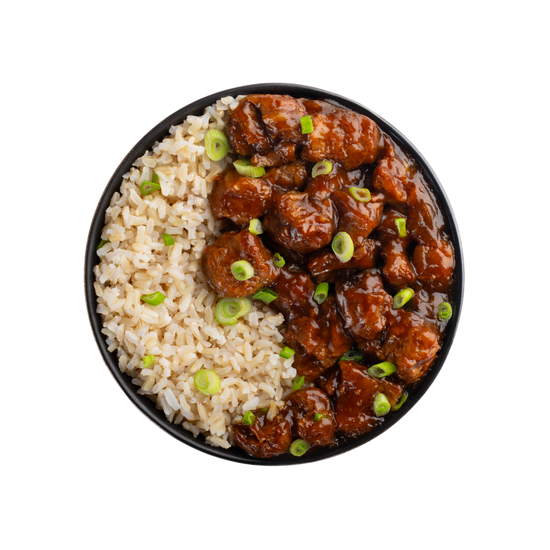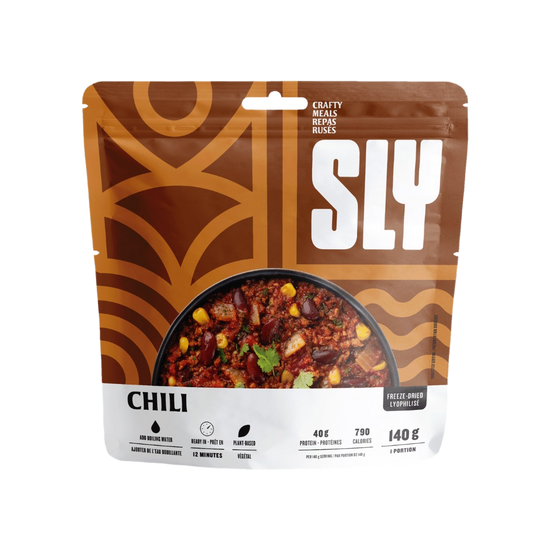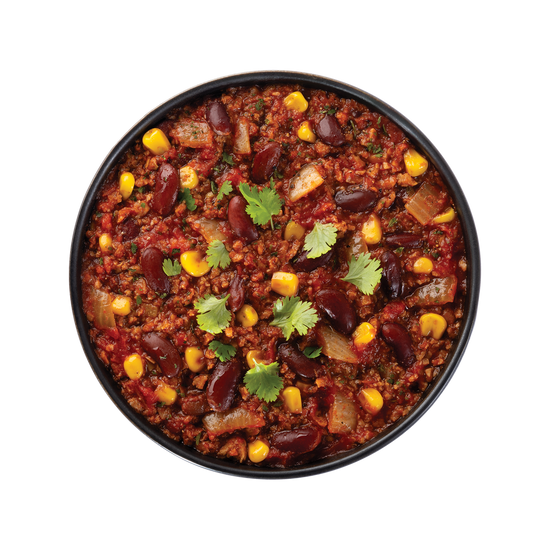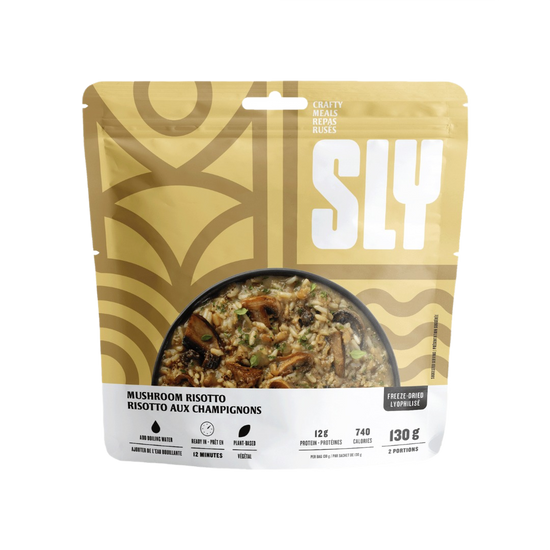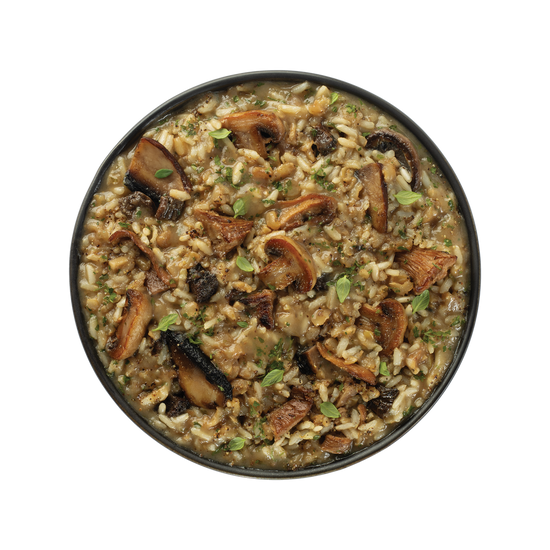
Rehydrating freeze-dried food is essential for adventurers who want to enjoy lightweight and durable meals on the go. By simply adding water, you can restore food to its original texture and taste, making it feel freshly prepared. Mastering how to rehydrate freeze-dried food allows you to have a delicious and nutritious meal, no matter where your adventures take you. In this article, we will discuss the process of how to rehydrate freeze-dried food, including important considerations before and after rehydration, as well as the essential equipment needed to effectively rehydrate freeze-dried meals.
How to rehydrate freeze-dried food?
Rehydrating freeze-dried food involves several specific steps to ensure the food returns to its desired texture and taste. The following sub-sections will guide you through the process of how to rehydrate freeze-dried food, from identifying the type of food to preparing it for consumption. By following these steps, you will achieve the best possible results when rehydrating your meals.
1. Determine the type of food
Before you begin, identify the type of freeze-dried food you have. Different foods, such as proteins, fruits, or vegetables, may require different rehydration techniques. Knowing the category allows you to tailor your approach. The condition of the food before freezing also matters. Whether the food was cooked or raw affects how you should rehydrate it. This small step can significantly impact the outcome.
2. Measure the freeze-dried food
Precisely measuring the amount of freeze-dried food ensures you use the correct amount of water for optimal rehydration. Use a kitchen scale for accurate measurements. This step is crucial, as too much or too little water will affect the texture. Many freeze-dried food packages provide guidance on the ideal water-to-food ratio. Adhering to these recommendations helps achieve a texture and taste closer to fresh.
3. Boil or heat water (optional)
Depending on the type of food, you may choose to use hot water. For cooked foods, using hot water speeds up rehydration. Boil the water if you are working with dense foods to help them absorb water more effectively. If your food needs to be rehydrated cold, skip this step. Using hot or cold water is often a choice that depends on the desired final texture and the type of food.
4. Add water to the food
Adding water is the most critical part of the process. Fully cover the food to ensure even rehydration. In some cases, it's advisable to methodically sprinkle or spray room temperature water for lighter foods like fruits or vegetables.
Follow the package instructions or aim for a slight puddle of water at the bottom. This allows all surfaces to effectively absorb moisture.
5. Wait for rehydration
It is essential to allow time for rehydration. This period can vary significantly depending on the type of food. For some vegetables, 8 to 12 minutes is sufficient. Patience allows textures to develop properly. If you are working with a longer rehydration time, cover the food. This will prevent any drying out or unwanted contamination during the process.
6. Stir or shake the food
Stirring or shaking helps ensure even rehydration of your freeze-dried meals. While the food rests in the water, gently stir for a few minutes, which is especially important for small vegetables or fruits where uneven rehydration can be an issue. This action disperses the water more evenly and speeds up the rehydration process. For best results, use a spoon or similar tool to stir.
7. Drain excess water (if necessary)
Once rehydration is complete, it may be necessary to drain excess water. This step is particularly important for foods that absorb water quickly, such as fruits with high sugar content. Use a colander or similar tool to effectively remove the water. Excess water can alter the texture and taste of the final product. This step ensures that the product remains close to fresh in terms of flavor and texture.
8. Check texture and serve
Finally, check the texture of your food before serving. Properly rehydrated food should be as fresh as possible, without hard or dry spots. If necessary, you can add more water and wait a little longer if the texture is not right. Once satisfied, use your freeze-dried food like fresh food, incorporating it into recipes or serving it directly to enjoy the result.

Understanding freeze-drying
Freeze-drying is a method that extends the shelf life of food while preserving its nutritional value. This process is commonly used to preserve meals, allowing them to remain viable for long periods.
What is freeze-dried food?
Freeze-dried food is food that has been preserved by removing almost all of its moisture through a process called lyophilization. Freeze-dried foods are therefore lightweight, easy to store, and ideal for long-term storage, especially for adventurers. Understanding how to rehydrate freeze-dried food is essential to restore its original texture and flavor when you are ready to consume it.
Consult our detailed guide to learn more about what a freeze-dried meal is.
Methods for rehydrating freeze-dried food
Rehydrating freeze-dried food is a simple process, but choosing the right method ensures the best results in terms of taste and texture. In this section, we present the most effective techniques for rehydrating freeze-dried food to restore it to its original state.
- Water spray: Lightly spray freeze-dried fruits or vegetables with room temperature water while stirring for even absorption.
- Soaking in hot water: For cooked freeze-dried foods, soaking in hot water speeds up the rehydration process and restores the original texture.
- Soaking in cold water: Soaking in cold water is ideal for raw freeze-dried products such as fruits or vegetables. It allows them to rehydrate slowly without altering their flavor.
- Resting: Some freeze-dried foods, like heartier meals, may require a longer soaking time to fully absorb moisture.
- Follow package instructions: Always check the package for the recommended water-to-food ratio to ensure the best rehydration results.
By using these methods, you can learn how to rehydrate freeze-dried food and enjoy delicious meals with good texture. Whether at home or on an outdoor adventure, these techniques will bring your meals back to life.
Rehydration of freeze-dried food
The process of rehydrating freeze-dried food involves adding the appropriate amount of water and allowing it time to be absorbed. Different methods apply to various types of food, which impacts flavor and texture. Precise rehydration requires attention to detail, including the type of food and the liquid used.
Rehydrating freeze-dried fruits and vegetables
Rehydrating freeze-dried fruits and vegetables generally involves adding room temperature or cold water. Fruits and vegetables typically rehydrate in 8 to 12 minutes, depending on their size. For best results, follow the water-to-food ratio on the package and stir gently to ensure even rehydration.
Freeze-dried strawberries can benefit from a brief soak to become softer. In contrast, freeze-dried vegetables like corn may require a longer soaking time, up to several hours, to be fully rehydrated. Make sure there is no residual water before serving.
Rehydrating freeze-dried vegan foods
Rehydrating freeze-dried vegan foods is quick and easy, typically taking only 8 to 12 minutes. For most products, add a 1:1 ratio of hot water to the freeze-dried food, then cover and let sit, stirring occasionally for even absorption. Some heartier foods, like legumes or grains, may require a little more time (up to 15 minutes) for complete rehydration, but this simple process allows you to prepare a delicious and nutrient-rich meal in minutes.
Optimizing flavor and texture
To enhance the flavor of food, consider using flavored liquids, such as fruit juices for fruits or seasoned vegan broths for vegetables, during the freeze-dried food rehydration process. Spices and herbs can also be added directly to the rehydration liquid to give more taste to the food.
Controlling texture during the freeze-dried food rehydration process ensures optimal results. The goal is to achieve soft food, but without mushiness. Taste regularly to ensure all elements meet your taste expectations. Adjust seasonings as necessary to maintain consistency and satisfaction of the final dish.
Master rehydration with our freeze-dried vegan meals!
Discover our easy-to-rehydrate vegan freeze-dried meals. Ready for your next adventure? Click to shop!
Considerations before rehydration
Before rehydrating freeze-dried food, it's important to understand a few key factors to save time and achieve the best results. To effectively rehydrate freeze-dried food, you need to choose the right water preparation method, calculate the correct water-to-food ratio, and use accurate measuring tools. By avoiding common mistakes, you can ensure your meals are always delicious and perfectly rehydrated.
Choosing the right water usage method
The choice of water treatment method influences the texture and flavor of freeze-dried foods; hot water accelerates rehydration and enhances the flavors of soups and stews, while cold water preserves the crispness of vegetables. The water temperature should therefore be adjusted according to the type of food. This helps to approximate the qualities of fresh food and avoid undesirable textures.
Determining the water-to-food ratio
Determining the correct water-to-food ratio is essential for optimal rehydration results. Start by following the manufacturer's instructions on the packaging or, if not available, add water gradually to avoid overly mushy textures. Adjusting the ratio in small increments allows for fine-tuning without wasting food, leading to consistently good results.
Importance of precise measuring cup
Accurate measuring cups are essential for learning how to rehydrate freeze-dried food, as incorrect water-to-food ratios can affect taste and texture. Invest in high-quality cups with precise increments in metric and imperial units for versatility, especially when rehydrating sensitive foods. Regularly inspect your measuring tools for wear and tear to ensure consistent and reliable results.
7 common mistakes to avoid when rehydrating freeze-dried food
To get the best results when learning how to rehydrate freeze-dried food, it is essential to avoid common mistakes that can affect both texture and flavor. Below are the main mistakes to avoid and how to prevent them.
Common mistakes to avoid include:
- Adding all the water at once: Gradually introduce water to control the texture and avoid oversaturating the food, especially in meals containing varied ingredients like vegetables.
- Ignoring Climate or Altitude Differences: Freeze-dried foods may require longer rehydration times in dry or high-altitude regions.
- Using Incorrect Water Temperature: Hot water is ideal for cooked dishes, while cold water is better for fruits and vegetables, as it preserves their texture and flavor.
- Over-Soaking Foods: Closely monitor soaking times to avoid leaving food in water for too long, as it can become soggy and unappetizing.
- Not stirring or agitating the food: Stirring food during rehydration ensures even absorption, preventing some parts from remaining dry while others become too soft.
- Ignoring Package Instructions: Always follow the instructions on the package to maintain the ideal water-to-food ratio and achieve the best results.
- Using Unfiltered or Impure Water: If you're outdoors, be sure to use clean, filtered water to avoid contaminants that could impact food safety and quality.
By avoiding these common mistakes, you'll understand how to rehydrate freeze-dried foods for delicious, well-textured meals. Paying attention to these factors ensures a smooth rehydration process, wherever you are.

Tips After Rehydration
After successfully rehydrating freeze-dried foods, you need to consider the best way to serve and store them. By paying attention to these aspects, you will maximize the flavor, nutritional value, and shelf life of your rehydrated meals.
Serving and Presentation Suggestions
After rehydration, you might wonder how to consume freeze-dried foods in a variety of dishes. They can be added to soups, stews, or salads, while fruits are perfect for desserts or breakfasts like vegan oatmeal. In an emergency, combine different rehydrated foods to create a balanced meal.
Proper Storage of Rehydrated Foods and Shelf Life
Freeze-dried foods, before rehydration, have an impressive shelf life due to the moisture removal process. When properly stored in airtight containers, away from moisture, light, and heat, freeze-dried foods can last 10 to 25 years. This makes them an ideal option for long-term food storage, emergency preparedness, and outdoor adventures, providing convenient and nutritious meals for extended periods.
Check out our detailed blog to learn more about how long freeze-dried foods last.
Once rehydrated, freeze-dried foods should be treated like any freshly prepared dish. Rehydrated foods should be stored in airtight containers and refrigerated to preserve freshness. Most rehydrated meals can be safely stored for 3 to 5 days, depending on the ingredients. Be sure to consume them within this timeframe to prevent spoilage and always check for changes in smell or texture before eating.
Equipment for Food Rehydration
When rehydrating freeze-dried foods, using the right equipment can significantly impact the quality of your results. Whether it's a reliable pot or a freeze dryer, these tools are essential for restoring food to its original texture and flavor.
Using the Right Pot
Knowing how to consume freeze-dried foods starts with choosing the right pot for effective rehydration. Non-stick pans ensure even heating, while pots with airtight lids help trap steam during soaking. Opt for durable materials like stainless steel or ceramic, especially for foods with varying acidity, and choose a pot size appropriate for the food volume to ensure even water and heat distribution.
Materials Needed to Rehydrate Freeze-Dried Foods
Having the right materials makes the process of rehydrating freeze-dried foods easier and more efficient. Below are some essential tools to help you effectively rehydrate your meals.
- Measuring Cups and Spoons: These ensure you use the correct water-to-food ratio for optimal rehydration.
- Kitchen Scale: Ideal for accurately measuring freeze-dried food portions to avoid waste and achieve consistent results.
- Mixing Bowl: A large, deep bowl is ideal for soaking freeze-dried foods and stirring them to ensure uniform water absorption.
- Spoon or Spatula: Useful for stirring during rehydration, ensuring all parts of the food are evenly hydrated.
- Kettle or Pot: For heating water if hot water is needed to rehydrate certain foods, such as meats or cooked dishes.
- Airtight Containers: Once rehydrated, these containers help store leftovers while preserving their freshness for a few days.
With the right equipment at hand, rehydrating freeze-dried foods becomes a simple and efficient process. These tools will help you achieve the best texture and flavor for your meals.

Uses and Applications of Freeze-Dried Foods
Freeze-dried foods offer flexibility and convenience in a wide range of situations, making them a popular choice for adventurers and those looking to store food long-term. Below are some key uses and applications of freeze-dried foods.
- Outdoor Adventures: Lightweight and easy to transport, freeze-dried meals are ideal for camping, hiking, and backpacking where space and weight are limited.
- Emergency Preparedness: Freeze-dried foods have a long shelf life, making them a top choice for emergency kits and disaster preparedness.
- Everyday Cooking: Freeze-dried ingredients, like fruits and vegetables, can be added to smoothies, soups, and vegan stews for quick and convenient meals.
- Space Saving: Freeze-dried foods take up less space, making them perfect for small kitchens or for long-term storage without clutter.
- Convenience: These foods are easy to pack and require minimal preparation, making them perfect for road trips or travel where fresh food isn't always accessible.
Freeze-dried foods are an adaptable solution for various needs, whether for outdoor activities, emergency preparedness, or even daily cooking. By mastering how to rehydrate freeze-dried foods, you can enjoy convenient and nutritious meals wherever you are.
Learn more about the uses of freeze-dried foods in our detailed blog post.
Frequently Asked Questions
When rehydrating freeze-dried foods, consider the type of food, the methods used, and the desired outcome. Some foods require more precise measurements and methods to effectively regain their texture and flavor.
What is the correct water-to-freeze-dried food ratio for rehydration?
The usual ratio is 1:1, meaning an equal part of water to freeze-dried food. However, this ratio can vary depending on the type of food and personal preferences. Check the packaging, as many brands provide specific instructions that optimize the rehydration process.
Is it possible to rehydrate freeze-dried foods with cold water?
Yes, cold water can be used, but it may take longer. Foods like fruits and vegetables can be rehydrated with cold water, but patience is required. The texture may not be as soft as with hot or warm water.
What are the steps to effectively rehydrate freeze-dried fruits, such as strawberries?
Start by placing the fruits in a container, then pour hot water over them. Allow the fruits to soak completely. Once the strawberries are fully plump, drain any excess water. This process usually takes between 8 and 12 minutes.
Can freeze-dried foods be eaten without rehydration?
Freeze-dried foods can be eaten dry, but their texture is different. They often resemble crispy snacks and retain most of their nutritional content. The flavor may be milder than rehydrated versions.
How long does it take to rehydrate freeze-dried meals overnight?
Overnight rehydration typically involves placing the food in a bowl with enough water to cover it completely. Cover and refrigerate, allowing it to soak more slowly and achieve a softer texture by morning.
Conclusion
Rehydrating freeze-dried foods is a game-changer for adventurers, providing lightweight, durable meals with minimal effort. By knowing the right methods, tools, and tips, you can transform these preserved foods into delicious and nutritious dishes. Whether you're exploring the great outdoors or preparing for emergencies, knowing how to rehydrate freeze-dried foods ensures you always have a satisfying meal ready to enjoy.
Master Rehydration with Our Vegan Freeze-Dried Meals!
Discover our easy-to-rehydrate vegan freeze-dried meals. Ready for your next adventure? Click to shop!