Imagine biting into a meal designed to survive a journey through space, all while preserving every bit of its flavor and nutritional value. Freeze-dried space foods are not only an achievement of modern food science for astronauts, but they have also become a staple on Earth for adventurers and emergency preparers. This revolutionary technology makes it possible to create lightweight, nutrient-rich meals that are easy to store, transport, and enjoy.
In this article, we will explore the different options for space food, highlighting why freeze-dried foods are the best choice.
Essential Space Food List
Space missions require food that is lightweight, nutrient-dense, and easy to store. Here is an essential list of space-friendly food options, with a particular focus on freeze-dried selections that are ideal for long-duration travel.
- Freeze-dried fruits and vegetables: They retain their nutritional value and flavor, making them favorites for astronauts who need vitamins in a lightweight form.
- Thermostabilized meals: Dishes like stews or pasta are heat-treated to kill bacteria, ensuring they are safe and flavorful without refrigeration.
- Dehydrated soups and stews: Lightweight and easy to rehydrate with water, they provide warmth and comfort during long missions.
- Vacuum-sealed snacks: Nuts, granola bars, and dried fruit mixes are preserved to stay fresh and are perfect for on-the-go snacking.
- Long-life tortillas: An alternative to bread, tortillas are easy to eat and minimize mess, a practical choice in zero gravity.
- Rehydratable protein powders: Essential for muscle maintenance, protein powders are compact and mix easily with water.
- Powdered drinks: From coffee to electrolyte drinks, they provide hydration and energy while being space-saving.
- Ready-to-eat breakfast options: Freeze-dried cereals and oatmeal allow astronauts to enjoy familiar meals with minimal preparation.
Space food technologies have evolved to meet the nutritional and practical needs of astronauts. Freeze-dried foods, in particular, remain the best option due to their convenience, longevity, and ability to retain nutrients. In the following sections, we will see why these foods are the best choice for space missions.

Types of Space Food
In space, astronauts need a range of foods to meet their nutritional needs, with freeze-dried foods playing a crucial role due to their long shelf life and ease of storage. This section explores a variety of freeze-dried space foods and other options, adapted to diverse dietary preferences.
Freeze-Dried Vegan Meals
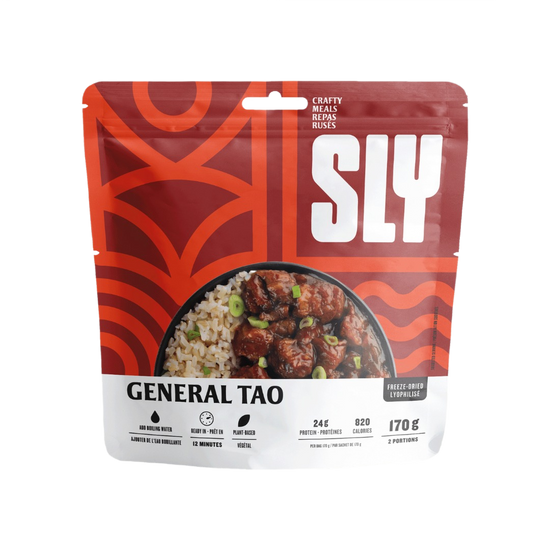
At SLY Foods, we offer a variety of delicious freeze-dried vegan meals, designed to be practical, tasty, and nutritious. Each meal is lightweight, easy to prepare with hot water, and packed with essential nutrients, making it perfect for space missions.
Product Highlights:
- Bolognese Pasta: Enjoy a protein-rich version of a classic Italian dish with 32g of protein and 840 calories. Perfect for a hearty and satisfying meal.
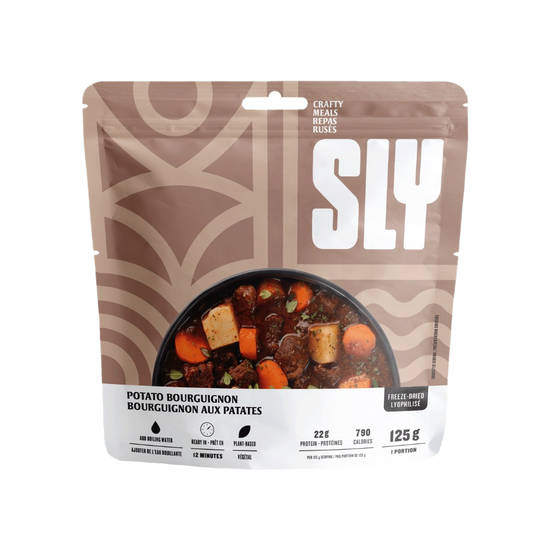
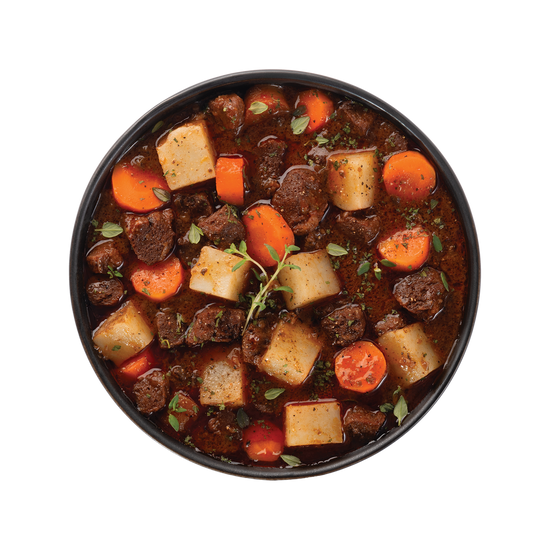
- Potato Bourguignon: With 28g of protein and 760 calories, this flavorful and comforting meal is inspired by traditional French cuisine.
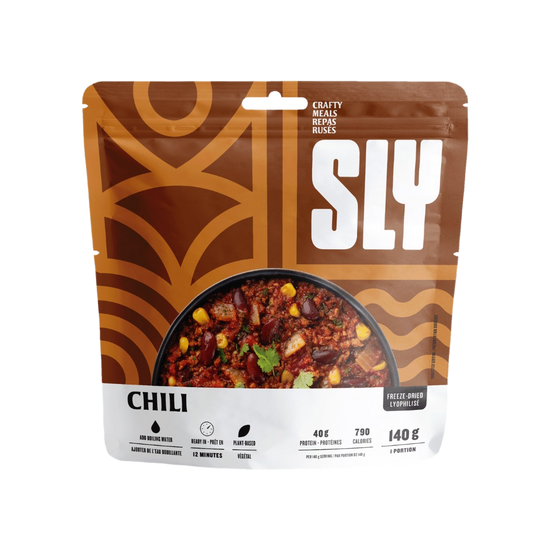
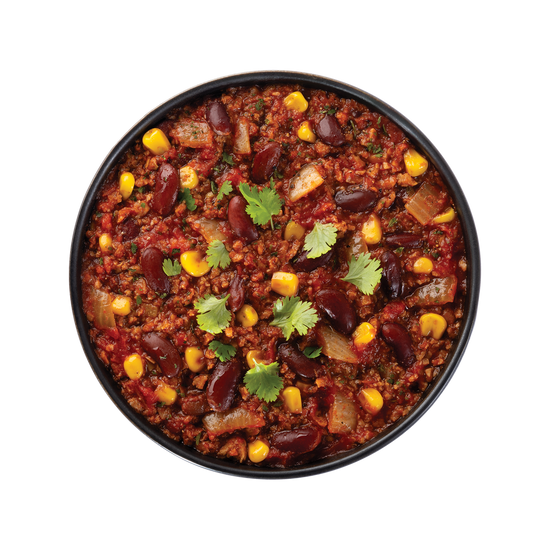
- Chili: With 40g of protein and 795 calories, this spicy and filling option brings warmth and sustenance to any meal.
- Lentil Dahl: A flavorful blend with 25g of protein and 630 calories, ideal for a nutrient-rich and satisfying meal.
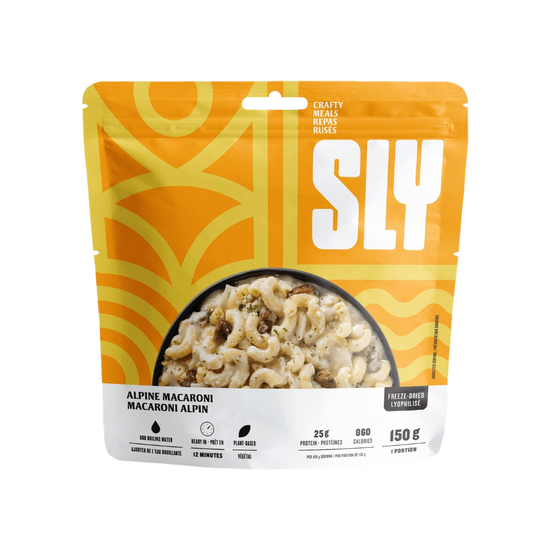
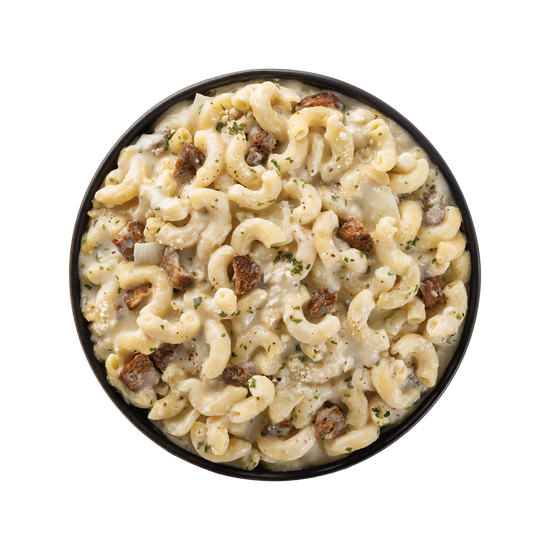
- Alpine Macaroni: This comforting cheesy dish contains 22g of protein and 790 calories, perfect for those craving a rich and hearty meal.
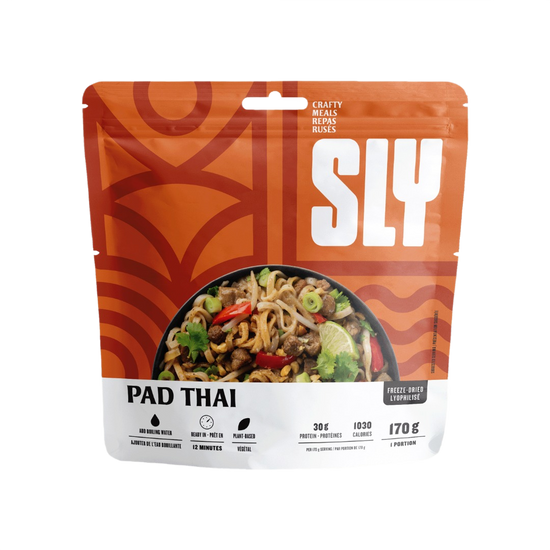
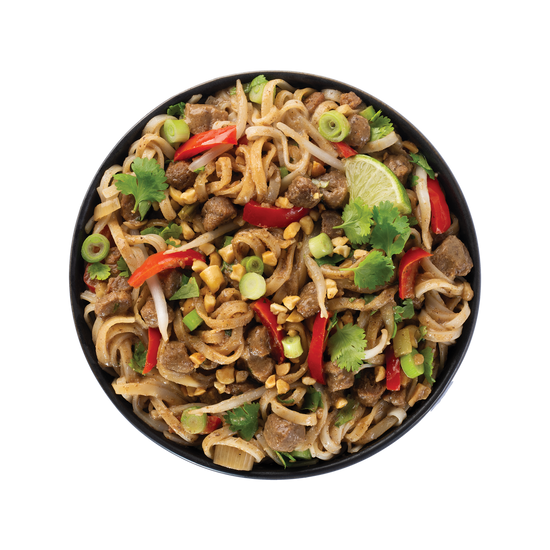
- Pad Thai: A delicious option with 36g of protein and 970 calories, offering a taste of Asia in a convenient format.
- Pesto Pasta: Light and refreshing, with 25g of protein and 880 calories, this meal brings an Italian touch to your mission.
- Indian Stew: With 17g of protein and 750 calories, this aromatic stew is a delicious choice for a balanced and satisfying meal.
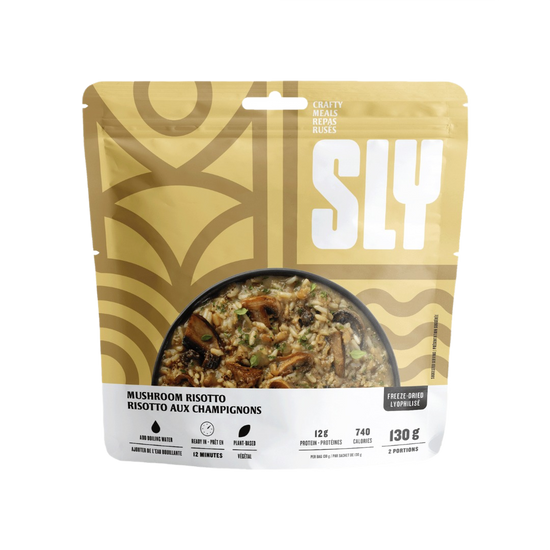
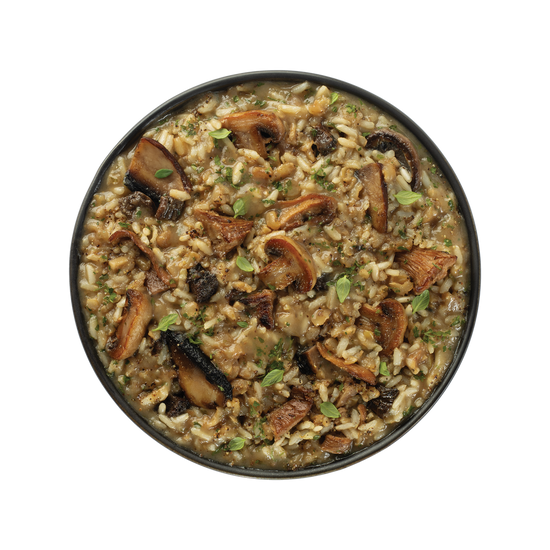
- Mushroom Risotto: A creamy and comforting meal with 11g of protein and 720 calories, ideal for those looking for a gourmet experience.
- Creamy Garden Soup: This smooth and flavorful soup, containing 17g of protein and 700 calories, is perfect for a light meal or snack.
Benefits of SLY Foods' Freeze-Dried Vegan Meals:
- High Nutritional Value: Each meal contains plant-based protein and calories to maintain energy.
- Easy Preparation: Simply add hot water, wait a few minutes, and enjoy a delicious meal.
- Convenient and Lightweight: Perfect for space missions, travel, hiking, or quick meals at home.
- Variety of Flavors: A diverse selection from Italian inspiration to Asian fusion, ensuring there's something for every taste.
With SLY Foods, vegan meals are easy to make with gourmet options that don't compromise on taste or nutrition.


Snacks and Desserts
Space mission-friendly snacks and desserts include freeze-dried fruits like strawberries and blueberries, which offer a lightweight, vitamin-rich, and easy-to-eat option. Dehydrated or thermostabilized treats, such as cookies and chocolate bars, provide familiar taste and texture with intermediate moisture levels, ensuring they remain appetizing in space. Together, these carefully selected items provide astronauts with convenient, nutritious, and enjoyable snacks.
Thermostabilized Foods
Thermostabilized foods are a key component of space food, providing astronauts with safe and durable meals. These foods undergo heat treatment to eliminate bacteria and are packaged in cans or pouches to ensure their durability and ease of use in zero gravity.
They offer a variety of options like soups, stews, and pasta dishes, providing both flavor and essential nutrients. Requiring minimal preparation, thermostabilized foods are a reliable and practical choice for long-duration missions.
Irradiated Foods
Irradiated foods are treated with ionizing radiation to eliminate bacteria, parasites, and other pathogens, ensuring they remain safe for consumption for extended periods. This process does not alter the taste or nutritional value of the food, making it ideal for preserving products such as meat and poultry. Commonly used in space missions, irradiated foods provide astronauts with reliable, high-quality meals that meet strict safety standards.
Understanding Freeze-Dried Foods
Freeze-dried foods play a crucial role in space missions as space food, offering lightweight and stable nutrition. You will discover what makes freeze-dried foods unique and their various applications.
What is Freeze-Dried Space Food?
Freeze-dried space foods are specially prepared for the unique conditions of space, where moisture is removed by sublimation, directly transforming ice into vapor while preserving the food's structure and nutrients. This process extends shelf life and reduces weight, making freeze-dried foods ideal for astronauts who need lightweight, nutritious meals that can be rehydrated with minimal water.
Learn more about freeze-dried meals in our detailed guide.
Uses of Freeze-Dried Foods
Freeze-dried foods are not just for space; they also find applications here on Earth. Originally developed for space travel, these foods are now highly valued by hikers, backpackers, and in emergency plans due to their long shelf life and lightness.
The development of freeze-dried foods has also benefited people living in isolated areas or with limited access to fresh produce. Additionally, this process allows seasonal foods to be preserved for year-round consumption without the need for refrigeration. This flexibility illustrates the broad impact of space technology on daily life.
Discover the uses of freeze-dried foods in our article.
Nutrition in Space
During space missions, ensuring proper space nutrition is essential for maintaining astronauts' health. The balance between caloric intake and essential vitamins and minerals is crucial for the physical and mental well-being of astronauts during prolonged periods in microgravity.
Meeting Astronauts' Dietary Needs
Meeting astronauts' dietary needs in space is essential, especially with diverse dietary preferences, including vegan diets. Freeze-dried foods offer a flexible solution by preserving essential nutrients and adapting to various diets, such as vegan, with options like freeze-dried fruits, vegetables, and plant-based proteins. These foods are compact, nutrient-dense, and shelf-stable, addressing the challenges of limited storage and microgravity, while providing balanced nutrition and catering to specific diets to maintain astronauts' health and well-being throughout their mission.
Nutritional Retention of Freeze-Dried Foods During a Space Mission
Freeze-dried foods are essential for space missions because they retain up to 90-97% of their original nutrients, which is crucial for meeting astronauts' dietary needs over long periods. The freeze-drying process effectively removes moisture without compromising essential vitamins and minerals, ensuring that foods remain nutrient-dense and can be stored for years. This high level of nutritional retention is particularly beneficial for specific dietary needs, including vegan diets, as it allows astronauts to consume nutrient-rich fruits, vegetables, and plant-based proteins that are very similar to fresh foods, contributing to optimal health in the unique conditions of space.
Check out our detailed blog post to find out how freeze-dried foods lose nutrients?
Fresh, Freeze-Dried, or Dehydrated Foods (Which is Best?)
Choosing the right space food involves balancing nutrition, weight, and storage. Here's a quick comparison of fresh, freeze-dried, and dehydrated options to highlight their advantages and limitations for space travel:
| Feature | Fresh Foods | Freeze-Dried Meals | Dehydrated Foods |
|---|---|---|---|
| Nutritional Retention | High (if consumed fresh) | Up to 90-97% of original nutrients | Lower than freeze-drying (loss of heat-sensitive vitamins) |
| Shelf Life | Short (days to weeks) | Long (years, with proper packaging) | Moderate to long (months to years) |
| Weight | Heavy (contains water) | Light (up to 90% of water removed) | Light, but retains water |
| Storage Space | Requires refrigeration, bulky | Compact, no refrigeration required | Compact, may require airtight packaging |
| Ease of Preparation | Ready to eat, minimal preparation | Rehydration necessary but easy | Rehydration necessary, may be slower |
| Taste and Texture | Fresh taste and texture | Retains natural flavor and almost fresh texture when rehydrated. | Texture may be altered, taste may change slightly. |
| Suitability for Space Missions | Limited (perishable) | Ideal (stable, nutrient-dense, lightweight) | Moderate (less nutrient retention) |
While each type of food has its strengths, freeze-dried foods remain the best option as space food for this type of mission due to their superior nutrient retention, lightness, and long shelf life. These qualities make them the optimal choice for preserving astronauts' health and meeting the logistical demands of space travel.
Need vegan space food?
Ready to face space? Try our vegan freeze-dried meals, designed for cosmic voyages and packed with essential nutrients. Get yours now!
Eating Food in Microgravity
When eating in microgravity, the absence of gravitational force presents unique challenges. Special considerations regarding food mechanics, food quality, and suitability make freeze-dried foods essential for space missions.
The Mechanics of Food Behavior in Space
In microgravity, eating can be difficult because food does not stay on utensils and tends to float. Freeze-dried foods are particularly useful under these conditions as they can be rehydrated and consumed directly from sealed pouches, preventing particles from escaping and contaminating equipment. Additionally, freeze-dried meals retain their shape and texture when rehydrated, making them easier to handle with specially designed utensils, such as spoons, allowing astronauts to enjoy nutritious meals without worrying about floating debris.

Quality and Shelf Life Considerations
Maintaining food quality and safety is crucial in space. Space food must be processed to withstand storage conditions for extended periods while retaining its nutrients. Freeze-dried foods extend shelf life due to their reduced moisture content, which helps prevent spoilage. Foods are stored in vacuum-sealed or foil packaging to preserve freshness and prevent contamination in microgravity. These packages also facilitate transportation and minimize waste.
Check out our detailed blog post to learn more about how long freeze-dried foods last.
Why are freeze-dried foods perfect for space missions?
Freeze-dried foods have become essential for space missions, meeting the unique nutritional and logistical needs of astronauts in microgravity. Here's why they are considered the best choice for long-duration space travel:
- Lightweight and Compact: Freeze-dried foods are up to 90% lighter than fresh foods, which is essential for minimizing payload weight on space missions.
- Nutrient Retention: The freeze-drying process retains up to 97% of nutrients, ensuring astronauts receive necessary vitamins and minerals.
- Extended Shelf Life: With a shelf life of several years, freeze-dried foods remain safe and nutritious for long-duration missions.
- Easy Preparation: Foods can be rehydrated with minimal water, allowing astronauts to enjoy complete meals without complex preparation.
- Variety and Flexibility: Freeze-dried meals include various options such as fruits, vegetables, and plant-based foods that cater to different dietary needs.
- Minimal Debris: Consumed directly from sealed pouches, freeze-dried foods reduce the risk of crumbs and particles floating in microgravity, helping to protect equipment and the environment.
Freeze-dried foods offer an optimal balance of nutrition, convenience, and safety, making them indispensable for supporting astronauts during their missions.
Are Freeze-Dried Foods Useful for Military and Travelers?
Yes, freeze-dried foods are ideal for the military, road trips, and space missions due to their lightness, compact form, and extended shelf life. For the military, they provide essential nutrients and are easily transportable. Similar to car travel food, they offer convenient and varied meal options that only require hot water. In space missions, freeze-dried space food provides astronauts with nutrient-rich meals for long periods, proving their versatility in challenging conditions.
To learn more about military food, check out our blog.
Frequently Asked Questions
Freeze-dried foods for space are practical and long-lasting, making them ideal for astronauts and outdoor enthusiasts. Various options are available for purchase, with some products designed specifically for space missions, while others are intended for the general public.
Where can I buy freeze-dried foods designed for astronauts?
You can purchase freeze-dried foods designed for astronauts from specialized retailers and online stores that cater to campers and hikers. These products often include items found in space missions, offering an experience similar to what astronauts consume.
What is astronaut ice cream and where can I find it?
Astronaut ice cream is a popular freeze-dried treat created for space travel, but now available to the general public. You can often find it in museum gift shops, science centers, or online retailers specializing in space-themed products.
How do astronauts use freeze-dried foods during missions?
Astronauts use freeze-dried foods on missions because they are lightweight and easy to store. Before consumption, they often rehydrate them with hot water, making them appear closer to fresh meals, enhancing their dining experience in space, and boosting their morale.
What is the shelf life of freeze-dried space food?
Freeze-dried foods for space are known for their long shelf life, often several years if stored properly. This extended preservation is due to the removal of moisture during the freeze-drying process, which prevents the growth of bacteria and mold.
What are the drawbacks of eating freeze-dried foods?
While freeze-dried foods are convenient, their texture and flavor can differ from fresh foods. The rehydration process can also slightly alter the taste, and long-term reliance on these foods can lead to a less varied diet.
Are freeze-dried meals nutritionally adequate compared to fresh foods?
Freeze-dried meals retain most of their nutritional content, including essential vitamins and minerals. However, they can sometimes be lower in certain nutrients present in fresh produce. It is important to have a balanced diet to ensure all nutritional needs are met.
Conclusion
Freeze-dried foods have transformed space travel by providing astronauts with essential nutrients, lightweight portability, and a long shelf life, all crucial elements for long-duration missions. Originally developed for the constraints of space, these foods are now useful in various fields on Earth, whether as convenient snacks for road trips, meals for camping, or emergency supplies. Born from space innovation, freeze-dried foods bridge the gap between convenience and health, showing how advancements in food technology can improve daily life and explorations.
Need vegan space food?
Ready to face space? Try our vegan freeze-dried meals, designed for cosmic voyages and packed with essential nutrients. Get yours now!