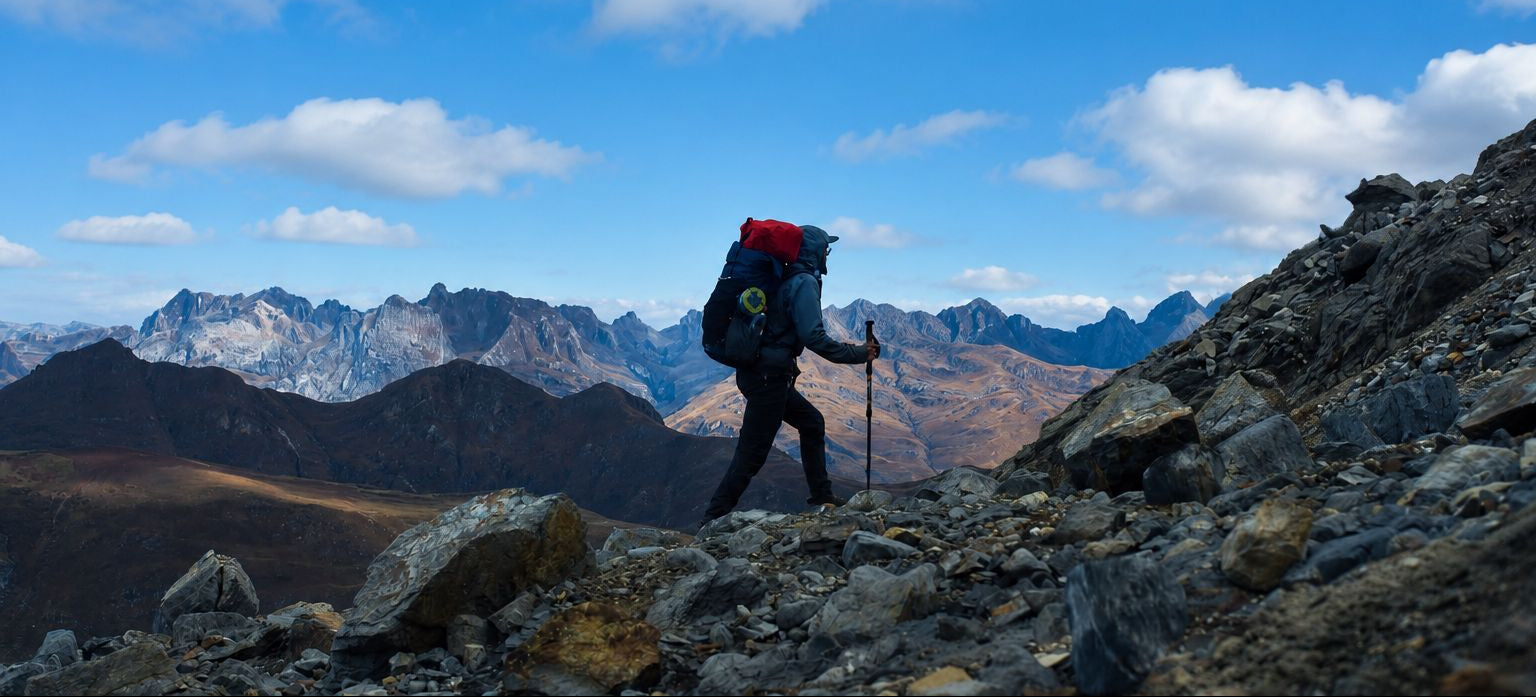
It all starts with a single step, shoes touching the earth, wind on your face, and that spark of freedom that washes over you. The best hiking trails aren't just paths through forests or mountains; they're invitations to adventure, to discover breathtaking places and stories you'll tell for a lifetime. In this blog post, we take you around the world to discover the best hiking trails that every outdoor adventurer should experience.
The Best Hiking Trails to Discover
The best hiking trails take you through breathtaking landscapes, from sun-drenched forests to rugged coastlines, turning every step into a story worth telling. Check out our guide to adventure travel destinations for more inspiration! And now, let's embark on a fantastic journey on trails in Canada, France, and around the world.
1. Kettle Valley Rail Trail - British Columbia, Canada
Canada is home to some of the most stunning hiking trails in the world, offering an adventure for all outdoor enthusiasts. Once a historic railway, the Kettle Valley Rail Trail now welcomes adventurers for cycling or hiking through the interior of British Columbia, where nature and history meet at every turn.

2. Torres del Paine "W Trek" - Patagonia, Chile
Nestled in the wild heart of Patagonia, the W Trek in Torres del Paine is one of the hiking trails, offering breathtaking views at every turn. From granite towers to glacier-fed lakes, this trail invites you to lose yourself in nature's raw and untamed beauty.
- Location: Torres del Paine National Park
- Terrain: Glaciers, valleys, turquoise lakes, and jagged peaks
- Highlights: Iconic granite towers, Grey Glacier, French Valley
- Difficulty: Moderate to difficult, 4-5 days
- Must-see: Sunrise at the base of the Torres
- Best time: October to April
3. Drakensberg Amphitheatre - South Africa
If standing on the edge of the world is on your bucket list, the Drakensberg Amphitheatre hike will fulfill it. It's one of the best trails for outdoor adventures. It will lead you to breathtaking views, adrenaline-pumping chain ladders, and the thundering beauty of Tugela Falls, a tour de force of nature in the sky.
- Location: Royal Natal National Park
- Terrain: Steep cliffs, grassy plateaus, chain ladders
- Highlights: Tugela Falls (second highest waterfall in the world)
- Difficulty: Moderate to difficult, 1-2 days
- Must-see: Sunrise over the vast amphitheatre wall.
- Best time: April to October
Need food for your next destination?
Our portable and healthy freeze-dried meals will keep you going on all your outdoor adventures, whether cycling, trekking, or hiking. Buy yours today!
4. Kalalau Trail - Kauai, Hawaii, USA
If your idea of paradise includes dizzying climbs and secret beaches you can only reach on foot, the Kalalau Trail is calling you. Winding along the Nā Pali coast, it is one of the best hiking trails, where every mile offers lush jungle, spectacular cliffs, and a unique sunset on Kalalau Beach.
- Location: Nā Pali Coast, Kauai
- Terrain: Coastal cliffs, lush jungle, secluded beaches
- Highlights: Hanakāpī'ai Falls, Kalalau Beach
- Difficulty: Strenuous, 2 days (or day hike options)
- Must-see: Sunset on Kalalau Beach
- Best time: May to September (dry season)
5. Overland Track - Tasmania, Australia
The Overland Track is a must for anyone who loves grand landscapes and tranquil trails. It's one of the best hiking trails, offering six days of alpine peaks, ancient rainforests, and a real chance to disconnect and recharge.
- Location: Cradle Mountain-Lake St Clair National Park
- Terrain: Alpine meadows, rainforests, waterfalls
- Highlights: Cradle Mountain, Barn Bluff, ancient forests
- Difficulty: Moderate, 6 days
- Must-see: The enchanting mossy rainforest trails.
- Best time: October to May
6. Snowman Trek - Bhutan
If you're looking to test your limits in one of the most remote corners of the Himalayas, the Snowman Trek is for you. Recognized as one of the best trails, this high-altitude route rewards every step with views that few people on Earth get to see.
- Location: Northern Bhutan, from Laya to Bumthang
- Terrain: Alpine meadows, glacial valleys, and rugged high passes
- Highlights: Views of Jomolhari and Gangkar Puensum, isolated villages, ancient monasteries.
- Difficulty: Extremely difficult; 25 days, 347 km, multiple passes over 5,000 m altitude.
- Must-see: The hidden communities of the Himalayas, untouched by time
- Best time: June to October
That sounds like a seasonal activity, doesn't it? Feel free to check out our detailed blog post on different seasonal activities around the world.

7. Laugavegur Trail - Iceland
If you've always dreamed of hiking in a place that looks like another planet, the Laugavegur trail will fulfill that. It's one of the best hiking trails you have to try, leading you through smoking chimneys, colorful mountains, and open volcanic landscapes that are pure Icelandic magic.
Tips to keep in mind!
Before you hit the road, a few wise tips can make your adventure safer, easier, and more enjoyable. Here's what every outdoor explorer should keep in mind!
Why are freeze-dried foods practical for all hikes?
When you're out in the wild, with miles behind you and even more ahead, your food needs to be as ready as you are. At Slyfood, we offer premium freeze-dried meals that keep your pack light and your energy high—perfect for the best outdoor adventure trails.
6 reasons to buy freeze-dried food:
Browse our complete selection of freeze-dried meals and make your next hiking experience as flavorful as it is unforgettable.


5 pro tips to prepare for your trail adventure
A successful adventure begins with good preparation. Whether you're hiking, cycling, or backpacking, these key tips will help you stay safe and get the most out of your trip:
- Plan your route - Research your trail, check maps, and be aware of elevation changes, weather conditions, and potential hazards.
- Pack smart - Bring essential gear like a map, compass, first-aid kit, and headlamp. Lightweight, durable equipment is best for long treks.
- Dress for the weather - Layer your clothing to adapt to changing conditions, and wear moisture-wicking fabrics to stay dry and comfortable.
- Stay fueled and hydrated - Pack plenty of water and nutrient-rich snacks. Freeze-dried meals from SLY Foods provide lightweight, high-quality nutrition for multi-day adventures.
- Prepare for emergencies - Carry a charged phone, a whistle, and a basic survival kit. Let someone know your itinerary before you go.
With proper preparation, every trail adventure, whether in Canada, France, or elsewhere, can be a safe and unforgettable experience! You can check out our article on backpacking trip planning for more preparation tips.
Frequently Asked Questions
What is the best trail adventure for beginners?
The best adventure trails for beginners are moderate, well-marked trails, such as the Bruce Trail in Canada, the Loire Valley Cycle Route in France, and the Camino de Santiago in Spain.
What is a national trail?
National trails are government-designated routes that offer recreational opportunities for hiking, cycling, and other outdoor activities, often spanning long distances across the country.
How can I prepare for a trail adventure?
Preparation involves researching the trail, checking weather conditions, packing essential gear, staying hydrated, and bringing nutritious foods, such as freeze-dried meals, to fuel up.
Are winter trails safe for beginners?
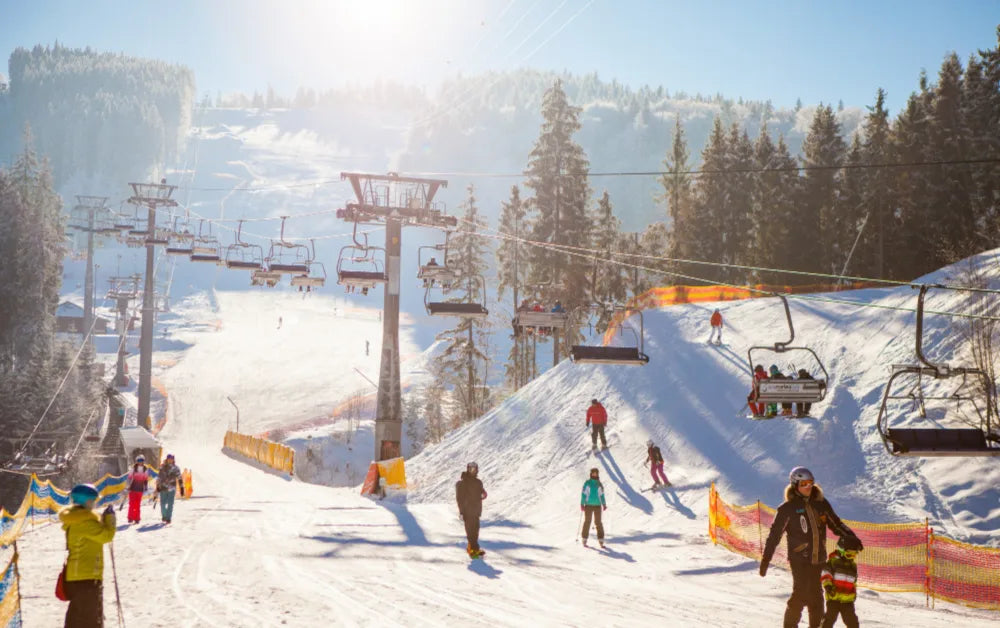
Some winter trails, like Mont Tremblant in Canada and the Chamonix Valley trails in France, offer options for beginners, with groomed paths and guided tours.
Conclusion
Wherever your adventure takes you, the best hiking trails offer the chance to connect with nature and push your limits, whether you're hiking in the forest, cycling on scenic routes, or trekking in majestic mountains. From Canada and France to the world's most iconic trails, there's an adventure for everyone.
Make the most of your journey with SLY Foods – lightweight, nutritious freeze-dried meals designed for outdoor explorers. Shop now and fuel your next adventure!
Need food for your next destination?
Our portable and healthy freeze-dried meals will keep you going on all your outdoor adventures, whether you're cycling, trekking, or hiking. Buy yours today!