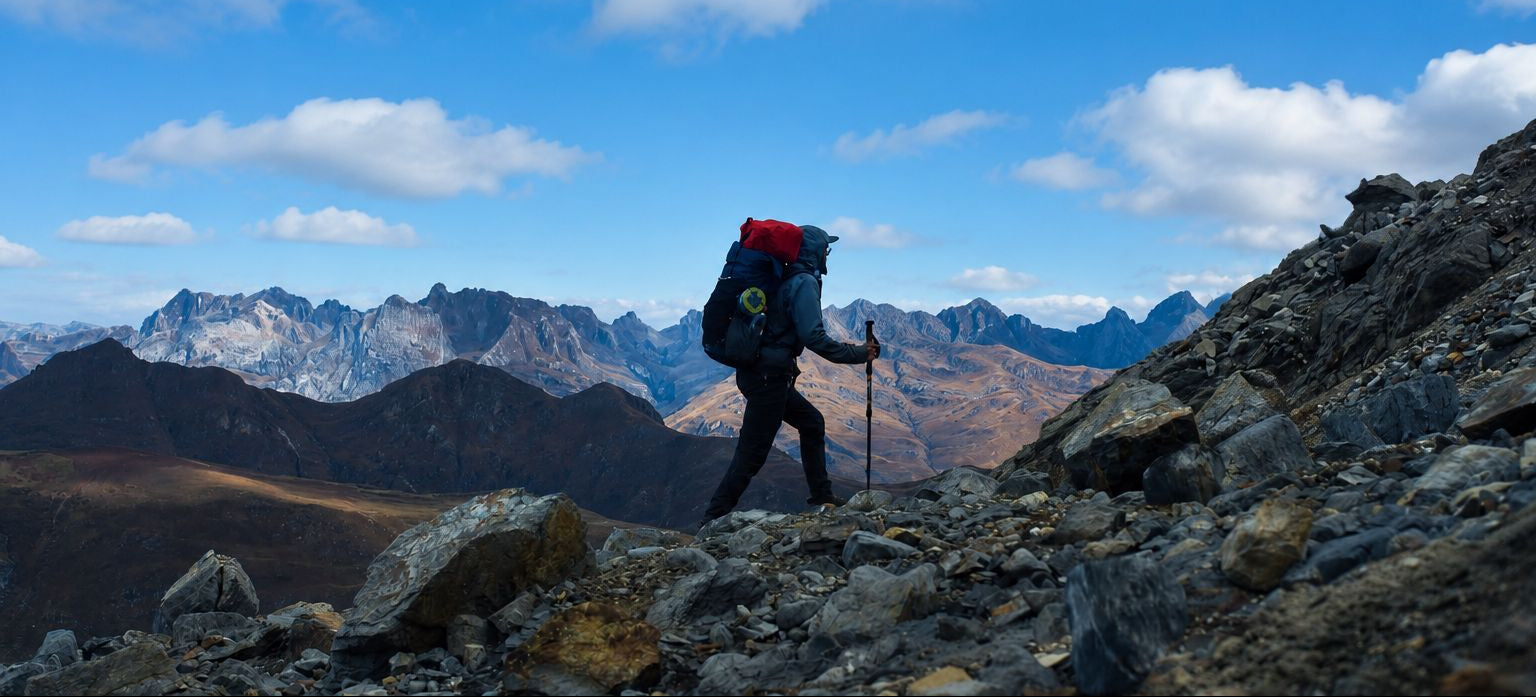
Are you ready to escape the hustle and bustle of everyday life and reconnect with nature? A backpacking trip is more than just a journey; it's an adventure into the wilderness and a challenge to your limits. This guide explains how to plan a backpacking trip, from choosing the ideal destination to packing with an infallible checklist. Get ready to learn everything you need to know about planning a safe, fun, and unforgettable backpacking trip.
How to Plan a Backpacking Trip
A backpacking trip is a multi-day outdoor journey where travelers carry their essential belongings in a backpack, combining hiking and camping in nature. To effectively prepare for your outdoor trip, it's important to understand what backpacking is and how it differs from other types of luggage. There are several important steps to consider, from identifying the type of backpacking trip you will take to discussing the most important safety items for your trip. Here are the steps to preparing for a backpacking trip.
1. Choosing the type of adventure
When learning how to plan a backpacking trip, choosing the type of adventure is essential, as it determines the itinerary, equipment, and preparation. Decide whether you want to do a challenging mountain hike, a serene forest trek, or a picturesque coastal trail. Each type of adventure offers unique experiences and requires different preparation, specific equipment for difficult terrain, permits for protected areas, etc. By knowing your type of adventure, you ensure that your trip matches your goals and abilities. Check out our blog post on types of adventures.
2. Essential gear for outdoor adventure
A list of equipment such as tents, sleeping bags, and cooking utensils ensures a safe journey. Your backpacking checklist should include the following:
- Durable, weather-resistant backpack, sized and fitted for your trip
- Lightweight tent or hammock, suitable for the season.
- Sleeping bag and sleeping pad suitable for weather conditions and terrain.
- Portable stove, fire starter, and fuel
- Cooking utensils, eating utensils, and food storage bags
- Water filtration system purifier or tablets for clean water
- Headlamp or flashlight with spare batteries
- Map and compass or GPS device
- First aid kit
Other items may be added to your checklist depending on the type of adventure. For example, learn about bear safety if you are in a country where they are present, and always store your food in bear-proof containers or use a bear bag. By carefully choosing each item, you will easily cover all the essentials for a backpacking trip, which will enhance your overall experience.

3. Physical and mental preparation for outdoor adventure
Physical and mental preparation are important when learning how to plan a backpacking trip. Build your endurance with regular hikes and strength training as part of your physical preparation to meet the demands of the trail. Mentally, prepare for challenges such as weather conditions or isolation by staying positive and adapting. Even learning how to pack a travel backpack is considered mental preparation. This preparation ensures you are ready to tackle your adventure with confidence and success. Our blog post explains how to train for a backpacking trip and will provide you with more information.
4. Meal planning for outdoor adventure
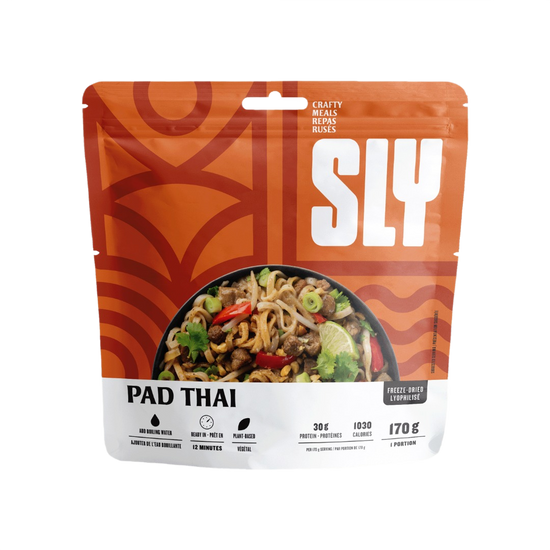
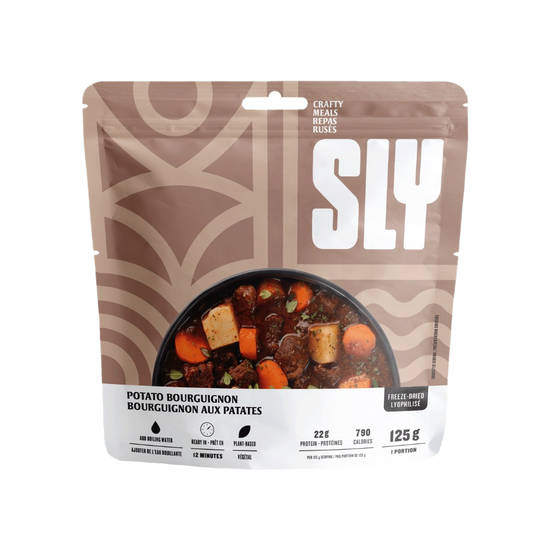
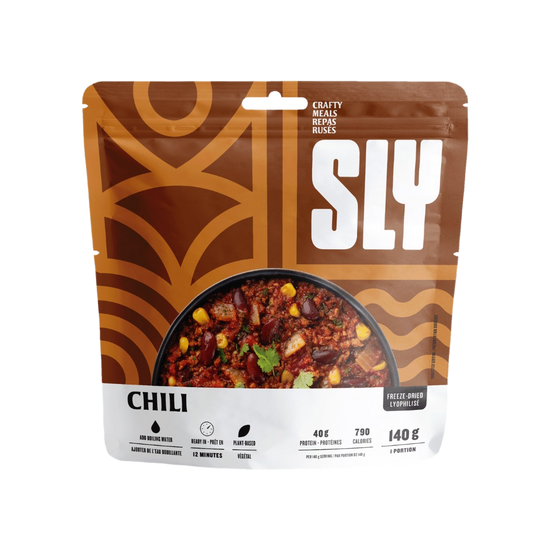
One of the most important steps in preparing for a backpacking trip is meal planning. For a successful trip, ensure adequate nutrition and hydration by bringing lightweight, high-calorie foods, such as dried fruits, nuts, and freeze-dried meals, aiming for 0.5 to 1 kg per person per day. Consider freeze-dried foods as the best option for backpacking trips for the following reasons:
- Offers a long shelf life
- Lightweight and convenient
- Quick and perfect preparation for hiking
- Diversity of food options, including fruits and vegetables or complete meals
- It maintains a balanced diet
These meals require minimal effort and provide the nourishment you need without weighing down your pack. With freeze-dried foods, you can enjoy delicious, worry-free meals wherever your adventure takes you. To learn more about outdoor meal preparation, check out our blog post on backpacking meals.
Plan intelligently and pack perfect freeze-dried meals
Pack your bags smarter and eat better! Stock up on our lightweight and nutritious freeze-dried meals, perfect for your next backpacking trip.
5. Water and hydration for outdoor adventures
Staying hydrated is essential when learning how to plan a backpacking trip. Ensure you have access to clean water by carrying a reliable filtration system or purification tablets to treat water from natural sources. Plan your route with water availability in mind and always carry extra in case of emergencies. Proper hydration keeps your energy up and ensures a safe and enjoyable trip. Our blog post on water and hydration tips for outdoor adventure will provide you with the information you need.
6. Choosing the best time for outdoor adventure
Check the forecast and typical weather conditions before heading out. Choosing the right time for a backpacking trip can make your adventure even more enjoyable. As outdoor adventures are challenging, it's important to simplify the process of identifying appropriate clothing or gear for varying conditions or to wear multiple layers of clothing for comfort, while an emergency weather kit provides extra safety.
7. Safety tips for outdoor adventures
Your backpacking checklist is about to be completed. Safety should always be a priority when organizing a backpacking trip. Here are some tips to ensure your safety:
- Inform someone of your itinerary,
- Carry a first aid kit.
- Familiarize yourself with the trail.
- Carry navigation tools such as a map and compass.
- Be prepared for unexpected weather conditions.
- Prioritizing safety guarantees a safe and enjoyable adventure.
It's important to consider these factors when learning how to plan a backpacking trip. For more information, check out our blog post on safety tips for outdoor adventure.
8. Outdoor adventure destinations and events
When learning how to plan a backpacking trip, researching outdoor adventure destinations and events can enrich your experience. Scenic trails, national parks, or seasonal events such as guided hikes or outdoor festivals are examples of events you may encounter. Knowing what's available helps you choose the ideal destination and align your trip with activities that match your interests and goals.
Now that you know the essentials of a backpacking checklist and how to plan a backpacking trip, the next section contains some additional things to keep in mind.
Check out our detailed guide to learn more about different adventure destinations.
9. Obtaining necessary permits and understanding regulations
Before you go, check the permit requirements for your chosen trail, as popular trails often have limited access and may require permits in advance to manage visitor numbers and protect resources. Consult the official Canadian websites for application details, and review any additional regulations or activities regarding campfires to ensure you comply with regulations and have an environmentally friendly experience.

Tips for packing your backpack like a pro
Knowing how to plan a backpacking trip and how to efficiently pack a backpack helps balance the load and provides easy access to essentials. An organized approach can enhance your comfort and make your trip more enjoyable.
Steps for packing your backpack:
- Start at the bottom: Place light and bulky items, such as your sleeping bag and sleeping pad, at the bottom of the pack to create a stable base.
- Center heavy gear: Place heavier items, such as food supplies and cooking gear, in the middle section, close to your back. This helps center and balance the weight.
- Fill the top of the pack with essentials: Items you'll need often, such as a rain jacket, snacks, and a map, should be stored in the top for easy access.
- Use external pockets: Use external pockets for small essentials like a water bottle, headlamp, sunscreen, or first aid kit.
- Secure external equipment: Attach large or irregularly shaped items, such as trekking poles or a tent, to the outside of the pack using straps. Make sure they are securely fastened to prevent movement.
- Distribute weight evenly: Balance the load by placing items equally on both sides of the pack. This helps prevent discomfort and improves stability.
- Protect valuables: Use waterproof bags for items such as electronics, maps, or cameras, and store them in an easily accessible compartment.
Knowing how to pack a backpack is an essential skill for any outdoor adventurer. A well-packed bag ensures a more comfortable backpacking trip and allows you to focus on enjoying the journey.
Frequently Asked Questions
When planning a backpacking trip, you may have several important questions. Here are precise answers to help you prepare for your trip.
What are the essential items to pack for a backpacking trip?
You’ll need a sturdy backpack, a sleeping bag, and a sleeping pad. Also, pack a tent or shelter, cooking gear, and food supplies. Don’t forget weather-appropriate clothing and personal items like a first-aid kit, a water filter, and a map.
How do I create an itinerary for a backpacking trip?
Start by choosing your destination and the trails you want to hike. Estimate the duration of the hike based on your pace and the trails’ difficulty. Be sure to factor in rest days and backup plans in case of bad weather or trail closures.
What kind of budget should I plan for a month-long backpacking trip?
Consider transportation, food, accommodation, and activity costs. On average, you can expect to spend $20-$50 per day, depending on your choices. Always factor in a buffer for unexpected expenses to avoid running short of cash.
What are the best ways to stay safe when backpacking alone?
Let someone know your plans and check in regularly. Carry a map and compass, and stick to marked trails. Trust your instincts; if something feels off, it’s better to turn back or change your plans.
How can I figure out the most cost-effective transportation methods for backpacking across multiple countries?
Research local transportation options like buses, trains, or ride-sharing online. Consider purchasing passes that allow unlimited travel for a set number of days. Booking in advance can also secure better rates.
What strategies can I use to find affordable accommodations while backpacking?
Look for hostels, campsites, or budget motels. Websites and apps can help you compare prices and read reviews. Consider using platforms that allow you to stay with locals for an even more budget-friendly option.
Conclusion
Now that you know how to plan a backpacking trip, it’s time to pack your bags, choose a trail, and embark on your outdoor adventure. Remember, it’s a learning process, and with each new adventure, you’ll gain new skills that impact how to plan a backpacking trip. Just remember to enjoy every moment, soak in the beauty of nature, and minimize your impact on the environment.
And if you’re planning your trip, consider ordering your freeze-dried foods in advance to ensure meal prep is easy and delicious while you’re out on the trail. With good planning, your next backpacking trip will be an unforgettable one! Happy trails!
Plan smart, pack perfect freeze-dried meals
Backpack smarter and eat better! Stock up on our lightweight, nutritious freeze-dried meals, perfect for your next backpacking trip.