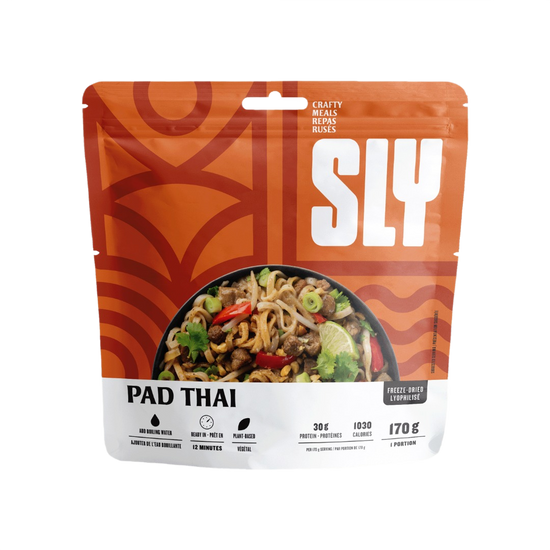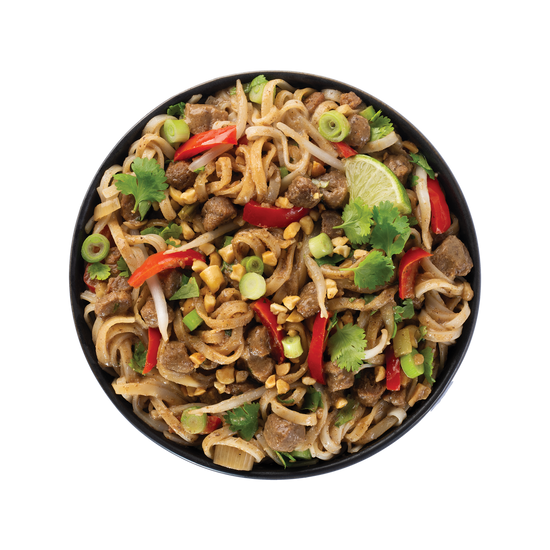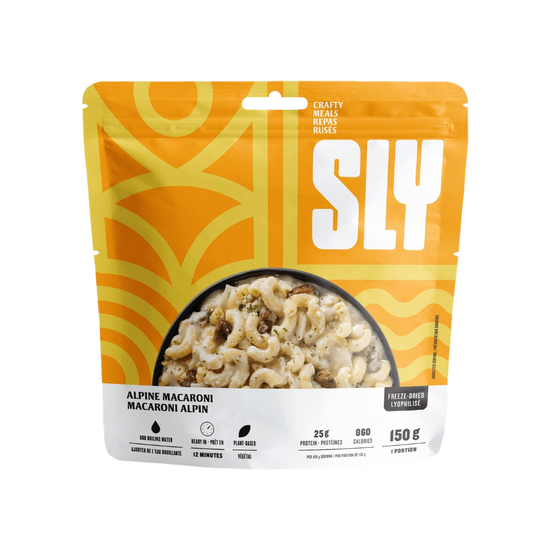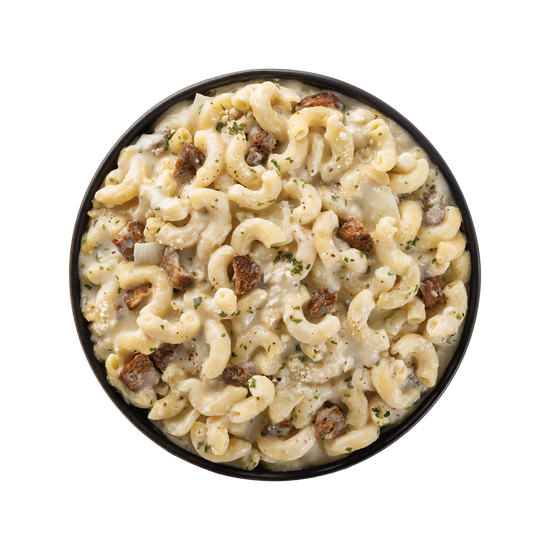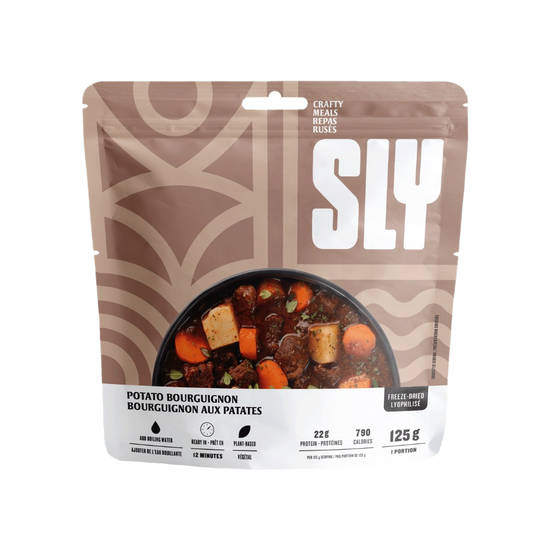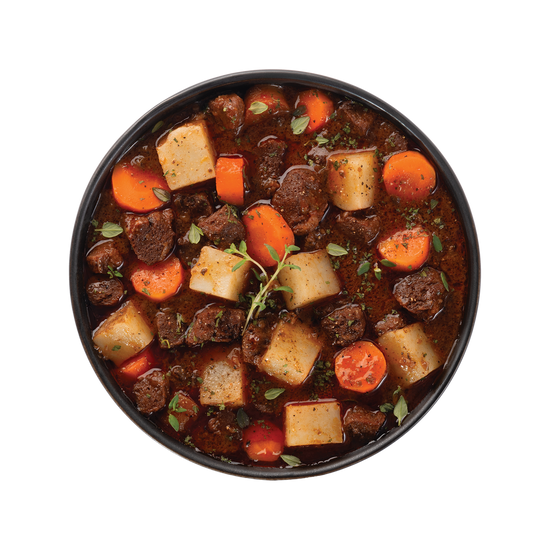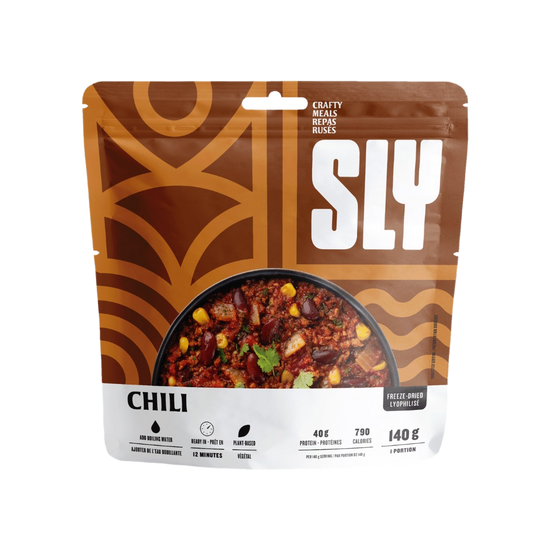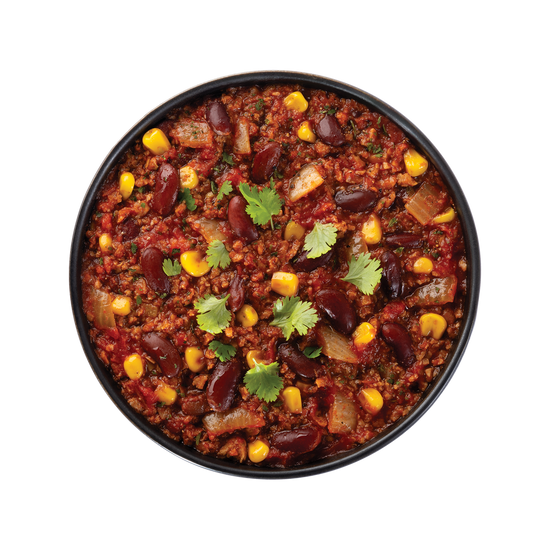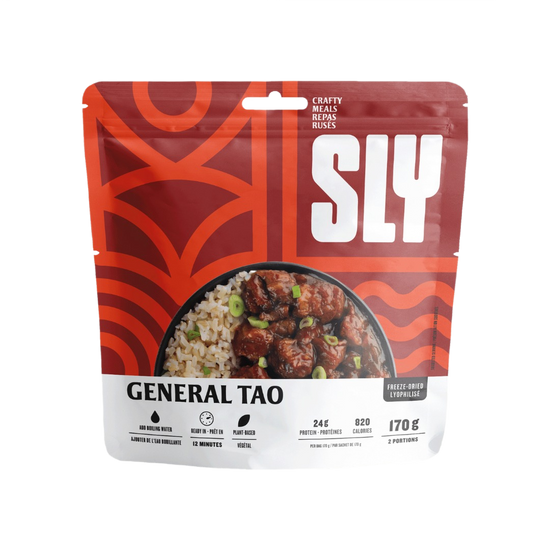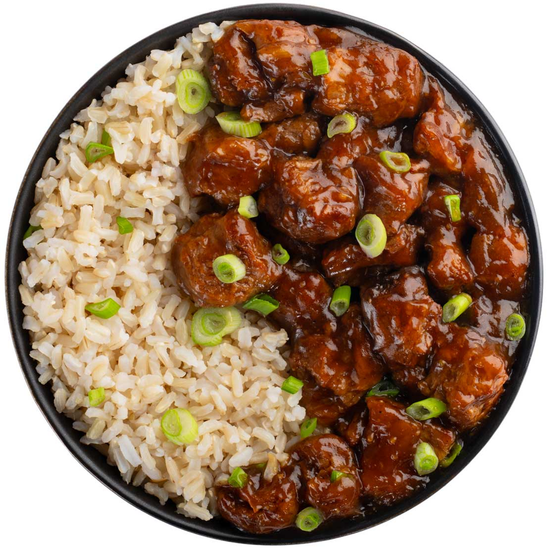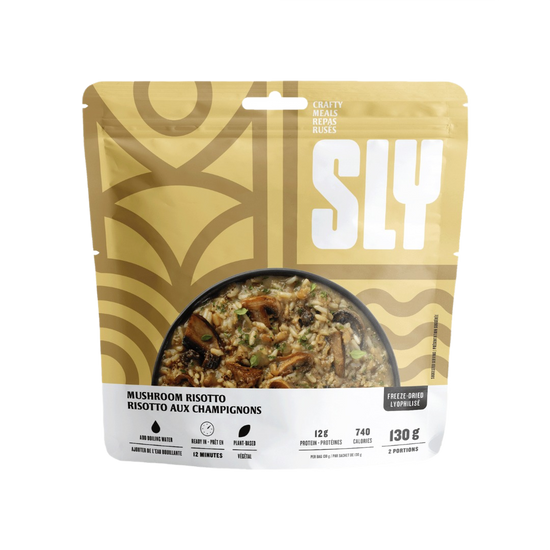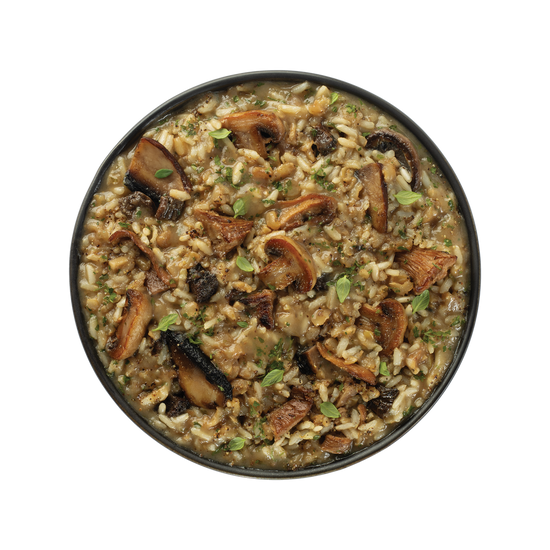
When it comes to choosing the right food preservation method, the debate between freeze-dried vs. dehydrated foods boils down to your priorities. Freeze-dried foods excel in nutrient retention, shelf life, and maintaining original texture, making them ideal for long-term storage and convenience. In contrast, dehydrated foods, while more economical, offer a chewier texture and shorter shelf life, catering to different needs and preferences. Let's delve into this comparison to discover which method best suits your needs!
Freeze-Dried vs. Dehydrated Food (Which is Better?)
Understanding the difference between freeze-dried and dehydrated foods is essential for choosing the best option for your needs. Each preservation method has unique qualities, from differences in shelf life to variations in texture, making them ideal for specific uses.
| Feature | Freeze-Dried Meal | Dehydrated Food |
|---|---|---|
| Shelf Life | Up to 25 years | 1-5 years |
| Water Content | Retains approximately 2% | Retains 30%-50% |
| Nutritional Retention | Retains up to 97% of nutrients | Retains approximately 60% of nutrients |
| Texture | Light and airy, similar to original once rehydrated | Chewy, with a denser texture |
| Taste | Fresh flavor | More intense, concentrated flavor |
| Rehydration Time | Fast | Slower |
| Processing Method | Sublimation through cold and vacuum | Heat-based drying |
| Weight | Extremely lightweight | Slightly heavier |
| Cost | Higher due to processing complexity | Cheaper and more affordable |
| Storage Needs | Requires airtight storage for best longevity | Less sensitive to storage conditions |
| Environmental Impact | Higher energy consumption in processing | Lower energy consumption in processing |
| Common Uses | Long-term storage, outdoor adventures, quick meals | Snacks like jerky, short-term storage |
| Availability | High-end and specialized stores | Widely available in food stores |
| Production Complexity | Advanced technology required | Simple, often done at home |
| Moisture Absorption | Less risk of spoilage in humid environments | Can absorb moisture more easily |
Ultimately, the comparison between freeze-dried vs. dehydrated food shows that both have their place, depending on your priorities. Whether you're looking for long-term storage, better nutrient preservation, or an economical option, this table highlights the key distinctions to help you make your decision.

Understanding Food Preservation Methods
In the world of food preservation, the difference between freeze-dried and dehydrated foods highlights the unique advantages of each method. Both approaches impact shelf life, texture, and nutritional value, making them ideal for different storage needs and culinary uses.
What is Freeze-Dried Food?
Freeze-dried foods are made by removing almost all moisture through a process that freezes food and sublimates frozen water directly into gas. This method preserves the food's structure, flavor, and nutritional value while significantly extending its shelf life, often up to 25 years. While it requires specialized equipment and is more expensive, freeze-drying is ideal for lightweight, long-term storage of foods such as fruits, vegetables, and meats.
Learn more about what a freeze-dried meal is in our detailed guide.
What is Dehydrated Food?
Dehydrated foods are made by removing moisture through heat and air, reducing weight and volume for easier storage and transport. While it's a cost-effective and accessible preservation method, it alters texture, concentrates flavors, and shortens shelf life to 1-3 years compared to freeze-drying. Additionally, some heat-sensitive nutrients may be lost, but this method remains a popular option for preserving fruits, vegetables, and herbs.
Pros and Cons of Freeze-Dried vs. Dehydrated Foods
Freeze-dried foods offer exceptional advantages for long-term food preservation, with a shelf life of 20 to 30 years and the ability to retain up to 97% of nutrients. They preserve the original texture and flavor of foods, making them lightweight and adaptable for storage or outdoor use. However, the process is expensive and requires specialized equipment, which may limit accessibility for some users.
Dehydrated foods, on the other hand, are a cost-effective and accessible method that can be done at home with basic tools. While they allow for compact storage and are ideal for short-term needs, they have a shorter shelf life of 1 to 3 years and can result in nutrient loss and altered texture. The choice between these methods depends on your priorities, whether it's long-term storage, financial accessibility, or ease of preparation.
Freeze-Dried vs. Dehydrated Food: Which is Healthier?
When choosing between freeze-dried and dehydrated food, both methods preserve essential nutrients, but freeze-dried foods often retain more vitamins due to the low-temperature process. Dehydrated foods, even if they retain slightly fewer nutrients, remain a healthy option depending on how they are prepared, which answers the question of whether dehydrated foods are healthy. Ultimately, both choices can contribute to a nutritious diet, but freeze-dried foods may dominate for those who prioritize maximum nutrient retention.
Food Preservation Techniques
Studying food preservation methods can help you understand the key differences in texture, flavor, and shelf life, especially when comparing and hesitating between freeze-dried and dehydrated foods. These two popular techniques, conventional dehydration and freeze-drying, each offer unique advantages, making them suitable for different needs and applications.
Conventional Dehydration Process
Dehydration is an effective method for preserving food by removing moisture, reducing the risk of spoilage, and extending shelf life. It's ideal for fruits, vegetables, and other snacks, creating chewy textures and intensified flavors.
Steps in the conventional dehydration process:
- Preparation: Wash, peel, and cut food into regular pieces to ensure even drying.
- Pretreatment (optional) : Soak foods prone to discoloration, such as apples or bananas, in a lemon water solution or other preservative.
- Arrange food on trays: Place prepared food on dehydrator trays in a single layer, avoiding overlap for efficient air circulation.
- Set temperature: Set the dehydrator to the correct temperature (usually 125-135°F or 50-60°C) depending on the type of food.
- Dehydrate: Allow the food to dry for several hours, periodically checking that the desired texture and moisture level are achieved.
- Cool and store: Allow dried food to cool completely, then store in airtight containers to preserve freshness and extend shelf life.
Dehydration is a cost-effective way to preserve food, offering the possibility of short-term storage. With proper preparation and storage, it delivers tasty, nutrient-rich results that meet a wide variety of needs.
Freeze-Drying Process
Freeze-drying is an advanced food preservation method that removes almost all moisture while retaining the food's texture, taste, and nutritional value. This process is ideal for long-term storage and lightweight foods.
Steps in the freeze-drying process:
- Freezing food: Food is frozen to extremely low temperatures (-40°F or below) to solidify all the water in the food into ice.
- Creating a vacuum environment: The freeze-dryer reduces the surrounding pressure, creating a vacuum that prepares the food for sublimation.
- Sublimation (moisture removal): The ice in the frozen food sublimates (goes directly from solid to gas) under low pressure and controlled heat, leaving the food with a water content of approximately 2%.
- Secondary drying: Residual moisture is removed at slightly higher temperatures to ensure maximum dryness and extend shelf life.
- Packaging and storage: Freeze-dried foods are packaged in airtight containers with oxygen absorbers to prevent spoilage and maintain freshness for up to 25 years.
Freeze-drying is more expensive than other preservation methods, but it offers superior results in terms of maintaining quality, texture, and nutrients. Its ability to extend shelf life makes it a top choice for emergency supplies, grab-and-go meals, and preserving perishables.
Discover how freeze-dried meals are processed in our guide.
Experience the freeze-dried difference today!
Why settle for less? Freeze-dried foods offer superior nutrition, flavor, and shelf life compared to dehydrated foods. Explore our premium selection and make the right choice today!

Comparative Analysis
When choosing between freeze-dried or dehydrated food, it's important to consider several factors that influence their usefulness and long-term value. From nutritional differences to financial implications, each preservation method offers unique advantages and limitations.
Nutritional Impact
The preservation method plays an essential role in maintaining the nutritional value of food. In the debate over whether to choose freeze-dried or dehydrated food, the former retains up to 97% of its nutritional value, while the latter generally retains only 60 to 80%. The preservation method plays a key role in the retention of vitamins, minerals, and other nutrients, making it an important factor to consider when choosing between the two types of food.
| Nutrient/Aspect | Freeze-dried foods | Dehydrated foods |
|---|---|---|
| Vitamin C | Almost complete retention due to low-temperature processing. | Significant loss due to heat exposure. |
| Vitamin A | High retention, maintains antioxidant benefits. | Moderate to significant loss during dehydration. |
| B Vitamin Complex | Better preserved. | Partial loss, especially B1 (thiamine) and B6. |
| Vitamin D | Minimal impact; most levels maintained. | Minimal impact; most levels maintained. |
| Minerals (e.g., calcium, iron) | Excellent retention; structure remains intact. | Good retention but slight reductions during heating. |
| Protein Integrity | Fully preserved, retaining original quality. | Retained but slightly altered by heat. |
| Dietary Fiber | Fully preserved. | Fully preserved. |
| Natural Sugars | Maintained, natural sweetness preserved. | Slightly concentrated due to moisture removal. |
| Antioxidants | High preservation of antioxidants like beta-carotene. | Loss of heat-sensitive antioxidants. |
| Enzymes | Inactivated but structurally preserved. | Loss due to heat exposure. |
| Calories | Unchanged, similar to fresh foods. | Unchanged, similar to fresh foods. |
When comparing freeze-dried vs. dehydrated foods, freeze-drying proves to be the better option for preserving a wide range of nutrients, especially heat-sensitive vitamins like C and A, as well as antioxidants and minerals. While dehydration retains some nutritional value, freeze-drying offers a clear advantage in maintaining the highest nutritional quality of preserved foods.
Shelf Life and Storage
Freeze-dried foods, with their moisture content reduced to about 2%, have an impressive shelf life of up to 25 years when properly packaged with oxygen absorbers, making them ideal for long-term storage. In contrast, dehydrated foods generally last from 4 months to 2 years, depending on storage conditions. For extended storage needs, freeze-dried options are superior, although factors such as storage space and environmental conditions play a crucial role in the longevity of both methods.
Learn more about how long freeze-dried foods last in our detailed blog post.
Cost Considerations
Freeze-drying is a more expensive option due to the advanced technology and energy requirements. Individual packets often cost between $6 and $10, with bulk options ranging from $30 to $50 or more. While dehydrated foods are more economical, typically priced between $3 and $6 per package, their shorter shelf life and potential nutrient loss can lead to higher costs over time due to spoilage. Ultimately, the choice depends on matching the longer shelf life and superior nutrient retention of freeze-dried foods with your storage and dietary priorities.
Food Safety
From a safety perspective, freeze-dried foods present a lower risk of microbial development due to their minimal moisture content. This characteristic is crucial for long-term storage, where conditions can vary. Dehydrated foods, which retain 30% to 50% of their moisture, are more susceptible to spoilage if not stored properly.
To minimize this risk, prioritize proper sealing and use of storage containers. For both options, it is essential to consider food safety based on the intended storage duration and environment.
Ease of Use
Freeze-dried foods stand out for their ease of use, offering lightweight and compact options that are often ready to eat or quickly rehydrated, making them ideal for travel, camping, or emergency situations. In contrast, dehydrated foods, while flexible for recipes like soups or fruit leathers, require more preparation time, such as soaking, which can reduce immediate convenience. For emergency storage, freeze-dried foods emerge as the simpler choice.
Learn more about the uses of freeze-dried foods in our detailed blog post.

Environmental Impact
It is essential to understand the environmental impact of food preservation methods such as dehydration and freeze-drying. These methods differ in terms of energy consumption and sustainability.
Energy Consumption
When comparing freeze-dried vs. dehydrated foods, energy consumption highlights a clear distinction. Dehydration consumes significantly less energy, with simple electric dehydrators or even solar methods being efficient and environmentally friendly. Freeze-drying, while offering superior preservation quality, is much more energy-intensive due to its complex freezing, vacuum, and sublimation process, resulting in higher carbon emissions and environmental impact.
Sustainability of Food Preservation
When considering the sustainability of food preservation, the comparison between freeze-dried vs. dehydrated foods reveals essential differences. Freeze-drying offers unique advantages in terms of nutrient and flavor preservation, as well as an extended shelf life, making it a highly effective method for long-term storage. While dehydration relies on simpler, more ecological methods, such as sun or air drying, freeze-drying's reliance on advanced machinery and energy is offset by the superior quality and longevity of the food, making it the most advantageous choice for premium preservation needs.
Frequently Asked Questions
When comparing freeze-dried and dehydrated foods, consider differences in nutritional content, costs, types of foods suitable for preservation, shelf life, texture changes, and energy requirements. These key factors can influence your decision on which method to choose.
What are the main differences in nutritional content between freeze-dried and dehydrated foods?
Freeze-dried foods generally retain a higher percentage of their nutritional content than dehydrated foods. Reports indicate that freeze-drying can preserve up to 97% of nutrients, while dehydration preserves only 40% to 60%.
What are the comparative costs of freeze-drying and dehydrating foods?
Freeze-drying is generally more expensive due to the complexity of the equipment and the energy required for the process. Dehydration, on the other hand, is often more cost-effective as it uses simpler technology. The choice between these two methods can be guided by budget or quality considerations.
Can all types of food be preserved by both freeze-drying and dehydration?
Both methods are not suitable for all foods. Freeze-drying allows for the preservation of a wider variety of foods, including delicate foods or those with high water content, while dehydration often yields better results for fruits, vegetables, and meats. Consider the type of food you wish to preserve before choosing the method.
What is the shelf life of freeze-dried foods compared to dehydrated foods?
Freeze-dried foods often have a longer shelf life due to their low moisture content, which can be around 2%, compared to 30% to 50% for dehydrated foods. Freeze-dried options are therefore ideal for long-term storage or emergency preparedness, as shown in this comparison of shelf lives.
How does the texture of food change when it is freeze-dried versus dehydrated?
Texture changes significantly between the two methods. Freeze-dried foods often retain a more natural texture when rehydrated, while dehydrated foods can become denser and chewier. Understanding these textural differences can influence how you incorporate these foods into your meals.
What are the energy requirements for freeze-drying versus dehydrating foods?
Freeze-drying generally requires more energy due to the need for specialized equipment and sub-zero temperatures. Dehydration is more energy-efficient, as it uses low heat for long periods. The balance between energy consumption and preservation quality can influence your choice between these methods.
Conclusion
When it comes to food preservation, the choice between freeze-dried and dehydrated foods depends on your priorities, but freeze-dried foods emerge as the ultimate solution. With an impressive shelf life of up to 25 years and the ability to retain 98% of their nutritional content, freeze-dried foods offer unparalleled convenience, quality, and long-term reliability. Whether you're preparing for emergencies, outdoor adventures, or daily use, explore our premium freeze-dried products to discover the perfect balance of nutrition and practicality.
Experience the freeze-dried difference today!
Why settle for less? Freeze-dried foods offer superior nutrition, flavor, and shelf life compared to dehydrated foods. Explore our premium selection and make the right choice today!