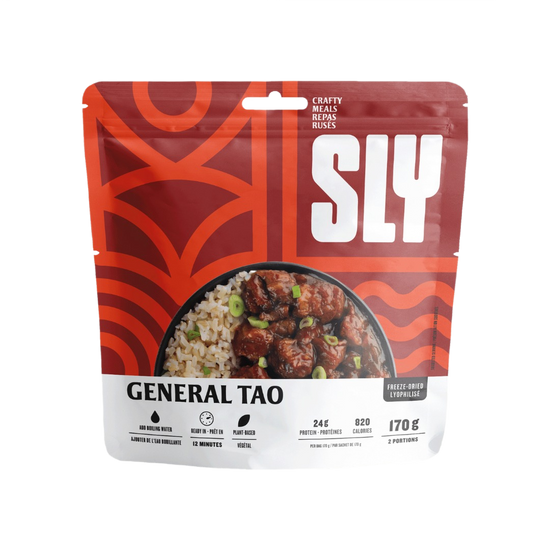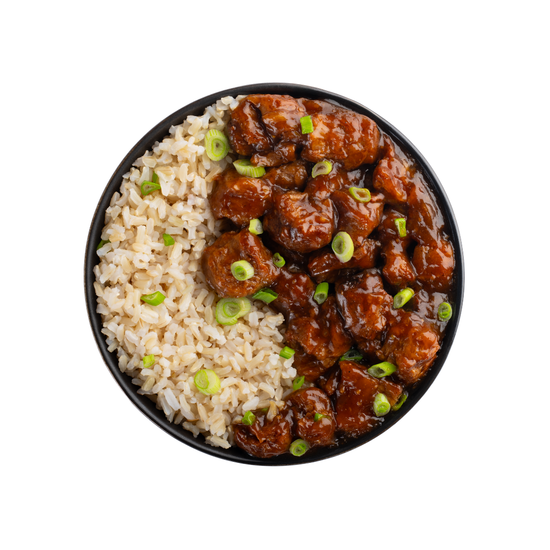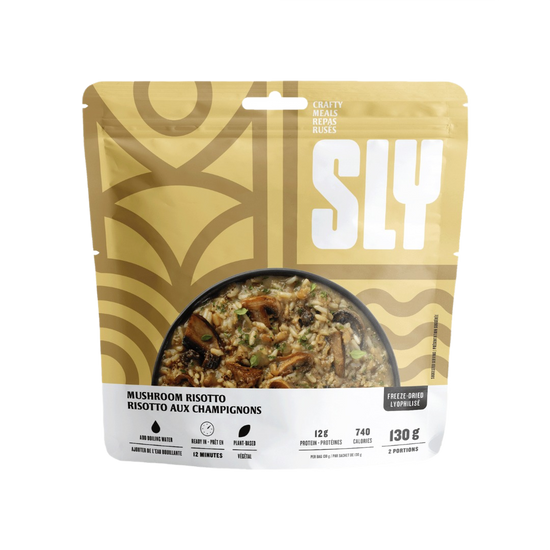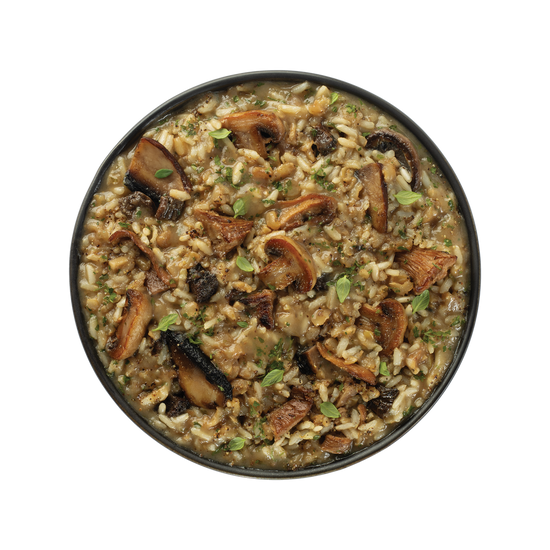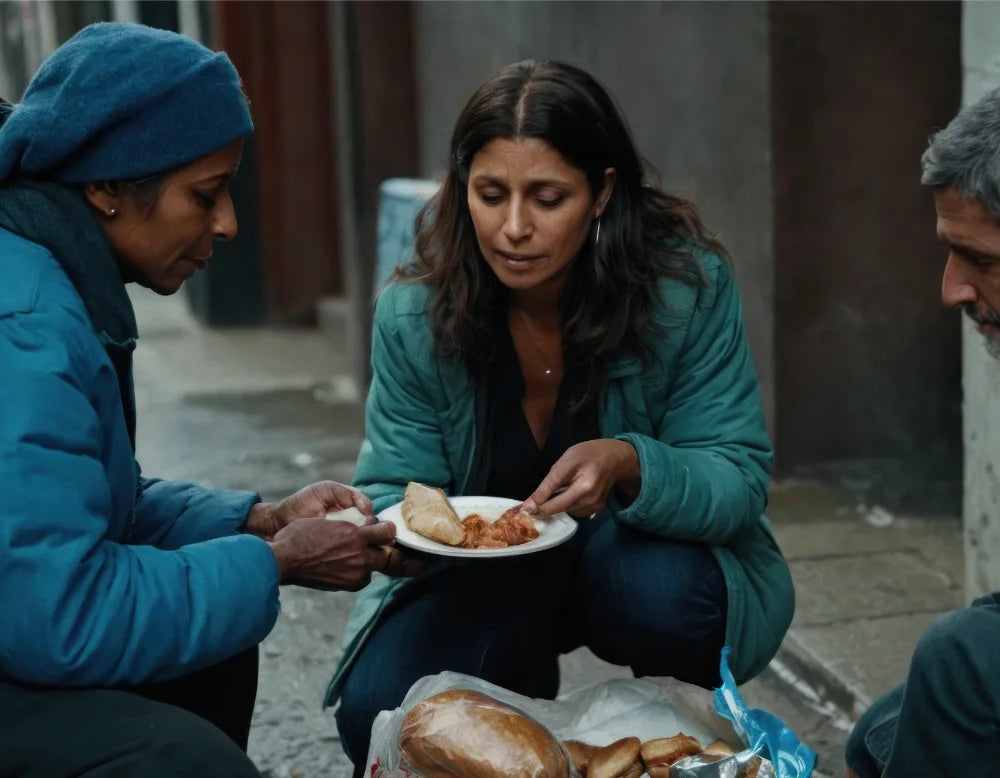
In unpredictable situations such as natural disasters or power outages, having the right emergency food supply can make all the difference between serene preparedness and chaos. Among the available options, freeze-dried foods stand out as the best choice for emergency situations due to their exceptional shelf life, lightness, and ability to retain nutrients. With freeze-dried meals in your pantry, you can ensure your family is ready to face any crisis with minimal effort and maximum reliability.
In this blog post, we will explore a comprehensive list of emergency foods, discuss their nutritional considerations and benefits, and highlight why freeze-dried foods are the ultimate solution.
Emergency Food List
In an emergency, it is vital to have a well-stocked and nutritionally balanced long-term food supply. Prioritize non-perishable, long-shelf-life vegan foods that offer essential nutrients and flexibility.
- Canned vegetables and legumes: Chickpeas, black beans, lentils, and mixed vegetables are nutrient-dense and versatile.
- Dry goods: Quinoa, rice, pasta, and oats provide a solid foundation for meals and are easy to store.
- Nuts and seeds: Almonds, walnuts, sunflower seeds, and chia seeds offer healthy fats, protein, and energy.
- Plant-based protein powders: A convenient way to ensure protein intake in emergency situations.
- Dried fruits: Raisins, apricots, and mangoes are perfect for quick energy and provide natural sugars.
- Nut butters: Almond or cashew butter is a long-lasting protein source that pairs well with other foods.
- Dried meat alternatives: Vegan jerky made from mushrooms, soy, or jackfruit is a protein-rich snack that lasts a long time.
- Powdered plant milk: Powdered soy, almond, or coconut milk is ideal for recipes or beverages.
- Protein bars: Vegan options made from nuts, seeds, and whole grains are portable and have a long shelf life.
- Bottled water: Essential for drinking and food preparation, it should be stored in sufficient quantities.
- Powdered drinks: Electrolyte mixes or plant-based hydration powders help maintain energy and hydration.
- Freeze-dried fruits and vegetables: Strawberries, apples, broccoli, and spinach retain their nutrients and are lightweight to store.
- Freeze-dried meals: Vegan options with balanced nutrients and a long shelf life are perfect for emergency situations.
Having a well-balanced and suitable emergency food supply allows you to be prepared while respecting your dietary preferences. In the next section, we will delve into various emergency food options, but we will also show you why freeze-dried foods remain the best choice for emergency situations. Rotate and replace products as needed to maintain their freshness and effectiveness.

Special Considerations for Dietary Needs
When planning an emergency food supply, it is essential to consider special dietary needs, such as allergies or chronic illnesses. Understanding nutritional specificities and available food options ensures everyone stays healthy during an emergency.
Recipes and Meal Ideas
In emergency situations, it is crucial to plan meals with flexible and durable ingredients to ensure nutrition and variety. Here are simple, vegan-friendly recipes, including freeze-dried options, to help you make the most of your emergency food supplies.
-
Breakfast:
- Oatmeal with freeze-dried fruits and seeds: Mix oatmeal with water or powdered plant milk, then add freeze-dried strawberries, blueberries, or apricots, along with chia or sunflower seeds.
- Freeze-dried fruit smoothie: Blend powdered plant milk with freeze-dried fruits such as bananas and mangoes, plus a scoop of plant-based protein powder for a quick and nutritious drink.
- Rice porridge with freeze-dried apples: Cook rice and mix it with powdered coconut milk, sweetened with freeze-dried apple slices and cinnamon.
-
Lunch and dinner:
- Freeze-dried bean chili: Combine canned beans (black, red, or pinto), canned tomatoes, and rehydrated freeze-dried vegetables, such as bell peppers and onions, seasoned with spices for a hearty dish.
- Quinoa and freeze-dried vegetable salad: Combine cooked quinoa with rehydrated freeze-dried peas, carrots, and green beans, seasoned with olive oil, lemon juice, and spices.
- Freeze-dried Stir-fry: Rehydrate freeze-dried broccoli, mushrooms, and peas, then sauté them with soy sauce and garlic over cooked rice or noodles.
- Lentil stew with freeze-dried spinach: Simmer canned lentils with canned tomatoes, spices, and rehydrated freeze-dried spinach for a nutrient-rich one-pot meal.
-
Snacks:
- Freeze-dried fruit mix: Mix nuts, seeds, and freeze-dried fruits like raspberries, cranberries, or pineapple pieces for a light and energy-packed snack.
- Almond butter and freeze-dried banana sandwiches: Top whole-grain crackers with almond butter and freeze-dried banana slices for a satisfying treat.
- Freeze-dried vegetable chips: Snack on freeze-dried kale, zucchini, or beet chips for a healthy and crunchy option.
- Vegan protein bars with freeze-dried additions: Choose vegan protein bars that contain freeze-dried fruits or vegetables for an extra nutritional boost.
Including freeze-dried options enhances the adaptability and convenience of your emergency meals, ensuring lightweight, nutrient-dense, and long-lasting food. These recipes show how to create delicious and stress-free meals during emergency situations, while still meeting dietary needs.
Nutritional Considerations in Emergency Situations
In emergency situations, adequate nutrition is essential for maintaining energy, immunity, and overall health. Freeze-dried foods perfectly meet these needs by preserving vital nutrients such as vitamin C, protein, and iron, while offering lightweight and long-lasting options. Combining freeze-dried fruits, legumes, and greens with high-calorie foods like nuts and seeds ensures a balanced diet during challenging times.
Managing Dietary Restrictions
Meal planning for individuals with dietary restrictions requires careful attention. For people with conditions such as diabetes or hypertension, carefully monitor salt and sugar intake. Low-sodium and no-added-sugar products should be part of the supply. In cases of food allergies, such as peanut or gluten allergies, ensure you know safe alternatives and avoid cross-contamination.
Special Emergency Food: Vegan, Gluten-Free, and More
Meeting special dietary needs in an emergency is no longer a challenge, thanks to a wide range of freeze-dried meals suitable for vegan, gluten-free, and high-protein diets. These specialized meals ensure that everyone, from vegans to those with gluten sensitivities, can enjoy delicious and nutritious options, even in the most challenging situations. Sly Foods' freeze-dried meals shine in this category, offering exceptional convenience, balanced nutrition, and rich flavors designed to meet diverse dietary requirements.
- Lentil Dal: A vegan and gluten-free meal with 25g of protein and 630 calories, priced at CAD 14.99. Made with lentils and spices, this dish is rich in plant-based protein and fiber, making it a hearty and flavorful option for those on a vegan or gluten-free diet.
- Indian Stew: This vegan and gluten-free stew offers 17g of protein and 750 calories, priced at CAD 15.99. Filled with vegetables, herbs, and spices, it provides balanced nutrition and rich, deep flavors for a satisfying meal in an emergency.
- Pesto Pasta: A vegan meal containing 25g of protein and 880 calories, priced at CAD 14.99. With ingredients like pasta, basil, and olive oil, this option is rich and satisfying, providing healthy fats and a comforting flavor profile for vegans.
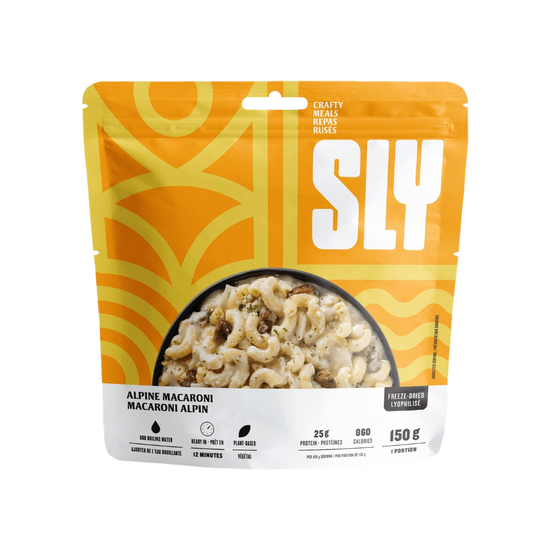
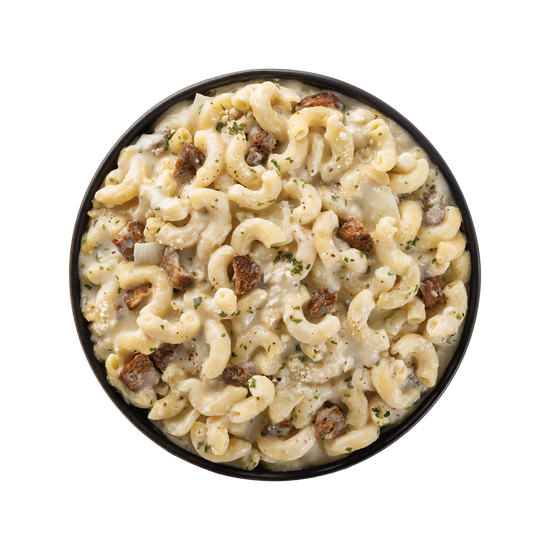
- Alpine Macaroni: A vegan dish containing 22g of protein and 790 calories, priced at CAD 15.99. Made with pasta, cheese, and seasonings, it is rich in protein and calcium and makes a comforting and hearty meal, ideal for maintaining energy in colder conditions (will be gluten-free in one month using gluten-free soy sauce).
- Garden Soup: This vegan and gluten-free soup contains 17g of protein and 700 calories, priced at CAD 15.99. Made with various vegetables and cream, it is a meal that is both light and creamy, rich in essential vitamins and minerals, suitable for those with gluten sensitivities.
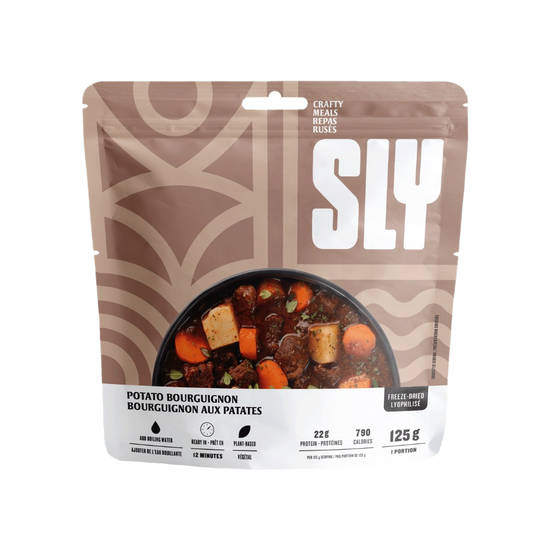
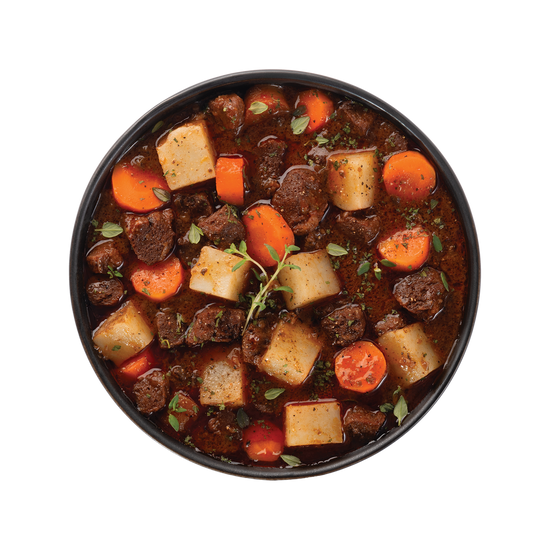
- Potato Bourguignon: a gluten-free and vegan option, with 28g of protein and 760 calories, priced at CAD 16.99. Made with potatoes, mushrooms, and herbs, it is a hearty meal, rich in protein and complex carbohydrates, providing sustained energy.
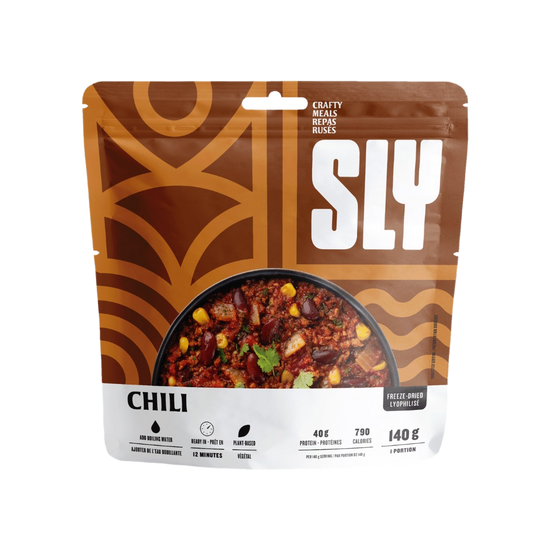
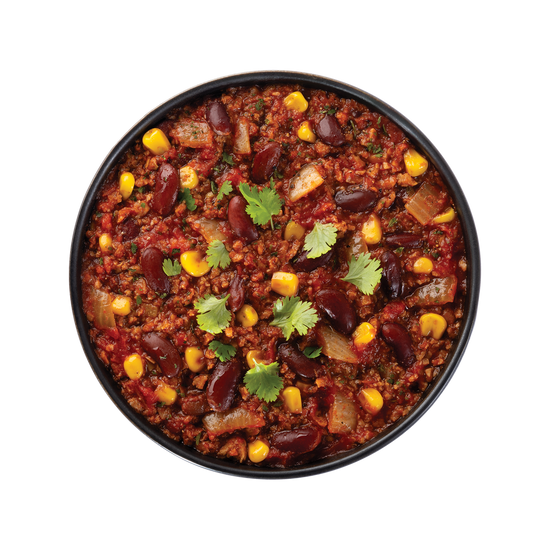
- Chili: A protein-rich and gluten-free choice, with 40g of protein and 795 calories, priced at CAD 16.99. Made with beans, spices, and vegetables, this dish is ideal for active days, offering both high protein content and a warm, spicy taste.
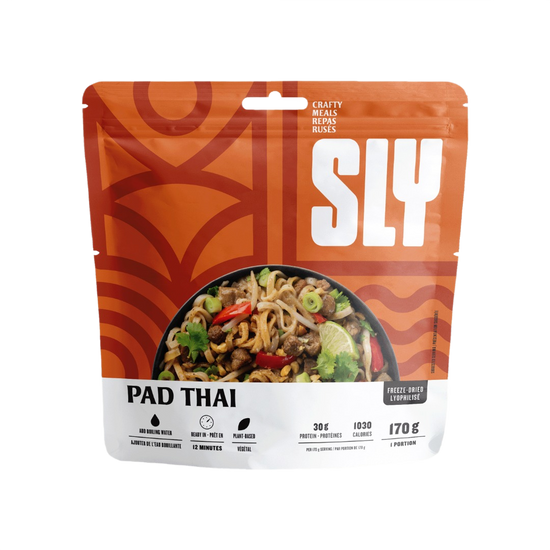
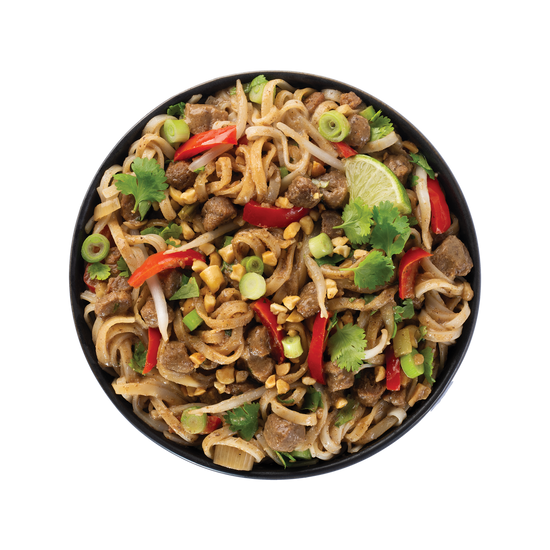
- Pad Thai: A high-protein, gluten-free meal containing 36g of protein and 970 calories, priced at CAD 16.99. Made with rice noodles, vegetables, and tofu, it is a flavorful and calorie-rich option that meets protein needs and gluten-free diets (this dish will be gluten-free in one month by using gluten-free soy sauce).
With options ranging from vegan lentil stews to protein-rich chili, Sly Foods has created a range of freeze-dried meals that cater to a variety of special diets. Each meal combines convenience with thoughtful nutrition.


Understanding Freeze-Dried Emergency Foods
Freeze-dried emergency foods are a reliable option for long-term storage due to their extended shelf life and light weight. Their versatility and ease of use make them a popular choice for those preparing for potential emergencies.
What is freeze-dried emergency food?
Freeze-dried emergency foods are meals or ingredients that have undergone a freeze-drying process to remove almost all moisture, significantly extending their shelf life to 25-30 years. This method preserves the food's flavor, nutritional value, and texture, making it an excellent choice for emergency preparedness. From fruits and vegetables to complete meals, freeze-dried emergency foods offer a reliable and adaptable solution for diverse dietary needs during a crisis.
Learn more about what a freeze-dried meal is in our blog post.
Uses of freeze-dried foods
Freeze-dried foods provide a flexible solution, especially useful in emergency situations, as they offer durable, lightweight, and nutrient-rich meals when access to fresh food is limited. Ideal for campers, hikers, and people living in disaster-prone areas, they provide convenient sustenance with minimal effort. Simply add water to rehydrate freeze-dried foods for easy-to-prepare, high-quality meals suitable for many scenarios.
Learn more about the uses of freeze-dried foods in our guide.
Prepare for Disaster with our Vegan Freeze-Dried Meals!
Stock up on lightweight, nutritious meals that last for decades. Perfect for emergencies, camping, or everyday prep, order now!
Benefits of Freeze-Dried Food
Freeze-dried foods offer several advantages for emergency preparedness, making them a popular choice for long-term food storage. Their extended shelf life, ease of preparation, and lightweight nature are significant assets for anyone looking to build emergency reserves.

Shelf Life and Storage Conditions
Freeze-dried foods boast an impressive shelf life of 25 years or more when stored in a cool, dark, and air-free environment, thanks to the removal of moisture that prevents spoilage. Their low moisture content and the freeze-drying process, which preserves nutrients, make them a reliable and flavorful choice for long-term storage. This durability ensures they remain a dependable option for emergency situations and other extended preparedness needs.
Learn more about how long freeze-dried foods last in our blog post.
Ease of Preparation
Freeze-dried foods are incredibly easy to prepare, requiring only the addition of hot water to restore their original texture and taste. This simplicity is particularly valuable in emergency situations where resources and time are limited, ensuring quick, palatable, and nutritious meals. From fruits and vegetables to full entrées, freeze-dried options offer convenience without compromising flavor or nutritional quality.
Check out our detailed blog post to learn how to rehydrate freeze-dried food.
Lightweight and Compact
Freeze-dried foods are lightweight and compact because moisture removal significantly reduces their weight and volume, making them easy to transport and store. This portability is invaluable in situations requiring mobility, such as hiking or emergencies, while also allowing efficient use of limited storage space. These qualities make freeze-dried foods a preferred choice for backpackers, campers, and anyone preparing for emergency situations.
Fresh, Freeze-Dried, or Dehydrated Foods (Which is Best?)
When comparing fresh, freeze-dried, and dehydrated foods, understanding their key characteristics will help you determine the best option for your emergency food kit. Here's a detailed comparison:
| Feature | Fresh Foods | Freeze-Dried Meals | Dehydrated Foods |
|---|---|---|---|
| Nutrition | Highest nutrient content when fresh, but degrades quickly. | Retains 90-97% of original nutrients | 20-40% nutrient loss |
| Shelf Life | 1-2 weeks (refrigerated) | 25+ years (if stored properly) | 1-5 years (depending on storage) |
| Weight & Storage | Heavy, requires refrigeration | Lightweight and compact | Lighter than fresh, bulkier than freeze-dried |
| Preparation | Requires washing, cutting, and cooking | Just add hot water for quick preparation | Requires rehydration and longer cooking |
| Taste & Texture | Optimal when fresh | Rehydration closely mimics freshness | Often chewy or with altered texture |
| Cost | Generally low but perishable | Higher initial cost but long-term savings | Affordable but less versatile |
| Best Use | Daily meals and short-term consumption | Emergency situations, long-term storage, and outdoor activities | Budget-friendly storage and camping |
Fresh foods excel in taste and nutrition for immediate consumption but lack the longevity required for emergency situations. Freeze-dried foods offer the best balance of nutrition, shelf life, and convenience, making them ideal for preparedness and mobility. Dehydrated foods provide a cost-effective alternative but fall short in nutrient and texture preservation.
Freeze-Dried Foods (A Solution for Camping and Military Missions)
Freeze-dried foods are the perfect solution for camping and military missions due to their lightweight, compact, and durable nature. Freeze-dried foods are a popular choice as food for the military because they provide essential nutrients and delicious taste with minimal preparation, even in remote or high-stress environments. This reliability makes them the ultimate choice for sustaining energy and morale under challenging conditions.
To learn more about freeze-dried camping foods, check out our detailed blog post.
Frequently Asked Questions
Emergency food supplies are critical for preparedness, offering both short-term solutions and long-term storage options. Consider factors like nutritional value, shelf life, and preparation methods when choosing and creating a sustainable emergency food reserve.
How do I create a sustainable emergency food supply list?
Start by identifying non-perishable foods that meet your caloric and nutritional needs. Consider incorporating items based on the Canadian Food Guide, emphasizing variety and including items you regularly consume to reduce waste and spoilage.
What should a 72-hour emergency food kit contain?
A 72-hour emergency food kit should contain adequate water, non-perishable foods such as canned goods, dried fruits, and nuts. Plan for at least four liters of water per person per day and consider adding bottled water for pets or service animals.
What foods are recommended for long-term survival storage?
Foods for long-term storage should include items with extended shelf lives, such as freeze-dried meals, canned vegetables, and grains. Pay close attention to storage conditions to maintain food quality. Consider storage tips like rotating stock to keep your supplies fresh and replacing stored water as recommended.
How do I assess the quality of emergency food kits offered by retailers?
Evaluate emergency food kits by checking expiration dates, nutritional content, and ingredient quality. Look for products that align with your dietary needs and preferences, and ensure they come from reputable sellers with clear return policies.
What strategies are available for obtaining emergency food assistance?
Research local government programs and food banks for assistance. Many communities offer resources to help in emergency situations, ensuring access to necessary supplies during crises, including guidelines from health services for preparing emergency food kits.
Conclusion
In emergency preparedness, building a comprehensive and balanced food reserve is crucial for ensuring your family's well-being during uncertain times. Focus on stocking sustainable and nutrient-rich items like freeze-dried foods, canned goods, and whole grains, while tailoring your choices to your dietary needs. By storing these products in cool, dark places, using airtight containers, and implementing a rotation system, you can preserve their freshness and be ready for any situation.
Prepare for Disaster with our Vegan Freeze-Dried Meals!
Stock up on lightweight, nutritious meals that last for decades. Perfect for emergencies, camping, or everyday prep, order now!